Do Bookshelf Speakers Have Bluetooth Wireless Built In
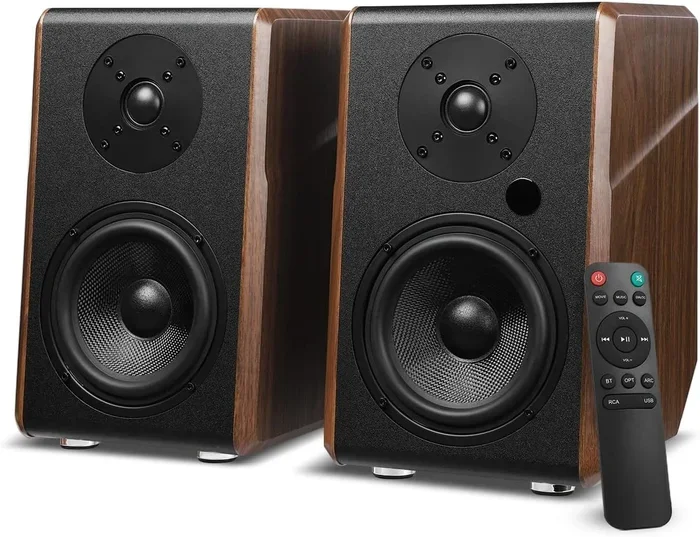
Not all bookshelf speakers come with Bluetooth built in, but many modern models do offer wireless connectivity. Whether you want to stream music directly from your phone or add Bluetooth to older speakers, there are plenty of options available. This guide covers everything you need to know about bookshelf speakers with Bluetooth, including types, benefits, and how to upgrade your setup.
Bookshelf speakers have been a staple of home audio for decades. They deliver rich, detailed sound in a compact form that fits snugly on a shelf, a desk, or a entertainment center. But in today’s wireless world, one question keeps coming up: do bookshelf speakers have Bluetooth?
The short answer is yes, many do. But not all of them. Some bookshelf speakers come with Bluetooth wireless built in, while others rely on wired connections only. Understanding the difference matters if you want a simple, cable-free listening experience.
In this guide, we will walk you through everything you need to know. We will cover which models include Bluetooth, how to add wireless capability to older speakers, and what features to look for when shopping. Whether you are a casual listener or an audiophile, this article has you covered.
Key Takeaways
- Many modern bookshelf speakers include Bluetooth wireless built in: Popular brands like Bose, Sonos, and KEF offer models with seamless wireless connectivity.
- Older or budget models may lack Bluetooth: You can still add wireless capability using a Bluetooth transmitter or adapter.
- Bluetooth version matters for audio quality: Look for speakers with Bluetooth 5.0 or higher for better range and sound.
- Wireless bookshelf speakers offer convenience: Stream music from any device without cables or extra equipment.
- You can upgrade non-Bluetooth speakers easily: Devices like Bluetooth transmitters make any speaker wireless in minutes.
- Consider your room size and audio needs: The right Bluetooth bookshelf speaker depends on your space and listening preferences.
📑 Table of Contents
- What Are Bookshelf Speakers and Why Do They Matter?
- Do Bookshelf Speakers Have Bluetooth Wireless Built In?
- Types of Wireless Bookshelf Speakers Available
- How to Add Bluetooth to Your Existing Bookshelf Speakers
- Benefits of Choosing Bluetooth Bookshelf Speakers
- What to Look for When Buying Bluetooth Bookshelf Speakers
- Common Mistakes When Buying Bluetooth Bookshelf Speakers
- Expert Insights on Bluetooth Bookshelf Speakers
- Frequently Asked Questions
- Final Thoughts
What Are Bookshelf Speakers and Why Do They Matter?
Bookshelf speakers are compact speakers designed to sit on shelves, stands, or consoles. They are smaller than floor-standing speakers but still deliver impressive sound. People use them for music listening, home theater setups, and desktop audio.
These speakers have evolved a lot over the years. Early models relied on wired connections. You had to plug them into a receiver or amplifier using speaker wire. Today, many wireless bookshelf speakers can connect to your phone, tablet, or laptop without any cables at all.
The shift to wireless has made bookshelf speakers more popular than ever. People love the idea of streaming music directly from their devices. No tangled cords. No extra equipment. Just pure, wireless audio right out of the box.
Do Bookshelf Speakers Have Bluetooth Wireless Built In?
The answer depends on the brand, model, and price point. Many newer bookshelf speakers come with Bluetooth enabled speakers right out of the box. But older models and some budget options still use only wired connections.
How to Tell If a Speaker Has Bluetooth
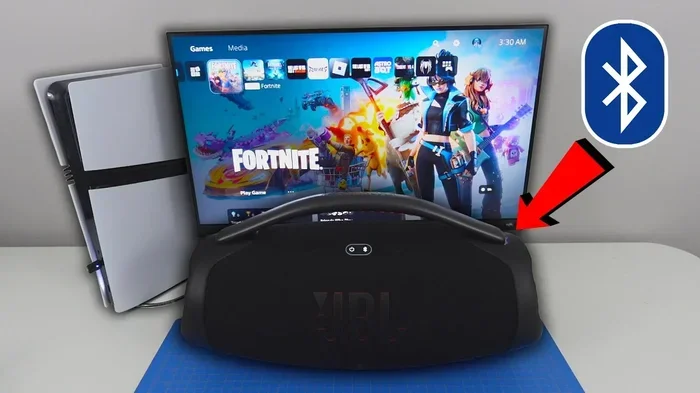
Checking for Bluetooth is usually simple. Look for the Bluetooth symbol on the speaker or its packaging. Most modern Bluetooth bookshelf speakers will have a small Bluetooth logo on the front or back panel.
You can also check the product specifications online. Look for terms like “wireless connectivity,” “Bluetooth 5.0,” or “smart features.” If the specs mention Bluetooth, you are good to go.
Some speakers offer both Bluetooth and wired options. This gives you flexibility. You can use wireless streaming when you want convenience, and switch to a wired connection when you want the best possible audio quality.
Popular Brands That Include Bluetooth
Several well-known brands now offer bookshelf speakers with built-in Bluetooth. Here are a few you will want to look at:
- Bose: Known for clear, balanced sound and reliable wireless connectivity.
- Sonos: Offers smart wireless speakers that integrate easily with home ecosystems.
- KEF: Delivers high-fidelity audio with modern wireless features.
- JBL: Provides affordable Bluetooth bookshelf speakers with solid sound.
- Klipsch: Combines classic speaker design with modern wireless capability.
Each brand has its own strengths. Some focus on bass, while others prioritize clarity. Your choice should depend on your listening habits and room size.
Types of Wireless Bookshelf Speakers Available
Not all wireless bookshelf speakers are the same. They vary by connectivity, design, and price. Understanding the different types helps you make a smarter purchase.
Bluetooth-Only Bookshelf Speakers
These speakers connect to your devices using Bluetooth only. They do not need Wi-Fi or a separate app. You simply pair your phone or tablet and start streaming. Bluetooth enabled speakers like these are perfect for casual listeners who want simplicity.
The range is typically around 30 feet. You can move around your room freely without losing the connection. However, audio quality may vary depending on the Bluetooth codec the speaker uses.
Wi-Fi and Bluetooth Combo Speakers
Some wireless home audio speakers offer both Wi-Fi and Bluetooth. These are more versatile. You can stream from services like Spotify or Apple Music over Wi-Fi for higher quality audio. You can also use Bluetooth for quick connections from any device.
Brands like Sonos and Sonance fall into this category. These speakers often come with dedicated apps that let you control volume, equalizer settings, and grouping with other speakers in your home.
Active vs. Passive Bluetooth Bookshelf Speakers
Active speakers have built-in amplifiers. They plug directly into a wall outlet and work right out of the box. Passive speakers need an external amplifier or receiver.
Most Bluetooth bookshelf speakers on the market today are active. This makes them easy to set up and use. You do not need extra equipment. Just plug them in, pair your device, and enjoy.
| Feature | Bluetooth-Only | Wi-Fi + Bluetooth | Passive Bluetooth |
|---|---|---|---|
| Connectivity | Bluetooth only | Wi-Fi and Bluetooth | Bluetooth via adapter |
| Setup | Very easy | Moderate | Requires amplifier |
| Audio Quality | Good | Excellent | Depends on amp |
| Price Range | Budget to mid | Mid to premium | Varies widely |
| Best For | Simple streaming | Multi-room audio | Audiophiles |
How to Add Bluetooth to Your Existing Bookshelf Speakers
Not all bookshelf speakers come with Bluetooth. But that does not mean you are stuck with wires. There are several ways to add wireless capability to your existing setup.
Using a Bluetooth Transmitter
A Bluetooth transmitter is one of the easiest ways to make any speaker wireless. You connect the transmitter to your speaker using an auxiliary cable or RCA cables. Then you pair your phone or tablet with the transmitter.
These devices are affordable and work with almost any speaker. They are a great option if you love your current speakers but want the convenience of wireless streaming.
Some transmitters also support aptX and LDAC codecs. These codecs improve audio quality over standard Bluetooth. Look for a transmitter that supports at least aptX for the best results.
Using a Bluetooth Adapter
Similar to a transmitter, a Bluetooth adapter plugs into your speaker’s input. Adapters are often smaller and more portable. They work well for speakers with a 3.5mm aux input.
You can also find adapters that connect via USB. These are useful for powered speakers that have a USB port. The setup is quick and straightforward.
Can You Use a Bluetooth Transmitter for Other Devices?
Yes! Bluetooth transmitters are not just for bookshelf speakers. You can use them with TVs, stereos, and even car radios. If you have ever wondered about using a Bluetooth transmitter for my car, the same concept applies. These versatile devices make almost any audio device wireless.
Some people even use transmitters to add Bluetooth to older Bose speakers. The process is simple and does not require any technical skills. Just plug in, pair, and play.
Benefits of Choosing Bluetooth Bookshelf Speakers
Switching to wireless bookshelf speakers offers several real advantages. Here is why so many people are making the switch.
Convenience and Ease of Use
The biggest benefit is simplicity. You can stream music from your phone, tablet, or laptop without plugging in a single cable. Just open your music app, tap pair, and you are listening.
This is especially useful in kitchens, bedrooms, and offices. You can move your speaker around the room without worrying about cable length.
Cleaner Aesthetics
Wires can clutter a room. Bluetooth bookshelf speakers eliminate that problem. Your shelf or desk looks cleaner and more organized. The visual appeal of a wireless setup is hard to ignore.
Multi-Device Compatibility
Most Bluetooth enabled speakers can connect to multiple devices. You can switch between your phone and laptop easily. Some speakers even support pairing with two devices at the same time.
This feature is great for households where multiple people want to share the same speaker. Everyone can connect their own device without any hassle.
Portability
Many Bluetooth bookshelf speakers run on rechargeable batteries. This means you can take them anywhere. From the living room to the backyard, your music goes with you.
Battery life varies by model. Some speakers last 8 hours on a single charge. Others can go 15 hours or more. If portability matters to you, look for a model with a long-lasting battery.
What to Look for When Buying Bluetooth Bookshelf Speakers
Not all Bluetooth speakers are created equal. Here are the key factors to consider before you buy.
Bluetooth Version
The Bluetooth version affects both range and audio quality. Bluetooth 5.0 and newer versions offer better stability and faster data transfer. If you want the best experience, choose speakers with Bluetooth 5.0 or higher.
Older versions like Bluetooth 4.2 still work fine for casual listening. But you may notice more dropouts or lower audio quality compared to newer versions.
Codec Support
Bluetooth codecs determine how your audio is compressed and transmitted. aptX and LDAC codecs deliver higher quality sound than standard SBC. If you care about audio fidelity, look for speakers that support these codecs.
Some premium speakers also support aptX HD or aptX Adaptive. These codecs offer near-lossless audio quality over Bluetooth. They make a noticeable difference for critical listeners.
Speaker Driver Size
Driver size affects the sound profile. Larger drivers typically produce deeper bass. Smaller drivers focus more on mids and highs. Consider your music preferences when choosing driver size.
For pop and rock music, a speaker with a 5-inch or larger driver works well. For classical or jazz, a smaller driver with excellent clarity might be a better fit.
Frequency Response
Frequency response tells you the range of sounds a speaker can produce. Look for speakers that cover at least 50 Hz to 20 kHz. This range covers most of what the human ear can hear.
Wider frequency response does not always mean better sound. But it does give the speaker more versatility across different music genres.
Build Quality and Design
Bookshelf speakers come in many designs. Some are compact and minimalist. Others are larger and more statement-making. Choose a design that fits your space and personal style.
Build quality also matters. Speakers with solid enclosures produce less vibration and sound cleaner. Look for materials like MDF wood or high-grade plastic.
Common Mistakes When Buying Bluetooth Bookshelf Speakers
Avoid these common pitfalls to make a smarter purchase.
- Ignoring Bluetooth version: Older Bluetooth versions limit range and quality. Always check the specs.
- Skipping codec support: Speakers without aptX or LDAC may sound compressed. Check for codec details.
- Overlooking battery life: If you want portability, battery life is critical. Do not assume all wireless speakers have long-lasting batteries.
- Choosing style over substance: A good-looking speaker does not always sound good. Read reviews and listen before buying.
- Forgetting about room size: A small speaker in a large room will struggle. Match the speaker power to your space.
Expert Insights on Bluetooth Bookshelf Speakers
Audio engineers and reviewers agree that Bluetooth technology has improved dramatically in recent years. Early Bluetooth speakers often sounded flat or compressed. Today’s models can deliver rich, full-range sound wirelessly.
According to industry experts, the key to great wireless sound is codec support and driver quality. Speakers that use aptX or LDAC codecs along with well-designed drivers can rival wired speakers in many cases.
One expert tip: if you notice any audio lag when watching videos, look for speakers with low-latency Bluetooth modes. Many modern speakers include a dedicated low-latency setting for syncing audio with video content.
Another recommendation is to keep your speaker firmware updated. Manufacturers often release updates that improve Bluetooth stability and audio performance. Check the companion app for available updates.
For those who want the best of both worlds, consider a speaker that supports both Bluetooth and Wi-Fi. This gives you flexibility to stream wirelessly or use high-quality wired connections when needed.
Frequently Asked Questions
Do all bookshelf speakers have Bluetooth?
No, not all bookshelf speakers include Bluetooth. Many older models and some budget options only offer wired connections. Always check the product specifications before purchasing if Bluetooth is important to you.
Can I add Bluetooth to my existing bookshelf speakers?
Yes, you can. A Bluetooth transmitter or adapter is the easiest way to add wireless capability. Simply connect it to your speaker and pair it with your device. It is a quick and affordable upgrade.
Is Bluetooth audio quality good enough for music listening?
Absolutely. Modern Bluetooth codecs like aptX and LDAC deliver excellent audio quality. For most listeners, the difference between Bluetooth and wired audio is minimal. Only the most critical audiophiles may notice a slight difference.
What is the range of Bluetooth bookshelf speakers?
Most Bluetooth bookshelf speakers have a range of 20 to 30 feet. Bluetooth 5.0 and newer versions can reach further. Walls and obstacles may reduce the effective range in real-world use.
Can I connect multiple Bluetooth speakers together?
Many modern speakers support pairing with other speakers of the same brand. This creates a multi-room or stereo setup. Check your speaker’s manual or app for pairing options.
Do Bluetooth bookshelf speakers need Wi-Fi?
Bluetooth-only speakers do not need Wi-Fi. They connect directly to your device. However, Wi-Fi-enabled speakers offer additional features like multi-room audio and higher-quality streaming from services like Spotify and Tidal.
Final Thoughts
Do bookshelf speakers have Bluetooth? The answer is a clear yes for many modern models. Whether you are buying new or upgrading an existing setup, wireless bookshelf speakers offer unmatched convenience and flexibility.
You have plenty of options, from budget-friendly Bluetooth-only speakers to premium Wi-Fi and Bluetooth combo models. The key is to understand your needs and choose accordingly. Consider your room size, audio preferences, and budget before making a decision.
If your current speakers do not have Bluetooth, do not worry. A simple Bluetooth transmitter can make any speaker wireless in minutes. It is one of the best small upgrades you can make for your home audio setup.
Wireless bookshelf speakers are here to stay. They make listening to music simpler, cleaner, and more enjoyable. So go ahead, explore your options, and find the perfect Bluetooth bookshelf speaker for your home.