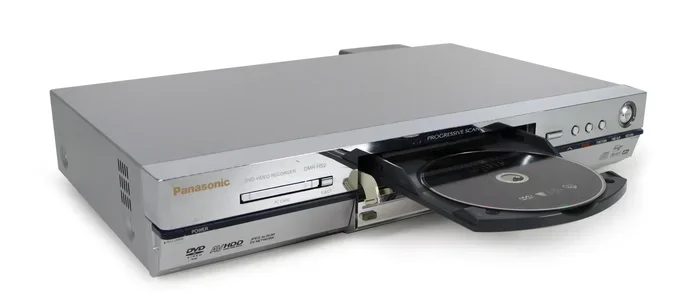
Do People Still Have Dvd Players And Why It Matters
Yes, people still own DVD players, and they matter more than you might think. Physical media offers reliable offline viewing, superior video quality, and true media ownership that streaming can’t match. Whether you’re a collector, a privacy-conscious viewer, or someone with limited internet, DVD players remain a valuable part of the home entertainment landscape.
Let’s talk about something that feels a bit old school but still matters: DVD players. You know, those flat, square machines that spin shiny discs and play movies? You might think they belong in a museum next to flip phones and cassette tapes. But here’s the surprise. People still have DVD players, and they use them more than you’d expect. In a world dominated by Netflix, Disney Plus, and every other streaming service under the sun, physical media is far from dead.
This article dives deep into the world of DVD players in 2024 and beyond. We will explore who still uses them, why they matter, and what the future looks like for disc-based media. Whether you are a collector, a tech skeptic, or just curious, you will find plenty of reasons to keep reading. Physical media has some real strengths that streaming simply cannot replicate.
The truth is, media consumption has changed dramatically over the past decade. But change does not always mean the old way disappears. Many people still value the tangible experience of owning a movie on a disc format. They appreciate the picture quality, the lack of ads, and the simple joy of popping a disc into a player. So do people still have DVD players? Absolutely. And there are some compelling reasons why.
Key Takeaways
- DVD players are still widely used: Millions of households around the world still own and actively use DVD players for movies, education, and entertainment.
- Physical media has unique advantages: DVD ownership means no subscriptions, no buffering, and no reliance on internet connectivity for offline viewing.
- Streaming is not perfect: Content disappears from platforms, internet speeds vary, and media ownership through streaming is an illusion for many users.
- DVD players are affordable: New and used DVD players cost very little, making them accessible for budget-conscious households.
- The future of physical media is niche but stable: While declining, the DVD market still serves a dedicated community of collectors and physical media enthusiasts.
- Old DVD players still work: Legacy hardware like DVD players often outlasts newer tech, making them reliable long-term media devices.
📑 Table of Contents
- The Current State Of DVD Players In 2024
- Why People Still Use DVD Players
- DVD Players Versus Streaming: The Great Debate
- The Future Of Physical Media And DVD Players
- Common Mistakes People Make With DVD Players
- Quick Tips For Getting The Most Out Of Your DVD Player
- Final Thoughts On DVD Players And Why They Still Matter
The Current State Of DVD Players In 2024
Are DVD Players Obsolete?
The word “obsolete” gets thrown around a lot when talking about DVD players. And yes, sales numbers have dropped significantly over the years. But calling them obsolete would be misleading. DVD players are still sold in stores, still manufactured, and still used by millions of people worldwide. The optical disc format may not be the hottest media format anymore, but it is far from gone.
Think about it this way. Vinyl records made a huge comeback even though they were replaced by CDs, then digital music, then streaming. DVD players follow a similar pattern. The market shrank, but it did not vanish. Many families, especially those in rural areas or developing countries, still rely on disc-based media as their primary way to watch movies and shows.
The home entertainment landscape has shifted, but it has not erased the need for physical media devices. DVD players still serve a purpose, and that purpose is worth understanding.
Who Still Buys DVD Players?
So who exactly is still buying and using DVD players? The answer might surprise you. It is not just older generations who prefer physical media. Here is a look at the main groups:
- Families with young children: Kids’ DVDs are a staple in many homes. DVD players in cars and bedrooms keep children entertained without needing Wi-Fi or subscriptions.
- Budget-conscious households: Not everyone can afford monthly streaming services. A one-time purchase of a DVD player and secondhand discs can be much cheaper over time.
- Collectors: There is a thriving community of people who collect movies on disc format. Special editions, director’s cuts, and limited releases drive this market.
- People in rural areas: Internet access can be unreliable or slow in rural locations. DVD players provide dependable entertainment without needing a strong connection.
- Privacy-aware individuals: Some people prefer not to tie their viewing habits to an account. Physical media offers a level of privacy that streaming simply cannot provide.
Why People Still Use DVD Players
The Ownership Advantage
One of the biggest reasons people still own DVD players is ownership. When you buy a DVD, you own that movie or show forever. You can watch it anytime, anywhere, as many times as you want. There are no licensing agreements, no content removals, and no surprise price hikes.
This is a huge deal in the age of streaming. How many times have you logged into a platform only to find that a movie you wanted to watch is no longer available? Media ownership through streaming is an illusion. You are essentially renting access, not the content itself. With a DVD player, what you buy is truly yours.
Compare this to digital books. Many people have noticed that books they “purchased” on Kindle or other platforms can sometimes be removed or restricted. This is why Do Kindle Books Stay Forever is a common concern. Physical media like DVDs gives you permanent control over your media collection.
Picture and Sound Quality
Here is something that surprises many people. A well-maintained DVD player can deliver excellent picture and sound quality. Modern DVD players use advanced upscaling technology to enhance the image on larger screens. While they cannot match the resolution of a 4K Blu-ray player, a good DVD player still produces a clean, crisp picture that looks great on most TVs.
The video quality of a DVD is consistent. There are no buffering issues, no compression artifacts from low bitrates, and no dependency on your internet speed. You put in the disc, press play, and the movie starts. That simplicity is something streaming has struggled to match.
Sound quality is another area where DVD players shine. Many DVDs support surround sound formats like Dolby Digital and DTS. A decent DVD player connected to a home theater system can deliver an immersive audio experience that rivals some streaming setups.
No Internet Required
This might be the most important advantage of DVD players. They work completely offline. No Wi-Fi, no internet plan, no monthly subscription. Just pop in a disc and watch.
This is a game-changer for many people. In areas with slow or unreliable internet, streaming can be a frustrating experience. Buffering, low resolution, and constant interruptions ruin the viewing experience. A DVD player eliminates all of these problems. It is a self-contained media device that does exactly what it is supposed to do.
Even for people with good internet, there is something satisfying about watching a movie without any ads, without logging in, and without worrying about whether the server is down. Offline viewing through physical media remains a reliable and enjoyable option.
DVD Players Versus Streaming: The Great Debate
Convenience and Accessibility
Let us be honest. Streaming wins on convenience. You can watch almost anything, anywhere, on almost any device. With just a few taps, you have access to thousands of titles. This ease of use is why streaming services have become so popular.
But convenience comes with trade-offs. When you stream, you are at the mercy of the platform. Content gets added and removed constantly. You need a fast and stable internet connection. You are tracked, profiled, and served ads based on your viewing habits.
A DVD player gives you control. You choose what to watch from your own collection. You do not need to worry about a title disappearing from a catalog. And you do not need to share your viewing data with anyone. Privacy is a major factor for many media consumers who prefer physical media over digital streaming.
Cost Comparison Over Time
At first glance, streaming seems cheaper. Most services cost between $5 and $20 per month. A DVD player can cost anywhere from $30 to $150. But the long-term picture tells a different story.
When you subscribe to multiple streaming services, the costs add up quickly. Many households now pay for three or more platforms. Over a year, that can easily exceed $200 or more. Meanwhile, a DVD player is a one-time purchase. And individual DVDs can often be bought for just a few dollars each.
Here is a simple cost comparison:
- DVD player: $30 to $150 one-time cost. Individual DVDs: $5 to $15 each.
- Streaming subscriptions: $10 to $20 per month per service. Three services = $360 to $720 per year.
- Combined approach: A DVD player for your favorites plus one or two streaming services for variety.
Over several years, owning DVDs and a DVD player can save you a significant amount of money compared to maintaining multiple streaming subscriptions.
Content Availability and Selection
Streaming services have massive libraries, but they do not have everything. Many older movies, obscure titles, and classic films are not available on any major platform. If a movie is not on the service you subscribe to, you cannot watch it without another subscription or a rental fee.
DVDs offer a much wider selection. You can find almost any movie ever released on disc format. Independent films, foreign language movies, and classic titles are all available as physical media. For movie enthusiasts who want variety, a DVD player opens up a world that streaming cannot match.
The Future Of Physical Media And DVD Players
Will DVD Players Disappear Completely?
The honest answer is: probably, eventually. But “eventually” could mean many years or even decades. DVD players have proven surprisingly resilient. Despite the rise of streaming and digital downloads, physical media has survived multiple predicted deaths.
Consider what happened to vinyl records. Experts said they were dead in the 1990s. Today, vinyl is one of the fastest-growing segments of the music industry. DVD players may follow a similar path. They may never regain their peak popularity, but they will likely maintain a steady niche audience for years to come.
The key factor is the internet. As long as there are areas with poor connectivity, there will be demand for offline media devices. And as long as people value media ownership over access, DVD players will have a place in the home entertainment market.
What About Blu-ray and 4K UHD?
While standard DVD players are declining, higher-quality disc formats like Blu-ray and 4K UHD are holding strong. These formats offer significantly better video quality than standard DVDs. Many home theater enthusiasts prefer Blu-ray for its superior picture and audio.
If you are considering getting into physical media, a Blu-ray player might be a better investment than a standard DVD player. It gives you more future-proofing and access to higher-quality content. However, DVD players still have their place, especially for casual viewing and everyday use.
What To Do With Old DVD Players
If you are upgrading your media setup or clearing out old electronics, you might wonder what to do with your old DVD player. Throwing it away is wasteful. Here are some better options:
- Sell or donate it: Someone else might still get great use out of your old DVD player. Secondhand stores, online marketplaces, and community groups are good places to pass it on.
- Keep it as a backup: Even if you mostly stream, having an old DVD player around is handy for times when the internet goes down or when you want to watch something without buffering.
- Check if the manufacturer takes it back: Some companies, like Apple, have take-back programs for old electronics. While Apple does not specifically take DVD players, Do Apple Take Back Old Macs to see what programs are available for your old tech.
- Repurpose it: Some people convert old DVD players into portable players or use them in DIY home entertainment projects.
The point is, old DVD players still have value. Do not just toss them in the trash. Find a new home for them or get creative with how you use them.
Common Mistakes People Make With DVD Players
Neglecting Disc Care
One of the biggest mistakes people make is not taking care of their DVDs. Scratches, fingerprints, and dust can all affect playback quality. Store your discs in their cases when not in use. Clean them gently with a soft cloth if they get dirty. Proper care can extend the life of your physical media collection for decades.
Buying Incompatible Formats
Not all DVD players play every type of disc. Some players only handle standard DVDs and cannot read Blu-rays. Others may not support certain region codes. Before you buy a DVD player, check what formats it supports. This simple step can save you a lot of frustration.
Ignoring Upgrading Options
Many modern DVD players come with extra features like USB ports, HDMI output, and even Wi-Fi connectivity. If you are buying a new DVD player, look for one that offers these extras. They can enhance your home entertainment setup and give you more flexibility in how you watch content.
Quick Tips For Getting The Most Out Of Your DVD Player
- Clean your discs regularly: A quick wipe with a microfiber cloth keeps playback smooth.
- Store discs properly: Always keep DVDs in their cases to prevent scratches and dust buildup.
- Check your connections: Use HDMI for the best picture quality. Older composite cables work but will not give you the same clarity.
- Update your player: Some modern DVD players receive firmware updates that improve compatibility and performance.
- Buy from reputable brands: Brands like Sony, Panasonic, and LG make reliable DVD players that last for years.
- Consider a combo player: A DVD and Blu-ray combo player gives you the best of both worlds without needing two separate machines.
Final Thoughts On DVD Players And Why They Still Matter
So do people still have DVD players? The answer is a clear and definitive yes. DVD players are not just relics of the past. They are still relevant, still useful, and still valued by millions of people around the world. Whether you care about media ownership, privacy, offline viewing, or simply the joy of owning a physical movie collection, DVD players offer something that streaming simply cannot.
The home entertainment landscape will continue to evolve. Streaming will likely become even more dominant. But physical media has a resilience that digital platforms lack. A DVD player is a reliable, affordable, and enjoyable way to watch your favorite movies and shows. It does not need an internet connection, it does not track your habits, and it does not disappear when a license expires.
If you are thinking about getting a DVD player or dusting off an old one, there has never been a better time. The media device market still supports these players, and the disc format library is vast and varied. DVD players matter because they give you choice, control, and ownership in an increasingly digital world. And in a time when so much of our entertainment is locked behind subscriptions and accounts, that choice matters more than ever.
Keep your DVD player plugged in. Keep your discs organized. And remember that sometimes the old way of doing things still has a lot to offer. Physical media is not dead. It is just waiting for the right person to appreciate it again.
Frequently Asked Questions
Do People Still Buy DVD Players Today?
Yes, people still buy DVD players today. While sales have declined compared to the early 2000s, DVD players are still manufactured and sold by major brands. They are especially popular among budget-conscious households, families, and people in areas with limited internet access.
Is It Worth Buying A DVD Player In 2024?
It can be worth it if you value media ownership, offline viewing, and a one-time purchase over recurring subscriptions. A DVD player is affordable and reliable, making it a solid choice for casual movie watchers and collectors alike.
Can You Still Find Movies On DVD?
Absolutely. You can find a wide selection of movies on DVD at retail stores, online marketplaces, and secondhand shops. The disc format offers a broader selection than most streaming services, especially for older and independent films.
How Long Do DVD Players Last?
A good quality DVD player can last 10 years or more with proper care. These are simple media devices with few moving parts, which makes them durable and long-lasting compared to many other electronics.
Are DVD Players Better Than Streaming For Privacy?
Yes, DVD players are better for privacy. When you watch a DVD, no account is required, no data is tracked, and no viewing history is stored. This makes physical media a strong choice for people who value their privacy and want to avoid the tracking that comes with streaming services.
What Is The Difference Between A DVD Player And A Blu-ray Player?
A Blu-ray player supports higher resolution discs (1080p or 4K) and offers better video quality than a standard DVD player. A DVD player handles standard DVDs and typically upscales the image for larger screens. Combo players that support both formats are also available.