Are Cd Discs Still Made and Do People Still Use Them
Yes, CD discs are still being made, and people still use them. While streaming dominates music and data storage, a dedicated group of collectors, audiophiles, and nostalgia lovers keeps the compact disc alive. Physical media offers superior audio quality, tangible ownership, and a connection that digital files simply cannot replicate.
Key Takeaways
- CDs Are Still Manufactured: Several companies around the world continue to produce new CD discs for music, software, and data storage.
- A Niche But Loyal Audience Exists: Audiophiles, collectors, and older generations remain strong supporters of the compact disc format.
- Audio Quality Matters: Many listeners believe CDs offer better sound than compressed streaming formats like MP3s and AAC.
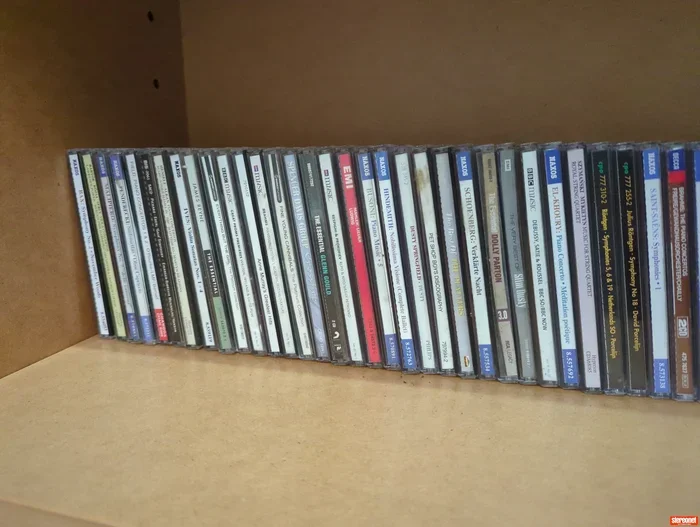
- The Used CD Market Thrives: Thrift stores, online marketplaces, and specialty shops keep secondhand CDs in circulation.
- Physical Media Has Emotional Value: Owning a CD provides a tangible connection to music that digital files lack.
- CD Manufacturing Is Not Going Away Soon: Demand from specific industries keeps disc production facilities running.
📑 Table of Contents
The Short History of CDs
The compact disc changed how we listen to music. Introduced in 1982, the CD quickly replaced vinyl records and cassette tapes. By the 1990s, nearly every household had a CD player. The format offered crystal-clear sound, no tape hiss, and no skipping.
CDs were revolutionary. They stored up to 700 megabytes of data. That was huge at the time. Music albums fit perfectly on a single disc. Software companies also adopted the format. The CD-ROM became a standard for computer software distribution. Even the way we think about owning music changed forever.
The format peaked in the early 2000s. Sales hit billions of dollars worldwide. Then, something shifted. Digital downloads arrived. Then came streaming. Slowly but surely, the compact disc started to fade from the mainstream spotlight.
Are Cd Discs Still Being Manufactured Today?
This is the big question. And the answer might surprise you. Yes, CD discs are still being made. Several manufacturing plants around the world continue producing new discs. The demand is smaller than it once was, but it is steady.
Companies like Sony and various smaller pressing plants still run production lines. They make CDs for independent artists, small labels, and specialty markets. Some manufacturers also produce discs for data storage and software distribution. The machines that stamp out optical discs have not all been scrapped.
Interestingly, the same technology revolution that gave us advanced tools in fields like medicine — where computers are used in medicine in ways that seem almost futuristic — also reshaped how we store and access music. The broader digital transformation affected every industry, yet physical media found a way to survive.
Why Are CDs Still Being Produced?
Several reasons keep CD disc manufacturing alive. First, there is a loyal customer base. People still want to buy physical copies of their favorite albums. Second, some artists release music exclusively on CD. Third, certain industries rely on optical media for archival purposes.
Here are the main reasons CDs are still made:
- Independent artists who sell physical copies at shows and online
- Collectors who value limited edition and special pressings
- Software companies that distribute products on disc
- Libraries and archives that store data on optical media
- Audiophiles who prefer uncompressed audio formats
Who Is Still Buying and Using CDs?
The people who buy CDs today are not random. They fall into specific groups. Understanding these groups helps explain why the format endures.
Audiophiles and Sound Quality Enthusiasts
Audiophiles swear by the CD audio format. They argue that a standard CD delivers uncompressed, lossless sound. Streaming services compress audio files to save bandwidth. This compression removes data. The result? A thinner, less detailed sound.
A CD plays at a constant bitrate of 1,411 kbps. Compare that to Spotify’s highest quality of 320 kbps. The difference is real. People who care about sound quality notice it. They appreciate the full richness of a compact disc.
Collectors and Nostalgia Lovers
Nostalgia drives a lot of CD purchases. People who grew up in the 1990s and early 2000s feel a deep connection to the format. Holding a CD, reading the liner notes, and placing it in a player brings back memories.
Collectors also seek out rare and out-of-print CDs. Limited edition releases with bonus tracks or unique artwork hold value. The used CD market is vibrant. Thrift stores, pawn shops, and online platforms like Discogs keep trade alive.
Older Generations
Older adults who grew up with CDs often stick with what they know. They may not be comfortable with streaming apps or digital downloads. A CD player is simple. Pop in the disc. Press play. No internet needed. No account required. This simplicity matters to many people.
Why Do People Still Prefer CDs Over Streaming?
The rise of streaming services like Spotify and Apple Music changed the game. Yet, CDs hold their ground. Why? Several factors come into play.
Ownership and Permanence
When you buy a CD, you own it. It sits on your shelf. It does not disappear if a service removes a song. It does not require an internet connection. A CD disc is yours forever. This permanence appeals to many buyers.
Streaming services can lose licenses. Albums get pulled without warning. A physical CD never has that problem. You can listen to it decades from now, no subscriptions needed.
Tangible Connection to Music
There is something magical about a physical album. You hold the case. You read the lyrics. You look at the artwork. You place the disc in the player. This ritual creates a deeper connection to the music.
Streaming reduces music to a list of songs on a screen. A CD turns music into an experience. Many listeners find this experience meaningful and irreplaceable.
No Internet Required
Not everyone has reliable internet. Rural areas, developing regions, and even urban spots with poor coverage still exist. A CD player works anywhere. No Wi-Fi. No data plan. No buffering. Just music.
This makes CDs practical for travel, outdoor events, and areas with limited connectivity. The format remains accessible in ways that streaming simply is not.
The Future of Physical Media and CD Discs
What does the future hold for CDs? The honest answer is uncertain. But there are reasons for optimism.
Vinyl’s Success Offers a Blueprint
Vinyl records have seen a remarkable comeback. Sales have grown every year for over a decade. Record labels took notice. They now press new vinyl for artists who would have never considered it ten years ago.
CDs could follow a similar path. If vinyl can thrive in the digital age, there is room for compact discs too. Both formats offer something streaming cannot. They provide physical ownership and a tactile experience.
Artists Embracing Physical Releases
More artists are releasing music on CD again. Some offer exclusive editions with bonus content. Others bundle CDs with merchandise. This strategy helps artists connect with fans in a more personal way.
Independent musicians especially benefit from physical releases. A CD sold at a concert or through a personal website can generate significant revenue. It also gives fans a keepsake they will treasure.
Technology Evolution Continues
Technology has transformed countless fields, much like how computers are used in medicine has transformed healthcare through digital imaging, electronic records, and AI diagnostics. Similarly, the evolution of digital computing in medicine shows that older technologies often find new purposes rather than disappearing entirely.
The same logic applies to CDs. The format may not dominate again. But it will likely continue to exist in niches where it serves a purpose. CD manufacturing will adapt to meet specific demands.
Environmental Considerations
Physical media has an environmental footprint. Manufacturing CDs requires polycarbonate plastic and metals. Shipping discs uses fuel and packaging. These are valid concerns.
However, CDs last a long time. A well-cared-for disc can play for decades. This longevity reduces the need for constant re-downloading or re-purchasing. It is a trade-off worth considering.
Quick Tip: If you still have a collection of CDs, store them in a cool, dry place away from direct sunlight. Keep them in their cases when not in use. Proper storage prevents disc rot and keeps your music sounding great for years.
Common Mistakes People Make With CDs
Even loyal CD users sometimes make mistakes that shorten the life of their discs. Here are a few to avoid.
Leaving CDs in the Car
Heat destroys CDs. A hot car in summer can warp a disc permanently. Always take your CDs inside after listening in the vehicle.
Touching the Playing Surface
Fingerprints and oils on the disc surface cause skipping and playback errors. Handle CDs by the edges and the center hole only.
Using Harsh Cleaners
Avoid household cleaners on CDs. Use a soft microfiber cloth and water. Wipe in straight lines from the center outward. Circular motions can create scratches that affect playback.
Ignoring Disc Rot
Disc rot is real. It happens when the reflective layer deteriorates. You may notice small spots or rings on the underside of the disc. Once rot sets in, the data is gone. Store discs properly to prevent this.
Key Takeaways
- CDs Are Still Manufactured: Several companies around the world continue to produce new CD discs for music, software, and data storage.
- A Niche But Loyal Audience Exists: Audiophiles, collectors, and older generations remain strong supporters of the compact disc format.
- Audio Quality Matters: Many listeners believe CDs offer better sound than compressed streaming formats like MP3s and AAC.
- The Used CD Market Thrives: Thrift stores, online marketplaces, and specialty shops keep secondhand CDs in circulation.
- Physical Media Has Emotional Value: Owning a CD provides a tangible connection to music that digital files lack.
- CD Manufacturing Is Not Going Away Soon: Demand from specific industries keeps disc production facilities running.
Frequently Asked Questions
Are CDs still being manufactured in 2024?
Yes, CD discs are still being manufactured. Several companies operate pressing plants that produce new CDs for music, data storage, and software. While production volumes are lower than in the 1990s and 2000s, the format has not disappeared.
Can you still buy brand new CDs in stores?
You can buy new CDs from certain retailers, online stores, and directly from artists. Major chain stores have reduced their music sections, but independent shops and online platforms still stock new releases. Many artists also sell CDs through their own websites.
Do CDs sound better than streaming?
Many audiophiles believe CDs sound better than most streaming services. A standard CD delivers uncompressed audio at 1,411 kbps. Streaming services compress audio to save data, which can reduce sound quality. However, some streaming platforms now offer lossless options that close this gap.
Why do people still collect CDs?
People collect CDs for many reasons. Nostalgia plays a big role. Collectors also value the tangible ownership, the album artwork, and the bonus content that physical releases offer. For many, a CD collection is a personal library of music they truly own.
Are CDs more durable than vinyl records?
CDs and vinyl each have their own durability profile. CDs are less fragile than vinyl and do not wear out from needle contact. However, CDs can suffer from disc rot if stored improperly. Vinyl can last decades if handled carefully but is more sensitive to heat and dust.
Will CDs ever come back as a mainstream format?
A full mainstream comeback is unlikely. Streaming is too convenient and too widespread. However, CDs will probably continue to grow in niche markets. Independent artists, collectors, and audio enthusiasts will keep the format alive for years to come.
=== CONCLUSION ===
The answer to the question “Are Cd Discs Still Made” is a clear yes. CD discs are still manufactured, still sold, and still used by millions of people around the world. The format has shifted from mainstream dominance to a cherished niche. But it is far from dead.
People buy CDs for many reasons. Sound quality matters. Ownership matters. The emotional connection to physical media matters. As long as these needs exist, the compact disc will have a place in our world.
The broader story of physical media mirrors what we see across technology. Just as computers are used in medicine has evolved without making older tools obsolete, the digital age has not erased the value of physical formats. CDs may not rule the airwaves anymore. But they remain a beloved, functional, and meaningful way to experience music.
If you have a collection of CDs, keep them safe and enjoy them. If you have never tried listening to a compact disc, give it a chance. You might be surprised by what you discover. Physical media has a charm that no playlist algorithm can replicate.