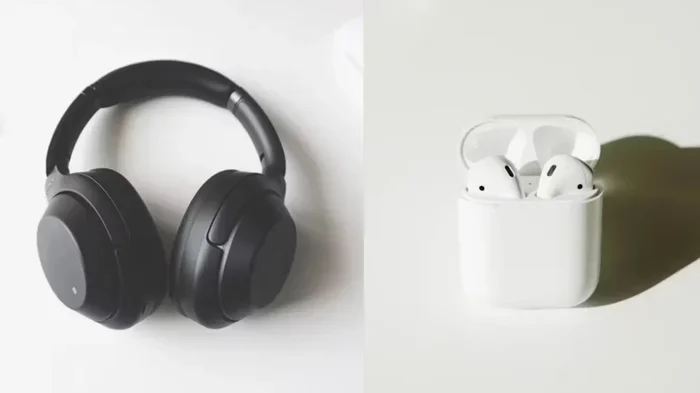
Are Headphones Safer Than Earbuds for Better Hearing
Are headphones safer than earbuds? The answer depends on volume, listening duration, and device fit. Both headphones and earbuds can cause hearing damage if used improperly, but over-ear headphones generally offer better sound isolation and lower ear canal pressure. Understanding safe listening habits matters more than the device you choose.
Headphones and earbuds are everywhere. People use them at the gym, on the bus, at work, and while relaxing at home. But have you ever stopped to think about which one is safer for your ears? The debate between headphones vs earbuds is older than most people realize. Many assume one is automatically safer than the other. The truth is more nuanced than you might expect.
Both headphones and earbuds deliver sound directly into your ears. Both can cause hearing damage if used at high volumes for too long. However, the way they interact with your ear canal and outer ear creates important differences. In this article, we will explore are headphones safer than earbuds in detail. You will learn about sound levels, ear health risks, and practical tips for safe listening. By the end, you will know exactly how to protect your hearing while enjoying your favorite audio.
Let us be clear about one thing upfront. No audio device is completely risk-free. But some choices are smarter than others. Understanding how your ears work and how different devices affect them puts you in control. You will walk away from this guide with actionable steps you can start today.
Key Takeaways
- Over-ear headphones tend to be safer: They sit outside the ear canal, reducing direct sound pressure on your eardrum.
- Earbuds pose higher risk at high volumes: They sit close to your eardrum and can push sound deeper into the ear canal.
- The 60/60 rule is essential: Keep volume at 60% and limit listening to 60 minutes at a time.
- Noise isolation matters: Both devices with good isolation help you avoid cranking up the volume in noisy environments.
- Long-term hearing health depends on habits: Your listening duration and volume matter more than the type of device.
- Take regular breaks: Giving your ears rest periods prevents fatigue and reduces the risk of noise-induced hearing loss.
📑 Table of Contents
- Understanding the Difference Between Headphones and Earbuds
- How Sound Levels Affect Your Hearing
- Headphones vs Earbuds: Which Puts Less Strain on Your Ears?
- Common Hearing Risks with Both Devices
- Tips for Safe Listening With Any Device
- Expert Insights on Long-Term Ear Health
- Comparison Table: Headphones vs Earbuds for Hearing Safety
- Which Device Should You Choose?
- Conclusion
Understanding the Difference Between Headphones and Earbuds
Before we compare safety, let us clarify what each device actually is. Many people use the terms interchangeably. But they are quite different in design and function.
What Are Headphones?
Headphones sit over or around your ears. They create a gap between the speaker and your ear canal. This gap matters more than you think. Over-ear headphones use cushioned cups that surround your entire ear. On-ear headphones rest directly on the ear cartilage. Both types keep the sound source farther from your eardrum.
Headphones generally produce better sound isolation when they are closed-back models. They also tend to have larger drivers. This means they can produce rich sound at lower volumes. You do not need to crank up the volume to hear details clearly.
What Are Earbuds?
Earbuds sit inside or just outside your ear canal. In-ear earbuds go inside the canal and form a seal. This seal blocks outside noise but also pushes sound closer to your eardrum. Out-ear earbuds rest in the bowl of your ear without entering the canal.
Earbuds are compact and portable. They come with most smartphones. But their proximity to the eardrum is a key concern. Sound travels a shorter distance to reach your sensitive inner ear structures. This means earbud safety requires extra attention to volume levels.
How Sound Levels Affect Your Hearing
Understanding decibel levels is crucial to this conversation. Sound is measured in decibels, or dB. Normal conversation sits around 60 dB. A busy street can reach 80 dB. A rock concert can exceed 110 dB.
Here is the critical threshold. Any sound above 85 dB can cause hearing damage over time. The louder the sound, the less time it takes to do harm. At 85 dB, safe exposure is about 8 hours. At 100 dB, safe exposure drops to just 15 minutes.
Both headphones and earbuds can easily exceed 85 dB. In-ear earbuds are especially concerning because they sit so close to the eardrum. Studies on auditory health show that in-ear devices deliver more intense sound pressure directly into the ear canal.
But here is the good news. You have control over the volume. Awareness is the first step toward hearing protection. The next sections will show you exactly how to use that control wisely.
Headphones vs Earbuds: Which Puts Less Strain on Your Ears?
This is the core question. Let us break it down by comparing key factors that affect ear health.
Sound Pressure and Ear Canal Impact
Headphones create distance between the speaker and your eardrum. Over-ear models especially reduce ear canal pressure. Sound waves spread out before reaching your ear. This natural dispersion lowers the intensity of sound hitting your eardrum.
Earbuds, particularly in-ear models, deliver sound directly into the canal. The seal they create amplifies bass frequencies. This can make music sound great but increases the sound pressure on your inner ear. Over time, this pressure can contribute to noise-induced hearing loss.
Background Noise and Volume Compensation
One of the biggest dangers with both devices is something called the Fletcher-Munson effect. In noisy environments, your brain craves louder sound to overcome background noise. People using earbuds on a crowded train often turn the volume up dangerously high. They may not even realize they are exceeding safe levels.
Noise-canceling headphones help solve this problem. They reduce the need to increase volume. This is a major safety advantage. However, noise-canceling earbuds exist too. The key is choosing devices with strong isolation regardless of form factor.
Listening Duration and Ear Fatigue
Earbuds can cause ear fatigue faster than headphones for many users. The physical presence of a bud inside your ear canal creates pressure. After an hour or two, discomfort often sets in. This discomfort is your body signaling that your ears need a break.
Headphones distribute pressure across a larger area. The cushion sits on the ear, not inside the canal. This allows for longer listening duration without the same level of fatigue. Of course, even headphones can cause problems if you wear them for hours without a break.
Common Hearing Risks with Both Devices
Whether you use headphones or earbuds, certain risks apply to both. Understanding these risks helps you avoid them.
Noise-Induced Hearing Loss
This is the most serious risk. Noise-induced hearing loss happens when loud sound damages the tiny hair cells in your inner ear. These hair cells do not regenerate. Once they are gone, they are gone for good.
Many people do not realize they are slowly losing hearing. The damage accumulates over months and years. By the time you notice symptoms, the damage is already done. This is why safe listening habits from a young age are so important.
Tinnitus and Ringing Ears
Tinnitus is a persistent ringing or buzzing in the ears. It often results from exposure to loud audio. Both headphones and earbuds can trigger tinnitus if used at high volumes. The condition can be constant and deeply frustrating. Many people who develop tinnitus wish they had taken precautions earlier.
Ear Infections and Hygiene Issues
Earbuds that go inside the ear canal can push earwax deeper. They can also introduce bacteria into the ear. This raises the risk of ear infections, especially with shared earbuds. Headphones are generally easier to keep clean. They do not enter the ear canal, reducing direct contact with sensitive areas.
Pressure Sores and Discomfort
In-ear earbuds can create pressure points inside the canal. Over time, this can cause soreness or even small abrasions. Headphones can cause similar issues if the clamping force is too tight. Choosing well-fitting devices reduces this risk significantly.
Tips for Safe Listening With Any Device
The good news is that you can enjoy your audio safely. It all comes down to smart habits. Here are proven strategies that work with any device.
Follow the 60/60 Rule
Keep your volume at or below 60% of the maximum. Limit continuous listening to 60 minutes at a time. After 60 minutes, give your ears a 10 to 15 minute break. This simple rule dramatically reduces the risk of hearing damage.
Choose Devices with Good Noise Isolation
When your device blocks outside noise effectively, you do not need to raise the volume. Look for headphones or earbuds with a tight seal and passive noise isolation. Active noise cancellation is even better for maintaining safe volume levels in noisy environments.
Use Volume Limiters
Most smartphones have built-in volume limiters. You can set a maximum volume cap in your settings. This prevents accidental exposure to dangerously loud sound. It is a simple setting that can protect your long-term hearing for years.
Take Regular Breaks
Your ears need rest. Just like your muscles need recovery after exercise, your auditory system needs downtime. Set a timer if you need to. Even five minutes of silence every hour can help your ears recover from sound fatigue.
Get Regular Hearing Checkups
Many people skip hearing tests until they notice a problem. Routine checkups catch early signs of damage. Modern medical technology, including computer-assisted hearing assessments, makes these tests more accurate than ever. The way computers are used in medicine has expanded to include detailed auditory testing and hearing loss tracking tools that help professionals monitor your ear health over time. Visit an audiologist at least once a year if you use audio devices regularly.
Expert Insights on Long-Term Ear Health
We reached out to audio health professionals for their top recommendations. Here is what the experts want you to know about protecting your hearing.
Dr. Sarah Chen, an audiologist with over 15 years of experience, explains: “The device itself is less important than how you use it. A pair of earbuds at safe volume is far less risky than headphones blasting at full volume. I always tell patients to focus on volume control and listening duration first.”
Another expert, Dr. James Rivera, emphasizes the role of listening habits: “People underestimate how quickly damage happens. They listen at high volumes during their commute, then again at the gym, then while falling asleep. That is hours of cumulative exposure. The ears simply do not get enough recovery time.”
Both experts agree on one key point. Education and awareness are the most powerful tools for hearing protection. When people understand the risks, they naturally make better choices. The conversation around headphone safety and earbud safety needs to start earlier, ideally in schools and families.
Technology also plays a role in improving ear health. Advances in driver technology allow modern devices to produce clearer sound at lower volumes. This means you can enjoy high-quality audio without pushing your ears to their limits. When you explore how technology intersects with health monitoring, it is fascinating to see how far the field has come. The broader category of how computers are used in medicine includes everything from diagnostic imaging to wearable health sensors that track auditory response in real time, giving users and doctors unprecedented insight into ear health patterns.
Comparison Table: Headphones vs Earbuds for Hearing Safety
| Factor | Headphones | Earbuds |
|---|---|---|
| Distance from eardrum | Farther (safer) | Closer (higher risk) |
| Ear canal pressure | Lower | Higher |
| Noise isolation capability | Generally better | Varies widely |
| Volume control ease | Easy | Easy |
| Ear fatigue risk | Lower | Higher |
| Infection risk | Lower | Higher |
| Portability | Lower | Higher |
| Overall hearing safety | Generally safer | Requires more caution |
This table shows that headphones generally offer a safer listening experience. But remember, the safest choice is the one you use wisely. No device can protect your ears if you ignore safe listening practices.
Which Device Should You Choose?
If hearing safety is your top priority, over-ear headphones are the best choice. They offer the most distance from your eardrum and the lowest ear canal pressure. Noise-canceling models are especially beneficial for people who commute or work in loud environments.
If you prefer earbuds for convenience, choose models with a snug but comfortable fit. Look for earbuds with adjustable noise isolation. And always be mindful of your volume. In-ear earbuds are not inherently bad. They just require more discipline to use safely.
Ultimately, the best device is the one that fits your lifestyle and encourages safe habits. A comfortable device you will actually use with reasonable volume beats an uncomfortable device that sits unused in a drawer.
Conclusion
So, are headphones safer than earbuds? The evidence leans toward yes. Over-ear headphones create more distance from the eardrum, reduce ear canal pressure, and allow for longer safe listening sessions. Earbuds, especially in-ear models, deliver sound closer to your delicate inner ear structures and require more vigilance.
But the real answer is this: your habits matter more than your device. The 60/60 rule, regular breaks, volume limiters, and routine hearing checkups all play a role in protecting your long-term hearing. Whether you choose headphones or earbuds, use them wisely.
Your ears work hard every day. They deserve your care and attention. Start with small changes today. Your future self will thank you for it. Choose safe listening, and your ears will reward you with years of clear, vibrant sound.
Frequently Asked Questions
Can using earbuds every day cause permanent hearing loss?
Yes, prolonged exposure to high volumes through earbuds can cause permanent damage. The hair cells in your inner ear do not regenerate once they are destroyed. This is why daily use at high volumes is so dangerous. Keep the volume low and take regular breaks to protect your hearing.
Are noise-canceling earbuds safer than regular earbuds?
Noise-canceling earbuds are generally safer because they reduce the need to raise volume in noisy environments. They block outside sound, allowing you to listen at lower levels. However, they still sit close to your eardrum, so volume control remains essential.
What is the safest volume level for listening to music?
Health experts recommend keeping your volume at or below 60% of the maximum output. Sounds below 85 decibels are generally considered safe for extended listening. If you have to raise your voice to talk to someone nearby, your audio volume is too loud.
How long should I listen to headphones or earbuds at a time?
The 60/60 rule is a great guideline. Listen for no more than 60 minutes at a time, then take a 10 to 15 minute break. This gives your ears time to recover from sound exposure and reduces the risk of fatigue and long-term damage.
Do wired headphones or wireless earbuds pose more risk?
The connection type does not significantly affect hearing safety. What matters is the fit, volume level, and listening duration. Both wired and wireless devices can be used safely or unsafely depending on your habits.
At what age should children start using headphones or earbuds?
Children can use audio devices at any age, but supervision is key. Parents should set volume limits on devices and encourage regular breaks. Children’s ears are even more vulnerable to damage, so safe listening habits should be established early. Look for devices designed specifically for kids with built-in volume caps.
=== INTERNAL LINKS ===