Are Overhead Projectors Still Used in Modern Classrooms
Overhead projectors may seem like outdated technology, but they are still used in some modern classrooms today. While most schools have moved to digital projectors and smart boards, a number of teachers and institutions keep these classic tools for their simplicity and reliability. This article explores why overhead projectors are still around, where they are used, and what modern tools have taken their place.
If you walk into a classroom today, you might be surprised to see an overhead projector sitting on the desk. These devices were once the centerpiece of every learning environment. They helped teachers display diagrams, show videos, and present lessons to entire rooms full of students. But as technology has advanced rapidly, many people assumed these tools would disappear completely.
The truth is more nuanced than you might think. While it is true that most schools have upgraded their classroom technology, overhead projectors are far from extinct. They still serve a purpose in many educational settings around the world. Understanding why requires a closer look at their history, their strengths, and the changing landscape of teaching tools.
Key Takeaways
- Overhead projectors are still in use: Despite being considered outdated, many schools and teachers still rely on them daily.
- Modern tools have largely replaced them: Digital projectors, smart boards, and document cameras now dominate most classroom setups.
- Simplicity is a major advantage: Teachers value overhead projectors because they are easy to use and require no software or connectivity.
- Budget plays a big role: Underfunded schools and older buildings often keep legacy equipment because they cannot afford upgrades.
- Transparency sheets offer unique benefits: Writing on a clear sheet feels natural and allows for spontaneous lesson changes.
- The future is uncertain: As technology continues to evolve, even the remaining overhead projectors may eventually be phased out.
📑 Table of Contents
The Rise and Fall of the Overhead Projector
How They Once Dominated Classrooms
For decades, the overhead projector was the go-to teaching tool in schools everywhere. Teachers loved them because they were simple to operate and required minimal training. You just placed a transparency sheet on the glass, turned on the light, and the image appeared on the projection screen. It was straightforward and reliable.
Schools invested heavily in this instructional media during the 1960s and 1970s. Every classroom had at least one unit mounted on a wheeled stand. Teachers used them for everything from math lessons to science demonstrations. The overhead projector became a symbol of modern education during that era. It was a key part of the classroom setup in nearly every school building.
The devices were especially popular because they supported a wide range of teaching methods. Teachers could pre-write notes on transparency sheets and display them during lectures. They could also draw diagrams in real time, making lessons more dynamic. Students could follow along easily, and the large projection screen ensured everyone in the room could see the content clearly.
Why Schools Started Moving Away
The decline began in the late 1990s and early 2000s. Schools started adopting new educational technology that offered more flexibility and interactivity. Digital projectors replaced the old bulbs and transparency sheets with computer-connected displays. Teachers could now show videos, access the internet, and run presentation software directly from their laptops.
Budget constraints also played a role. School districts had to decide where to allocate their school budget. Upgrading to new classroom technology often meant letting go of older equipment. The overhead projector lamp, which needed frequent replacement, added to maintenance costs. Over time, fewer schools chose to repair or replace aging units.
Another factor was the shift toward more interactive teaching methods. Educators began moving away from one-way presentations and toward collaborative learning. New tools supported student participation in ways that a simple projection screen could not. This shift accelerated the decline of overhead projectors in most schools.
Interestingly, the pattern of technology replacement is not unique to education. For example, in the medical field, computers are used in medicine for everything from patient records to surgical guidance, replacing older tools in the same way that digital projectors replaced overhead units. You can read more about this trend in 10 Ways Computers Are Used In Medicine.
What Replaced Overhead Projectors?
Digital Projectors and Smart Boards
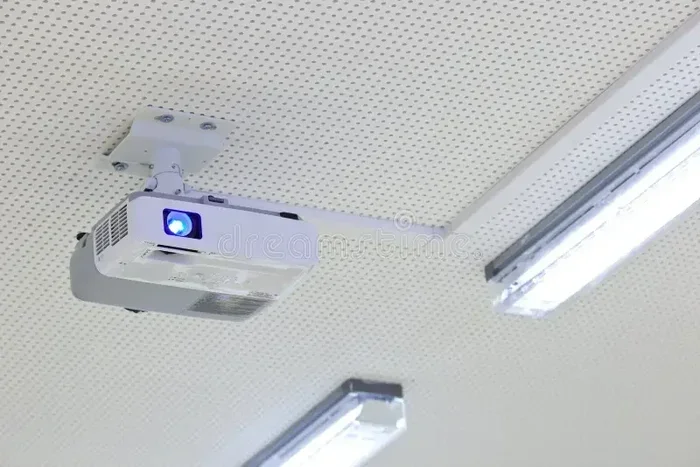
The most common replacement for overhead projectors has been the digital projector and smart boards. These devices connect directly to computers and offer a much wider range of capabilities. Teachers can display slides, annotate in real time, and even pull up online resources during a lesson.
Smart boards take things a step further. They allow students to interact directly with the content on the screen. This creates a more engaging learning experience compared to static images on a transparency sheet. Many schools now consider smart boards essential in their classroom setup. The ability to save and share notes digitally has also made them a favorite among educators.
Digital projectors also support a wider range of media formats. Teachers can show high-resolution images, play educational videos, and display interactive quizzes. This versatility has made them the standard in most modern classrooms. The projector lamp in digital models is more energy-efficient and lasts longer than the old overhead bulbs.
Document Cameras and Interactive Displays
Document cameras have become another popular alternative. These devices let teachers place physical objects under a lens and display them on a screen. This bridges the gap between traditional teaching and modern technology. A teacher can show a rock sample, a handwritten diagram, or a book page without needing to create a special transparency.
Interactive displays and tablets have also gained ground. These tools allow for collaborative learning and hands-on engagement. Students can work together on problems, and teachers can share their work instantly with the entire class. The shift toward these tools has made the traditional overhead projector less common, but not entirely obsolete.
Tablets and laptops have further changed the classroom dynamic. Students can now access learning materials directly on their own devices. This personalized approach to education has reduced the need for a single projection source at the front of the room. Teachers can now share content individually with each student.
Are Overhead Projectors Still Used Today?
Where You Can Still Find Them
Despite the widespread adoption of modern classroom technology, overhead projectors are still in use. You can find them in older school buildings that have not undergone major technology upgrades. Rural schools and underfunded districts sometimes rely on legacy equipment simply because they cannot afford replacements.
Some universities and training centers also keep overhead projectors in their lecture halls. These institutions value the simplicity and durability of the devices. In certain developing countries, overhead projectors remain a primary tool for instruction due to limited access to newer technology. The devices are easy to maintain and do not require internet connectivity.
Training facilities and corporate learning environments also use them. Some professional development programs prefer the straightforward nature of overhead projectors. The lack of technical complexity makes them ideal for settings where the focus should be on the content, not the equipment. This is a reminder that technology upgrades do not always mean the old tools lose all value.
In the medical field, similar patterns exist with technology adoption. Just as some hospitals still use older diagnostic equipment alongside new tools, some classrooms still rely on overhead projectors. You can explore how computers are used in medicine alongside older equipment in 10 Ways Computers Are Used In Medicine.
Why Some Teachers Still Prefer Them
Many veteran teachers have a strong attachment to overhead projectors. They are familiar with the workflow and find them easy to use. There is no software to update, no connectivity issues, and no complex setup required. For some educators, this reliability is exactly what they need in a busy classroom.
Teachers also appreciate the tactile nature of using transparency sheets. Writing directly on a clear sheet with a marker feels natural and immediate. It allows for spontaneous lesson adjustments without needing to open a laptop or switch between applications. This hands-on approach can make teaching feel more personal and direct.
Another reason is the simplicity of the visual aids. A hand-drawn diagram on a transparency sheet can be just as effective as a polished digital presentation. Some teachers find that students pay more attention to a live, handwritten lesson than to a pre-made slideshow. The personal touch of an overhead projector can create a warmer, more intimate learning atmosphere.
There is also a nostalgia factor at play. Many teachers who trained during the era of overhead projectors feel comfortable with them. They have spent years building lesson plans around transparency sheets and projection screens. Switching to entirely new tools would require a significant investment of time and effort.
The Pros and Cons of Overhead Projectors vs Modern Tools
Advantages of Overhead Projectors
Overhead projectors offer several benefits that modern tools do not always match. They are durable and built to last for many years. A well-maintained unit can function reliably for decades with minimal repairs. The projector lamp in older models is simple to replace and widely available at low cost.
They do not require electricity beyond the basic light bulb, making them useful in areas with unreliable power. Teachers do not need extensive training to operate them. The visual aids created on transparency sheets can be prepared in advance or written on the spot. This flexibility is a major advantage for many educators.
Overhead projectors also produce less eye strain than some digital projectors. The light they emit is softer and more diffused. This can be important during long lectures or lessons. The simplicity of the device means there are fewer things that can go wrong during a class.
Advantages of Modern Classroom Technology
Digital projectors and smart boards offer far more functionality. They support multimedia content, including videos, animations, and interactive quizzes. Teachers can access a wealth of resources online and display them instantly. Presentation software allows for polished, professional-looking lessons that capture student attention.
Modern tools also support remote learning and hybrid classroom models. During the pandemic, schools that had upgraded their technology were better equipped to continue instruction. Students could participate from home and still see the content on their screens. This adaptability has become increasingly important in today’s educational landscape.
The ability to save and reuse digital content is another major advantage. Teachers do not need to recreate transparency sheets every time they teach a lesson. They can store digital files and access them whenever needed. This saves time and ensures consistency across different classes and academic years.
Comparison: Overhead Projectors vs Modern Tools
- Cost: Overhead projectors are cheaper to buy but may cost more in maintenance over time. Digital projectors have a higher upfront cost but lower long-term maintenance.
- Ease of Use: Overhead projectors require no training or software knowledge. Digital tools require some technical familiarity and setup time.
- Versatility: Modern tools support video, audio, and interactive content. Overhead projectors are limited to static images and handwritten notes.
- Durability: Overhead projectors are built to last for decades. Digital projectors have a shorter lifespan due to electronic components.
- Engagement: Smart boards and interactive displays offer higher student engagement. Overhead projectors provide a simpler, more focused learning experience.
- Accessibility: Overhead projectors work without internet or software. Modern tools depend on connectivity and updated programs.
Should Schools Keep Their Overhead Projectors?
This is a question that school administrators and educators continue to debate. On one hand, keeping old equipment saves money in the short term. On the other hand, relying on outdated tools may limit the quality of instruction. Schools must weigh the practical benefits against the need to prepare students for a technology-driven world.
One approach is to keep overhead projectors as backup tools. They can serve as a reliable fallback when digital equipment fails. This hybrid setup ensures that lessons are never interrupted by technical problems. It also gives teachers the flexibility to choose the best tool for each lesson.
Another consideration is the environmental impact. Disposing of old equipment contributes to electronic waste. Keeping overhead projectors in use for as long as possible is a more sustainable choice. It reduces waste and extends the useful life of existing resources.
Technology upgrades will continue to shape the future of education. Schools that invest in modern tools now are better positioned to adapt to new teaching methods. However, there is still value in preserving tools that work well and serve a specific purpose. The key is finding the right balance between innovation and practicality.
As technology continues to evolve across all fields, the pattern of old and new tools coexisting remains consistent. In medicine, computers are used in medicine alongside traditional instruments, showing that older tools still have a place even as newer ones emerge. This same principle applies to classrooms where overhead projectors still hold value alongside modern digital tools. You can learn more about this balance in 10 Ways Computers Are Used In Medicine.
The Future of Classroom Projection Technology
Looking ahead, the role of projection technology in classrooms will continue to evolve. New innovations like augmented reality and interactive projection surfaces are already emerging. These tools promise to combine the simplicity of traditional projection with the power of digital interactivity.
It is possible that overhead projectors will eventually become true museum pieces. But that day is likely far off. For now, they remain a practical and reliable option in many educational settings. Teachers who know how to use them effectively can still deliver excellent lessons with this classic tool.
The most important thing is that educators focus on the learning experience, not the equipment. Whether a teacher uses an overhead projector or a smart board, the goal is the same: to help students understand and engage with the material. The best technology is the one that serves the lesson, not the other way around.
Schools should also consider the needs of their specific communities. A rural school with limited internet access may benefit more from keeping overhead projectors than from investing in expensive digital tools. Understanding the unique challenges of each classroom helps administrators make better decisions about technology upgrades.
In the end, the story of the overhead projector is a story about adaptation. These devices were once the cutting edge of classroom technology. They have since been surpassed by newer tools. But they have not disappeared. They continue to serve teachers and students in meaningful ways. This resilience is a testament to their design and the enduring value of simple, effective teaching tools.
Frequently Asked Questions
Are overhead projectors completely obsolete?
No, overhead projectors are not completely obsolete. While most schools have adopted digital tools, many classrooms still use overhead projectors. They remain in use in older buildings, rural schools, and some training centers. Their simplicity and reliability keep them relevant in certain settings.
Why do some teachers still prefer overhead projectors?
Some teachers prefer overhead projectors because they are simple to use and require no software or internet connection. They allow for spontaneous lesson adjustments and feel more personal than digital presentations. Veteran teachers who have used them for years are especially comfortable with this familiar tool.
What are the main disadvantages of overhead projectors?
The main disadvantages include limited functionality compared to digital tools and the need to replace projector lamps regularly. They cannot display videos or interactive content. They also require physical transparency sheets, which can be costly over time. These limitations make them less suitable for modern, tech-driven lessons.
Can overhead projectors be used for remote learning?
Overhead projectors are not ideal for remote learning because they are designed for in-person use. They require a physical projection screen and a classroom setting. However, some teachers use document cameras connected to digital projectors to bridge the gap between traditional and remote instruction methods.
How much does it cost to maintain an overhead projector?
Maintenance costs are generally low. The main expense is replacing the projector lamp, which is affordable and widely available. There are no software subscriptions or internet fees. Overall, overhead projectors are one of the most cost-effective classroom tools, especially for schools with tight budgets.
Will overhead projectors ever make a full comeback in schools?
A full comeback is unlikely, but overhead projectors will probably remain a niche tool for years to come. Their durability and simplicity give them a lasting appeal. Some schools may keep them as backup devices or use them in specific teaching situations where digital tools are not practical.
=== CONCLUSION ===
The question of whether overhead projectors are still used in modern classrooms does not have a simple yes or no answer. The truth is that these devices are still present in many schools, even if they are no longer the primary teaching tool. They serve a purpose, and many teachers value their simplicity and reliability.
Overhead projectors have survived the test of time for good reason. They are durable, easy to use, and effective. While digital projectors, smart boards, and interactive displays have taken over most classrooms, the overhead projector has not vanished. It remains a quiet but steady presence in education.
As technology continues to advance, the role of all classroom tools will keep evolving. The key is to use the right tool for the right situation. Whether that is a high-tech smart board or a classic overhead projector, the goal is always the same: to support great teaching and meaningful learning.