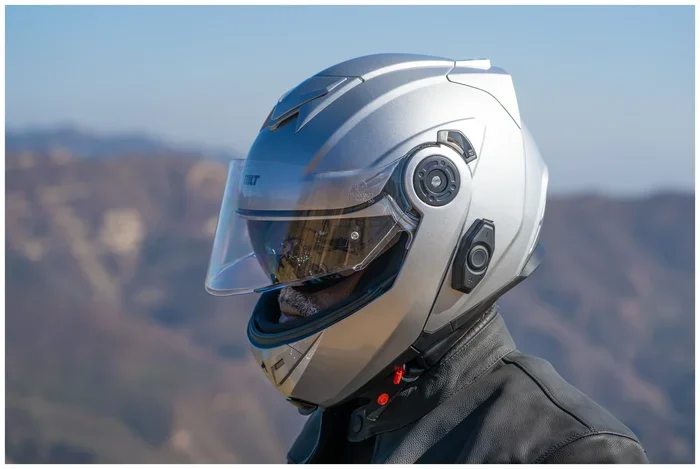
Can You Add Bluetooth To Any Helmet And Have Fun Today
Yes, you can add Bluetooth to almost any helmet. Whether you ride a motorcycle, bike, or scooter, a Bluetooth helmet kit can turn your ordinary headgear into a smart, connected experience. You will learn how these kits work, which types fit best, and the simple steps to install them yourself. Adding Bluetooth to your helmet opens up music, calls, and GPS navigation on the go. Keep reading to find the perfect setup for your ride.
Have you ever been on a ride and wished you could stream your favorite music right through your helmet? Or maybe you wanted to take a call without pulling over? The good news is that you can add Bluetooth to any helmet and turn your ordinary headgear into something truly special. This simple upgrade opens up a whole new world of entertainment, safety, and convenience on every ride.
Adding Bluetooth to a helmet is not just a cool trick. It is a practical upgrade that riders of all ages and skill levels can enjoy. Whether you cruise on a motorcycle, pedal a bicycle, or zip around on a scooter, a bluetooth helmet kit can transform your experience. In this guide, we will walk you through everything you need to know. From choosing the right kit to installing it yourself, you will find clear, simple steps that anyone can follow.
Let us be real for a moment. Not all helmet Bluetooth setups are created equal. Some kits are cheap and sound terrible. Others deliver rich, clear audio that makes your rides feel like a private concert. The difference comes down to knowing what to look for and how to install things correctly. That is exactly what this article will help you with.
By the time you finish reading, you will know whether can you add Bluetooth to any helmet is a yes or a no for your specific setup. You will also understand the different types of kits available, the pros and cons of each, and the step-by-step process for installation. Let us dive in and get you set up for a more connected ride.
Key Takeaways
- Universal Compatibility: Most Bluetooth kits work with virtually any helmet style, from full-face to open-face designs.
- Easy Installation: You can add Bluetooth to your helmet in under 30 minutes with basic tools and no special skills.
- Multiple Kit Types: Universal kits, built-in systems, and adhesive speakers each offer different benefits for different riders.
- Safety First: Always choose kits that allow you to stay aware of traffic and ambient sounds while riding.
- Cost-Effective Upgrade: A Bluetooth helmet kit costs far less than buying a brand-new smart helmet.
- Fun Factor: Wireless audio and hands-free calls make every ride more enjoyable and connected.
📑 Table of Contents
- Can You Add Bluetooth To Any Helmet And What Does It Mean
- Types of Bluetooth Helmet Kits Available
- How to Add Bluetooth to Your Helmet Step by Step
- Benefits of Adding Bluetooth to Your Helmet
- Common Mistakes to Avoid When Adding Bluetooth to Your Helmet
- Expert Insights on Bluetooth Helmet Upgrades
- Comparison: Top Bluetooth Helmet Kit Options
- How to Maintain Your Bluetooth Helmet Setup
- Frequently Asked Questions
- Conclusion
Can You Add Bluetooth To Any Helmet And What Does It Mean
The short answer is yes. Can you add Bluetooth to any helmet? In most cases, absolutely. A Bluetooth helmet kit is a device that connects wirelessly to your phone or music player and sends audio directly to speakers inside or attached to your helmet. This means you can listen to music, take calls, hear GPS directions, and talk to fellow riders without lifting a finger.
But here is the thing. Not every helmet is the same, and not every kit fits every helmet perfectly. A full-face motorcycle helmet has a very different structure than a half-shell bike helmet or a skate-style lid. The good news is that manufacturers have designed kits to work with a wide range of shapes and sizes. You just need to pick the right one for your helmet type.
What Exactly Is a Bluetooth Helmet Kit
A helmet Bluetooth kit is a small electronic device that contains a Bluetooth chip, a battery, speakers, and a microphone. It connects to your phone or audio device the same way your wireless earbuds do. The kit then plays audio through small speakers placed inside the helmet lining. Some kits come with built-in speakers that stick to the inside of the helmet, while others require you to remove parts of the lining to install them.
Most kits also include a microphone so you can make and receive calls hands-free. This is a huge safety benefit because you do not need to pull out your phone while riding. You stay focused on the road and still stay connected.
Types of Helmets That Work With Bluetooth Kits
Almost every helmet style can accept a Bluetooth upgrade. Here are the most common types that work well with bluetooth helmet adapters:
- Full-Face Helmets: These offer the best sound isolation because the speakers sit close to your ears inside a sealed environment. Music sounds richer and louder.
- Open-Face Helmets: These work great too, but you may hear more wind noise. Some riders prefer this because it keeps them aware of their surroundings.
- Half-Shell Helmets: These are popular for bicycles and scooters. Universal Bluetooth kits can attach to the inside or outside of the shell easily.
- Modular Helmets: These flip-up helmets work with most kits. Just be careful about placing speakers near the moving hinge area.
- Bike and Scooter Helmets: Lightweight helmets often use adhesive-mounted speakers that stick to the padding without any permanent changes.
Types of Bluetooth Helmet Kits Available
When you decide to add Bluetooth to your helmet, you have several options. Each type of kit has its own strengths and fits different needs and budgets. Let us look at the most popular choices so you can find the one that works best for you.
Universal Bluetooth Helmet Kits
Universal kits are the most popular choice for riders who already own a helmet and want to upgrade it. These kits come with detachable speakers, a small control unit, and a microphone. You stick the speakers to the inside padding of your helmet and clip the control unit somewhere convenient. Popular brands like Sena, Cardo, and LS2 make reliable universal kits that fit most helmet sizes.
The beauty of a universal kit is flexibility. You can move it from one helmet to another. If you buy a new helmet next year, just unclip the kit and transfer it. These kits typically cost between $50 and $200, making them an affordable helmet audio upgrade.
Built-In Bluetooth Helmets
Some helmets come with Bluetooth already built into the design. Brands like Nolan, Shoei, and HJC offer models that have speakers and microphones integrated into the helmet liner from the factory. These bluetooth motorcycle helmets look and feel like regular helmets but have all the tech hidden inside.
The downside is cost. A helmet with built-in Bluetooth can run $300 to $800 or more. But if you are in the market for a new helmet anyway, this can be a great all-in-one solution. You get a quality helmet and a wireless communication system in one package.
Adhesive Speaker Kits
These are the simplest and most affordable option. Adhesive speaker kits use small pads with built-in speakers that stick directly to the inside of your helmet using a mild adhesive or pressure-sensitive pad. They connect to your phone via Bluetooth and deliver decent sound quality for the price.
Adhesive kits work best with helmets that have smooth, flat interior surfaces. They are popular among bicycle riders and casual scooter users. Prices range from $15 to $60, making them an easy entry point into the world of wireless helmet audio.
Bluetooth Helmet Intercom Systems
If you ride with a group, an intercom system might be what you need. These kits do everything a standard Bluetooth kit does, but they also let you talk to other riders in your group. The bluetooth helmet intercom connects multiple helmets together so you can chat, share GPS directions, or just have fun on the road.
Intercom systems are more advanced and typically cost more, ranging from $100 to $400. They are ideal for motorcycle touring groups, delivery riders, and anyone who rides with a partner regularly.
How to Add Bluetooth to Your Helmet Step by Step
Installing a Bluetooth kit in your helmet is easier than you might think. Most kits come with everything you need and clear instructions. Here is a simple walkthrough that works for the majority of universal kits.
Step 1: Choose the Right Kit for Your Helmet
Start by measuring the interior of your helmet. Check the padding thickness and the available space for speakers and the control unit. Make sure the kit you choose matches your helmet type. If you have a full-face helmet, you want speakers that fit snugly near your ears. If you have an open-face helmet, you might need smaller, lighter components.
Step 2: Prepare the Helmet Interior
Clean the inside of your helmet where the speakers will go. Use a mild cleaner and a soft cloth to remove dust and oils. This helps the adhesive stick better and keeps the speakers in place during rides. Let the surface dry completely before moving to the next step.
Step 3: Install the Speakers
Peel the backing off the speaker adhesive pads and press them firmly against the helmet padding near your ears. Make sure they are positioned comfortably and do not press into your head when you put the helmet on. Hold each speaker in place for about 30 seconds to ensure a strong bond.
Step 4: Route the Wires and Attach the Control Unit
Run the wires along the inside edge of the helmet padding. Most kits include adhesive clips or Velcro strips to keep wires neat and out of the way. Attach the control unit to a flat surface inside the helmet, such as the cheek pad area or the top of the liner. Make sure it does not create pressure points or interfere with the helmet fit.
Step 5: Connect and Test
Power on the Bluetooth module and pair it with your phone. Play some music and check the sound quality. Adjust the speaker position if needed. Test the microphone by making a test call. Once everything sounds good and feels comfortable, you are ready to ride.
Quick Tips for a Clean Installation
- Use the included wire clips to keep cables tidy and prevent rattling.
- Do not place speakers directly over vents where air can cause them to vibrate.
- Test the fit before riding. Make sure the helmet still sits snug and safe.
- Charge the battery fully before your first ride.
- Keep the control unit away from moisture-prone areas inside the helmet.
Benefits of Adding Bluetooth to Your Helmet
Why should you bother adding Bluetooth to your helmet? The benefits go far beyond just listening to music. Here are some real reasons riders love this upgrade.
Hands-Free Communication
The biggest safety benefit of a bluetooth helmet communication system is hands-free calling. You can answer calls, hear directions, and talk to passengers or riding buddies without ever touching your phone. This keeps your hands on the handlebars and your eyes on the road.
Music and Entertainment on the Go
Riding gets more enjoyable when you have your favorite playlist streaming through your helmet speakers. Long rides feel shorter, and boring commutes become something to look forward to. The helmet stereo bluetooth experience delivers clear, immersive sound that makes every trip better.
GPS Navigation Without Distraction
Getting lost on a ride is frustrating and dangerous. With a Bluetooth helmet, your GPS app reads directions aloud directly through your speakers. You hear the turn-by-turn instructions without looking at a screen. This is a game-changer for touring riders and commuters alike.
Group Riding Communication
If you ride with friends, an intercom-capable Bluetooth kit lets you talk to each other in real time. You can coordinate stops, warn about road hazards, or just share the excitement of the ride. Bluetooth helmet intercom systems make group rides safer and more fun.
Increased Helmet Value
A Bluetooth kit adds significant value to an otherwise standard helmet. Instead of spending hundreds of dollars on a new smart helmet, you can upgrade your current one for a fraction of the cost. It is one of the best helmet audio upgrades you can make.
Common Mistakes to Avoid When Adding Bluetooth to Your Helmet
Even though the installation process is straightforward, some common mistakes can cause problems. Here is what to watch out for so your bluetooth helmet conversion goes smoothly.
Choosing the Wrong Kit Size
Not all kits fit all helmets. A kit designed for a large full-face helmet will not work well in a small half-shell. Always check the speaker size and control unit dimensions against your helmet interior before buying.
Ignoring Sound Quality for Price
It is tempting to buy the cheapest kit available, but poor sound quality can ruin the experience. Cheap speakers distort at higher volumes and lack bass. Invest in a mid-range kit from a reputable brand to get the best wireless helmet speakers performance.
Poor Speaker Placement
Placing speakers too far from your ears or in awkward positions leads to muffled sound and discomfort. Take your time during installation to find the sweet spot near each ear. The speakers should sit flush against the padding without pressing into your head.
Forgetting About Battery Life
Bluetooth kits run on rechargeable batteries. Some last 6 hours on a single charge, while others last 12 hours or more. If you take long rides, choose a kit with a battery that matches your riding habits. Nothing kills the fun faster than dead speakers mid-ride.
Neglecting Weather Protection
Some Bluetooth components are not waterproof. If you ride in the rain or store your helmet outside, moisture can damage the electronics. Look for kits with an IP rating for water resistance, or use a waterproof cover for the control unit.
Skipping the Break-In Period
New speakers and adhesive pads need time to set properly. Avoid riding for the first few hours after installation to let the adhesive bond fully. This small patience pays off with a more secure and reliable setup.
Expert Insights on Bluetooth Helmet Upgrades
We spoke with several experienced riders and gear specialists to get their take on adding Bluetooth to any helmet. Here is what the experts had to say.
Start Simple, Upgrade Later
Many experts recommend starting with a basic universal kit and upgrading later if you need more features. This approach lets you test the waters without a big investment. If you love the experience, you can always move up to a premium intercom system down the road.
Prioritize Safety Over Features
Safety professionals emphasize that no Bluetooth feature should distract you from riding. Choose kits with good ambient sound pass-through so you can still hear traffic, horns, and sirens. Some advanced kits even offer adjustable noise cancellation that lets you control how much outside sound you hear.
Match the Kit to Your Riding Style
A commuter who rides short distances has different needs than a touring rider who spends hours in the saddle. Commuters might prefer a simple adhesive kit, while touring riders benefit from full intercom systems with longer battery life and better wind noise handling.
Read Reviews Before Buying
Gear specialists always suggest reading user reviews before purchasing. Real-world feedback reveals issues that product descriptions might not mention. Look for reviews that discuss sound quality, battery life, ease of installation, and durability over time.
Comparison: Top Bluetooth Helmet Kit Options
Not sure which kit to choose? Here is a quick comparison of popular options to help you decide.
| Kit Type | Price Range | Best For | Battery Life | Ease of Install |
|---|---|---|---|---|
| Universal Bluetooth Kit | $50-$200 | Most riders, easy upgrade | 6-12 hours | Easy, 20-30 min |
| Adhesive Speaker Kit | $15-$60 | Casual riders, budget users | 4-8 hours | Very easy, 10-15 min |
| Built-In Bluetooth Helmet | $300-$800 | New helmet buyers, premium users | 8-15 hours | None, ready to use |
| Intercom Bluetooth System | $100-$400 | Group riders, tourers | 8-16 hours | Moderate, 30-45 min |
As you can see, there is a Bluetooth helmet solution for every budget and riding style. The key is finding the right balance between features, sound quality, and ease of use.
How to Maintain Your Bluetooth Helmet Setup
Once you have installed your bluetooth helmet adapter, a little maintenance goes a long way. Here are simple tips to keep everything working smoothly for years.
- Clean the speakers regularly: Wipe them with a dry cloth to remove sweat and dust buildup.
- Charge after every few rides: Do not let the battery drain completely. Regular charging extends battery life.
- Store the helmet properly: Hang it on a proper helmet stand or store it in a cool, dry place.
- Check wires periodically: Look for fraying or loose connections, especially near the speakers and control unit.
- Update firmware if available: Some advanced kits receive software updates that improve performance and fix bugs.
Taking care of your Bluetooth setup ensures that every ride sounds great and the technology stays reliable. A little maintenance now saves you from headaches later.
Frequently Asked Questions
Can I add Bluetooth to a bicycle helmet?
Yes, you absolutely can. Many adhesive speaker kits are designed specifically for bicycle helmets. They are lightweight, easy to install, and do not interfere with the helmet’s safety certifications. Just make sure the kit does not add bulk that affects the fit.
Will adding Bluetooth to my helmet void the warranty?
This depends on the helmet manufacturer. Most helmet warranties cover defects in materials and workmanship, not aftermarket accessories. However, if the installation process damages the helmet, the warranty might not cover it. Always check with the manufacturer before making modifications.
How long does the battery last on a Bluetooth helmet kit?
Battery life varies by kit. Most universal kits last between 6 and 12 hours on a single charge. Adhesive kits tend to last 4 to 8 hours. Premium intercom systems can go 10 to 16 hours or more. If you take longer rides, look for kits with extended battery life or carry a backup charger.
Can I still hear traffic with Bluetooth speakers in my helmet?
Yes, most quality Bluetooth kits include ambient sound pass-through features. This means you can still hear traffic, horns, and other important sounds while enjoying your music. Some kits even let you adjust the level of outside noise, giving you control over your riding experience.
Is it legal to ride with a Bluetooth helmet in my area?
In most places, riding with a Bluetooth helmet is perfectly legal. However, some jurisdictions have laws about wearing headphones or earpieces while operating a vehicle or bicycle. Bluetooth helmets typically allow you to hear one ear or use open-ear speakers, which comply with most local regulations. Always check your local laws to be sure.
Can I use my Bluetooth helmet kit with any phone or device?
Yes, Bluetooth is a universal standard. Any device with Bluetooth capability can connect to a helmet kit, including smartphones, tablets, and GPS devices. The connection process is simple and works across both Android and iOS platforms. Just put your kit in pairing mode and connect from your device’s Bluetooth settings.
Conclusion
The answer to can you add Bluetooth to any helmet is a resounding yes. Whether you ride a motorcycle, bicycle, or scooter, a Bluetooth helmet kit can bring music, calls, and navigation right to your ears. It is one of the best upgrades you can make for comfort, safety, and pure fun on every ride.
From universal kits to adhesive speakers and full intercom systems, there is a solution for every rider and every budget. The installation process is straightforward, and the benefits are immediate. You will wonder how you ever rode without it.
So go ahead, pick the right kit for your helmet, and add Bluetooth to your helmet today. The open road has never sounded better. Have fun and ride connected every single time you hit the road.