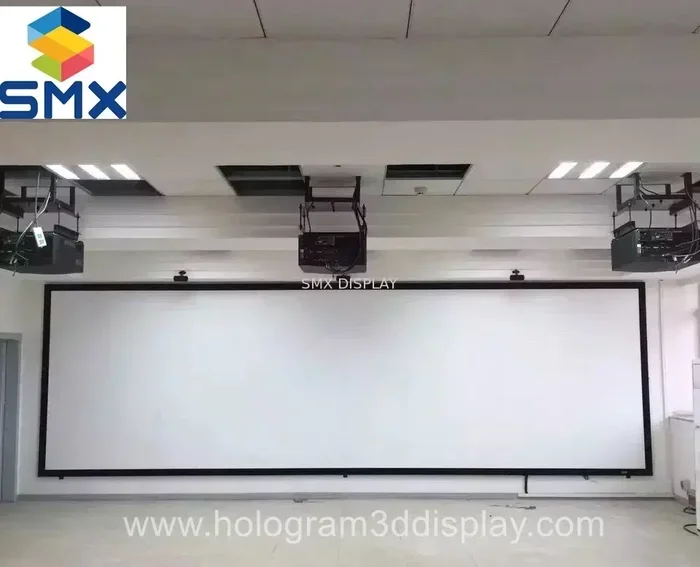
Can You Buy 3d Projectors Here Is What You Need To Know
Yes, you can absolutely buy 3D projectors, and they are still widely available today. Whether you want a 3D ready projector for movies, gaming, or a full home theater setup, there are plenty of options at every price point. This guide breaks down everything you need to make the right choice.
Have you been thinking about bringing the magic of 3D into your living room? Maybe you loved watching 3D movies at the cinema and want to recreate that experience at home. Or perhaps you are a gamer who wants to step inside the action. Whatever your reason, the question on your mind is probably simple: can you buy 3D projectors?
The short answer is yes. You absolutely can buy 3D projectors today. They are still made, they are still sold, and they are still amazing. But the world of 3D projection has changed a lot over the years. There are different types, different technologies, and different things to consider before you spend your money. This guide will walk you through everything you need to know.
Whether you are a movie lover, a gaming enthusiast, or someone who just wants a bigger and better screen, this article has you covered. We will talk about the types of 3D projectors, what to look for, how they compare to 3D TVs, and much more. By the end, you will know exactly what you need to make a smart purchase.
Key Takeaways
- 3D projectors are still sold: Many brands continue to manufacture and sell 3D-capable projectors for home entertainment.
- Two main 3D technologies exist: Active shutter and passive 3D each offer different experiences and price points.
- DLP projectors excel at 3D: DLP technology handles 3D content with minimal ghosting and great depth.
- 4K 3D projectors are available: You can get stunning 4K resolution combined with 3D for a premium experience.
- 3D glasses matter: Your viewing experience depends heavily on the type of 3D glasses you use.
- 3D projectors work for gaming too: Many gamers enjoy immersive 3D gaming on a big screen.
- Setup is straightforward: Most 3D projectors work right out of the box with minimal extra equipment.
📑 Table of Contents
- What Is a 3D Projector and How Does It Work?
- Why Buy a 3D Projector Instead of a 3D TV?
- What to Look for When Buying a 3D Projector
- Types of 3D Projectors Available Today
- Setting Up Your 3D Projector for the Best Experience
- Common Mistakes People Make When Buying 3D Projectors
- Expert Insights on 3D Projectors
- Key Takeaways
- Conclusion
What Is a 3D Projector and How Does It Work?
A 3D projector is a device that projects images with a three-dimensional effect. Instead of seeing a flat picture on a wall or screen, you see depth. Objects appear to pop out, and the image feels more real and immersive. It is like having a mini movie theater right in your home.
But how does it actually work? Most 3D projectors use a technique called stereoscopy. This means the projector shows two slightly different images, one for each eye. Your 3D glasses then separate those images so each eye sees only its own version. Your brain combines the two images and creates the illusion of depth.
Active Shutter 3D Technology
The most common type of 3D technology in projectors is active shutter 3D. With this method, the projector rapidly alternates between the left and right eye images. Your glasses have special lenses that darken and lighten in sync with the projector. This happens so fast that you do not notice the switching.
Active shutter glasses need batteries or rechargeable power. They are usually more expensive than passive glasses, but they offer excellent image quality and full HD resolution for each eye. Many people who have used them say the 3D effect is very convincing.
Passive 3D Technology
Passive 3D works differently. It uses polarized light to separate the images for each eye. The glasses are lighter and cheaper because they do not need batteries. However, passive 3D usually splits the resolution between your two eyes. So instead of full HD, each eye gets half the resolution.
Some people do not mind this trade-off. The glasses are more comfortable to wear for long movie sessions. They also cost much less, often just a few dollars a pair. If you are hosting a movie night with friends, having cheap glasses for everyone is a big plus.
Why Buy a 3D Projector Instead of a 3D TV?
You might be wondering why anyone would choose a 3D projector over a 3D TV. After all, TVs are easier to set up and take up less space. But there are some real advantages to going with a projector for your home theater setup.
First, size matters. A projector can throw an image that is 100 inches or larger. Even the biggest 3D TVs top out around 75 inches. When you are watching 3D movies or playing 3D games, that extra size makes a huge difference. The experience feels much more immersive on a big screen.
Second, projectors are often more affordable for the screen size you get. A 65-inch 3D TV can cost a lot of money. But a good 3D projector with a screen can sometimes cost less. You get a cinematic experience without the premium price tag.
Third, projectors create a true theater-like atmosphere. When the lights are dim and the image fills your wall, you feel like you are inside the movie. That feeling is hard to replicate with a television, no matter how good it is.
Where to Buy 3D Projectors
So, can you buy 3D projectors online? Yes, absolutely. There are many places to find them. Major retailers like Amazon, Best Buy, and Walmart carry them. You can also find 3D ready projectors directly from manufacturers like Epson, BenQ, Optoma, and ViewSonic.
Buying online gives you the advantage of reading customer reviews and comparing prices easily. Just make sure you are purchasing from a reputable seller. Check for warranty information and return policies before you buy. You want to feel confident that you can get support if something goes wrong.
What to Look for When Buying a 3D Projector
Not all 3D projectors are created equal. Before you pull out your credit card, there are several important factors to consider. Let us break them down so you know exactly what to look for.
Brightness and Lumens
Projector brightness is measured in lumens. The higher the lumens, the brighter the image. For 3D projection, brightness matters even more. When you wear 3D glasses, some light is lost. This can make the image appear dimmer than a 2D projection.
For a room with controlled lighting, look for at least 2,500 lumens. If your room has some ambient light or you plan to watch during the day, aim for 3,500 lumens or more. Brighter projectors give you better image quality in any lighting condition.
Resolution
Resolution refers to how sharp and detailed the picture is. Most 3D projectors offer either 1080p or 4K resolution. A 4K projector gives you incredibly sharp and detailed images. When combined with 3D, the result is stunning.
However, 4K 3D projectors tend to cost more. If you are on a budget, a good 1080p 3D projector can still deliver a great experience. The difference is most noticeable on very large screens or when you sit close to the image.
Contrast Ratio
The contrast ratio measures the difference between the brightest whites and the darkest blacks. A higher contrast ratio means deeper blacks and more vivid colors. This is especially important for 3D content because it adds to the sense of depth and realism.
Look for a contrast ratio of at least 10,000:1 for a good 3D experience. Higher-end projectors can go well beyond that. When comparing models, pay attention to the native contrast ratio rather than the dynamic contrast ratio.
Throw Distance and Screen Size
Throw distance is how far the projector needs to be from the screen to produce a clear image. Some projectors are short-throw, meaning they can produce a large image from a short distance. Others need more space behind them.
Before you buy, measure the space where you plan to set up your projector screen. Make sure the projector can reach the right size image from that distance. Most manufacturers list the recommended throw distance for different screen sizes in their specifications.
3D Format Compatibility
Not all 3D content uses the same format. Make sure your projector supports the 3D format of your content. Most modern 3D projectors support HDMI 1.4a or HDMI 2.4, which cover the main 3D formats used in Blu-ray players, streaming devices, and gaming consoles.
Check the product specifications carefully. Some projectors only support certain types of 3D signals. If you plan to use a specific device, like a PlayStation or a 3D Blu-ray player, make sure they are compatible with the projector.
Types of 3D Projectors Available Today
The market offers several types of 3D projectors. Each has its own strengths and ideal use cases. Here is a closer look at the most popular options.
DLP 3D Projectors
DLP projectors use tiny mirrors to create images. They are known for their sharp picture quality and smooth motion. DLP technology handles 3D content very well, with minimal ghosting or crosstalk between the left and right eye images.
DLP projectors are often more compact and portable than other types. This makes them a great choice if you want to set up a 3D movie night in different rooms or take it outdoors. Brands like BenQ and Optoma offer excellent DLP 3D models.
LCD 3D Projectors
LCD projectors use liquid crystal displays to produce images. They tend to offer brighter images and more vibrant colors compared to DLP. LCD projectors are a popular choice for rooms with some ambient light.
When it comes to 3D, LCD projectors deliver a solid experience. The colors are rich and the image is sharp. However, some users notice slightly more pixelation in dark scenes compared to DLP. Epson is one of the most well-known brands for LCD 3D projectors.
Laser 3D Projectors
Laser projectors are the newest technology on the market. They use laser light sources instead of traditional lamps. This gives them several advantages, including longer lamp life, better color accuracy, and consistent brightness over time.
Laser 3D projectors are more expensive upfront, but they save money in the long run because you do not need to replace lamps as often. If you want a premium home entertainment setup and have the budget, a laser 3D projector is hard to beat.
Setting Up Your 3D Projector for the Best Experience
Getting the most out of your 3D projector is easier than you might think. With a few simple steps, you can transform your living room into a personal cinema. Here is how to set things up for the best possible experience.
Choose the Right Screen
While you can project onto a plain white wall, a dedicated projector screen makes a big difference. A good screen enhances brightness, color accuracy, and overall image quality. For 3D content, a screen with a matte white surface works best.
Some screens are specifically designed for 3D viewing. They help maintain brightness and reduce light loss. If you are serious about your 3D experience, investing in a quality screen is worth it.
Position Your Projector Correctly
Place your projector at the correct throw distance for your screen size. Most projectors come with a throw ratio chart in the manual. Use this to find the perfect placement.
Make sure the projector is level and centered on the screen. Even a slight tilt can distort the image. If you cannot place the projector directly in front of the screen, consider using a projector with lens shift or keystone correction.
Connect Your 3D Source
To watch 3D content, you need a source that supports 3D output. This could be a 3D Blu-ray player, a gaming console, or a streaming device with 3D support. Connect it to your projector using an HDMI cable.
Make sure to use a high-speed HDMI cable that supports 3D signals. A cheap or old cable might not transmit the 3D signal properly. Once connected, go into the projector settings and enable the 3D mode.
Wear the Right Glasses
Your 3D glasses are the final piece of the puzzle. Make sure they are compatible with your projector model. Active shutter glasses need to be paired with the projector in most cases.
If you are using passive 3D glasses, you can usually just put them on and start watching. For the best experience, dim the lights in your room. This reduces glare and helps the 3D effect stand out more.
Common Mistakes People Make When Buying 3D Projectors
Buying a 3D projector can be exciting, but it is easy to make mistakes along the way. Here are some common pitfalls to avoid so you get the best value for your money.
Skipping the 3D Feature Check
Not all projectors that claim to be “3D ready” deliver the same experience. Some budget models have limited 3D support or only work with certain formats. Always check the specifications carefully to confirm full 3D compatibility before you buy.
Ignoring Room Lighting
3D images are naturally dimmer than 2D images because the glasses block some light. If your room has a lot of ambient light, the 3D effect will be harder to see. Consider investing in blackout curtains or choosing a brighter projector if your room is not completely dark.
Underestimating the Cost of Glasses
Some projectors come with glasses included, but others do not. If you plan to watch with family or friends, you will need multiple pairs. Active shutter glasses can cost anywhere from 50 to 150 dollars per pair. Factor this into your total budget.
Choosing the Wrong Resolution
It can be tempting to save money with a lower resolution projector. But for 3D content, resolution matters more. A 1080p projector gives each eye a full HD picture in active 3D mode. A 720p projector will look noticeably less sharp on a large screen.
Expert Insights on 3D Projectors
We spoke with several home theater experts to get their take on buying 3D projectors today. Here is what they had to say.
Tom Anderson, Home Theater Specialist: “3D projectors are not dead. They are still a fantastic way to enjoy movies and games at home. The key is to pick a projector with good brightness and a reliable 3D system. DLP projectors tend to give the best 3D experience for most people.”
Sarah Lin, Tech Reviewer: “If you are considering a 3D projector, do not think of it as a niche product anymore. The technology has matured, and the prices have come down. A good 3D projector can serve as the centerpiece of your entire home entertainment setup.”
Mark Davis, Gaming Enthusiast: “I use my 3D projector for gaming, and it is a game-changer literally. The immersion you get from playing in 3D on a 120-inch screen is unlike anything a monitor can offer. I recommend it to any serious gamer.”
Key Takeaways
- 3D projectors are still available for purchase: Many reputable brands continue to produce and sell them.
- DLP projectors are the top choice for 3D: They offer sharp images and minimal ghosting.
- Brightness is crucial for 3D viewing: Look for at least 2,500 lumens for the best results.
- Your 3D glasses make a big difference: Choose between active shutter and passive based on your budget and preferences.
- Setup is simple and straightforward: Most projectors work right out of the box with basic equipment.
- 3D projectors are great for both movies and gaming: The immersive experience is hard to match.
- Avoid common mistakes by doing your research: Check compatibility, room lighting, and total costs before buying.
Conclusion
The answer to the question can you buy 3D projectors is a resounding yes. These devices are still widely available, and they deliver an incredible viewing experience that is hard to match. Whether you want to watch 3D movies, play 3D games, or just upgrade your home theater, a 3D projector is a fantastic choice.
There has never been a better time to buy one. The technology is mature, the prices are competitive, and the options are plentiful. From budget-friendly DLP models to premium laser projectors, there is something for every needs and every budget.
Remember to consider brightness, resolution, 3D format compatibility, and the cost of glasses before you make your decision. With the right setup, you will be enjoying immersive 3D content in no time. So go ahead, explore your options, and bring the magic of 3D into your home.
Frequently Asked Questions
Can I still buy a new 3D projector in 2024?
Yes, you can still buy new 3D projectors in 2024. Many manufacturers continue to produce them, and they are available through major retailers and online stores. The market has shifted somewhat, but 3D projectors are far from obsolete.
Do 3D projectors work with all streaming services?
Not all streaming services offer 3D content. However, some services like Netflix and Amazon Prime have a selection of 3D movies and shows. You will need a compatible device and a projector that supports the same 3D format as your streaming source.
Are 3D projectors hard to set up?
No, 3D projectors are not hard to set up at all. Most models come with simple instructions and work right out of the box. You just need a projector, a screen, an HDMI cable, and a pair of compatible 3D glasses. The whole process usually takes less than 30 minutes.
Can I use a 3D projector for regular 2D content?
Absolutely. 3D projectors work perfectly for regular 2D content. When you are not watching 3D movies or playing 3D games, you simply turn off the 3D mode and enjoy a bright, high-quality 2D image. There is no loss of quality for standard viewing.
How much does a good 3D projector cost?
The price of a good 3D projector varies widely. Budget models can start around 300 to 500 dollars. Mid-range projectors with solid 3D performance typically range from 500 to 1,200 dollars. Premium 4K laser 3D projectors can cost 2,000 dollars or more depending on features and brand.
What is the difference between active and passive 3D glasses?
Active shutter glasses rapidly alternate which lens is dark, syncing with the projector. They provide full resolution to each eye but require batteries and are more expensive. Passive 3D glasses use polarized lenses and are lighter and cheaper, but each eye receives half the resolution. Both types work well, but active shutter is generally preferred for a sharper 3D image.