Are Usb Wall Adapters Safe For Charging Your Devices
USB wall adapters are generally safe when you use certified, high-quality chargers from reputable brands. Cheap counterfeit adapters can pose real risks like overheating, voltage spikes, and even fire hazards. This guide covers everything you need to know about USB wall adapter safety, how to spot a fake charger, and tips to keep your devices protected while charging.
We use USB wall adapters every single day. We plug them in, connect our phones, tablets, and laptops, and forget about them. But have you ever stopped to think about whether your USB wall charger is actually safe? The truth is, not all power adapters are created equal. Some are built with care and tested to strict standards. Others are cheap knockoffs that could put your devices and even your home at risk.
In this article, we will dive deep into USB wall adapter safety. We will cover how these little bricks work, what makes them dangerous, and how you can choose a safe charger for every device in your home. Whether you are charging a phone overnight or powering a laptop at your desk, this guide has you covered.
Key Takeaways
- Use certified chargers: Always look for UL, CE, or FCC certifications on your USB power adapter to ensure it meets safety standards.
- Avoid counterfeit chargers: Knockoff adapters lack proper voltage regulation and can damage your devices or cause fires.
- Check for overcurrent protection: A safe USB wall charger should include built-in safeguards against power surges and short circuits.
- Don’t ignore overheating: If your adapter gets too hot to touch, unplug it immediately and replace it with a certified charger.
- Match your charger to your device: Using the right power delivery wattage ensures safe and efficient device charging.
- Inspect cables regularly: Frayed or damaged cables are a hidden safety risk that can cause electrical hazards.
- Buy from trusted retailers: Purchasing your USB wall adapter from authorized sellers reduces the risk of getting a fake product.
📑 Table of Contents
- What Is a USB Wall Adapter and How Does It Work?
- Are USB Wall Adapters Safe? The Short Answer
- How to Choose a Safe USB Wall Adapter
- Common Myths About USB Wall Adapter Safety
- Signs Your USB Wall Adapter May Be Unsafe
- Tips to Keep Your USB Wall Adapter Safe
- The Role of USB Wall Adapters in Your Home Office Setup
- How Technology Decoding Covers Tech Safety Topics
- Final Thoughts
What Is a USB Wall Adapter and How Does It Work?
A USB wall adapter is a small power brick that plugs into a wall outlet and converts high-voltage AC power into low-voltage DC power. Your devices need this converted power to charge safely. Inside the adapter, there are several key components that handle this conversion process. You can learn more about the internal parts of electronic devices in our article on 5 components that are found on the motherboard, which explains how internal electronics work at a basic level.
The most important job of a USB power adapter is voltage regulation. This means keeping the output power steady and within safe limits. A good adapter will maintain a consistent flow of electricity. A bad one will let the power spike and drop unpredictably. These fluctuations can harm your device’s battery and internal circuits over time.
Modern USB wall chargers support fast charging technologies like USB Power Delivery and Qualcomm Quick Charge. These standards allow adapters to deliver more power when needed. But they also require more sophisticated internal circuitry to manage that power safely. This is why cutting corners on quality is never a good idea.
Are USB Wall Adapters Safe? The Short Answer
The short answer is yes. Most USB wall adapters are perfectly safe when used correctly. But safety depends on several factors. The brand, the build quality, the certifications, and where you buy the adapter all matter. A certified charger from a trusted manufacturer will include multiple layers of protection.
These protections include overcurrent protection, overvoltage protection, short-circuit protection, and thermal regulation. Together, these features make sure the adapter shuts down safely if something goes wrong. A cheap, uncertified USB wall charger might skip these features entirely. That is where the real danger comes in.
Why Some USB Wall Adapters Are Dangerous
Not all power adapters are safe. Some are dangerously so. Here are the main reasons why certain adapters pose a risk:
- Counterfeit chargers: Fake adapters look like real ones but use low-quality parts inside. They often lack proper voltage regulation and safety circuits.
- No certifications: Legitimate USB wall adapters carry safety marks like UL, CE, or FCC. Fakes may print fake labels or skip them entirely.
- Poor heat dissipation: Cheap materials cannot handle heat well. An adapter that gets too hot can melt, leak chemicals, or even catch fire.
- Inconsistent power output: Unregulated power can send too much voltage to your device. This can fry the battery or damage the charging port.
- No overcurrent protection: Without this safeguard, a short circuit can cause the adapter to keep pushing power, leading to overheating or electrical fires.
The risk is especially high with third-party chargers sold at gas stations, flea markets, or suspiciously cheap online stores. A USB wall adapter that costs $2 and claims to deliver 60 watts of power is almost certainly lying. Real fast-charging technology costs more to manufacture properly.
How to Choose a Safe USB Wall Adapter
Choosing the right USB wall charger is easier than you think. You do not need to be a tech expert. Just follow these simple guidelines to make sure your device charging setup is safe.
Look for Proper Certifications
Certifications are the easiest way to verify safety. When shopping for a USB power adapter, look for these marks:
- UL Listed: Underwriters Laboratories tests products for safety. A UL mark means the adapter has passed rigorous testing.
- CE Marking: This European certification confirms the adapter meets safety and environmental standards.
- FCC Certification: The Federal Communications Commission ensures the adapter does not cause electromagnetic interference.
- USB-IF Certified: The USB Implementers Forum certifies that the adapter follows official USB standards for power delivery and data transfer.
If you see an adapter with no certifications or fake-looking marks, put it back. A safe USB wall adapter will always display its certifications clearly on the label or packaging.
Match the Wattage to Your Device
Every device has a specific power requirement. Using an adapter with too high or too low wattage can cause problems. Here is a quick guide:
| Device Type | Recommended Wattage | Safe Adapter Type |
|---|---|---|
| Smartphone | 5W to 20W | Standard or fast-charging USB wall charger |
| Tablet | 10W to 30W | USB-C adapter with Power Delivery |
| Laptop | 30W to 100W | High-wattage USB-C charger |
| Wireless Earbuds | 5W | Standard USB wall adapter |
| Smartwatch | 2.5W to 5W | Low-wattage USB wall charger |
Using an adapter with the correct wattage ensures efficient device charging without stressing the battery. A USB wall adapter that delivers too much power can overwhelm your device. One that delivers too little will charge very slowly and may strain the adapter itself.
Buy from Authorized Sellers
Where you buy matters just as much as what you buy. Always purchase USB wall adapters from authorized retailers or directly from the manufacturer. Avoid buying adapters from unknown sellers on marketplace platforms. Counterfeit products flood these marketplaces every day, and it is hard to tell the difference from the photos alone.
If the price seems too good to be true, it probably is. A genuine certified charger costs money to make. A $3 adapter that claims to support 45-watt fast charging is a red flag. Stick with brands you trust and buy from reputable sources.
Common Myths About USB Wall Adapter Safety
There are a lot of myths floating around about USB wall adapters and charging safety. Let us clear up some of the most common ones.
Myth 1: All USB Wall Adapters Are the Same
This is simply not true. A quality USB wall charger uses premium components, proper voltage regulation, and multiple safety features. A cheap knockoff uses whatever parts are cheapest. The difference in safety and performance is enormous.
Myth 2: Using Any Charger Will Not Damage Your Device
Using an incompatible or low-quality USB power adapter can definitely harm your device. Bad voltage regulation can degrade your battery faster over time. In extreme cases, it can cause permanent damage to the charging circuit. Always use an adapter that matches your device’s specifications.
Myth 3: Fast Charging Is Unsafe
Fast charging is perfectly safe when you use a proper USB wall adapter with the right certifications. Modern devices and adapters communicate with each other to manage power delivery safely. The USB Power Delivery standard was specifically designed to handle higher wattages without compromising safety.
Signs Your USB Wall Adapter May Be Unsafe
Knowing the warning signs of a bad USB wall adapter can save you from a dangerous situation. Watch out for these red flags:
- The adapter gets very hot: It is normal for an adapter to feel slightly warm. But if it is too hot to touch, unplug it immediately. Excessive heat means the internal components are failing.
- You notice a burning smell: This is a serious warning sign. Unplug the adapter right away and do not use it again.
- The plastic casing is melting or warped: This indicates the adapter is overheating internally and is a fire hazard.
- Charging is very slow or inconsistent: A failing USB wall charger may deliver inconsistent power. This can harm your device’s battery.
- Visible damage or scorch marks: Any physical damage to the adapter means it should be replaced immediately.
- The adapter makes unusual sounds: Buzzing or crackling sounds indicate electrical problems inside the adapter.
If you notice any of these signs, stop using the adapter right away. Replace it with a certified charger from a reputable brand. Your safety is not worth the risk.
Tips to Keep Your USB Wall Adapter Safe
Follow these simple tips to make sure your USB wall adapter stays safe and lasts a long time:
- Unplug adapters when not in use: Even when not connected to a device, a plugged-in adapter draws a small amount of power. Unplugging it reduces the risk of electrical issues and saves energy.
- Keep adapters in cool, dry places: Heat and moisture are the enemies of electronic components. Do not leave adapters in direct sunlight or near water sources.
- Use the right cable: A cheap or damaged cable can cause resistance issues that lead to overheating. Always use high-quality cables that match your adapter’s specifications.
- Do not cover adapters while charging: Some people tuck adapters under pillows or furniture while charging. This traps heat and can cause dangerous overheating. Always keep adapters in open, well-ventilated areas.
- Replace old adapters regularly: Over time, internal components in a USB wall charger degrade. If your adapter is more than three to five years old, consider replacing it with a newer model that meets current safety standards.
- Inspect cables and ports regularly: Frayed cables or bent connectors can expose live electrical contacts. Replace damaged cables immediately to prevent electrical hazards.
These simple habits go a long way in keeping your device charging setup safe and reliable. Prevention is always better than dealing with a problem after it happens.
The Role of USB Wall Adapters in Your Home Office Setup
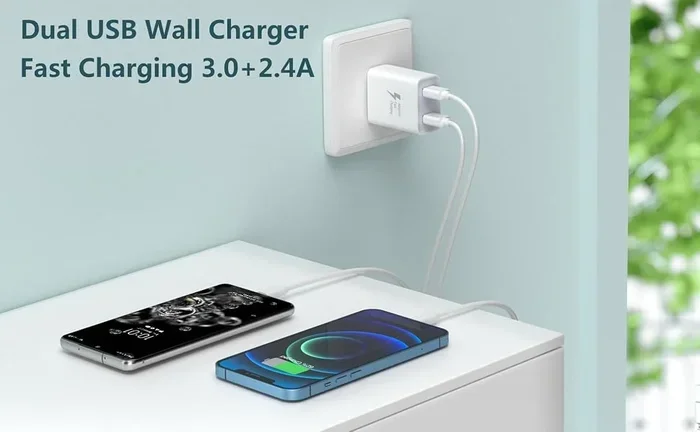
If you work from home, you probably have multiple devices that need charging throughout the day. Your laptop, phone, tablet, wireless earbuds, and maybe even a smartwatch all need power. Using a high-quality USB wall adapter with multiple ports can simplify your setup while keeping everything safe.
Many modern USB wall chargers now come with GaN (Gallium Nitride) technology. GaN adapters are smaller, cooler, and more energy-efficient than traditional silicon-based adapters. They also tend to have better power delivery management and improved safety features. If you have a home office, a GaN USB power adapter is a great investment.
When setting up your home office, make sure your wall outlets are in good condition. Old or damaged outlets can create electrical hazards even with the best USB wall adapter. If you are concerned about your home’s electrical setup, consider consulting a licensed electrician.
USB Wall Adapters and Surge Protection
Power surges can damage your USB wall adapter and connected devices. A surge protector adds an extra layer of defense. Some USB wall chargers now include built-in surge protection. This feature helps absorb sudden voltage spikes and keeps your devices safe.
However, not all adapters include this feature. When shopping, look for a USB wall adapter that specifically mentions surge protection in its specifications. This is especially important if you live in an area with frequent power fluctuations or thunderstorms.
How Technology Decoding Covers Tech Safety Topics
At Technology Decoding, we cover a wide range of technology topics beyond just USB wall adapters. We explore how computers are used in different fields, including medicine, where device safety and reliability are absolutely critical. You can read our article on 10 ways computers are used in medicine to learn how technology impacts healthcare and why safe, reliable devices matter so much in that field.
Whether it is about the adapters you use at home or the powerful computers that save lives in hospitals, our goal is the same. We want to help you understand the technology you use every day and make informed decisions about your safety.
Final Thoughts
So, are USB wall adapters safe? Yes, they are safe when you choose the right one. A certified charger from a reputable brand, used properly, will protect your devices and keep you safe. The key is to avoid cheap counterfeit adapters, match your wattage to your device, and pay attention to warning signs like overheating or unusual smells.
Your USB wall charger is one of the most used electronic accessories in your home. Treat it with care, replace it when needed, and never compromise on quality for the sake of saving a few dollars. Safe device charging should always be a priority, not an afterthought.
Take a few minutes today to check the adapters you use every day. Make sure they are certified, in good condition, and from a trusted source. A small investment in a quality USB power adapter can save you from costly repairs, battery damage, or even electrical fires. Your devices and your home deserve the best protection you can provide.
Frequently Asked Questions
Can a bad USB wall adapter damage my phone?
Yes, a low-quality or counterfeit USB wall adapter can damage your phone. Poor voltage regulation can send inconsistent power to your device, which can harm the battery and charging port over time. Always use a certified charger to avoid this risk.
How can I tell if my USB wall adapter is counterfeit?
Check for proper certifications like UL, CE, or FCC marks. Counterfeit adapters often have blurry labels, misspelled brand names, or missing certification marks. If the price is much lower than the official retail price, it is likely fake. Buy from authorized sellers to reduce this risk.
Is it safe to leave my USB wall adapter plugged in overnight?
Yes, it is generally safe to leave a certified USB wall adapter plugged in overnight. Modern adapters have built-in safety features that stop power flow once the device is fully charged. However, unplugging it when not in use is still a good habit for safety and energy savings.
What should I do if my USB wall adapter is overheating?
Unplug the adapter immediately and let it cool down. Do not use it again. Overheating is a sign of internal failure and can lead to fire or damage to your device. Replace the adapter with a certified charger from a reputable brand.
Are GaN USB wall adapters safer than traditional adapters?
GaN USB wall adapters tend to run cooler and are more energy-efficient than traditional silicon-based adapters. They also often include better power delivery management. While both types can be safe, GaN adapters offer improved thermal performance and smaller size, making them a great choice for modern devices.
Do USB wall adapters wear out over time?
Yes, USB wall adapters do wear out over time. Internal components degrade with use, heat exposure, and power surges. An old adapter may not provide the same level of voltage regulation or safety protection as a new one. Replace your adapter every three to five years for best results.