Can I Plug In A Usb C Device Into A Usb A Port Safely
Yes, you can plug a USB C device into a USB A port, but you need the right adapter or cable. This guide covers compatibility, data speeds, charging limits, and safety tips to help you connect devices without damage. Understanding the differences between USB C and USB A ports ensures you get the best performance and protects your gear.
This is a comprehensive guide about Can I Plug In A Usb C Device Into A Usb A Port.
Key Takeaways
- Physical Difference: USB C and USB A ports have different shapes and sizes, so direct plugging is not possible without an adapter.
- Adapter Required: You need a USB C to USB A adapter or cable to make the connection work between these two port types.
- Data Speed Limits: The connection speed will be limited by the slower port, typically USB A 3.0 or USB 2.0 speeds.
- Charging May Be Slower: USB A ports generally deliver less power than USB C ports, which can affect charging times.
- Safety Is Not a Concern: Using the correct adapter will not damage your devices or cause safety issues.
- Backward Compatibility Works: USB standards are designed to be backward compatible, making older and newer devices work together.
- Quality Matters: Cheap adapters may cause connection problems or data loss, so invest in reliable brands.
[FEATURED_IMAGE_PLACEHOLDER]
Can I Plug In A Usb C Device Into A Usb A Port Safely?
You have a shiny new device with a USB C port. But the only port available on your older laptop or charger is a USB A port. So, can I plug in a USB C device into a USB A port safely? The short answer is yes. With the right adapter, you can connect these two different port types without any problem. Many people face this situation every day as USB C becomes the new standard.
The USB C connector is small, reversible, and supports fast data transfer and high power delivery. The USB A port is larger, older, and more common in legacy devices. These two designs look very different. But they carry the same basic purpose: connecting devices and transferring data or power. Understanding how they work together helps you avoid confusion, wasted money, and potential damage to your gadgets.
This article covers everything you need to know. You will learn about physical differences, adapter options, speed limits, charging capabilities, and safety tips. By the end, you will feel confident connecting any USB C device to any USB A port. Let us dive in.
Understanding USB C and USB A Ports
Before you grab an adapter, it helps to understand what makes these two ports different. Each port type has its own design, purpose, and capabilities. Knowing the basics makes everything else much easier to grasp.
What Is a USB A Port?
The USB A port is the classic rectangular connector you have seen for decades. It is flat and has a distinct rectangular shape. Most desktop computers, older laptops, and many chargers still use USB A ports. This port was introduced in the mid-1990s and has gone through several updates over the years.
USB A ports come in different versions too. USB 2.0 is the most common and offers speeds up to 480 Mbps. USB 3.0 and USB 3.1 are faster, reaching speeds of 5 Gbps and 10 Gbps respectively. But no matter the version, the physical shape of the USB A port stays the same. It is not reversible, which means you have to plug it in the right way every time.
USB A ports are still widely used today. Many keyboards, mice, external hard drives, and printers rely on USB A connections. They are reliable and universal, even if they are not the fastest option available now.
What Is a USB C Port?
USB C is the newer standard that has taken the tech world by storm. It is a small, oval-shaped connector that is reversible. You can plug it in either way, and it will work. This alone makes USB C much more convenient than USB A.
USB C supports much faster data transfer speeds. With USB 3.1 or USB 3.2, you can reach speeds of 10 Gbps or even 20 Gbps. USB C also supports USB4, which pushes speeds even higher. Beyond data, USB C can deliver up to 100 watts of power through Power Delivery technology. This means it can charge laptops, tablets, and phones quickly through a single cable.
Many modern smartphones, tablets, and laptops now use USB C as their primary port. Even some desktop computers are starting to adopt USB C exclusively. The shift toward USB C is clear, but that does not mean USB A is disappearing anytime soon.
Do You Need an Adapter to Connect USB C to USB A?
Yes, you do need an adapter or a special cable. You cannot plug a USB C connector directly into a USB A port. The shapes are completely different. The USB C connector is small and oval, while the USB A port is large and rectangular. Trying to force a connection will not work and could damage the port.
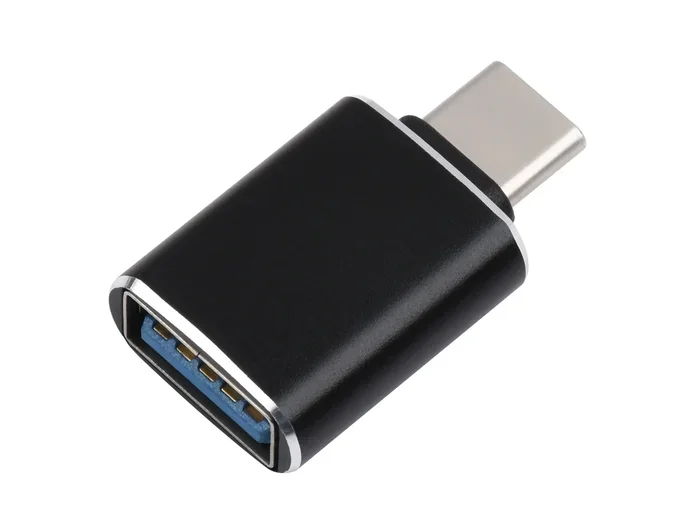
The good news is that adapters are cheap and widely available. A simple USB C to USB A adapter lets you plug your USB C device into any USB A port. You can also buy USB C to USB A cables, which have a USB C connector on one end and a USB A connector on the other.
Here are the most common adapter options:
- USB C to USB A Adapter: A small dongle that plugs into the USB A port. You then connect your USB C device into the adapter.
- USB C to USB A Cable: A cable with different connectors on each end. No extra adapter needed.
- USB C Hub with USB A Ports: A multi-port hub that adds USB A ports to your USB C device.
- USB A to USB C Cable: The reverse option, useful when your device has a USB A port and the accessory has a USB C connector.
Always make sure the adapter or cable you buy supports the speed and power you need. Cheap, unbranded adapters may not handle data transfer or power delivery properly.
Data Transfer Speeds: What to Expect
One of the biggest concerns people have is whether the connection speed will suffer. The answer depends on the versions of both the USB C device and the USB A port. The connection will always run at the speed of the slower device or port.
How Speed Is Determined
USB standards define the maximum speed a port can handle. Here is how it works:
- If your USB C device supports USB 3.2 and your USB A port is USB 3.0, the connection will run at USB 3.0 speeds (5 Gbps).
- If your USB C device supports USB 3.0 but your USB A port is USB 2.0, the connection will be limited to USB 2.0 speeds (480 Mbps).
- If both ports support the same version, you get the full speed of that version.
The key takeaway is that your USB C device will not magically become faster by connecting to a USB A port. The speed is always capped by the weakest link in the chain.
Real-World Speed Examples
Let us look at some practical examples. If you connect a USB C external SSD to a USB A 3.0 port, you will get transfer speeds of around 450 to 500 Mbps. That is still very fast for most tasks. But if you plug the same SSD into a USB A 2.0 port, speeds drop to around 30 to 40 Mbps. That is a huge difference.
For everyday tasks like moving documents or photos, even USB 2.0 speeds are fine. But for large files like video projects or backups, you will notice the slowdown. Always check the port versions on both sides for the best experience.
Charging USB C Devices Through a USB A Port
Charging is another important consideration. USB C ports support USB Power Delivery, which can send much more power than a standard USB A port. This difference in power delivery affects how fast your device charges.
Power Delivery Differences
USB A ports typically deliver 2.5 watts of power in the basic USB 2.0 spec. USB 3.0 ports can deliver up to 4.5 watts. Some dedicated charging ports can push 7.5 or even 10 watts. USB C with Power Delivery, on the other hand, can deliver up to 100 watts.
So what does this mean for your USB C device? If you charge a modern smartphone through a USB A port, it will charge. But it will charge much slower than it would with a USB C charger. Laptops are even more affected. Many laptops require at least 45 to 65 watts to charge properly, and a standard USB A port simply cannot provide that much power.
Here is a quick comparison:
| Feature | USB A Port | USB C Port |
|---|---|---|
| Basic Power Delivery | 2.5W to 4.5W | Up to 100W (with PD) |
| Fast Charging Support | Limited or none | Yes, with Power Delivery |
| Laptop Charging | Usually not enough power | Fully supported |
| Phone Charging Speed | Slower | Much faster |
| Reversible Connector | No | Yes |
If you need to charge a laptop or fast-charge a phone, a USB A port is not ideal. You should use the original USB C charger whenever possible. For lower-power devices like earbuds or fitness trackers, a USB A port works just fine.
Is It Safe to Use a USB C to USB A Adapter?
Safety is a top concern for many people. The good news is that using a proper adapter is completely safe. USB standards include built-in safety features that prevent damage to your devices. The ports and cables communicate with each other to determine the right amount of power and data speed.
However, there are a few things to keep in mind:
- Use quality adapters: Cheap adapters from unknown brands may not have proper safety circuits. They can overheat or cause connection issues.
- Check for compatibility: Make sure the adapter supports the USB version you need. An adapter that only supports USB 2.0 will limit your speeds.
- Do not force connections: If a connector does not fit, do not force it. USB C and USB A are different shapes by design.
- Inspect for damage: Check your adapter and cables regularly for wear and tear. Damaged cables can cause short circuits.
Medical devices also rely on USB connections for data transfer and device communication. You can learn more about the many ways computers are used in medicine, including USB-connected diagnostic equipment, by checking out our detailed guide on 10 Ways Computers Are Used in Medicine. This shows how important safe and reliable USB connections are across different industries.
Common Myths About USB C and USB A Compatibility
There are several myths floating around about mixing USB C and USB A. Let us clear a few of them up.
- Myth 1: Adapters damage your devices. False. A quality adapter will not harm your USB C device or the USB A port.
- Myth 2: USB C is always faster than USB A. Not necessarily. Speed depends on the USB version, not just the connector type.
- Myth 3: You can plug USB C into USB A directly. Absolutely not. The shapes are different and forcing it will cause damage.
- Myth 4: All USB C cables are the same. Wrong. Some cables support only data, some only charging, and some support both at different speeds.
Knowing the facts helps you make better purchasing decisions and keeps your devices safe.
How to Choose the Right Adapter or Cable
Not all adapters are created equal. Choosing the right one ensures you get the best performance and reliability. Here is what to look for when shopping.
Things to Consider
- USB Version Support: Check if the adapter supports USB 3.0, USB 3.1, or USB 3.2. Higher versions mean faster data transfer.
- Power Delivery: If you need to charge your device, make sure the adapter supports the wattage your device requires.
- Build Quality: Look for adapters made from durable materials. Metal housings tend to last longer than plastic ones.
- Brand Reputation: Stick to well-known brands or trusted manufacturers. They are more likely to meet safety standards.
- Reviews and Ratings: Check customer reviews before buying. Real-world feedback helps you avoid low-quality products.
Here are some quick tips to keep in mind:
- Buy adapters from reputable electronics stores or official brand shops.
- Avoid adapters that seem too cheap or have no brand name at all.
- If you need multiple ports, consider a USB C hub instead of individual adapters.
- Keep your adapters in a safe place to prevent damage and loss.
When Should You Avoid Using USB A Ports?
While USB A ports work fine for many tasks, there are times when you should avoid them. Understanding these situations helps you protect your devices and get the best performance.
Situations to Avoid USB A
- Fast Charging Laptops: USB A ports cannot deliver enough power for most modern laptops. Use a USB C charger instead.
- Large File Transfers: If you need to move huge files quickly, a USB A 2.0 port will be too slow. Look for USB 3.0 or higher.
- High-Resolution Audio or Video: Some audio and video equipment needs the bandwidth that only USB C can provide reliably.
- Future-Proofing: USB A is a legacy port. Newer devices are moving away from it. Investing in USB C accessories now saves you money later.
For everyday tasks like typing on a keyboard or using a mouse, USB A is perfectly fine. But for demanding tasks, USB C is the better choice.
Quick Tips for Everyday USB C to USB A Use
Here are some practical tips you can use right away:
- Always keep a USB C to USB A adapter in your bag. You never know when you will need it.
- Label your cables and adapters so you always know which one is which.
- Update your device drivers regularly to ensure the best USB compatibility.
- Use the shortest cable length possible for faster data transfer and better signal quality.
- Unplug adapters and cables gently to avoid wearing out the connectors.
Common Mistakes People Make When Mixing USB C and USB A
Even with the best intentions, people make mistakes when connecting different USB port types. Here are the most common ones to avoid.
Mistake 1: Forcing the Connector
USB C and USB A connectors are different shapes. Never try to force one into the other. This can bend or break the pins inside the port and cause permanent damage.
Mistake 2: Buying the Wrong Adapter
Not all adapters support the same speeds or power levels. Always check the specifications before buying. An adapter that only supports USB 2.0 will slow down your USB 3.0 device.
Mistake 3: Ignoring Cable Quality
Cheap cables can cause data corruption, slow transfer speeds, and even safety hazards. Invest in good quality cables from trusted brands.
Mistake 4: Assuming All USB C Ports Are the Same
Some USB C ports only support basic USB 2.0 speeds. Others support Thunderbolt 3 or USB4. Check your device specifications to know what your USB C port can actually do.
Key Takeaways
- Physical Difference: USB C and USB A ports have different shapes and sizes, so direct plugging is not possible without an adapter.
- Adapter Required: You need a USB C to USB A adapter or cable to make the connection work between these two port types.
- Data Speed Limits: The connection speed will be limited by the slower port, typically USB A 3.0 or USB 2.0 speeds.
- Charging May Be Slower: USB A ports generally deliver less power than USB C ports, which can affect charging times.
- Safety Is Not a Concern: Using the correct adapter will not damage your devices or cause safety issues.
- Backward Compatibility Works: USB standards are designed to be backward compatible, making older and newer devices work together.
- Quality Matters: Cheap adapters may cause connection problems or data loss, so invest in reliable brands.
Conclusion
So, can I plug in a USB C device into a USB A port safely? The answer is a clear yes. With the right USB C to USB A adapter or cable, you can connect your modern USB C devices to older USB A ports without any worries. The connection is safe, reliable, and widely supported across devices.
Just remember that you will face some limitations. Data speeds will be capped by the slower port. Charging will be slower on USB A ports. And not all adapters are created equal. By choosing quality accessories and understanding the differences between USB C and USB A, you can get the most out of every connection.
The world of USB technology is always evolving. USB C is the future, but USB A is still very much part of the present. Knowing how to bridge the gap between them gives you flexibility and keeps all your devices working together. Keep a good adapter on hand, use quality cables, and you will never have a connectivity problem again.
FAQs
Can I plug a USB C device directly into a USB A port without an adapter?
No, you cannot. The physical shapes of USB C and USB A connectors are completely different. You must use a USB C to USB A adapter or cable to make the connection work.
Will using a USB C to USB A adapter slow down my data transfer?
Yes, the connection speed will be limited by the slower of the two ports. If your USB A port is USB 2.0, speeds will be much slower than if it were USB 3.0 or higher.
Can I charge my phone through a USB A port using an adapter?
Yes, you can charge your phone this way. However, the charging speed will be slower than using a USB C charger, especially for fast-charging phones.
Are USB C to USB A adapters safe to use?
Yes, they are completely safe as long as you use a quality adapter from a reputable brand. USB standards include built-in safety features that protect your devices from damage.
Do I need a special adapter for Thunderbolt 3 devices to work with USB A ports?
Yes, Thunderbolt 3 requires a specific adapter that supports Thunderbolt functionality. A standard USB C to USB A adapter will not support Thunderbolt speeds or features.
How can I tell if my USB A port is USB 2.0 or USB 3.0?
USB 3.0 ports are usually blue inside the port. USB 2.0 ports are typically black or white. You can also check your device manual or look up the specifications online to confirm the port version.
Frequently Asked Questions
What is Can I Plug In A Usb C Device Into A Usb A Port?
Can I Plug In A Usb C Device Into A Usb A Port is an important topic with many practical applications.