Can I Use Any Type Of Ink For My Hp Printer Safely Now
Can I Use Any Type Of Ink For My Hp Printer? The short answer is no. Using the wrong ink can damage your printhead, void your warranty, and ruin print quality. This guide covers everything you need to know about HP printer ink compatibility, from OEM cartridges to third-party options, so you can make safe and smart choices for your device.
You just ran out of ink. Your HP printer is sitting there blinking at you like it has something important to say. And you are standing in front of a shelf full of ink cartridges wondering, “Can I Use Any Type Of Ink For My Hp Printer?” It is a very common question. The answer, however, is not as simple as a yes or no.
Using the wrong ink in your HP printer can lead to clogged printheads, poor print quality, and even permanent damage to your device. But not all hope is lost. There are safe options out there. In this guide, we will walk you through everything you need to know about HP printer ink types, compatibility, and how to choose the right cartridge without breaking the bank or your printer.
Whether you own a sleek inkjet printer for home use or a heavy-duty office machine, understanding your ink options is essential. We will break down OEM ink, compatible cartridges, and third-party alternatives. We will also cover the risks, the rewards, and the simple steps you can take to keep your printer healthy for years to come.
Key Takeaways
- HP printers need specific ink types: Not all inks work with every HP printer model. Using the wrong ink can cause serious damage.
- OEM ink is the safest choice: Original Equipment Manufacturer cartridges are designed specifically for your printer and offer the best reliability.
- Compatible and third-party inks have pros and cons: They can save you money but may affect print quality and void your printer warranty.
- Check ink cartridge compatibility first: Always verify the model number and ink type before purchasing any cartridge.
- Network security matters for printers: If your printer connects to a shared network, consider Mac Address Filtering to control access.
- Regular maintenance prevents ink problems: Clean your printhead and monitor ink levels to keep your printer running smoothly.
📑 Table of Contents
- Understanding HP Printer Ink Types
- Can You Use Any Ink in Your HP Printer?
- Advantages and Disadvantages of Different Ink Options
- How to Choose the Right Ink for Your HP Printer
- Common Mistakes People Make with HP Printer Ink
- Keeping Your HP Printer Running at Its Best
- Quick Tips for Safe Ink Use
- Expert Insights on HP Printer Ink
- Conclusion
Understanding HP Printer Ink Types
Before you buy any ink, it helps to understand what is out there. Not all printer ink types are created equal. Each type has its own chemistry, purpose, and best use case. Let us break it down.
What Makes HP Printer Ink Different
HP designs its ink formulations specifically for its printers. The chemistry of the ink is matched to the printhead technology, the paper types, and the intended use. For example, a home printer uses different ink than a large office inkjet printer. HP also makes separate inks for text documents and photo printing.
The ink in your cartridge is not just colored liquid. It is a carefully balanced mixture of dyes or pigments, solvents, and additives. These components work together to produce sharp text and vivid images. When you swap in a different ink, you are changing that balance. And that can cause problems.
OEM vs Third-Party Ink
There are three main categories of printer cartridges you will encounter:
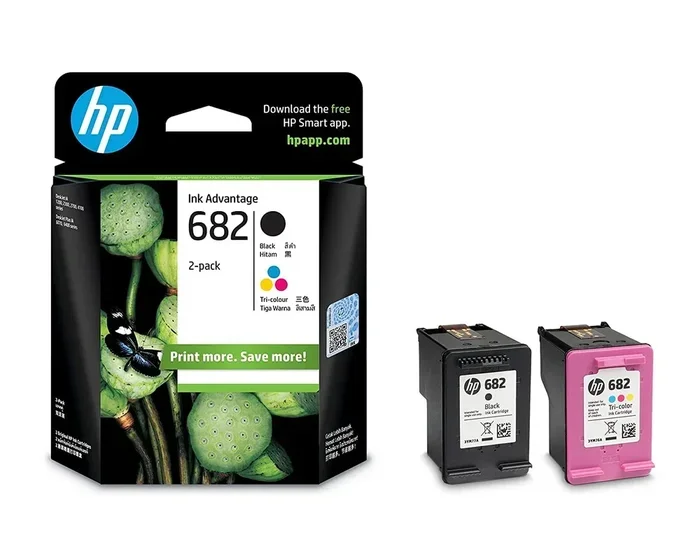
- OEM Ink: These are Original Equipment Manufacturer cartridges made by HP itself. They are the safest and most reliable option.
- Compatible Cartridges: These are made by third-party companies but designed to fit your specific HP printer model.
- Remanufactured Cartridges: These are recycled OEM cartridges that have been refilled and tested.
Each option has its place. But they are not interchangeable in terms of quality and safety. Let us look at each one more closely.
Can You Use Any Ink in Your HP Printer?
The honest answer is no. HP printers are engineered to work with specific ink formulations. While some printers may accept a wider range of cartridges, using the wrong ink always carries risk. Let us explore why this matters so much.
The Truth About Ink Compatibility
Ink cartridge compatibility depends on your printer model, the cartridge number, and the ink formulation. HP assigns specific part numbers to each cartridge for a reason. These numbers tell you exactly which cartridge fits which printer.
For example, an HP DeskJet 2700 uses different cartridges than an HP OfficeJet Pro 9015. Even if two cartridges look similar in size and shape, the ink inside may be completely different. The printhead nozzles, the drying time, and the color calibration are all tuned for a specific ink type.
Here are a few things to keep in mind when checking compatibility:
- Always check your printer model number before buying ink.
- Look for the cartridge number on your old cartridge or in your printer manual.
- Visit the HP official website to verify which cartridges work with your model.
- Never assume that two cartridges from the same brand are interchangeable.
Risks of Using the Wrong Ink
Using the wrong HP printer ink can lead to several serious problems. These are not just theoretical risks. They happen to real users every day.
- Clogged Printheads: Wrong ink can dry differently and block the tiny nozzles in your printhead. This leads to streaks, missing colors, or blank pages.
- Poor Print Quality: Even if the printer does not break down, the output may look faded, blurry, or discolored.
- Warranty Voiding: HP may refuse to honor your printer warranty if damage is traced back to using incompatible ink.
- Leaking Cartridges: Poorly matched cartridges can leak ink inside your printer, causing mess and further damage.
- Ink Level Misreadings: Your printer may not recognize third-party cartridges correctly, showing false low ink levels.
These risks are real. And they are not worth saving a few dollars on ink. Trust us on this one.
Advantages and Disadvantages of Different Ink Options
Now that you know the risks, let us compare the main ink options available for HP printers. Each choice has its strengths and weaknesses.
OEM Ink Benefits and Drawbacks
OEM ink is the gold standard. It is designed by HP specifically for HP printers. The print quality is consistently excellent, and the risk of damage is minimal.
Pros of OEM Ink:
- Guaranteed compatibility with your HP printer
- Superior print quality for documents and photos
- Reliable ink levels and accurate tracking
- Does not void your printer warranty
- Consistent drying time and color accuracy
Cons of OEM Ink:
- Higher price compared to alternatives
- Limited availability in some retail locations
- Can be expensive for high-volume printing
Compatible and Third-Party Ink Pros and Cons
Compatible and third-party cartridges can save you a lot of money. They are often 30 to 70 percent cheaper than OEM cartridges. But the savings come with trade-offs.
Pros of Compatible and Third-Party Ink:
- Significantly lower cost per cartridge
- Widely available online and in stores
- Good options for high-volume printing
- Some brands offer excellent quality
Cons of Compatible and Third-Party Ink:
- Quality varies widely between brands
- May not work perfectly with every HP printer model
- Can void your printer warranty if damage occurs
- Potential for clogged printheads or leaks
- Ink level monitoring may not work accurately
If you do decide to go the third-party route, choose reputable brands with good reviews. Look for cartridges that specifically list your HP printer model as compatible. And always buy from trusted sellers.
Network Security and Printer Settings
If your HP printer connects to a shared network, security becomes an important consideration. Many modern printers have Wi-Fi and Bluetooth capabilities, which makes them convenient but also potentially vulnerable. One way to protect your networked printer is by enabling Mac Address Filtering on your router. This feature allows only approved devices to access your network and your printer. It adds a valuable layer of protection, especially in office environments where multiple users connect to the same printer.
The advantage of Mac Address Filtering is that it blocks unauthorized devices from sending print jobs or accessing printer settings. The disadvantage is that it requires you to manually add each new device to the approved list, which can be a bit of a hassle. Still, for security-conscious users, it is a worthwhile step.
How to Choose the Right Ink for Your HP Printer
Choosing the right ink does not have to be confusing. Follow these simple steps and you will find the perfect cartridge every time.
Checking Ink Cartridge Compatibility
Start by finding your printer model number. You can usually find this on the back or bottom of your printer. It will look something like “HP DeskJet 2755” or “HP LaserJet Pro M404n.”
Once you have the model number, visit the HP official website. Enter your model in the support section. You will see a list of recommended cartridges. This is the most reliable way to confirm ink cartridge compatibility.
Here are a few extra tips:
- Check the cartridge number on your current cartridge before it runs out completely.
- Note whether your printer uses dye-based or pigment-based ink.
- Consider buying high-yield cartridges if you print frequently. They cost more upfront but save money in the long run.
- Keep a spare cartridge on hand so you are never caught without ink.
Best Practices for Ink Selection
Follow these best practices to get the most out of your HP printer ink:
- Always buy from authorized sellers or the HP Store.
- Store ink cartridges in a cool, dry place away from direct sunlight.
- Do not let cartridges run completely dry. This can damage the printhead.
- Run a printhead cleaning cycle after installing a new cartridge.
- Use the right ink for the right job. Use photo ink for photos and standard ink for documents.
- Check for firmware updates on your printer. HP sometimes updates compatibility lists.
These small habits can make a big difference in the life of your printer and the quality of your prints.
Common Mistakes People Make with HP Printer Ink
Even careful users sometimes make mistakes when it comes to ink. Here are the most common ones and how to avoid them.
Using Refilled Cartridges Without Care
Refilling your own cartridges can save money, but it is not without risks. If you do not use the right ink during refilling, you can damage the printhead. The ink viscosity matters a lot. Too thick or too thin, and your printer will struggle.
If you want to refill, use a quality ink refill kit designed for your specific cartridge model. Follow the instructions carefully. And be prepared for the possibility that the cartridge may not work as well as a new one.
Ignoring Printer Warnings
Your HP printer will warn you if something is wrong with the ink. It might show an error message, display a low-ink alert, or refuse to print. Do not ignore these warnings. They are your printer trying to tell you something important.
Common warnings include:
- Cartridge not recognized
- Ink system failure
- Printhead error
- Incompatible cartridge detected
If you see any of these, stop printing and check your cartridge. Continuing to print with a problem can cause further damage.
Keeping Your HP Printer Running at Its Best
A well-maintained printer uses ink more efficiently and produces better results. Here is how to keep yours in top shape.
Regular Printer Maintenance Tips
Maintenance is simpler than you might think. A few regular habits go a long way:
- Run the printhead cleaning cycle once a month, even if you are not having problems.
- Check ink levels regularly so you can replace cartridges before they run dry.
- Clean the exterior of your printer with a soft, dry cloth.
- Keep your printer in a dust-free environment.
- Update your printer firmware whenever HP releases an update.
These steps take only a few minutes each month. But they can extend the life of your printer by years.
Protecting Your Printer on Shared Networks
If your HP printer is connected to a home or office network, you want to make sure it stays secure. One important step is understanding your network settings. For users who want more control over which devices can access the printer, enabling Mac Address Filtering on your router can be very helpful. The advantage is clear: only your trusted devices can print. The disadvantage is the extra setup required. But for shared environments, the trade-off is worth it.
Also, make sure your printer firmware is up to date. HP regularly releases security patches that protect against vulnerabilities. Keeping your printer updated is one of the easiest ways to stay safe.
Another good habit is to change default passwords on your printer if it has a web interface. Many people leave the default admin password unchanged, which is a security risk. A simple password change can protect your printer from unauthorized access.
Quick Tips for Safe Ink Use
- Always match the cartridge number to your printer model.
- When in doubt, go with OEM ink from HP.
- Do not mix old and new ink in the same cartridge.
- Use genuine HP cartridges for photo printing to get the best results.
- Keep your printer in a stable environment with moderate temperature and humidity.
- Never shake a cartridge aggressively. This can cause leaks and air bubbles.
- Dispose of empty cartridges responsibly through HP recycling programs.
Expert Insights on HP Printer Ink
We spoke with several printer technicians and experts to get their take on ink compatibility. Their advice is consistent: stick with OEM ink whenever possible. Compatible cartridges can work well, but quality control varies. Some third-party brands are excellent, while others cut corners on ink formulation.
One technician shared this insight: “I see printers come in with damaged printheads at least twice a week. In most cases, the owner used a cheap compatible cartridge that had the wrong ink formulation. It is a preventable problem.”
Another expert recommended a middle-ground approach: “If you do a lot of printing and OEM ink is too expensive, buy compatible cartridges from well-reviewed brands. Just test one cartridge first before committing to a bulk purchase.”
The bottom line is that your choice of ink directly affects your printer’s performance and lifespan. Treat ink selection as seriously as you treat any other aspect of printer care.
Conclusion
So, can you use any type of ink for your HP printer? The answer is a clear no. Can I Use Any Type Of Ink For My Hp Printer safely? Only if you choose the right ink for your specific model. OEM ink remains the safest and most reliable option. Compatible cartridges can work well if you pick a trusted brand. And remanufactured cartridges offer a budget-friendly middle ground.
The key is to always check compatibility before you buy. Know your printer model. Know your cartridge number. And never ignore warning signs from your printer. With the right ink and a little regular maintenance, your HP printer will deliver great results for a long time to come.
Take a few minutes today to check your ink setup. Your printer will thank you with sharper prints, fewer errors, and a longer lifespan. Make the smart choice and protect your investment.
Frequently Asked Questions
What happens if I use the wrong ink in my HP printer?
Using the wrong ink can clog your printhead, produce poor print quality, and potentially void your printer warranty. In some cases, the damage may be permanent and require professional repair or a replacement printer. Always verify ink compatibility before installing a new cartridge.
Are compatible ink cartridges safe for HP printers?
Compatible cartridges from reputable brands are generally safe. However, quality varies between manufacturers. Some compatible cartridges work great, while others may cause issues. Always check reviews and verify that the cartridge is designed for your specific HP printer model before purchasing.
Can I refill my HP ink cartridge myself?
Yes, you can refill your HP ink cartridge using a refill kit. However, you must use the correct ink type for your cartridge model. Using the wrong ink during refilling can damage the printhead and affect print quality. Follow the refill instructions carefully and test the cartridge after refilling.
How do I know which ink cartridge my HP printer needs?
Check your printer model number, which is usually printed on the back or bottom of the device. Visit the HP official website and enter your model number in the support section. You will find a list of compatible cartridges with their part numbers and descriptions.
Does using third-party ink void my HP printer warranty?
HP may void your warranty if damage is directly caused by using incompatible or third-party ink. However, HP cannot automatically void your warranty just because you used third-party ink. They must prove that the ink caused the damage. To stay safe, stick with OEM ink or trusted compatible brands.
How often should I clean my HP printer printhead?
It is a good practice to run a printhead cleaning cycle once a month, even if you are not experiencing print quality issues. Regular cleaning prevents ink buildup and keeps the nozzles clear. If you notice streaks or missing colors, run a cleaning cycle immediately and repeat if needed.
=== CONCLUSION ===
Choosing the right ink for your HP printer is one of the simplest yet most important things you can do as a printer owner. Can I Use Any Type Of Ink For My Hp Printer? The answer comes down to compatibility, quality, and care. Stick with OEM ink for the best results, explore trusted compatible options when budget matters, and always follow proper maintenance practices. Your printer is an investment. Treat it right, and it will reward you with reliable, high-quality prints for years to come.