Can Samsung Tablet Take Hdmi Input And Why It Matters
Yes, many Samsung tablets can output HDMI signals using the right adapter or cable. Models like the Galaxy Tab S series support Samsung DeX mode, which turns your tablet into a desktop experience when connected to an external display. You will need a compatible USB-C to HDMI adapter or a micro HDMI cable depending on your tablet model. The process is simple, and the benefits are huge for streaming, gaming, and productivity.
Have you ever wanted to use your Samsung tablet as a computer? Or maybe you want to watch your favorite show on a big screen without buying a smart TV. The idea of connecting your tablet to a monitor or television through an HDMI cable sounds simple enough. But here is the thing, not every Samsung tablet handles HDMI the same way. Some models support it natively, while others need a special adapter. And a few older tablets simply cannot do it at all.
If you have been searching for answers about whether your Samsung tablet can take HDMI input, you are in the right place. This guide covers everything from supported models to the best adapters, from Samsung DeX mode to common troubleshooting tips. By the end, you will know exactly what your tablet can do and how to get the most out of it.
Key Takeaways
- HDMI Output Supported: Most modern Samsung tablets can output HDMI signals to external displays using the correct adapter or cable.
- Samsung DeX Is a Game-Changer: DeX mode transforms your tablet into a desktop-like interface when connected to a monitor via HDMI.
- Adapter Compatibility Matters: You need the right adapter based on your tablet model, whether it uses USB-C or micro HDMI.
- Resolution and Performance Vary: Different Samsung tablets support different resolutions and refresh rates over HDMI output.
- Wired Connection Is More Reliable: HDMI offers a stable, lag-free connection compared to wireless casting options.
- Not All Models Are Equal: Older or budget Samsung tablets may not support HDMI output at all.
- Quick Setup Is Possible: With the right accessory, you can connect your tablet to a TV or monitor in under two minutes.
📑 Table of Contents
- What Is HDMI Input on a Samsung Tablet?
- Which Samsung Tablets Support HDMI Output?
- How to Connect Your Samsung Tablet to an External Display
- Samsung DeX: The Ultimate HDMI Experience
- Benefits of Using HDMI with Your Samsung Tablet
- Common Problems and How to Fix Them
- Choosing the Right HDMI Adapter for Your Samsung Tablet
- Final Thoughts
What Is HDMI Input on a Samsung Tablet?
HDMI stands for High-Definition Multimedia Interface. It is a standard connection that carries both audio and video signals through a single cable. When we talk about HDMI on a Samsung tablet, we are usually referring to HDMI output, not input. This means your tablet sends a signal to an external display, like a television or monitor.
Some people confuse HDMI input with HDMI output. HDMI input means your device receives a signal from another source. HDMI output means your device sends a signal out to a display. Samsung tablets almost always use HDMI output. Very few tablets in the world support HDMI input, and Samsung is not one of them.
Why HDMI Output Matters for Tablets
HDMI output lets you do things that a small tablet screen simply cannot handle. You can mirror your screen to a 55-inch television. You can extend your display for multitasking. You can present slideshows in a meeting room without needing a laptop. The possibilities are real and practical.
Here are some common uses for HDMI output from a Samsung tablet:
- Streaming movies and shows on a big screen for family movie nights.
- Gaming on a larger display for a more immersive experience.
- Presenting at work or school without carrying extra equipment.
- Using your tablet as a secondary monitor for your computer.
- Running Samsung DeX mode for a full desktop-like experience.
Each of these use cases makes the tablet more versatile. Instead of being a solo device, it becomes part of a larger setup. That is the real power of HDMI connectivity.
Which Samsung Tablets Support HDMI Output?
Not every Samsung tablet can output HDMI. The ability depends on the hardware, specifically the port type and the chipset. Newer flagship tablets have the best support. Budget and older models may have limited or no HDMI capability.
Galaxy Tab S Series
The Galaxy Tab S series is Samsung’s premium lineup. These tablets include the Tab S6, Tab S7, Tab S8, and Tab S9. All of them support HDMI output through a USB-C port. You will need a USB-C to HDMI adapter or a USB-C hub with an HDMI port built in.
These tablets also support Samsung DeX, which is a huge advantage. DeX turns your tablet into a desktop environment when connected to an external display. You get a taskbar, resizable windows, and full multitasking. It feels like using a laptop, but with the portability of a tablet.
Galaxy Tab A Series
The Galaxy Tab A series is Samsung’s budget-friendly lineup. Some models in this series support HDMI output, but not all. The Tab A8, for example, uses a USB-C port and can output HDMI with the right adapter. However, it may not support DeX mode.
Older Tab A models that used micro HDMI ports, like the Tab A 10.1 from 2019, can connect directly with a micro HDMI cable. This makes things simpler since you do not need an adapter. But these older models lack the power and features of the newer S series.
Galaxy Tab Active Series
The Tab Active series is designed for rugged use. These tablets are built for tough environments like construction sites and warehouses. The Tab Active4 Pro supports HDMI output through USB-C. It also runs DeX mode, making it a surprisingly capable productivity tool for field workers.
Quick Comparison Table
| Tablet Model | Port Type | HDMI Output | DeX Support |
|---|---|---|---|
| Galaxy Tab S9 | USB-C | Yes | Yes |
| Galaxy Tab S8 | USB-C | Yes | Yes |
| Galaxy Tab S7 | USB-C | Yes | Yes |
| Galaxy Tab A8 | USB-C | Yes (with adapter) | No |
| Galaxy Tab Active4 Pro | USB-C | Yes | Yes |
| Galaxy Tab A 10.1 (2019) | micro HDMI | Yes (direct cable) | No |
| Galaxy Tab A7 Lite | micro USB | No | No |
Always check your specific model before buying an adapter. The table above gives you a solid starting point, but Samsung updates its lineup frequently. When in doubt, check the manufacturer’s website for your exact model.
How to Connect Your Samsung Tablet to an External Display
Connecting your Samsung tablet to a TV or monitor is easier than you might think. The process depends on your tablet model and the type of port it has. Below, we walk you through the steps for the most common scenarios.
Method 1: USB-C to HDMI Adapter
This is the most common method for newer Samsung tablets. Here is what you need to do:
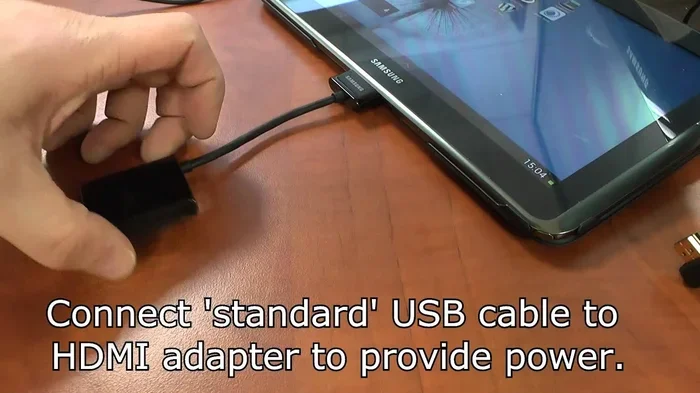
- Get a USB-C to HDMI adapter. Make sure it supports your tablet’s resolution. A 4K adapter is ideal for the Tab S series.
- Plug the adapter into your tablet’s USB-C port. It should fit snugly without forcing it.
- Connect an HDMI cable to the adapter. Use a good quality cable to avoid signal loss.
- Plug the other end of the HDMI cable into your TV or monitor. Use any available HDMI port.
- Switch your TV or monitor to the correct HDMI input. Use your remote to select the right source.
- Your tablet screen should now mirror on the external display. If it does not, try adjusting the display settings on your tablet.
This method works for most Samsung tablets from the last five years. It is simple, reliable, and does not require any apps or software.
Method 2: Direct micro HDMI Cable
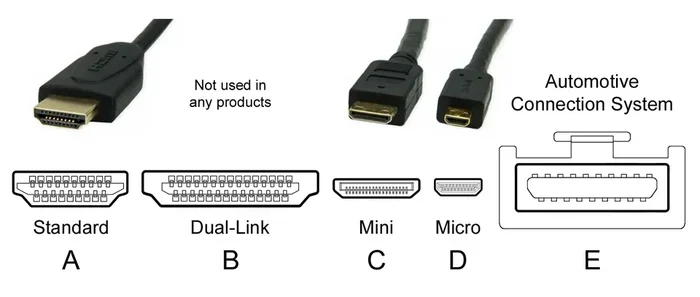
Some older Samsung tablets have a micro HDMI port built in. If your tablet has this port, you can skip the adapter entirely. Just use a micro HDMI to HDMI cable and connect directly to your TV or monitor.
This is the simplest method because there are fewer points of failure. No adapter means no extra piece of equipment that can break or stop working. However, this option is limited to older tablet models.
Method 3: USB-C Hub with HDMI Port
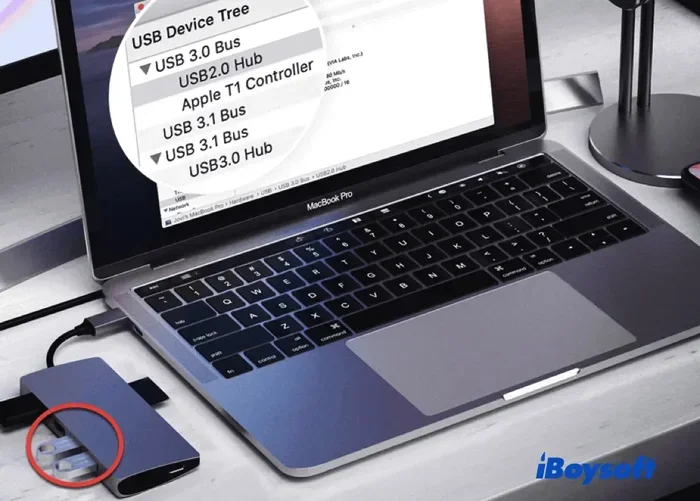
If you need more than just HDMI output, a USB-C hub is a great option. These hubs add multiple ports to your tablet, including HDMI, USB-A, SD card slots, and sometimes even Ethernet. They are perfect for people who want a versatile docking solution.
When choosing a USB-C hub, look for one that supports video output. Not all hubs do. Check the product specifications before buying. A good hub can turn your tablet into a full workstation with multiple displays.
Quick Tips for a Smooth Connection
- Use a high-quality HDMI cable. Cheap cables can cause flickering or no signal at all.
- Make sure your adapter supports the resolution you need. A 1080p adapter will not work for 4K output.
- Restart your tablet before connecting. This clears any temporary glitches that might interfere with the connection.
- Update your tablet’s software. Samsung regularly releases updates that improve display compatibility.
- Try a different HDMI port on your TV if the signal does not appear. Some ports may not work with certain adapters.
Samsung DeX: The Ultimate HDMI Experience
Samsung DeX is one of the best features available on supported Samsung tablets. It stands for Desktop Experience, and it does exactly what the name suggests. When you connect your tablet to an external display via HDMI, DeX transforms the interface into something that looks and feels like a desktop computer.
What You Get with DeX Mode
DeX mode gives you a taskbar at the bottom of the screen, just like Windows or macOS. You can open multiple windows and resize them. You can drag and drop files between apps. You can even use a mouse and keyboard for a full desktop experience.
Here is what makes DeX so powerful:
- Multitasking with multiple windows. Run your email, browser, and documents side by side.
- Keyboard and mouse support. Connect a Bluetooth keyboard and mouse for precise control.
- Running Android apps in desktop format. Apps open in resizable windows instead of full-screen mobile layouts.
- Seamless file management. Access your files through a file explorer similar to Windows Explorer.
- Support for external monitors up to 4K resolution. Enjoy sharp, clear visuals on a big screen.
How to Enable DeX Mode
Enabling DeX is straightforward on supported tablets:
- Connect your Samsung tablet to an external display using a USB-C to HDMI adapter.
- Swipe down from the top of your tablet screen to open the notification panel.
- Look for the DeX mode notification. Tap it to enable the feature.
- Your external display will switch to DeX mode. You can now use your tablet like a desktop computer.
If you do not see the DeX notification, go to Settings, then Advanced Features, and look for DeX mode there. Make sure your tablet is running the latest software version, as older firmware may not include this feature.
DeX Mode vs. Standard Screen Mirroring
It is important to understand the difference between DeX mode and standard screen mirroring. Standard mirroring duplicates your tablet screen exactly as it appears on the tablet. Everything stays in mobile format, including app layouts and navigation buttons.
DeX mode, on the other hand, reimagines the interface for a larger screen. You get a desktop layout with a taskbar, windowed apps, and a more efficient workflow. If you plan to use your tablet for productivity, DeX is the clear winner.
| Feature | Standard Mirroring | Samsung DeX |
|---|---|---|
| Interface Layout | Mobile format | Desktop format |
| Multitasking | Limited | Full windowed multitasking |
| Taskbar | No | Yes |
| Keyboard/Mouse Support | No | Yes |
| Window Resizing | No | Yes |
| Best For | Media consumption | Productivity and work |
Benefits of Using HDMI with Your Samsung Tablet
Using HDMI output on your Samsung tablet comes with several real-world benefits. Let us explore why this feature matters and how it can improve your daily routine.
Better Viewing Experience
A tablet screen is great for personal use, but it falls short when you want to share content with others. Connecting to a TV or projector instantly solves this problem. You can watch videos, present photos, or share documents with a group without squinting at a small screen.
Enhanced Productivity
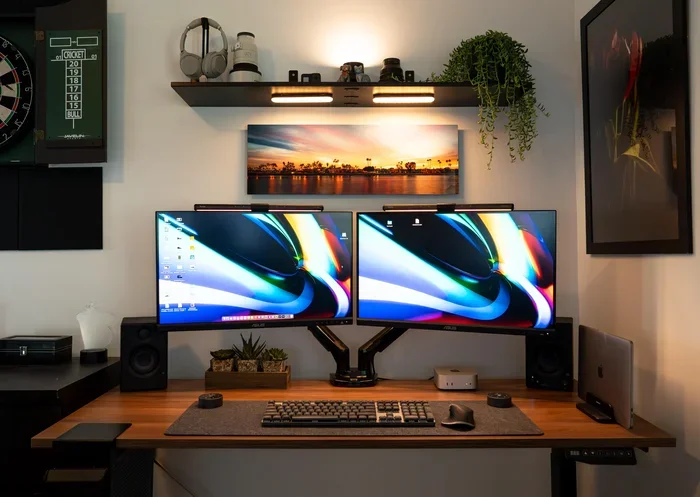
For professionals, HDMI output opens the door to a portable workstation. You can connect your tablet to a monitor in a hotel room, a conference room, or a coffee shop. With DeX mode, you get a full desktop environment that handles emails, spreadsheets, and presentations with ease.
Gaming on the Big Screen
Samsung tablets are powerful enough to run demanding games. But playing them on a 10-inch screen limits the experience. HDMI output lets you cast your game to a 55-inch TV or a projector. The larger screen makes games more immersive and enjoyable, especially for action and adventure titles.
No Wi-Fi Required
Wireless casting methods like Chromecast or AirPlay rely on a stable Wi-Fi connection. If your Wi-Fi is slow or congested, you may experience lag, stuttering, or dropped frames. A wired HDMI connection eliminates these issues entirely. You get a smooth, lag-free signal every time.
Presentations Made Easy
If you give presentations regularly, HDMI output is a lifesaver. You can connect your tablet directly to a projector or display without needing a laptop. The setup is fast, the connection is stable, and you have full control over your slides right from your tablet.
Common Problems and How to Fix Them
Even with the right equipment, you may run into issues when connecting your Samsung tablet to an external display via HDMI. Here are the most common problems and their solutions.
No Signal on the External Display
If your TV or monitor shows no signal, try these steps:
- Check the HDMI cable connection on both ends. A loose cable is the most common cause.
- Make sure your TV is on the correct HDMI input. Use your remote to cycle through the available sources.
- Try a different HDMI cable. A damaged cable can prevent signal transmission.
- Restart your tablet. A fresh start can resolve temporary software glitches.
- Check if your adapter is compatible with your specific tablet model.
Flickering or Distorted Display
A flickering screen usually means the adapter or cable is not fully compatible. Try a different adapter from a reputable brand. Also, check your tablet’s display settings to make sure the output resolution matches your external display’s capabilities.
Audio Not Working Through HDMI
Sometimes the video works but the audio does not. This happens when the tablet sends audio through its own speakers instead of the HDMI connection. Go to your tablet’s Settings, then Sounds and Vibration, and make sure the audio output is set to the HDMI display.
DeX Mode Not Launching Automatically
If DeX mode does not activate when you connect your tablet, try manually enabling it from the notification panel. Also, make sure your tablet is running the latest version of One UI. Older software versions may not support DeX or may have bugs that prevent it from working properly.
Adapter Overheating
Some USB-C to HDMI adapters can get warm during extended use. This is normal for most adapters, but if it becomes too hot to touch, disconnect it and let it cool down. Using a high-quality adapter from a trusted brand reduces the risk of overheating significantly.
Choosing the Right HDMI Adapter for Your Samsung Tablet
Not all HDMI adapters are created equal. Choosing the wrong one can lead to frustration and poor performance. Here is what to look for when shopping for an adapter.
Check Your Tablet’s Port Type
The first step is identifying your tablet’s port. Newer Samsung tablets use USB-C. Older models may have a micro HDMI port or even a standard USB port. Your adapter must match your tablet’s port type exactly.
Look for 4K Support
If you have a flagship Samsung tablet like the Tab S9, you want an adapter that supports 4K resolution at 60Hz. Budget adapters may only support 1080p or 4K at 30Hz. The difference is noticeable, especially when viewing text or fast-moving content.
Choose a Reputable Brand
Cheap, unbranded adapters may seem like a good deal, but they often have compatibility issues. Stick with well-known brands like Samsung, Anker, or Ugreen. These brands test their products thoroughly and offer better customer support.
Consider a USB-C Hub for Versatility
If you need more than just HDMI output, a USB-C hub is the way to go. These compact devices add multiple ports to your tablet, giving you HDMI output, USB-A ports for flash drives, and sometimes even an SD card reader. They are perfect for professionals who need a mobile workstation.
Final Thoughts
Can Samsung tablet take HDMI input? While Samsung tablets do not support HDMI input in the traditional sense, they absolutely support HDMI output. This means you can connect your tablet to a TV, monitor, or projector and enjoy a bigger, better screen experience. Whether you use a USB-C to HDMI adapter or a direct micro HDMI cable, the process is simple and the results are impressive.
Samsung tablets in the Galaxy Tab S series offer the best HDMI experience, especially when paired with Samsung DeX mode. DeX transforms your tablet into a desktop computer, giving you a taskbar, resizable windows, and full multitasking support. It is one of the most compelling reasons to use HDMI output with a Samsung tablet.
If you own a Samsung tablet and have not tried HDMI output yet, now is the perfect time. The right adapter is affordable, the setup takes minutes, and the benefits are immediate. You can stream movies on a big screen, present at work without a laptop, or build a portable productivity setup that fits in your bag.
Take a few minutes to check your tablet model, find the right accessory, and give it a try. You might be surprised at how much more you can do with your Samsung tablet once it is connected to an external display. HDMI output is a simple feature that makes a huge difference, and it is waiting for you to explore it.
Frequently Asked Questions
Can any Samsung tablet connect to a TV via HDMI?
Not every Samsung tablet supports HDMI output. Most modern tablets in the Galaxy Tab S series and newer Tab A models can connect to a TV using a USB-C to HDMI adapter. Older models with micro HDMI ports can connect directly with a cable. Very old or budget models like the Tab A7 Lite may not support HDMI output at all. Always check your specific model before purchasing an adapter.
Do I need Samsung DeX to use HDMI output?
No, you do not need DeX mode to use HDMI output. You can mirror your tablet screen to a TV or monitor without enabling DeX. However, DeX mode unlocks a desktop-like interface with a taskbar, resizable windows, and multitasking support, making it the preferred option for productivity and work-related tasks.
What kind of HDMI adapter do I need for a Samsung Galaxy Tab S9?
For the Galaxy Tab S9, you need a USB-C to HDMI adapter that supports 4K resolution at 60Hz. Samsung makes its own official adapter, but third-party options from brands like Anker and Ugreen work just as well. Make sure the adapter is compatible with your tablet’s USB-C port and supports the resolution you need.
Can I use a USB-C hub instead of a dedicated HDMI adapter?
Yes, a USB-C hub with an HDMI port works just as well as a dedicated adapter. In fact, a hub offers more versatility because it provides additional ports like USB-A, SD card slots, and sometimes Ethernet. If you need more than just HDMI output, a USB-C hub is a great investment.
Why is there no sound when I connect my Samsung tablet to a TV via HDMI?
This usually happens when the tablet sends audio to its own speakers instead of the HDMI output. Go to Settings, then Sounds and Vibration, and check the audio output settings. Make sure it is set to route audio through the HDMI display. Restarting your tablet after connecting can also fix this issue.
Can I use my Samsung tablet as a second monitor for my PC via HDMI?
Samsung tablets can output to an external display via HDMI, but they cannot natively function as a second monitor for a PC in the traditional sense. However, you can use Samsung DeX mode to turn your tablet into a standalone desktop-like device. For true second-monitor functionality, you would need third-party apps like Spacedesk or Duet Display, which use Wi-Fi or USB instead of HDMI.
=== CONCLUSION ===
Samsung tablet HDMI input capabilities open up a world of possibilities for entertainment, productivity, and presentation. While Samsung tablets primarily use HDMI output rather than input, the ability to connect to external displays is incredibly useful. From streaming movies on a big screen to running DeX mode for a desktop-like experience, the benefits are clear and significant.
The key is knowing your tablet model, choosing the right adapter, and understanding the features available to you. With the right setup, your Samsung tablet becomes much more than a portable media player. It becomes a versatile tool that fits seamlessly into your daily life, whether at home, in the office, or on the go.
Take the time to explore what your tablet can do. Try connecting it to your TV or monitor today, and you will wonder how you ever managed without it. HDMI output is one of those features that truly transforms the way you use your device, and it is easier to set up than you might think.