Can You Do A Personal Hotspot With Wi Fi Right Now
Yes, you can do a personal hotspot with Wi Fi right now. Whether you want to share your internet connection with friends or create a portable network on the go, a personal hotspot lets you do exactly that. This guide walks you through everything you need to know, from setup steps to troubleshooting tips, so you can get online fast and stay connected wherever you are.
Have you ever been in a situation where your laptop needed internet, but there was no available Wi Fi network in sight? Maybe you were at a coffee shop, a park, or even at a friend’s house. The frustration of being offline can be real. That is where a personal hotspot comes in handy. Can you do a personal hotspot with Wi Fi right now? The short answer is yes. You absolutely can, and the process is simpler than most people think.
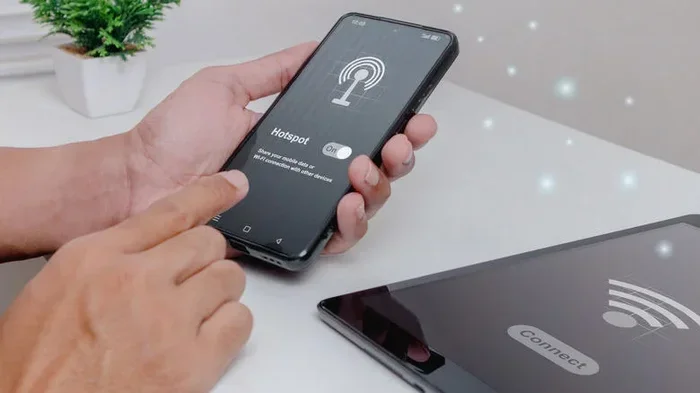
A personal hotspot turns your phone, tablet, or dedicated device into a wireless router. It shares your cellular data connection with other devices nearby. You can connect your laptop, iPad, gaming console, or any Wi Fi enabled device to the internet this way. In this article, we will explore everything about using a personal hotspot with Wi Fi. We will cover how it works, how to set it up, which devices support it, and how to troubleshoot common problems. By the end, you will feel confident creating your own wireless connection anytime, anywhere.
Key Takeaways
- Personal hotspots work with Wi Fi: You can share your cellular data connection wirelessly using built-in device features or third-party apps.
- Setup is simple: Most smartphones and tablets let you turn on a personal hotspot in just a few taps through the settings menu.
- Security matters: Always set a strong password and use WPA2 or WPA3 encryption to keep your hotspot safe from unauthorized users.
- Watch your data usage: Hotspotting uses your cellular data plan quickly, so monitor your consumption and set limits when needed.
- Multiple devices can connect: Most hotspots support between 5 and 10 connected devices at once, depending on your phone or router.
- Troubleshooting is straightforward: Common issues like slow speeds or connection drops can usually be fixed with simple steps like restarting or updating settings.
📑 Table of Contents
- What Is A Personal Hotspot With Wi Fi?
- How To Set Up A Personal Hotspot Using Wi Fi
- Devices That Support Personal Hotspot Over Wi Fi
- Benefits Of Using A Personal Hotspot With Wi Fi
- Common Problems And How To Fix Them
- Tips For A Better Personal Hotspot Experience
- Expert Insights On Personal Hotspot Security
- Comparison: Phone Hotspot Vs Dedicated Mobile Hotspot Device
- Conclusion
What Is A Personal Hotspot With Wi Fi?
A personal hotspot is a feature that lets your device share its internet connection with other gadgets. Think of it as a mini router that lives inside your phone. When you enable this feature, your device broadcasts a Wi Fi signal. Other devices can then connect to that signal and access the internet through your cellular data.
The technical term for this is Wi Fi tethering. It is the same concept as a wireless hotspot or mobile hotspot. The key difference from a regular router is that a personal hotspot uses your cellular data plan instead of a wired broadband connection. This makes it incredibly useful for travel, emergencies, or any situation where you need internet on the go.
Here are some common terms you will hear when talking about personal hotspots:
- Mobile hotspot – Another name for the same feature on most phones.
- Portable hotspot – Refers to using a phone or small device as a hotspot while moving around.
- Internet sharing – The general concept of sharing one connection with multiple devices.
- Network sharing – A broader term that includes Bluetooth and USB tethering too.
- Wi Fi hotspot – Specifically refers to the wireless connection broadcast by your device.
All of these terms describe the same basic idea. Your device acts as a bridge between the cellular network and your other gadgets. The beauty of this technology is that it works almost everywhere there is a cell signal. You do not need any special equipment beyond what is already in your pocket.
How Does A Wi Fi Hotspot Actually Work?
When you turn on your personal hotspot, your phone creates a small local network. This network uses the same Wi Fi standards that your home router uses. Your phone receives data from the cellular network and then sends it out over the air to any connected device. The process works in both directions. Your laptop sends requests, your phone forwards them to the cell tower, and the data comes back through the same path.
The speed you get depends on several factors. Your cellular signal strength plays a big role. If you are in an area with strong 4G or 5G coverage, your hotspot will be fast. If you are in a rural area or inside a building with thick walls, the speed might drop. The number of connected devices also matters. Each device shares the available bandwidth, so more devices means slower speeds for everyone.
How To Set Up A Personal Hotspot Using Wi Fi
Setting up a personal hotspot is straightforward on almost any modern smartphone. The exact steps vary slightly depending on your device, but the process is very similar across iPhones and Android phones. Let us walk through it step by step.
Setting Up A Hotspot On iPhone
Apple makes it really easy to share your connection. Here is how you do it:
- Open the Settings app on your iPhone.
- Tap on Personal Hotspot. You can also find it under Cellular or Mobile Data.
- Toggle on Allow Others to Join.
- Your iPhone will now broadcast a Wi Fi network name. It usually starts with “iPhone’s Personal Hotspot.”
- On your other device, go to Wi Fi settings and select your iPhone’s network.
- Enter the password shown on your iPhone’s hotspot screen.
- You are now connected and ready to browse the internet.
Setting Up A Hotspot On Android
Android phones offer a similar process, though the menu names might differ slightly depending on your brand:
- Open the Settings app on your Android phone.
- Go to Network & Internet or Connections, depending on your phone.
- Tap on Hotspot & Tethering or Mobile Hotspot.
- Toggle on Wi Fi Hotspot.
- Tap on the network name to set a custom name if you want.
- Tap on Hotspot Password to set a secure password.
- On your other device, find the Wi Fi network and enter the password.
- Your connection should be live within seconds.
Quick Tips For A Smooth Setup
- Make sure your cellular data is turned on before enabling the hotspot.
- Choose a unique network name so you can find it easily among other networks.
- Use a strong password with at least 8 characters to prevent unauthorized access.
- If the hotspot does not appear, toggle airplane mode on and off to refresh the connection.
Devices That Support Personal Hotspot Over Wi Fi
You might be wondering which devices can use this feature. The good news is that most modern devices support personal hotspot functionality. Let us break it down by device type.
Smartphones
Almost every smartphone made in the last decade supports personal hotspot features. Both iPhones and Android phones include built-in hotspot capabilities. You do not need to download any extra apps to get this working. The feature is part of the operating system and is ready to use right out of the box.
Some popular phones that work great as personal hotspots include:
- iPhone models from iPhone 6 and newer.
- Samsung Galaxy phones across all recent generations.
- Google Pixel devices with stock Android.
- OnePlus phones with their OxygenOS hotspot features.
- Google Fi and other MVNO phones that support tethering.
Tablets And iPads
iPads with cellular data plans can also act as personal hotspots. Android tablets with SIM card slots can do the same. This is especially handy when you need internet for a laptop but do not have your phone nearby. Some people use their iPad as a hotspot for their laptop during travel.
Dedicated Mobile Hotspot Devices
Beyond phones and tablets, there are dedicated devices designed specifically for this purpose. These are sometimes called portable Wi Fi hotspots or mobile routers. They are small devices that accept a SIM card and broadcast a Wi Fi signal. Brands like Netgear, Huawei, and TP-Link make popular models. These devices often have better battery life and stronger antennas than a phone, making them ideal for long trips or heavy use.
Laptops And Computers
Some laptops also support creating a hosted network, which functions like a personal hotspot. Windows 10 and 11 have a built-in feature called Mobile Hotspot that lets you share your wired or wireless connection with other devices. MacBooks can also share their connection through the Internet Sharing feature in System Preferences.
Benefits Of Using A Personal Hotspot With Wi Fi
There are many reasons why people use personal hotspots. Let us look at the biggest advantages.
Stay Connected Anywhere
The biggest benefit is freedom. You are not tied to a specific location or a Wi Fi network. As long as you have cellular coverage, you can create an internet connection. This is a game changer for travelers, digital nomads, and anyone who works remotely.
Emergency Internet Access
When your home internet goes down or you are stuck somewhere without Wi Fi, a personal hotspot saves the day. You can quickly share your phone’s data connection with your laptop or tablet. This can be crucial for work emergencies or staying in touch with family during a crisis.
Easy Device Sharing
Need to show someone something online but they do not have data on their device? Share your hotspot. Hosting a small gathering and someone needs internet? Share your hotspot. It is a simple and generous way to help others get online.
No Extra Equipment Needed
Unlike a traditional router, you do not need to buy any extra hardware. Your phone already has everything it needs. This makes it a cost effective solution for occasional internet sharing.
Secure Private Connection
When you set up your own hotspot, you control the security. You choose the password, the encryption type, and who can join. This is much safer than connecting to public Wi Fi networks at airports or hotels, which are often vulnerable to attacks.
Common Problems And How To Fix Them
Even though personal hotspots are generally reliable, you might run into issues from time to time. Here are the most common problems and their solutions.
Hotspot Not Showing Up On Other Devices
This is the most frequent complaint. If other devices cannot see your hotspot network, try these steps:
- Turn the hotspot off and back on again.
- Restart your phone completely.
- Make sure your phone is not in airplane mode.
- Check if your carrier allows tethering on your plan. Some plans require a separate tethering add-on.
- Update your phone’s software to the latest version.
Slow Internet Speeds
Slow hotspot speeds can be frustrating. Here is what you can do:
- Move to an area with better cellular signal. Being near a window or outside often helps.
- Disconnect devices you are not actively using.
- Switch from 5G to 4G if 5G signal is weak in your area.
- Check if any background apps on your phone are using up data.
- Restart your phone to clear any network glitches.
Connected Devices Keep Dropping
If your other devices keep losing connection, try these fixes:
- Reduce the distance between your phone and the connected device.
- Turn off battery saver mode on your phone, as it can limit hotspot performance.
- Change the hotspot band from 5GHz to 2.4GHz for a more stable connection over longer distances.
- Make sure your phone is not overheating, as thermal throttling can affect performance.
Data Usage Is Too High
Hotspotting can eat through your data plan quickly. To manage this:
- Monitor your data usage in your phone’s settings under Data Usage or Cellular Data.
- Set a data warning or data limit in your phone’s settings.
- Avoid streaming HD video or downloading large files over a hotspot.
- Use Wi Fi whenever it is available instead of relying on your hotspot.
Tips For A Better Personal Hotspot Experience
Want to get the most out of your personal hotspot? Follow these practical tips.
Keep Your Hotspot Password Secure
Always use a strong, unique password for your hotspot. A weak password means strangers could connect to your network and use your data. Use a mix of letters, numbers, and symbols. Change the default password that comes with your device.
Manage Connected Devices
Most phones let you see which devices are currently connected to your hotspot. Check this list regularly. If you see an unfamiliar device, remove it from the network immediately. You can also set a limit on the number of devices that can connect.
Use A Hotspot App For Advanced Features
Some third-party apps offer extra features for managing your hotspot. These apps can help you monitor data usage, set time limits, and control which devices connect. Just make sure to download apps from trusted sources like the App Store or Google Play.
Charge Your Phone While Using Hotspot
Running a hotspot drains your battery fast. Your phone is working hard to maintain a wireless network and process data for multiple devices. Keep your phone plugged in while using the hotspot for extended periods. A portable battery pack is also a great backup option.
Know Your Data Plan Limits
Before you rely on your hotspot regularly, understand your data plan. Check with your carrier about tethering limits and any extra charges. Some plans include unlimited hotspot data, while others cap it at a few gigabytes per month. Knowing your limits helps you avoid surprise bills.
Expert Insights On Personal Hotspot Security
Security is a big concern when sharing your internet connection. Here are some expert tips to keep your hotspot safe.
Always use WPA2 or WPA3 encryption. These are the most secure encryption standards available for Wi Fi networks. Avoid using WEP, as it is outdated and easily cracked. When you set up your hotspot, check the security settings and make sure you are using the strongest option available.
Disable your hotspot when you are not using it. An active hotspot that nobody is connected to still broadcasts a network name. This makes your phone a potential target. Turn it off when you do not need it.
Never use your hotspot for sensitive transactions on public networks. Even though your hotspot is private, the device connecting to it might be on an untrusted network. Use a VPN for extra protection when handling banking or personal information.
Update your device regularly. Software updates often include security patches that fix vulnerabilities. Keeping your phone updated ensures your hotspot remains secure against the latest threats.
Comparison: Phone Hotspot Vs Dedicated Mobile Hotspot Device
You have two main options for creating a personal hotspot: using your phone or buying a dedicated device. Here is a quick comparison.
| Feature | Phone Hotspot | Dedicated Hotspot Device |
|---|---|---|
| Cost | No extra cost | $50 to $200 for the device |
| Battery Life | Drains quickly | Longer battery life |
| Portability | Already in your pocket | Small and lightweight |
| Signal Strength | Good, depends on phone | Often better with external antennas |
| Device Limit | 5 to 10 devices | 10 to 32 devices |
| Setup Ease | Very easy | Requires initial configuration |
| Best For | Occasional use | Frequent or heavy use |
For most people, using your phone as a hotspot is the easiest and most cost effective option. But if you travel frequently or need to connect many devices for long periods, a dedicated hotspot device might be worth the investment.
Conclusion
Can you do a personal hotspot with Wi Fi right now? Absolutely yes. You have everything you need already in your pocket. Whether you use your phone, tablet, or a dedicated device, sharing your internet connection has never been easier. The setup takes just a few minutes, and the benefits are huge. You stay connected anywhere, you handle emergencies with ease, and you avoid the risks of public Wi Fi networks.
Remember to keep your hotspot secure with a strong password. Watch your data usage so you do not hit unexpected limits. And troubleshoot common issues quickly with the tips we shared. With a little practice, using a personal hotspot becomes second nature. So go ahead, turn on your hotspot, and stay connected wherever life takes you.
Frequently Asked Questions
Can I use a personal hotspot with Wi Fi on any phone?
Most smartphones made in the last 8 to 10 years support personal hotspot features. Both iPhones and Android phones include built-in hotspot functionality. You do not need any special apps or extra hardware to get started.
Does using a personal hotspot drain my phone battery quickly?
Yes, running a hotspot uses a lot of battery power because your phone is constantly sending and receiving data. To conserve battery, keep your phone plugged in while using the hotspot, reduce screen brightness, and close apps you are not using.
How many devices can connect to a personal hotspot at once?
Most phones allow between 5 and 10 devices to connect simultaneously. Dedicated hotspot devices can support even more, sometimes up to 32 devices. The exact number depends on your phone model and carrier settings.
Is it safe to use a personal hotspot in public places?
Yes, it is much safer than connecting to public Wi Fi. Your hotspot is encrypted and password protected. Only devices with the correct password can join your network. This gives you far more control over your connection security.
Can I change the name and password of my personal hotspot?
Absolutely. Both iPhone and Android let you customize your hotspot name and password. Go to your hotspot settings and look for the network name and password options. Choose something memorable and use a strong password with at least 8 characters.
Will my carrier charge extra for using a personal hotspot?
Some carriers include hotspot data in your plan, while others charge separately or cap your hotspot data. Check your plan details or contact your carrier to understand any additional costs. Many unlimited plans now include a set amount of hotspot data each month.