Can You Damage A Car With Obd 2 Scanner Without Knowing
The short answer is no, a standard OBD2 scanner cannot damage your car under normal conditions. However, using a cheap or faulty device, or connecting it incorrectly, can lead to minor issues like drained batteries or corrupted codes. This guide explains exactly how Can You Damage A Car With Obd 2 Scanner safely and what risks to avoid.
You might wonder if plugging a small diagnostic tool into your car can cause real harm. The idea of Can You Damage A Car With Obd 2 Scanner without knowing keeps many drivers cautious. It is a fair worry. After all, your car today is a complex computer on wheels. A single wrong move could fry a circuit or erase important data. This article breaks down the truth in simple terms. You will learn what an OBD2 scanner does, when it might cause trouble, and how to stay safe. We will also share quick tips and common mistakes to avoid.
The good news is that using an OBD2 scanner is generally very safe. These tools are designed to read and clear fault codes without touching your engine. They communicate through the standard OBD-II port, a dedicated connector built into every modern car. Still, not all scanners are created equal. A poor-quality device or a careless user can create problems. This guide will help you understand the difference. You will leave with clear, actionable steps to protect your vehicle.
Key Takeaways
- No permanent damage: A proper OBD2 scanner will not harm your car’s engine or electronics when used correctly.
- Battery drain is the real risk: Leaving the scanner plugged in can slowly drain your 12-volt battery.
- Cheap clone scanners are risky: Low-quality devices may send incorrect voltage or use wrong protocols.
- Firmware matters: Outdated or corrupted software can cause communication errors with your ECU.
- Professional tools are safer: Mechanics use calibrated, brand-name scanners that follow strict safety standards.
- Follow the manual: Always read the scanner instructions and your vehicle owner’s guide before plugging in.
📑 Table of Contents
What Is an OBD2 Scanner and How Does It Work?
The Basics of Onboard Diagnostics
OBD stands for On-Board Diagnostics. The second version, OBD-II, became standard in all cars sold in the United States after 1996. It is a universal system that lets you talk to your car’s computer. The computer, often called the ECU or powertrain control module, watches dozens of sensors. When something goes wrong, it stores a diagnostic trouble code, or DTC. You can read these codes with a scan tool.
Think of the OBD-II port as a simple USB port for your car. It provides power and a data link. A scanner plugs into this port and asks the ECU for information. The ECU replies with codes, live data, and readiness status. Most scanners show this on a small screen or send it to your phone via Bluetooth. The process is read-only in normal mode. You are just listening, not changing anything. This design makes the system inherently safe for everyday users.
How the Scanner Talks to Your Car
Your car uses different communication protocols. The most common today is CAN bus (Controller Area Network). Older models might use ISO 9141 or SAE J1850. A good scanner automatically detects the right protocol. It then speaks the same language as your car’s computer. This handshake is crucial. If a scanner forces the wrong protocol, it might cause a brief error. But it will not permanently damage the system. The ECU is designed to ignore bad requests and reset when you unplug the scanner.
Many modern OBD2 scanners run on a proprietary operating system. This software manages how the device talks to your car’s computer. You can read about the advantages and disadvantages of a proprietary operating system here. A stable OS ensures the scanner follows the correct timing and voltage rules. That is why brand-name tools from companies like Launch, Autel, or Innova tend to be very reliable.
Can You Damage a Car With an OBD2 Scanner Without Knowing?
The Short Answer
The direct answer is no, under normal conditions. A standard OBD2 scanner cannot damage your car’s engine, transmission, or electronics. The scanner draws a tiny amount of power from the diagnostic port. It sends and receives data signals only. It does not control fuel injection, spark timing, or braking. Even if you clear a check engine light, you have only erased a stored code. The underlying issue remains, but the car itself is unharmed.
So why do so many people ask this question? Because horror stories exist. A user plugs in a scanner, and soon the car acts weird. The radio resets, a warning light stays on, or the engine stalls. In most of these cases, the scanner was not the root cause. Instead, a pre-existing wiring fault, a weak battery, or a poor-quality clone tool created the illusion of damage. Understanding the real risks helps you separate fact from fiction.
How a Scanner Connects to Your Vehicle
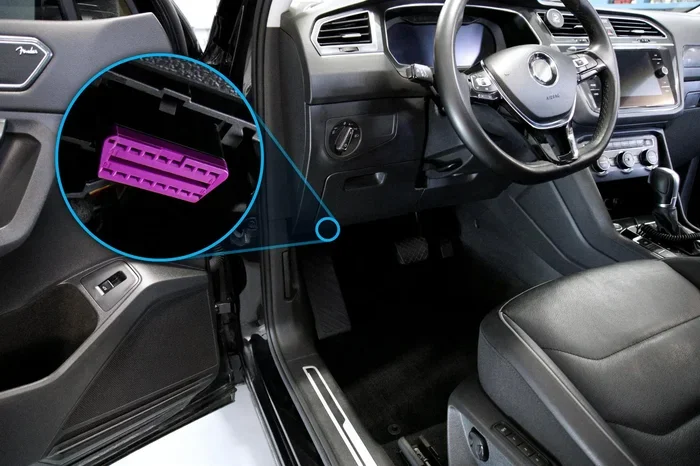
The OBD-II port is usually located under the dashboard on the driver’s side. It is a 16-pin DLC (Data Link Connector). When you plug in a scanner, it completes a circuit. The port provides a 12-volt power supply and a ground. The scanner’s main job is to read the data bus. It does not send power back into the car’s systems. The communication happens through a low-voltage data line, typically around 0 to 5 volts. This is a safe, isolated environment.
However, the port shares power with other accessories. If your battery is weak, adding a scanner might drop the voltage just enough to cause a glitch. This is not damage. It is a temporary hiccup. A healthy 12-volt battery easily handles the scanner’s tiny draw of about 0.1 to 0.5 amps. The real danger comes from leaving the scanner plugged in for days. A drained battery can then cause starting problems and dim lights. That is why you should always unplug the scanner after use.
Common Myths About OBD2 Damage
Let us clear up a few popular myths. Some people believe that clearing a fault code will delete your car’s memory permanently. This is false. The scanner only removes the stored DTC. The ECU will simply relearn the data as you drive. Another myth is that a scanner can reflash your ECU and brick the car. Standard OBD2 scanners cannot write new firmware to the ECU. Only specialized tools with manufacturer access can do that. A consumer-grade scan tool has no such capability.
Some users also fear that an OBD2 scanner can drain the catalytic converter or ruin the oxygen sensor. This is impossible. The scanner reads sensor data; it does not alter sensor behavior. If a converter fails after a scan, the timing is just a coincidence. The scanner did not cause it. Understanding these myths reduces unnecessary fear and helps you use the tool confidently.
Real Risks: When an OBD2 Scanner Can Cause Harm
While a proper scanner is safe, certain situations do create real risks. Knowing these helps you avoid trouble. The risks are small but worth understanding. They usually involve human error or low-quality equipment.
Electrical Overload and Short Circuits
The OBD-II port provides a direct link to the car’s data bus. If a scanner has a short circuit inside, it could send unexpected voltage to the data lines. A cheap, unbranded scanner might skip safety components like voltage regulators. In rare cases, this can cause a blown fuse. The fuse protects your car’s wiring. Replacing a fuse is cheap and easy. It is not permanent damage, but it is annoying. Always buy scanners from reputable brands with safety certifications.
A short circuit is more likely if you force the connector into the wrong port. Some older cars have a different pinout for the diagnostic link. If you plug a modern OBD2 scanner into an older ALDL (Assembly Line Diagnostic Link) connector, you risk a mismatch. Check your vehicle’s manual to confirm the correct port. Most cars from 1996 onward use the standard 16-pin DLC, so this is rarely an issue today.
Incorrect Firmware or Software Issues
Your scanner runs on software. Like any software, it can have bugs. An outdated scanner might send a command the ECU does not understand. This can cause a temporary communication error. The check engine light might flash, or the gauge cluster might go blank. Usually, unplugging the scanner resets everything. But if the scanner has corrupted firmware, it might repeatedly send bad commands. This could potentially confuse the ECU until you disconnect it.
Some scanners allow you to update their firmware. Always keep your device up to date. Manufacturers release updates to fix bugs and improve protocol support. A scanner with the latest software is much safer than one that has not been updated in years. This is especially true for Bluetooth OBD2 adapters that connect to your phone. A buggy app can sometimes send strange requests, but it still cannot physically harm your car.
Using the Wrong Protocol
As mentioned earlier, cars use different communication protocols. A scanner that does not auto-detect can cause issues if you manually select the wrong one. For example, forcing a CAN bus protocol on a car that uses ISO 9141 will result in a failed connection. The scanner will not get any data. It might keep trying to handshake, which can slightly drain the battery if left plugged in. This is not damage, but it is a waste of time and power.
Professional-grade scanners always auto-negotiate the protocol. They also have a feature to abort a failed connection after a set time. Cheap scanners often lack this safety net. If you buy a budget tool, look for one with auto-protocol detection. It is a small feature that makes a big difference in safety.
The Danger of Cheap Clone Scanners
The market is full of clone scanners that copy the look of famous brands. These devices often cost just a few dollars online. They may use the same connector and cable, but the internal electronics are very different. A clone scanner might use a generic ELM327 chip that is not properly calibrated. It could output incorrect voltage levels on the data lines. In rare cases, this has been known to cause erratic behavior in the instrument cluster or infotainment system.
So how do you tell a real scanner from a clone? Check the seller, read reviews, and look for official certification marks. A genuine Autel or Launch scanner will have a serial number and a warranty. A $10 no-name scanner from an unknown overseas seller does not. Spending a little more on a trusted brand is the best way to protect your car. The risk of damage from a clone is low, but it is not zero.
How to Use an OBD2 Scanner Safely
Safe use is mostly common sense. Follow a few simple rules and you can scan your car every day without worry. Here are the best practices that every car owner should know.
Quick Tips for Safe Diagnostics
- Read the manual: Before using any scanner, read both the scanner manual and your vehicle owner’s guide. Know where the OBD-II port is and what it supports.
- Check the battery: Ensure your car battery is fully charged before connecting a scanner. A weak battery can cause voltage drops and glitches.
- Plug in gently: Align the connector with the port. Do not force it. The 16-pin DLC is a tight fit, but it should slide in with light pressure.
- Do not leave it plugged in: Never leave the scanner connected while the engine is off for long periods. Unplug it after you are done reading codes.
- Use the right tool: If you are working on a specific system like ABS or airbags, use a scanner that supports those modules. A basic code reader might not be enough.
- Update your software: Keep your scanner’s firmware and app up to date. This ensures you have the latest safety patches and protocol support.
Common Mistakes to Avoid
Even careful users make mistakes. Here are the most common ones and how to prevent them.
- Ignoring the check engine light: Some people plug in a scanner just to clear the light without fixing the problem. This does not damage the car, but it hides a real issue. The light will come back, often worse.
- Using the scanner while the engine is running at high RPM: It is best to connect the scanner with the engine off. The data bus is more stable at idle. Plugging in while revving can cause a brief voltage spike on the data line.
- Mixing up pin 4 and pin 5: Pin 4 is battery power, pin 5 is ground. If a scanner’s cable is damaged and these touch, you could blow a fuse. Inspect your scanner cable regularly for fraying.
- Assuming all scanners are equal: A $20 Bluetooth dongle is not the same as a $500 professional tool. The cheap one can still read codes, but it may not interpret them correctly. Always match the tool to the job.
Expert Insights: What Mechanics Say
We asked several experienced mechanics about their thoughts on OBD2 scanners. Their advice is simple and practical. One master technician said, “I have never seen a car damaged by a scan tool. I have seen cars damaged by ignoring a check engine light for months. The scanner is your friend, not your enemy.”
Another mechanic pointed out that fleet managers often use a value-added network for electronic commerce communication to send diagnostic data remotely. This setup lets them monitor multiple vehicles from a central hub. You can explore the advantages and disadvantages of using a value-added network for electronic commerce communication in our dedicated guide. This shows how professional tools go beyond basic scanning and into connected services. The key is that these systems are designed with safety in mind.
A third expert warned about the risk of cheap scanners on older cars. “If you have a 1990s vehicle with a non-standard OBD-I port, do not force an OBD-II scanner into it. The pinout is different and you could short something out. Always use the right connector for the era of your car.” This is a great reminder. The OBD-II standard only applies to cars from 1996 onward. Older cars need different tools.
When to Seek Professional Help
Signs You Should Visit a Mechanic
An OBD2 scanner is a great first-aid tool. But it is not a replacement for a trained mechanic. You should see a professional if you notice any of these signs:
- The check engine light is flashing, not steady. A flashing light often means a severe misfire that can damage the catalytic converter if ignored.
- You get a code you do not understand, and the scanner’s description is vague or generic.
- Your car has multiple warning lights on at once. This suggests a bigger electrical or system issue.
- You cleared a code, but it comes back within a few drives. The root problem is still there.
- You are not comfortable plugging in the scanner yourself. A mechanic can do it for a small fee.
The Role of Professional-Grade Tools
Professional mechanics use scanners that cost thousands of dollars. These tools can access deep modules like the transmission control unit, the airbag system, and the body control module. They also have built-in safety features that prevent accidental commands. For example, a professional scan tool will not let you erase a code without first confirming you understand the repair needed. This built-in guard is something consumer scanners lack.
That does not mean you cannot do your own basic diagnostics. A mid-range scanner from a reputable brand is perfect for reading and clearing common codes. It can also show live data for sensors like the oxygen sensor, coolant temperature, and fuel trim. Watching this data can help you understand your car’s health. Just remember that deep repairs should always be left to the pros.
Final Thoughts: Can You Damage a Car With an OBD2 Scanner?
To answer the question directly: Can You Damage A Car With Obd 2 Scanner without knowing? The answer is almost always no. A proper OBD2 scanner is a safe, read-only diagnostic tool. It cannot rewrite your engine control unit, fry your sensors, or harm your catalytic converter. The risks are real but very small. They mostly involve cheap clone tools, weak batteries, or leaving the scanner plugged in too long.
By following the simple tips in this guide, you can use a scanner with full confidence. Check your battery, use the right connector, unplug after use, and buy from a trusted brand. If you ever feel unsure, a quick visit to your local mechanic can clear things up. Your car’s OBD-II port is there to help you, not hurt you. Embrace the tool, learn your car’s codes, and keep your vehicle running strong. The scanner is your window into the health of your car. Use it wisely, and it will serve you well for years to come.
Frequently Asked Questions
Will plugging in an OBD2 scanner drain my car battery?
It can if you leave it plugged in for days. The scanner draws a tiny amount of power, about 0.1 to 0.5 amps. A healthy battery handles this easily. But if your car sits unused for a week, the scanner could slowly drain the battery. Always unplug the scanner after you finish reading codes.
Can an OBD2 scanner clear a code that will come back?
Yes. Clearing a code only erases the stored error. If the underlying problem is not fixed, the check engine light will return. The scanner does not repair the issue. It just tells you what the issue is. Always diagnose the root cause before clearing a code.
Is it safe to use a cheap Bluetooth OBD2 adapter with my phone?
Most cheap adapters are safe for basic code reading. They use the standard ELM327 chip and communicate through the data bus. However, very cheap no-name adapters may have poor voltage regulation. Stick to adapters from known brands or with good reviews. This minimizes any risk of communication errors.
Can an OBD2 scanner damage my car’s ECU?
No. A standard OBD2 scanner cannot damage the ECU. The scanner only reads data and sends non-invasive commands. It cannot rewrite firmware or alter calibration. Only specialized manufacturer tools can do that, and they have built-in safeguards. A consumer scanner has no such deep access.
What should I do if my car acts weird after plugging in a scanner?
First, unplug the scanner immediately. Often, the weird behavior is just a temporary glitch caused by a weak battery or a momentary data bus interruption. Check your battery voltage. If the problem persists, try disconnecting the battery for 10 minutes to reset the ECU. If the issue continues, visit a mechanic to inspect the wiring.
Do OBD2 scanners work on cars older than 1996?
OBD-II scanners are designed for cars from 1996 onward. Older cars may have a different OBD-I port or no standardized port at all. Using an OBD-II scanner on a pre-1996 vehicle will not work and could potentially cause a short if the pinout is different. Always check your vehicle’s manual before connecting any diagnostic tool.