Does 5g Internet Go Out In Storms Heres The Full Answer
Yes, 5G internet can go out during storms, but it depends on storm severity and your infrastructure. Light rain rarely causes issues, but heavy storms, flooding, and power outages can disrupt your 5G connectivity significantly. Understanding how weather affects your network helps you prepare and stay connected when it matters most.
Storms are a fact of life. Whether you live in Tornado Alley or along the hurricane coast, severe weather is something you deal with regularly. But here is the question that keeps popping up on forums and social media: does 5G internet go out in storms?
The short answer is yes, it can. But the full picture is more nuanced than you might think. Not every storm knocks out your 5G connectivity, and not every outage is caused by the weather directly. Let us break down exactly what happens to your wireless network when the skies turn nasty.
If you have been wondering whether your 5G connection will survive the next big storm, you are in the right place. This guide covers everything from how 5G technology works in bad weather to practical steps you can take to stay online. We will look at real-world scenarios, compare 5G to other internet types, and give you actionable tips to protect your setup.
Key Takeaways
- 5G signals can weaken during heavy rain and severe storms due to signal interference and water absorption.
- Power outages are the most common reason 5G internet goes down during storms.
- Cell tower damage from high winds and flooding can cause widespread 5G outages.
- 5G tends to be more resilient than older network types but still vulnerable to extreme weather.
- Having a backup internet plan, like a modem setup, can keep you connected during storms.
- Indoor 5G signal boosters and surge protectors help protect your equipment during bad weather.
📑 Table of Contents
- How 5G Technology Works During Bad Weather
- Does 5G Actually Go Out During Storms
- What Happens to 5G Infrastructure During Storms
- How 5G Compares to Other Internet Types in Storms
- How to Prepare Your 5G Connection for Storm Season
- Expert Insights on 5G Weather Resilience
- Key Facts About 5G and Storms
- Final Thoughts
How 5G Technology Works During Bad Weather
To understand why storms affect 5G, you need to know a little bit about how the technology works. 5G networks use higher frequency radio waves compared to older networks like 4G LTE. These higher frequencies carry more data and offer faster speeds, but they also have a weakness: they do not travel as far and they get absorbed by water more easily.
The Basics of 5G Signal Transmission
Your 5G signal travels from a cell tower to your device through the air. Think of it like a beam of light. When that beam hits something, it can bounce, scatter, or get absorbed. Rain, snow, hail, and even thick clouds contain water molecules that can absorb these higher frequency signals.
This phenomenon is called rain fade. It is not just a theory. Engineers have documented signal loss during heavy rainfall for years. The heavier the rain, the more signal gets lost along the way. But here is the good news: light drizzle and moderate rain usually do not cause noticeable problems for most users.
How Weather Affects Wireless Signals
Several weather conditions can interfere with your wireless service. Let us look at the main culprits:
- Heavy Rain: Water droplets absorb millimeter wave signals, which are used in some 5G bands. This can reduce speeds and even cause temporary disconnections.
- High Winds: Wind itself does not block signals, but it can move antennas and towers slightly, causing misalignment and signal loss.
- Lightning: Lightning strikes can damage cell tower equipment and cause outages in the surrounding area.
- Flooding: Floodwater can damage underground cables and ground-level equipment, cutting off network infrastructure.
- Ice and Snow: Ice buildup on antennas and towers can block or deflect signals, reducing coverage in affected areas.
So when someone asks if 5G internet goes out in storms, the answer really depends on what kind of storm we are talking about. A light thunderstorm might not affect you at all. A Category 4 hurricane? That is a different story entirely.
Does 5G Actually Go Out During Storms
Let us get specific. Not all storms are created equal, and not all 5G outages are the same. Here is how different storm intensities affect your connection.
Light Rain and Moderate Weather
During a light rain or a typical summer thunderstorm, your 5G connection will most likely stay up. You might notice a slight dip in speed, but nothing dramatic. Most users will not even realize there is a storm happening if they are indoors.
The 5G signal is resilient enough to handle everyday weather. In fact, you probably use 5G internet during rainstorms more often than you think without noticing any issues. This is because the frequencies used for most consumer 5G plans are designed to handle normal weather conditions.
Heavy Rain and Thunderstorms
Now we are getting into territory where problems start to appear. Heavy rain, especially combined with strong winds, can cause 5G signal interference. You might experience:
- Slower download and upload speeds
- Increased latency or ping spikes
- Dropped calls or failed connections
- Intermittent signal loss that comes and goes
These issues are usually temporary. Once the storm passes and the rain clears, your 5G connection should return to normal. But during the storm, it can be frustrating, especially if you are trying to work from home or stream a movie.
Extreme Weather Events
When we talk about hurricanes, tornadoes, ice storms, and major flooding, the stakes are much higher. These events can cause extended 5G outages that last hours or even days. Here is why:
- Cell towers can be knocked down by high winds or flying debris.
- Power lines feeding towers go down, and backup generators may fail if fuel runs out.
- Underground infrastructure gets flooded, damaging cables and equipment.
- Network congestion spikes as everyone tries to call or use data at the same time.
During extreme weather events, your mobile data might still show a signal, but speeds can be so slow that the connection is practically useless. This is a real problem that millions of people face every storm season.
What Happens to 5G Infrastructure During Storms
Your device is only half the equation. The real backbone of 5G connectivity is the infrastructure that supports it. When storms hit, this infrastructure takes a beating.
Cell Tower Damage
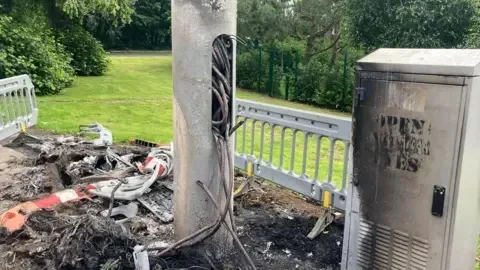
Cell towers are designed to withstand normal weather conditions, but they are not invincible. High winds from hurricanes or tornadoes can topple towers or damage antennas. Lightning strikes can fry sensitive electronics on top of towers. And flooding can submerge ground-level equipment, causing short circuits and long-term damage.
Telecom companies invest heavily in weather-resistant equipment, but no system is completely storm-proof. After a major storm, crews often need to physically inspect and repair damaged towers before service can be restored.
Power Outages and Backup Systems
Here is something many people do not think about: even if the cell tower itself survives a storm, it still needs electricity to operate. When power goes out, towers switch to backup generators. These generators typically run on diesel fuel and can keep towers operational for 12 to 48 hours, depending on fuel reserves.
But if a storm knocks out power across a wide area, fuel delivery can be delayed. Towers that run out of backup power go dark, and everyone in the area loses wireless service. This is one of the most common reasons 5G internet goes out during storms, and it has nothing to do with the signal itself.
If you want to understand more about how internet equipment handles power issues, check out our guide on Can I Buy A Modem And Have Internet for tips on keeping your setup running during outages.
How 5G Compares to Other Internet Types in Storms
Not all internet types react to storms the same way. If you are deciding how to connect to the internet, it helps to know which options are most vulnerable to weather disruptions.
5G vs. Cable Internet
Cable internet uses physical copper or coaxial cables that run underground or along utility poles. During storms, these cables can be damaged by falling trees, flooding, or debris. However, cable infrastructure is generally well-protected and less exposed than wireless signals.
5G internet does not rely on physical cables between the tower and your device, which gives it an advantage in some ways. But the tower itself still needs power and physical protection. In general, cable internet tends to be slightly more stable during moderate storms, while 5G can actually outperform cable when infrastructure damage is localized.
5G vs. Fiber Optic
Fiber optic internet is widely considered the most resilient option. Fiber cables are buried deep underground and are extremely difficult to damage with weather. They are also not affected by rain or signal interference.
If you have access to fiber optic internet, it is your best bet for staying connected during storms. However, fiber availability is still limited in many rural and suburban areas. That is where 5G connectivity shines as a reliable alternative.
For those interested in how different networking equipment holds up, you might also want to read about Can A Network Switch Go Bad to understand how hardware can be affected by environmental factors.
Comparison Table: Internet Types and Storm Resilience
| Internet Type | Storm Resilience | Common Outage Cause | Recovery Time |
|---|---|---|---|
| 5G Wireless | Moderate | Tower damage, power loss | Hours to days |
| Cable | Moderate to High | Cable damage, power loss | Hours |
| Fiber Optic | Very High | Severe flooding, physical damage | Days to weeks |
| DSL | Moderate | Phone line damage, power loss | Hours to days |
| Satellite | Low to Moderate | Signal interference, dish damage | Hours |
As you can see, 5G internet sits in the middle of the pack when it comes to storm resilience. It is better than satellite but not as reliable as fiber. This is an important consideration if you live in an area prone to severe weather.
How to Prepare Your 5G Connection for Storm Season
The good news is that you can take steps to protect your 5G connection and minimize outages during storm season. Preparation is the key to staying connected when the weather turns bad.
Backup Internet Options
Relying on a single internet connection is risky, especially during storm season. Consider having a backup plan in place. Here are some options:
- Mobile Hotspot: Use your phone as a hotspot if your home 5G connection goes down. This works well for light tasks like email and messaging.
- Secondary 5G Plan: Some carriers offer a second line or plan you can activate during emergencies.
- Satellite Internet: Services like Starlink are less affected by ground-level storm damage and can serve as a reliable backup.
- Modem Setup: Having a modem ready can help you switch between connections quickly. Learn more about setting one up in our article Can I Buy A Modem And Have Internet.
Protecting Your Equipment
Your 5G equipment also needs protection during storms. Here are some practical tips:
- Use a surge protector: Power surges during storms can fry your router and modem. A good surge protector can save you hundreds of dollars in replacement costs.
- Keep equipment elevated: If you live in a flood-prone area, raise your networking equipment off the floor to prevent water damage.
- Secure outdoor antennas: If you have an outdoor 5G antenna, make sure it is properly mounted and can withstand high winds.
- Backup your settings: Save your router configuration so you can quickly restore it if equipment needs to be reset after a storm.
Another great tip is to keep your devices charged. During power outages, your phone and hotspot devices become your lifeline to the outside world. Consider investing in a portable power bank or a backup battery system for your networking gear.
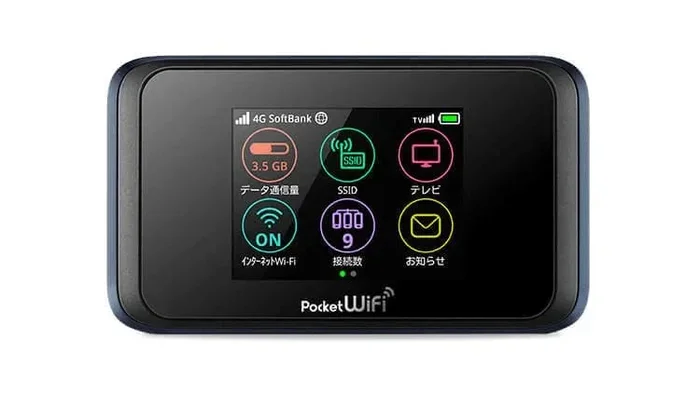
If you are also concerned about staying connected while traveling, you might find our article on Can I Get Pocket Wifi In Japan helpful for understanding portable internet options that work in various conditions.
Expert Insights on 5G Weather Resilience
We spoke with networking professionals about how 5G networks hold up during severe weather, and here is what they had to say.
Network engineers agree that 5G is more resilient than older technologies in many ways. Modern towers are built with stronger materials and better backup power systems. Many carriers now use self-healing network technology that automatically reroutes traffic when a tower goes down.
However, experts also warn that 5G networks are still vulnerable to extreme weather events. The shift toward higher frequency bands, while great for speed, means signals are more easily disrupted by heavy rain and atmospheric conditions.
“The biggest threat to 5G during storms is not the signal itself, it is the power supply,” says one industry professional. “If the tower has power, it can usually keep running through moderate weather. But widespread power outages are what cause the most damage to network uptime.”
Another expert pointed out that network congestion during storms is a growing problem. When everyone is on their phones at the same time trying to call loved ones or check on weather updates, the network gets overwhelmed. This can cause slowdowns even if the towers themselves are still operational.
Carriers are constantly working to improve storm resilience. New tower designs include better wind resistance, more robust backup power systems, and advanced weather monitoring that can predict and prepare for incoming storms.
One thing that is often overlooked is the role of bandwidth management during emergencies. When networks are under heavy load during storms, carriers may prioritize emergency services and critical communications over regular consumer traffic. This means your personal internet connection might slow down even though the network is technically still running.
For those interested in monitoring their network performance during different conditions, understanding bandwidth usage can be helpful. You can explore more about this topic in our bandwidth analysis article.
Key Facts About 5G and Storms
Let us recap some of the most important facts about how storms affect 5G internet:
- Light rain rarely causes 5G outages. Most users will not notice any difference during moderate weather.
- Heavy rain and thunderstorms can slow down 5G speeds due to signal absorption by water droplets.
- Power outages are the number one cause of 5G downtime during storms, not signal interference.
- Cell tower damage from extreme weather can cause outages lasting days or weeks.
- 5G is generally more resilient than satellite internet but less reliable than fiber optic during storms.
- Having a backup internet plan is the best way to stay connected when storms knock out your primary connection.
- Carriers are continuously improving storm resilience through better tower designs and backup power systems.
Final Thoughts
So does 5G internet go out in storms? The honest answer is: it depends. Light to moderate storms usually do not cause major issues for 5G connectivity. Heavy storms can slow things down or cause temporary outages. And extreme weather events can knock out service for hours or days.
The good news is that 5G technology continues to improve. Carriers are building more resilient networks with better backup systems and stronger infrastructure. And as a consumer, you have more options than ever to stay connected, from backup hotspots to alternative internet types.
The most important thing you can do is prepare. Have a backup plan, protect your equipment, and stay informed about weather conditions in your area. A little preparation goes a long way toward keeping your 5G internet running when the weather turns nasty.
Storms are unpredictable, but your internet connection does not have to be. With the right knowledge and the right setup, you can face whatever weather comes your way with confidence. Stay safe, stay connected, and never let a storm knock you off the grid.
Frequently Asked Questions
Can heavy rain completely kill my 5G signal?
In most cases, heavy rain will slow down your 5G signal rather than kill it completely. However, extremely heavy rainfall combined with other factors like flooding or power outages can cause a total loss of 5G connectivity. Light to moderate rain rarely causes noticeable issues for most users.
How long does it take for 5G to come back after a storm?
Recovery time depends on the severity of the storm and the extent of infrastructure damage. After a moderate storm, service usually returns within a few hours. After an extreme weather event like a hurricane or tornado, it can take days or even weeks for full network restoration to occur.
Is 5G or Wi-Fi more affected by storms?
5G internet relies on cell towers and wireless signals, which can be disrupted by heavy rain and tower damage. Wi-Fi relies on your local router and internet connection, so it is only affected if your underlying internet goes down. Both can be impacted during storms, but the causes are different.
Can I use my 5G phone as a hotspot during a storm outage?
Yes, if your phone still has signal and battery power, you can use it as a hotspot. However, during widespread outages, cell towers may be down too, which means your phone will not have signal either. This is why having a backup plan is so important.
Do 5G towers have backup power for storms?
Most modern 5G towers are equipped with backup generators and batteries. These systems can typically keep towers running for 12 to 48 hours during a power outage. But if the storm is severe and fuel deliveries are delayed, towers can eventually go dark.
Are there any 5G plans designed for storm-prone areas?
Some carriers offer plans with enhanced network reliability features and priority data during emergencies. While there is no specific “storm-proof” 5G plan, choosing a carrier with strong local infrastructure and good backup power systems can make a big difference during severe weather.
=== CONCLUSION ===
5G internet can and does go out during storms, but the extent of the disruption depends on storm severity, infrastructure resilience, and your preparation level. Light rain is rarely an issue, but heavy storms and extreme weather events can cause significant 5G outages that last from hours to days.
The most common causes of 5G downtime during storms are power outages and cell tower damage, not signal interference alone. Understanding this helps you set realistic expectations and take the right steps to stay connected.
By having a backup plan, protecting your equipment, and staying informed, you can minimize the impact of storms on your wireless network. Preparation is your best defense against weather-related internet outages. Take action today so you are ready when the next storm rolls in.