Can I Get Pocket Wifi In Japan For Your Next Adventure
Yes, you can absolutely get pocket WiFi in Japan and it is one of the smartest moves you can make for your trip. Whether you rent a device before you go or pick one up at the airport, staying connected in Japan is easy and affordable. This guide covers every option, cost, and tip you need to know. You will learn about rental providers, eSIM alternatives, and how to choose the best plan for your needs. By the end, you will feel confident and ready to book your Japan pocket WiFi.
Planning a trip to Japan is exciting. You are probably dreaming about cherry blossoms, delicious ramen, and ancient temples. But one thing you should not overlook is staying connected. Pocket WiFi in Japan can make or break your travel experience. It keeps you connected to maps, translation apps, and the people you love back home.
The good news is that getting portable WiFi Japan is simpler than most travelers think. You have several options, from renting a device online to picking one up at the airport. This guide walks you through every choice so you can make the best decision for your trip. Whether you are a first-time visitor or a seasoned traveler, you will find useful tips here.
Key Takeaways
- Pocket WiFi in Japan is widely available: Multiple rental companies and airport pickup options make it easy to get connected before you land.
- Costs range from about $5 to $15 per day: Prices vary based on data limits, rental duration, and provider.
- eSIM is a strong alternative: If your phone supports eSIM, you can skip the extra device entirely.
- Coverage is excellent across Japan: Major carriers provide strong signal in cities, rural areas, and even on trains.
- Booking early saves money: Reserving your pocket WiFi weeks in advance often gives you better rates and more device choices.
- Multiple devices can connect: Most pocket WiFi routers allow 5 to 10 devices to connect at once.
- Return options are flexible: You can return the device at the airport or use a prepaid return label from home.
📑 Table of Contents
- What Is Pocket WiFi and How Does It Work in Japan?
- Can I Get Pocket WiFi In Japan Before I Travel?
- Can I Get Pocket WiFi In Japan When I Arrive?
- How Much Does Pocket WiFi in Japan Cost?
- Pocket WiFi vs eSIM: Which Is Better for Japan?
- Will Pocket WiFi Work Everywhere in Japan?
- Tips for Getting the Most Out of Your Pocket WiFi in Japan
- Common Mistakes Travelers Make With Pocket WiFi in Japan
- Expert Insights on Pocket WiFi in Japan
- Key Takeaways
- Conclusion
What Is Pocket WiFi and How Does It Work in Japan?
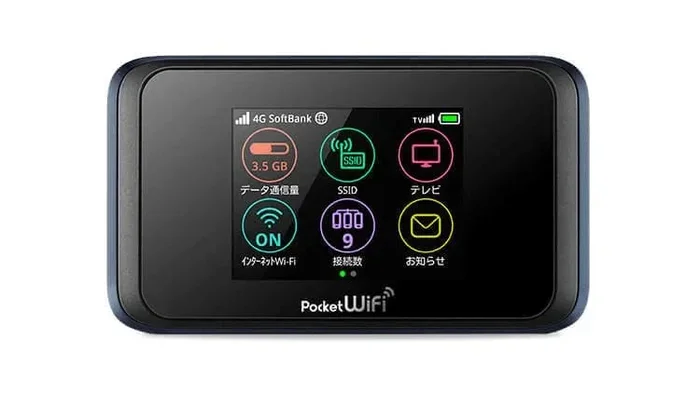
A pocket WiFi device is a small, portable router that creates a personal WiFi hotspot. It connects to local cellular networks and broadcasts a WiFi signal. You can then connect your phone, laptop, tablet, or any other WiFi-enabled device. Think of it as a mini WiFi router that fits in your pocket.
In Japan, pocket WiFi devices use the same cellular networks that local phone carriers rely on. When you turn on the device, it connects to the strongest available signal. It then shares that connection with your devices through a secure WiFi network. The whole process is automatic and requires no technical skills.
How Is It Different From a SIM Card?
Many travelers wonder about the difference between a pocket WiFi Japan device and a SIM card Japan option. A SIM card goes directly into your phone and gives your phone its own data plan. A pocket WiFi device is separate. It creates a shared network that all your devices can use.
Here is a quick look at the key differences:
- Pocket WiFi: Works with any device that has WiFi. No need to change your phone settings.
- SIM Card: Gives data only to the phone with the SIM installed.
- Pocket WiFi: Can connect up to 10 devices at once.
- SIM Card: Limited to one device per card.
- Pocket WiFi: You keep your regular SIM active for calls and texts.
- SIM Card: You may need to switch between SIMs or use dual SIM mode.
Why Choose Pocket WiFi Over Roaming?
International roaming can be expensive. Your home carrier may charge $10 to $15 per day just for data. Over a two-week trip, that adds up fast. Portable WiFi Japan rental is often much cheaper. You pay a flat daily rate and get generous data allowances.
Another big advantage is that roaming Japan through your home carrier can be unpredictable. Speeds may drop, and you might face unexpected charges. With a pocket WiFi device, you know exactly what you are paying for. The speeds are consistent and the data limits are clear.
Can I Get Pocket WiFi In Japan Before I Travel?
Absolutely. In fact, renting a WiFi router Japan device before you leave home is one of the most popular options. Several companies specialize in pocket WiFi rental Japan services and they ship the device directly to your doorstep.
How to Rent Pocket WiFi Online
Renting online is straightforward. You visit a rental provider’s website, choose your rental dates, and place your order. The device ships to your home address a few days before your departure. You arrive at your destination with the device already in hand, ready to go.
Here is what the typical process looks like:
- Choose a rental provider and select your travel dates.
- Enter your shipping address and pay the rental fee.
- Receive the device a few days before your trip.
- Charge the device and turn it on when you arrive in Japan.
- Connect your devices to the WiFi network.
- Return the device after your trip using the provided return label.
Popular Pocket WiFi Rental Providers
Several companies offer reliable pocket WiFi rental Japan services. Some of the most trusted names include:
- Japan Wireless: Known for fast shipping and competitive pricing.
- Global Advanced Networks: Offers flexible return options and good customer support.
- Travel Wifi: Provides devices with unlimited data plans.
- My Webspot: A budget-friendly option for shorter trips.
- eConnect: Popular among families and groups who need multiple devices.
What to Look for in a Rental Provider
Not all rental services are the same. Here are some things to check before you book:
- Data limits: Some plans offer unlimited data while others cap at a certain amount.
- Device battery life: Look for devices that last at least 10 to 12 hours.
- Number of connections: Make sure the device supports all the devices you need.
- Shipping speed: Confirm the device will arrive in time for your trip.
- Return policy: Check if they offer a prepaid return label or airport return.
- Customer support: Choose a provider with 24/7 support in English.
Can I Get Pocket WiFi In Japan When I Arrive?
Yes, you can also pick up a pocket WiFi device Japan at the airport or in the city. This option works well if you did not rent in advance or if your travel plans changed last minute.
Airport Pickup Locations
Major airports in Japan have rental counters in the arrival halls. You will find them at Narita Airport, Haneda Airport, Kansai International Airport, and Chubu Centrair International Airport. Simply walk up to the counter, show your passport, and pick up your device.
The advantage of airport pickup is convenience. You do not need to worry about shipping or timing. The moment you clear customs, you can be online. However, airport rental prices are sometimes slightly higher than online reservations.
City Pickup and Convenience Store Options
Some rental companies also have pickup locations in major cities. You can collect the device at a train station or a convenience store. This is helpful if you are staying in Tokyo, Osaka, or Kyoto and want to avoid airport crowds.
Additionally, some Japan internet options include vending machine-style rental kiosks. These are less common but do exist in busy tourist areas. They offer a quick and easy way to get connected without any human interaction.
How Much Does Pocket WiFi in Japan Cost?
Cost is always a factor when planning a trip. The good news is that pocket WiFi Japan is quite affordable. Most rental plans fall within a predictable price range.
Average Daily Costs
Here is a general breakdown of what you can expect to pay:
- Short trips (1-3 days): Around $10 to $15 per day.
- Medium trips (4-7 days): Around $7 to $12 per day.
- Long trips (8+ days): Around $5 to $9 per day.
- Unlimited data plans: Usually $8 to $12 per day.
- Limited data plans: As low as $4 to $7 per day.
These prices include the device rental, data allowance, and often insurance against loss or damage. Some providers also include a pocket WiFi charger and a carrying case in the package.
Hidden Costs to Watch For
While the base price is reasonable, watch out for these potential extras:
- Shipping fees: Some providers charge for express delivery.
- Late return fees: Returning the device late may incur extra charges.
- Damage or loss fees: Check the insurance terms carefully.
- Battery replacement: If the battery is damaged, you may need to pay for a new one.
Pocket WiFi vs eSIM: Which Is Better for Japan?
This is one of the most common questions travelers ask. Both pocket WiFi Japan and eSIM Japan options have their strengths. Let us compare them side by side.
What Is an eSIM?
An eSIM is a digital SIM card embedded in your phone. You activate it through your phone’s settings without needing a physical card. Many modern smartphones now support eSIM technology, including the latest iPhones and Samsung Galaxy models.
Head-to-Head Comparison
| Feature | Pocket WiFi | eSIM |
|---|---|---|
| Works with multiple devices | Yes (up to 10) | No (one phone only) |
| Requires extra device | Yes | No |
| Setup complexity | Very easy | Moderate |
| Data sharing | Yes | No |
| Cost per day | $5 to $15 | $3 to $10 |
| Coverage in rural Japan | Excellent | Excellent |
| Best for | Families, groups | Solo travelers |
When to Choose Pocket WiFi
Choose a portable WiFi Japan device if you are traveling with family or a group. If you have multiple devices that need data, a single pocket WiFi router handles them all. It also keeps your phone free for calls and texts on your regular SIM.
When to Choose eSIM
Choose an eSIM Japan if you are traveling solo and your phone supports it. eSIM plans are often cheaper and you do not need to carry an extra device. It is a clean, minimalist solution that many tech-savvy travelers prefer.
Will Pocket WiFi Work Everywhere in Japan?
One of the best things about WiFi coverage Japan is how reliable it is. The major carriers that power pocket WiFi networks have extensive infrastructure across the entire country.
Coverage in Major Cities
In Tokyo, Osaka, Kyoto, and Sapporo, you will have strong and consistent internet Japan coverage. These cities have dense networks of cell towers that provide fast speeds even in crowded areas like Shibuya or Shinjuku.
Coverage in Rural Areas
You might wonder about pocket WiFi rural Japan. The good news is that coverage extends well beyond the cities. Even in smaller towns and countryside areas, you will usually find a solid signal. Japan’s cellular network is among the most comprehensive in the world.
Coverage on Trains and Buses
Traveling by Shinkansen (bullet train) is a highlight of any Japan trip. You will be happy to know that pocket WiFi Japan works on most trains. Signal may fluctuate in tunnels or remote mountain stretches, but overall connectivity is very good.
For the best experience on trains, sit in the cars closest to the front of the train where the signal is strongest. Some trains also offer onboard WiFi, but it can be slow and unreliable. Your own travel WiFi Japan device is always the better choice.
Tips for Getting the Most Out of Your Pocket WiFi in Japan
Using a pocket WiFi device Japan is easy, but a few tips can help you get the best experience.
Charge It Every Night
Make it a habit to charge your pocket WiFi device every night. Most devices last a full day with moderate use, but heavy usage can drain the battery faster. A full charge each night ensures you never run out of power during the day.
Keep It in a Safe Place
The device is small and easy to lose. Keep it in the carrying case that comes with the rental. Some travelers attach it to their keychain or put it in a dedicated pocket in their bag.
Monitor Your Data Usage
Even with generous data plans, it helps to keep an eye on your usage. Streaming video and downloading large files eat up data quickly. If you are on a limited plan, use WiFi whenever it is available, such as at your hotel or café.
Turn It Off When Not in Use
This simple habit saves battery life and extends your device’s runtime. Turn it off during long flights or when you are sleeping. It also prevents unnecessary data usage from apps that sync in the background.
Bring a Power Bank
If you are out exploring all day, a portable power bank is a great companion. You can charge your pocket WiFi device on the go. This is especially useful during long days of sightseeing or hiking.
Common Mistakes Travelers Make With Pocket WiFi in Japan
Avoiding these mistakes will save you time, money, and frustration during your trip.
Not Booking Early Enough
Popular rental devices can sell out during peak travel seasons like cherry blossom season and New Year. Book your pocket WiFi rental Japan at least two to three weeks before your trip to guarantee availability.
Forgetting to Return the Device
This sounds obvious, but it happens more often than you think. Set a reminder on your phone for the day you need to return the device. Use the prepaid return label to avoid extra fees.
Assuming All Plans Are Unlimited
Not all plans offer unlimited data. Some budget plans cap your data at 1 to 5 gigabytes per day. Read the fine print carefully and choose a plan that matches your usage habits.
Not Testing the Device Before Your Trip
When your device arrives, turn it on and test it. Make sure it connects properly and that the battery holds a charge. This gives you time to contact customer support if there is any issue before you leave.
Ignoring the Battery Life
Some pocket WiFi devices have weaker batteries than others. If you plan long days of sightseeing, choose a device with a battery life of at least 10 hours. Otherwise, you may find yourself searching for a charger in the middle of the day.
Expert Insights on Pocket WiFi in Japan
We spoke with seasoned travelers and tech experts to gather their top tips for staying connected in Japan.
Sarah, a frequent Japan traveler from California, shares this advice: “I always rent a pocket WiFi device for every trip. It is so much easier than dealing with SIM cards. My whole family connects to it, and we never worry about running out of data.”
Kenji, a Tokyo-based tech consultant, adds: “The coverage in Japan is outstanding. Even in rural areas, you will rarely lose signal. My top recommendation is to book online in advance because you get better prices and more device options.”
Lisa, a digital nomad who has lived in Japan for two years, says: “If you only need data for one phone, an eSIM is the way to go. It is simpler and cheaper. But if you are traveling with a group or need to connect multiple devices, go with a pocket WiFi router.”
Key Takeaways
- Pocket WiFi in Japan is widely available: Multiple rental companies and airport pickup options make it easy to get connected before you land.
- Costs range from about $5 to $15 per day: Prices vary based on data limits, rental duration, and provider.
- eSIM is a strong alternative: If your phone supports eSIM, you can skip the extra device entirely.
- Coverage is excellent across Japan: Major carriers provide strong signal in cities, rural areas, and even on trains.
- Booking early saves money: Reserving your pocket WiFi weeks in advance often gives you better rates and more device choices.
- Multiple devices can connect: Most pocket WiFi routers allow 5 to 10 devices to connect at once.
- Return options are flexible: You can return the device at the airport or use a prepaid return label from home.
Conclusion
The answer to the question “Can I get pocket WiFi in Japan?” is a resounding yes. You have multiple options, from online rental to airport pickup, and the process is simple and affordable. Whether you choose a dedicated pocket WiFi device or an eSIM Japan plan, staying connected during your trip is entirely within reach.
Portable WiFi Japan devices give you the freedom to navigate unfamiliar streets, translate menus in real time, and share your experiences instantly with friends and family. The WiFi coverage Japan offers is reliable and fast, even in areas you might not expect.
Take the time to compare providers, read reviews, and choose a plan that fits your travel style. A little preparation goes a long way toward a stress-free and connected trip. Get your pocket WiFi Japan device booked today, and focus on what really matters, enjoying every moment of your Japan adventure.
Frequently Asked Questions
Do I need a passport to rent pocket WiFi in Japan?
Yes, most rental providers require your passport number when you book. You will also need to show your passport when picking up the device at the airport or a city location. This is a standard requirement for all telecommunications rentals in Japan.
Can I use pocket WiFi in Japan if I am from the US or Europe?
Absolutely. Pocket WiFi devices in Japan work with all international visitors. The device connects to local Japanese cellular networks, and you can use it regardless of where you are from. Just make sure your devices are unlocked and WiFi-enabled.
Is pocket WiFi in Japan expensive?
No, it is quite affordable. Most rental plans cost between $5 and $15 per day, depending on the data limit and rental duration. This is often cheaper than international roaming charges from your home carrier.
What happens if I lose the pocket WiFi device?
Most rental providers offer insurance that covers loss or damage. However, you may need to pay a deductible or replacement fee. Check the insurance terms before you rent to understand your liability.
Can I use pocket WiFi in rural Japan?
Yes, you can. Japan has excellent cellular coverage that extends to rural and mountainous areas. While signal strength may vary slightly in very remote locations, you should have reliable connectivity in most places you visit.
How do I return the pocket WiFi device after my trip?
You have two options. You can return the device at the airport rental counter before your flight, or you can use a prepaid return label to mail it back from your home country. Both options are simple and widely offered by rental providers.