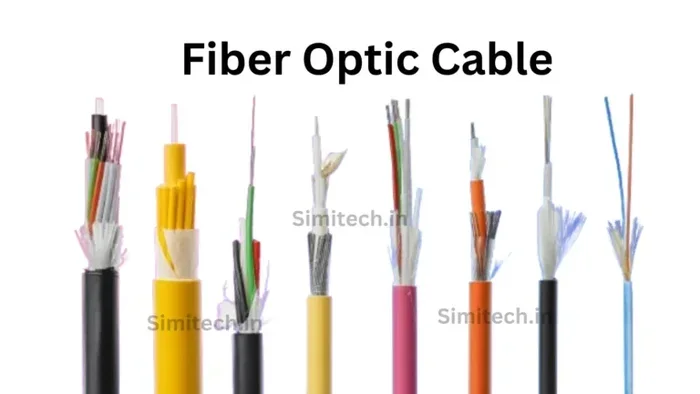
Key Advantages Disadvantages Of Multimode And Single Mode
Understanding the advantages disadvantages of multimode and single mode fiber optic cables is essential for anyone building or upgrading a network. Multimode fiber offers lower cost and easier installation for short distances, while single mode fiber delivers higher bandwidth and longer reach. This guide breaks down every major pro and con so you can make the best decision for your infrastructure.
When you are setting up a network, choosing the right fiber optic cable can make or break your performance. Two main types dominate the market: multimode fiber and single mode fiber. Each comes with its own set of strengths and weaknesses. In this article, we will walk through the advantages disadvantages of multimode and single mode in plain language. By the end, you will know exactly which type fits your needs.
Fiber optic technology uses thin strands of glass or plastic to carry data as pulses of light. It has replaced older copper cables in most modern networks because it offers faster speeds and less signal loss. But not all fiber is created equal. The two main categories, multimode and single mode, differ in core size, light source, distance capability, and cost. Understanding these differences is the first step toward a smart network design.
Key Takeaways
- Multimode fiber is affordable and easy to install: It works great for short-distance networks inside buildings and data centers.
- Single mode fiber supports much longer distances: It can transmit data over many kilometers without signal loss.
- Cost differs significantly between the two: Multimode cables and equipment are cheaper, but single mode offers better long-term value.
- Bandwidth and speed vary greatly: Single mode handles higher data rates and future-proofs your network better.
- Installation complexity is not the same: Multimode is more forgiving, while single mode requires precision and better tools.
- Your use case determines the right choice: Short-range applications favor multimode, and long-range needs favor single mode.
- Both fiber types have a long lifespan: Proper care and maintenance keep either option performing well for years.
📑 Table of Contents
- What Are Multimode and Single Mode Fiber?
- Advantages of Multimode Fiber
- Disadvantages of Multimode Fiber
- Advantages of Single Mode Fiber
- Disadvantages of Single Mode Fiber
- How to Choose Between Multimode and Single Mode
- Quick Tips for Working with Both Fiber Types
- Common Mistakes to Avoid
- Expert Insights on Fiber Selection
- Key Takeaways
- Conclusion
What Are Multimode and Single Mode Fiber?
Before we dive into the pros and cons, let us quickly define each type. A multimode fiber optic cable has a larger core, usually 50 or 62.5 microns wide. This larger core allows multiple light rays, or modes, to travel through it at the same time. Single mode fiber, on the other hand, has a tiny core of about 9 microns. It only allows one light ray to pass through at a time.
This difference in core size leads to big changes in how each cable performs. Multimode fiber is typically used for shorter distances, like within a building or a campus. Single mode fiber shines when you need to send data over long distances, sometimes spanning entire cities or countries. Both types use data transmission through light, but they handle it very differently.
Core Diameter and Light Sources
The core diameter is the most obvious physical difference between the two types. Multimode fiber uses a wider core, which means it can accept light from many angles. This makes it easier to connect with LED transmitters or vertical-cavity surface-emitting lasers (VCSELs). These light sources are less expensive than the ones used for single mode.
Single mode fiber needs a much smaller, more focused light source. It typically uses laser diodes, which are more precise and costly. The laser produces a narrow, clean beam of light that travels straight down the tiny core. This precision is what gives single mode its superior performance over long distances.
Advantages of Multimode Fiber
Multimode fiber has several strong advantages that make it a popular choice for many installations. Let us look at why so many network builders reach for this type of cable first.
Lower Cost for Short Distances
The biggest advantage of multimode fiber is its lower cost. The cable itself is cheaper to manufacture because the larger core is easier to produce. The transceivers and light sources used with multimode, such as VCSELs, are also less expensive than laser diodes. For short-distance runs inside a building, this cost savings adds up quickly.
When you are wiring an office, a school, or a small data center, multimode is often the most budget-friendly option. The overall fiber optic cost of a multimode system is typically much lower than a single mode system of the same length. This makes it ideal for organizations watching their network infrastructure budget.
Easier Installation and Handling
Multimode fiber is more forgiving during installation. The larger core makes it easier to align and connect. Even technicians with moderate experience can splice and terminate multimode cables with good results. The installation expense is generally lower because it requires less precision equipment.
You do not need the most expensive fusion splicers or microscopic alignment tools. Standard fiber optic tools work well for multimode. This ease of handling saves time and reduces the chance of installation errors. For quick builds or temporary setups, multimode is a practical choice.
Sufficient Bandwidth for Short-Range Applications
Modern multimode fiber supports impressive data rates for short distances. OM4 multimode cable can handle 10 Gigabit Ethernet up to 400 meters. OM5 multimode even supports wider wavelength ranges for short distance transmission of higher speeds. For most building and campus applications, this bandwidth is more than enough.
If your network runs within a single building or a nearby group of buildings, multimode delivers excellent performance. You get fast data transmission without paying the premium price of single mode. For many local area networks and data center connections, multimode hits the sweet spot between performance and cost.
Disadvantages of Multimode Fiber
Despite its benefits, multimode fiber has clear limitations. Understanding these drawbacks helps you avoid costly mistakes down the road.
Limited Distance Due to Modal Dispersion
The biggest disadvantage of multimode is its distance limit. Because multiple light rays travel through the wide core at different angles, they arrive at different times. This phenomenon is called modal dispersion. It causes the signal to spread out and become blurry over long distances.
As a result, multimode fiber cannot carry signals very far. Typical maximum distances range from 300 meters to 2 kilometers, depending on the speed and cable grade. For runs longer than that, the signal degrades and errors increase. This makes multimode unsuitable for long distance communication between cities or across wide campuses.
Lower Bandwidth Over Long Distances
While multimode works well for short distances, its bandwidth capacity drops significantly as distance increases. At 10 Gbps, a standard OM3 multimode cable maxes out around 300 meters. Push that to 40 Gbps or 100 Gbps, and the distance shrinks even further.
This limitation means you may need more signal boosters or repeaters in a large building. Each additional device adds cost and complexity. In some cases, it might actually be cheaper to use single mode fiber even for shorter runs if you need high bandwidth over longer distances within a facility.
Future-Proofing Concerns
Multimode fiber may not age as well as single mode when technology demands higher speeds. As networks move toward 40 Gbps, 100 Gbps, and beyond, multimode distances shrink. You may find yourself needing to upgrade cables sooner than expected.
Single mode fiber, by contrast, supports current and future data transmission standards with ease. If you are planning a network that needs to last 15 to 20 years, single mode offers better future-proofing. This is an important consideration for enterprise and carrier-grade installations.
Advantages of Single Mode Fiber
Single mode fiber is the go-to choice for high-performance, long-distance networks. Its advantages are hard to ignore when you understand what it can do.
Exceptional Distance Capability
The single greatest advantage of single mode fiber is its ability to transmit data over very long distances. A single fiber link can carry signals up to 100 kilometers or more without needing amplification. This makes it the standard for telecom networks, undersea cables, and metropolitan area networks.
Even within a large campus or across a city, single mode handles distances that would be impossible with multimode. You get clean, strong signals over many kilometers. This long-range capability is why internet service providers and telecom companies rely almost entirely on single mode fiber.
Higher Bandwidth and Speed
Single mode fiber offers virtually unlimited bandwidth capacity for practical purposes. Because only one light mode travels through the core, there is no modal dispersion to blur the signal. This allows for extremely high data rates, even over long distances.
Modern single mode systems support 100 Gbps, 400 Gbps, and even higher speeds. The wavelength division multiplexing technology used with single mode can pack multiple data channels into a single fiber. This means you can scale your network capacity dramatically without laying more cable.
Low Signal Attenuation
Signal attenuation, or the loss of signal strength over distance, is much lower in single mode fiber. The tiny core and precise laser light source minimize scattering and absorption. This means the signal stays strong over long runs without needing frequent amplification.
Lower attenuation translates to fewer optical amplifiers and repeaters in the network. Fewer devices means lower maintenance costs and higher reliability. For any application where signal quality over distance matters, single mode has a clear edge.
Better Long-Term Value
While single mode fiber costs more upfront, it often provides better long-term value. The cable itself lasts for decades without degradation. The technology keeps pace with ever-increasing speed demands. You avoid the cycle of replacing multimode cables every few years as speeds increase.
For organizations building permanent infrastructure, the investment in single mode pays off over time. It is a one-time decision that supports growth for many years. This makes it a smart choice for fiber optic networks that need to evolve with technology.
Disadvantages of Single Mode Fiber
Single mode fiber is not perfect. It has drawbacks that make it less suitable for certain situations. Let us look at where it falls short.
Higher Equipment and Cable Cost
The most obvious disadvantage of single mode fiber is its higher cost. The cable itself is not dramatically more expensive, but the equipment is. Laser diode transceivers and single mode optics cost significantly more than their multimode counterparts.
For a small office or a short-run data center, this cost difference can be substantial. You may pay two to three times more for the optical transceivers alone. When budget is tight and distances are short, this price gap makes single mode harder to justify.
Precision Installation Requirements
Single mode fiber demands more precision during installation. The tiny 9-micron core requires exact alignment when splicing and connecting. Even small misalignments cause significant signal loss and performance problems.
Technicians need specialized tools, including high-quality fusion splicers and optical time-domain reflectometers (OTDRs). The installation expense for labor and equipment is higher. Mistakes during installation are harder to fix, which increases the risk of rework and delays.
Overkill for Short Distances
If you only need to run fiber 100 meters inside a building, single mode fiber may be overkill. You pay a premium for capabilities you will never use. The extra distance and bandwidth capacity go to waste in a short-run scenario.
This is why many data center interconnects and building networks still use multimode. It is simply not worth paying for long-distance performance when you do not need it. Matching the fiber type to the actual distance requirement is a key part of smart network design.
How to Choose Between Multimode and Single Mode
Choosing the right fiber type depends on several factors. There is no one-size-fits-all answer. Here are the key considerations to guide your decision.
Consider Your Distance Requirements
The first question to ask is: how far does the signal need to travel? If your runs are under 500 meters, multimode fiber is likely sufficient. If you need to span kilometers, single mode fiber is the clear winner.
For data centers, the answer depends on the size. A small rack-to-rack connection within a single building favors multimode. A large campus or a connection between two buildings miles apart demands single mode.
Evaluate Your Budget
Budget plays a big role in the advantages disadvantages of multimode and single mode decision. Multimode saves money on both cable and equipment. Single mode costs more upfront but may save money in the long run through fewer upgrades.
Think about your total cost of ownership, not just the initial purchase price. Factor in installation, maintenance, and future upgrade costs. Sometimes the cheaper option upfront becomes more expensive over time.
Think About Future Growth
Will your network need to support higher speeds in the next five to ten years? If so, single mode fiber is the safer bet. It handles today’s speeds and tomorrow’s demands without a hitch.
Multimode can work for now, but you may face a painful upgrade later. Consider where your network infrastructure will be in five years before making a final call. Planning ahead saves time, money, and disruption.
Compare Key Factors Side by Side
| Factor | Multimode Fiber | Single Mode Fiber |
|---|---|---|
| Core Diameter | 50 or 62.5 microns | 9 microns |
| Max Distance (10 Gbps) | 300 to 400 meters | Up to 100 km |
| Light Source | LED or VCSEL | Laser Diode |
| Cost per Cable | Lower | Higher |
| Transceiver Cost | Lower | Higher |
| Bandwidth Capacity | Good for short range | Excellent, virtually unlimited |
| Installation Ease | Easier | More precise required |
| Future-Proofing | Moderate | Excellent |
| Best Use Case | Short-distance LAN, data center | Long-distance WAN, telecom |
Quick Tips for Working with Both Fiber Types
Whether you are installing multimode or single mode, a few best practices go a long way. Here are some quick tips to keep in mind.
- Always clean your connectors: Dirt and dust on fiber ends cause signal loss. Use proper cleaning tools before every connection.
- Label every fiber: In a patch panel or conduit, labeled fibers save hours of troubleshooting later.
- Use the right test equipment: Multimode calls for a fluke or optical power meter set to the correct reference. Single mode requires an OTDR for longer runs.
- Bend radius matters: Both fiber types can suffer damage from tight bends. Follow the manufacturer’s minimum bend radius guidelines.
- Store excess cable properly: Do not coil fiber too tightly. Use large-diameter cable reels or storage hooks to avoid signal loss from micro-bends.
Common Mistakes to Avoid
Even experienced installers sometimes make mistakes when choosing or working with fiber. Here are common errors to watch out for.
- Choosing multimode for long runs: This leads to signal degradation and poor performance. Always match the fiber type to the distance.
- Mixing fiber types in the same link: Connecting multimode to single mode without proper adapters causes reflection and loss.
- Skipping proper testing: Never assume a fiber link works without testing it with the right equipment before putting it into service.
- Ignoring the transceiver type: Using a multimode transceiver on a single mode cable, or vice versa, will not work properly.
- Underestimating installation costs: Single mode installation labor and tools cost more. Budget for this from the start to avoid surprises.
Expert Insights on Fiber Selection
Industry experts often emphasize that the advantages disadvantages of multimode and single mode come down to the specific use case. There is no universally superior option. Instead, the best choice depends on distance, budget, bandwidth needs, and future plans.
Network designers increasingly recommend single mode for new enterprise installations, even for shorter runs. The price gap between multimode and single mode transceivers is narrowing as technology improves. This trend makes single mode a more attractive option for a wider range of applications.
At the same time, multimode fiber remains dominant in data centers where short, high-speed connections are the norm. The OM5 multimode standard, with its support for wideband multimode, shows that multimode technology continues to evolve. Both fiber types have a strong place in modern networks.
Key Takeaways
- Multimode fiber is cost-effective for short distances: It shines in building networks and data centers where runs are under 500 meters.
- Single mode fiber dominates long-distance applications: Its ability to carry signals over many kilometers makes it essential for telecom and wide-area networks.
- Cost is the main trade-off: Multimode saves money upfront, but single mode offers better long-term value and scalability.
- Installation complexity differs: Multimode is more forgiving, while single mode requires precision tools and skilled technicians.
- Bandwidth needs should drive your choice: If you expect high speeds over long distances, single mode is the clear winner.
- Future-proofing matters: Single mode supports evolving technology standards without requiring cable replacement.
- Match the fiber to the application: The best choice always depends on your specific distance, budget, and performance requirements.
Conclusion
The advantages disadvantages of multimode and single mode fiber optic cables are clear once you understand what each type offers. Multimode fiber gives you an affordable, easy-to-install solution for short-distance networks. It is perfect for buildings, campuses, and data centers where distance is limited and budget matters.
Single mode fiber delivers unmatched performance over long distances. It supports higher bandwidth, lower signal loss, and future growth. While it costs more upfront, it pays for itself through durability and scalability. For telecom networks, wide-area connections, and forward-thinking enterprises, single mode is the gold standard.
Ultimately, the right choice comes down to your specific needs. Consider your distance requirements, budget, and future plans carefully. Whichever you choose, both fiber types represent a huge step forward from older copper technology. Invest wisely, install correctly, and your fiber optic network will serve you well for many years to come.
Take the time to evaluate your options. Weigh the pros and we discussed here. When you make an informed decision, you set your network up for success from day one.
Frequently Asked Questions
What is the main difference between multimode and single mode fiber?
The main difference lies in the core size and the number of light modes that travel through the fiber. Multimode fiber has a larger core that allows multiple light rays to travel at once, while single mode fiber has a tiny core that allows only one light ray. This difference affects distance, bandwidth, cost, and installation complexity.
Can I use multimode fiber for long-distance connections?
Technically, you can, but it is not recommended. Multimode fiber suffers from modal dispersion over long distances, which degrades the signal. For runs longer than about 500 meters at high speeds, single mode fiber is the much better choice. Using multimode for long distances leads to poor performance and frequent errors.
Is single mode fiber worth the extra cost?
In most cases, yes. While single mode fiber costs more upfront for cables and transceivers, it offers better long-term value. It supports higher speeds, longer distances, and future technology standards. For permanent infrastructure or growing networks, the extra investment usually pays for itself quickly.
Which fiber type is better for data centers?
For most data centers, multimode fiber is the preferred choice. Data center connections are typically short, often under 300 meters. Multimode provides excellent bandwidth at these distances and costs less than single mode. However, large-scale or future-expanding data centers may benefit from single mode for its scalability.
How far can single mode fiber transmit data?
Single mode fiber can transmit data over distances of up to 100 kilometers or more without amplification. With the right optical amplifiers, signals can travel even farther. This makes single mode the standard for long-haul telecommunications, undersea cables, and wide-area network connections.
Do I need special tools to install single mode fiber?
Yes, single mode fiber requires more precision tools than multimode. You need high-quality fusion splicers, OTDRs for testing, and microscopic inspection scopes. The installation labor is also more skilled and expensive. For multimode, standard fiber optic tools are usually sufficient, making it easier and cheaper to install.