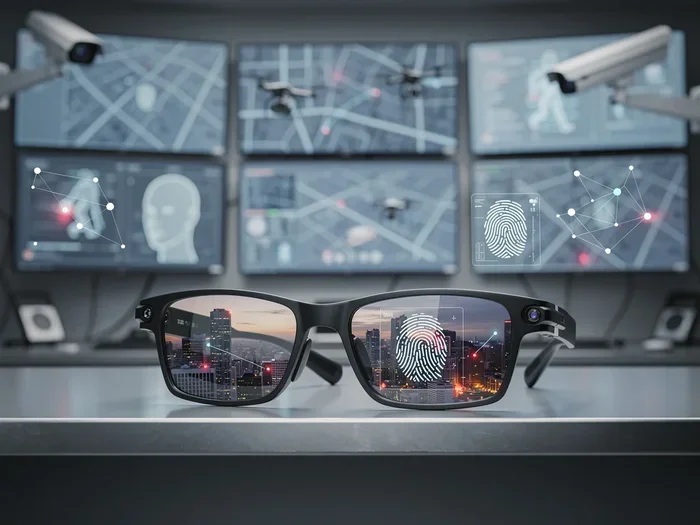
AI Smart Glasses Privacy Concerns The Bystander Problem
AI smart glasses are raising major privacy concerns because they turn everyday bystanders into unwitting participants in constant recording. The bystandander problem means anyone near a wearer becomes a subject without consent, creating serious data security and surveillance concerns in public spaces.
This is a comprehensive guide about Ai Smart Glasses Privacy Concerns The Bystander Problem.
Key Takeaways
- AI smart glasses can secretly record: Many models capture video and audio without obvious indicators, making it hard for bystanders to know they are being filmed.
- The bystander problem is real: People who never agreed to be recorded are captured in smart glasses footage, raising serious ethical and legal questions.
- Laws are still catching up: Most privacy regulations were written before wearable cameras existed, leaving gaps in protection for everyday citizens.
- Facial recognition adds another layer of risk: AI-powered glasses can identify and store faces without consent, building databases on unsuspecting people.
- You can protect yourself: Simple habits and awareness can reduce your exposure to unauthorized recording by smart eyewear.
- Companies face growing pressure: Tech brands are under fire from regulators and advocacy groups demanding better privacy safeguards.
- The future depends on trust: Widespread adoption of AI smart glasses hinges on solving the bystander problem and earning public confidence.
[FEATURED_IMAGE_PLACEHOLDER]
Imagine walking down a busy street and someone is recording you without your knowledge. Not with a phone held up in your face. With sleek, lightweight glasses that look completely normal. That is the reality of AI smart glasses privacy concerns and the bystander problem we are only beginning to understand.
Wearable technology has come a long way in the last few years. Devices like smart eyewear and wearable cameras now fit right into your frame. They look like regular glasses. But they pack powerful cameras, microphones, and AI processing right into the lens. Sounds cool, right? But there is a flip side that many people are not thinking about.
The bystander problem is one of the biggest challenges in the world of wearable technology. When someone wears AI smart glasses in public, everyone around them becomes a potential subject. People who never gave consent. People who were just going about their day. This creates a web of privacy concerns that touches on law, ethics, and everyday life.
In this article, we will break down what the bystander problem really means. We will look at how these glasses collect data. We will explore the legal landscape. And we will share practical tips to help you stay protected. If you care about digital privacy, this read is for you.
What Are AI Smart Glasses and Why Should You Care?
AI smart glasses are wearable devices that combine lenses, cameras, microphones, and artificial intelligence into a single frame. They can take photos, record video, transcribe conversations, and even run apps. Some models use facial recognition to identify people in real time. Others use AI to translate languages or overlay digital information on the real world.
Brands like Meta, Ray-Ban, and others have brought these devices into the mainstream. They market them as tools for convenience, productivity, and entertainment. And they are right. You can take a photo with a voice command. You can stream music. You can get directions without pulling out your phone.
But here is the catch. All of that convenience comes at a cost. These glasses capture data constantly. They record the world around the wearer. And most of the time, the people being recorded do not even know it. This is where AI smart glasses privacy concerns start to pile up fast.
How Do They Work?
Most smart glasses use a small camera embedded in the frame. The camera connects to a tiny processor powered by AI. This processor can analyze what the wearer sees in real time. It can recognize faces, read text, and identify objects. All of this happens silently.
The data gets sent to the cloud for processing. Some of it stays on the device. But either way, a lot of personal information is being collected. And when you are in a public space, you are part of that data collection. Whether you like it or not.
The Bystander Problem: When Everyone Becomes a Camera
The bystander problem is the core issue behind AI smart glasses privacy concerns. It is simple in concept but huge in scope. When a person wears recording glasses in public, every nearby person becomes an unwitting participant. They become a subject of surveillance without ever agreeing to it.
Think about it. You are at a coffee shop. You are sitting with friends. Someone at the next table is wearing AI-powered glasses. They take a photo or start a video recording. You were never asked. You never gave consent. And you may never even know it happened.
This is not just an annoyance. It is a fundamental violation of privacy rights. People have a reasonable expectation of privacy in public spaces. At least, most people do. But wearable cameras are eroding that expectation fast.
Why Bystanders Cannot Opt Out
Here is what makes the bystander problem so tricky. You cannot opt out. You cannot ask the wearer to stop. And in many cases, you do not even know you are being recorded. Traditional cameras are obvious. You can see them. You can look away. But smart eyewear blends in with normal glasses. It is hard to tell when someone is filming.
This creates an imbalance of power. The wearer has full control. The bystander has zero control. And there is no easy way to fix that gap. Surveillance concerns like this are exactly why experts are sounding the alarm.
Real-World Examples of the Bystander Problem
The bystander problem is not theoretical. It has already happened in real life. Here are a few notable cases:
- Restaurants and bars: Customers wearing smart glasses have recorded staff without their knowledge. Some servers reported feeling violated and unsafe.
- Retail stores: Shoppers wearing AI smart glasses have captured other customers and employees. Retailers have started banning the devices.
- Public transportation: Commuters have been recorded on buses and trains by wearers of wearable cameras. Many were unaware until the footage surfaced online.
- Workplaces: Employees wearing smart glasses have recorded coworkers during meetings and break times. This has led to complaints and even lawsuits.
These are not isolated incidents. They are part of a growing pattern. And they highlight just how serious the bystander problem really is.
How AI Smart Glasses Collect and Use Your Data
Understanding the data collection process is key to understanding AI smart glasses privacy concerns. These devices gather a lot of information. And they use it in ways that many people do not expect.
What Data Gets Collected?
AI smart glasses can collect several types of data at once. This includes:
- Video footage: Continuous or on-demand recording of everything in the wearer’s field of view.
- Audio recordings: Conversations, ambient sounds, and voice commands captured by built-in microphones.
- Facial data: Images and biometric data from faces recognized by facial recognition technology.
- Location data: GPS coordinates that track where the wearer has been and what they have seen.
- Behavioral data: Patterns of what the wearer looks at, how long they look, and what they interact with.
That is a lot of information. And much of it involves other people. People who did not sign up to be part of this data collection. This is the heart of the bystander problem.
Where Does the Data Go?
Most smart glasses send data to the cloud. The cloud means servers owned by the tech company. From there, the data can be used for many purposes. It might be used to improve AI models. It might be shared with third-party partners. Or it might be stored indefinitely on company servers.
Even if the wearer deletes the data from their device, copies may still exist in the cloud. This raises serious questions about data security and long-term storage. The privacy concerns go far beyond the moment of recording.
The Role of AI in Processing Bystander Data
AI plays a huge role in making smart eyewear useful. But it also makes the privacy risks worse. AI can analyze video footage in real time. It can identify faces. It can tag people. It can even guess emotions or intentions based on body language.
All of this happens without the knowledge or consent of the people being analyzed. Bystanders become data points. Their faces become searchable. Their movements become trackable. And they had no say in any of it.
This is why many privacy advocates are calling for stricter rules around AI-powered glasses. The technology is moving fast. The regulations are not keeping up.
Legal Landscape: Privacy Laws and Smart Glasses
The legal world is struggling to keep pace with wearable technology. Most privacy laws were written before smart glasses existed. They were designed for phones, cameras, and traditional surveillance equipment. The bystander problem falls into a gray area that few laws clearly address.
Current Laws Around Recording in Public
In many countries, recording in public spaces is legal. There is no reasonable expectation of privacy on a public street. This means someone wearing AI smart glasses can legally record you in many situations. But legal does not always mean ethical.
Some states and countries have started to pass specific laws. For example, some jurisdictions now require two-party consent for audio recording. Others have introduced rules about facial recognition technology. But these laws are still rare and inconsistent.
Gaps in the Law
There are several major gaps when it comes to AI smart glasses privacy concerns:
- No clear definition of wearable recording devices: Most laws treat cameras and phones separately. Smart eyewear does not fit neatly into existing categories.
- No bystander consent requirements: Current laws focus on the person doing the recording. They rarely protect the people being recorded.
- Weak data retention rules: There are few rules about how long wearable cameras can store footage of bystanders.
- No transparency requirements: Wearers are often not required to disclose that they are recording.
These gaps leave bystanders vulnerable. And they leave privacy concerns largely unresolved.
What Regulators Are Doing
Governments around the world are starting to pay attention. The European Union has strict data protection laws under GDPR. These laws apply to AI-powered glasses just like any other data-collecting device. In the United States, the FTC and state attorneys general are beginning to look into surveillance concerns related to wearable tech.
Some companies have also taken steps. Meta, for example, has added LED lights to its smart glasses that activate when recording. This is a small step. But it helps bystanders know when they are being filmed.
Real-World Incidents That Sparked the Debate
The bystander problem is not just an abstract concept. It has sparked real debates and real conflicts. Here are some incidents that put AI smart glasses privacy concerns in the spotlight.
The Restaurant Incident
A customer wearing AI smart glasses recorded a private conversation between two employees at a restaurant. The footage ended up on social media. The employees felt humiliated and violated. They had no idea they were being recorded. The restaurant had no policy against smart glasses at the time.
The Classroom Controversy
A teacher wore smart glasses during class. A student noticed the small camera light and raised a complaint. The school launched an investigation. The incident sparked a wider debate about wearable cameras in educational settings. Parents and students raised concerns about data security and consent.
The Workplace Dispute
An employee wore AI-powered glasses during a team meeting. The recording captured confidential business discussions. The company discovered the recording after the fact. It led to a formal complaint and a review of workplace recording policies. The incident highlighted how smart eyewear can create serious professional and legal risks.
These stories show that the bystander problem is not a distant threat. It is happening now. And it affects people in all walks of life.
How to Protect Yourself from Smart Glass Surveillance
While laws and regulations catch up, there are steps you can take to protect your privacy. Here are some practical tips for dealing with AI smart glasses privacy concerns in everyday life.
Tips for Bystanders
- Be aware of your surroundings: Look for people wearing smart glasses. If you see a small camera or LED light, assume you may be being recorded.
- Speak up: If you notice someone recording you, ask them to stop. You have every right to request that your image not be captured.
- Avoid sensitive conversations in public: Treat any public space as potentially being recorded. Keep private discussions for private spaces.
- Know your local laws: Research the recording laws in your area. Understanding your rights can help you take action if needed.
- Use visual cues: Some people wear hats or sunglasses in public as a low-tech way to reduce the chance of being captured by wearable cameras.
Tips for Smart Glasses Wearers
If you own or use AI smart glasses, you have a responsibility to respect the people around you:
- Always disclose when recording: Let people know if you are capturing video or audio. Transparency builds trust.
- Respect no-recording zones: Many businesses and venues prohibit recording. Honor those rules.
- Delete bystander footage: If you accidentally capture someone who did not consent, delete the footage promptly.
- Check your settings: Make sure your glasses are set to the most privacy-friendly options available.
- Stay informed: Keep up with new laws and company policies around smart eyewear and recording.
The Future of AI Smart Glasses Privacy
The future of AI smart glasses depends on solving the bystander problem. Until the privacy concerns are addressed, many people will remain hesitant to adopt the technology. And that hesitation is not unreasonable.
What Changes Are Needed?
Several changes could help address AI smart glasses privacy concerns:
- Stronger consent laws: Laws should require that bystanders give consent before being recorded by wearable cameras.
- Better transparency features: All AI-powered glasses should have clear, visible indicators when recording is active.
- Stricter data retention rules: Companies should be required to delete bystander data promptly and securely.
- More public awareness: People need to understand the surveillance concerns that come with smart eyewear.
- Industry-wide standards: Tech companies should work together to create consistent privacy protections for all smart glasses users and bystanders.
The technology behind AI smart glasses is impressive. It has the potential to change how we interact with the world. But that potential can only be realized if people feel safe using it. And that safety starts with addressing the bystander problem head-on.
Why Trust Matters
Trust is the foundation of any technology adoption. People will not wear smart glasses if they fear backlash. Businesses will not welcome them if they worry about privacy violations. And regulators will not support them without strong safeguards.
Solving the bystander problem is not just a technical challenge. It is a social challenge. It requires cooperation between tech companies, lawmakers, and everyday people. Everyone has a role to play in making wearable technology respectful and safe.
Key Takeaways
- AI smart glasses are powerful but risky: They offer amazing features but create serious privacy concerns for bystanders.
- The bystander problem is the biggest challenge: People in public spaces are being recorded without consent, and they have little recourse.
- Data collection is extensive and often hidden: AI-powered glasses gather video, audio, facial data, and location information silently.
- Laws are lagging behind the technology: Most privacy regulations do not adequately address wearable cameras or the bystander problem.
- Real incidents are driving the conversation: Restaurants, workplaces, and schools have all experienced smart eyewear privacy conflicts.
- You can take action to protect yourself: Awareness, transparency, and smart habits can reduce your exposure to unauthorized recording.
- The future depends on collaboration: Solving AI smart glasses privacy concerns requires effort from tech companies, lawmakers, and users alike.
Frequently Asked Questions
What is the bystander problem with AI smart glasses?
The bystandander problem refers to the fact that people in public spaces are recorded by AI smart glasses without their knowledge or consent. Bystanders become unwitting subjects of surveillance every time someone wears smart eyewear in a public place.
Are AI smart glasses legal to wear in public?
In most places, yes. Recording in public spaces is generally legal. However, laws vary by location. Some jurisdictions have specific rules about wearable cameras and audio recording. Always check your local regulations before using AI-powered glasses in public.
Can bystanders take legal action if recorded without consent?
It depends on the jurisdiction and the circumstances. In some areas, recording someone without consent can lead to legal consequences. Bystanders may have grounds for action if their privacy rights were violated. Consulting a legal professional is always a good first step.
How can I tell if someone is recording me with smart glasses?
Look for small indicators like LED lights or subtle lens reflections. Some smart glasses have visible recording lights. But not all models do. This is exactly why the bystander problem is so difficult to address.
What are the biggest privacy risks of AI smart glasses?
The biggest risks include unauthorized recording of bystanders, facial recognition without consent, data breaches, and long-term storage of personal information. These surveillance concerns make many people wary of wearable technology in public spaces.
What should companies do to address the bystander problem?
Companies should build strong privacy protections into their devices. This includes clear recording indicators, automatic deletion of bystander data, and transparent data policies. They should also work with regulators to create smart glasses standards that protect everyone.
Conclusion
AI smart glasses privacy concerns and the bystander problem are not going away anytime soon. As wearable technology becomes more common, these issues will only grow in importance. The question is not whether smart glasses will change our world. They already are. The question is whether we can do it in a way that respects everyone’s privacy rights.
The bystander problem reminds us that technology is not neutral. Every device carries assumptions about what is acceptable. And right now, those assumptions are tilted in favor of the wearer, not the people around them. Changing that balance will take effort from all of us.
If you care about digital privacy, stay informed. Speak up when you see privacy violations. And support companies that take data security seriously. The future of AI smart glasses depends on it.
Frequently Asked Questions
What is Ai Smart Glasses Privacy Concerns The Bystander Problem?
Ai Smart Glasses Privacy Concerns The Bystander Problem is an important topic with many practical applications.