Are There Cameras In Mcdonalds Here Is What You Should Know
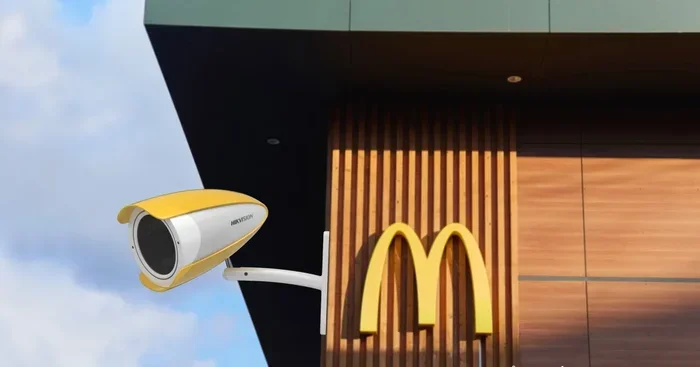
Yes, there are cameras in McDonald’s locations worldwide. These surveillance cameras serve multiple purposes from security to employee monitoring and food safety. Understanding McDonald’s camera systems helps customers feel more informed and comfortable during their dining experience.
Key Takeaways
- McDonald’s Uses Cameras Everywhere: Most locations have surveillance systems covering dining areas, drive-thrus, kitchens, and entrances.
- Security Is The Main Purpose: Cameras help prevent theft, vandalism, and ensure overall customer and employee safety.
- Privacy Is A Real Concern: Customers should understand their rights and how their data is handled when visiting any restaurant with cameras.
- Drive-Thru Cameras Are Common: These help with order accuracy and also serve as security tools.
- Policies Vary By Location: Not all McDonald’s restaurants follow identical camera setups or privacy policies.
- Footage Can Be Used In Investigations: Security footage from McDonald’s cameras may be shared with law enforcement when needed.
📑 Table of Contents
- Are There Cameras In Mcdonalds? Here Is What You Should Know
- Why Does McDonald’s Use Cameras?
- Where Are Cameras Located In McDonald’s?
- What Do McDonald’s Cameras Actually Record?
- Privacy Concerns And Customer Rights
- How McDonald’s Uses Security Footage In Practice
- Tips For Understanding Restaurant Surveillance
- How McDonald’s Compares To Other Fast Food Chains
- The Future Of Cameras In Fast Food Restaurants
- Common Myths About Cameras In McDonald’s
- What To Do If You Have Concerns
- Final Thoughts
Are There Cameras In Mcdonalds? Here Is What You Should Know
If you have ever wondered about cameras in McDonald’s, you are not alone. Many people notice them but rarely think twice about what they do. The truth is that McDonald’s surveillance systems play a big role in keeping both customers and employees safe. From the moment you walk through the doors to the time you drive away, cameras are watching.
But why does McDonald’s need so many cameras? What exactly do they record? And should you worry about your privacy? This article breaks it all down in simple terms. You will learn about the different types of cameras, where they are placed, and what they mean for your privacy.
Let us be clear about something upfront. Are there cameras in McDonald’s? Yes, absolutely. But knowing where they are and why they exist can help you feel more comfortable the next time you visit. Let us dive into everything you need to know about restaurant surveillance at McDonald’s.
Why Does McDonald’s Use Cameras?
McDonald’s is one of the biggest fast food chains in the world. With thousands of locations, they need reliable ways to keep things running smoothly. Security cameras are a big part of that strategy. But the reasons go deeper than just catching bad guys.
Employee Safety And Theft Prevention
One of the main reasons McDonald’s uses cameras is to protect employees. Fast food workers can face difficult situations. Theft, harassment, and even physical threats are real concerns. Surveillance cameras help deter bad behavior before it starts. If something does happen, the footage can help identify what went wrong.
Cameras in the kitchen also help managers keep an eye on operations. They can spot issues early and make sure everyone follows food safety rules. This connects to broader restaurant safety measures that many chains use to protect their teams.
Customer Protection
Customers benefit from cameras too. If someone has a complaint or an accident happens in the restaurant, footage can help sort things out. McDonald’s camera systems provide an objective record of events. This protects both the customer and the company.
Think about a drive-thru order mistake. Security footage can show exactly what happened. Was the order correct when it left the window? Was there a miscommunication? Cameras help answer these questions quickly and fairly.
Loss Prevention
Every business loses money to theft. McDonald’s is no exception. Surveillance systems help reduce losses from both external theft and internal issues. Employees know they are being monitored, which discourages stealing. Customers also think twice before taking something that is not theirs.
Some people also study how other businesses handle security. For example, learning about how computers are used in medicine shows how technology serves different industries. Similarly, cameras in restaurants serve a practical purpose that goes beyond just watching people.
Where Are Cameras Located In McDonald’s?
Not all McDonald’s locations are the same. But most of them follow a similar pattern when it comes to camera placement. Understanding where cameras are helps set expectations for your visit.
Entrance And Exit Points
Almost every McDonald’s has cameras near the doors. These monitor who comes in and who goes out. They help with security and also track foot traffic during busy hours. If there is ever an incident at the entrance, the footage is usually available.
Dining Areas
The main dining room typically has several cameras. These cover the seating areas, the counter, and the self-service stations. The goal is to keep an eye on the entire customer experience. From ordering to eating, cameras capture the key moments.
Drive-Thru Windows
Drive-thru cameras are very common in McDonald’s. These serve two main purposes. First, they help with order accuracy. Managers can review footage if a customer claims they got the wrong order. Second, they act as a security measure for employees working the window.
Drive-thru cameras also record the customer’s face and vehicle. This is standard practice at most fast food restaurants with drive-thru service. It is worth knowing this before you pull up to the window.
Kitchen And Prep Areas
Cameras in the kitchen are not just for watching employees. They also help maintain food safety standards. Managers can check that cooks follow proper procedures. They can also monitor food storage and preparation areas for cleanliness.
These cameras are usually not visible to customers. They are part of the behind-the-scenes restaurant monitoring systems that keep operations running properly.
Parking Lots And Exterior Areas
Many McDonald’s locations also have cameras facing the parking lot. These capture activity outside the building. They help prevent car break-ins and monitor the surrounding area. If you leave your car at McDonald’s, these cameras offer some peace of mind.
What Do McDonald’s Cameras Actually Record?
Curious about what McDonald’s security footage really shows? The answer depends on the type of camera and its location. Here is a closer look at what gets recorded.
Video Footage
Most cameras at McDonald’s record continuous video. They capture everything happening in their field of view. This includes customer movements, employee actions, and general activity. The footage is usually stored on digital devices for a set period of time.
The length of time footage is kept varies by location. Some stores keep recordings for 30 days. Others may keep them for 90 days or longer. The exact duration depends on the store’s policy and local regulations.
Audio Recording
Here is an important detail. Not all McDonald’s cameras have audio recording. In many locations, cameras only capture video. However, some drive-thru systems do record audio. This is usually noted with a small sign or mentioned in the store’s privacy policy.
If you are concerned about audio recording, it is always okay to ask a manager. They can tell you exactly what their location records and what it is used for.
Quality And Resolution
Modern McDonald’s locations use high-definition cameras. These provide clear images that can identify faces and details. Older locations may have lower quality cameras, but even those capture useful footage for security purposes.
The quality of the footage matters when it comes to investigations. High-resolution video from restaurant surveillance systems can help law enforcement identify individuals involved in incidents.
Privacy Concerns And Customer Rights
Privacy is a hot topic these days. And rightfully so. When you visit a place with cameras, it is natural to wonder about your rights. Let us look at this from both sides.
What Customers Should Know
In most places, it is legal for businesses to have cameras in public areas. The dining room, the entrance, and the drive-thru are considered public spaces within the restaurant. This means recording in these areas is generally allowed.
However, there are limits. Cameras cannot be placed in restrooms or changing rooms. These are private spaces, and recording there is illegal in most places. If you ever notice a camera where it should not be, you should report it right away.
Your Rights As A Customer
You have the right to know if you are being recorded. Many McDonald’s locations post signs letting customers know cameras are in use. These signs are usually placed near the entrance or at the counter.
If you want to know more about what happens to the footage, you can ask the store manager. They should be able to explain their McDonald’s camera policy in detail. Some companies also have privacy policies on their websites that you can review.
Data Storage And Usage
Where does the footage go after it is recorded? This is a great question. Most McDonald’s stores store footage on local servers or hard drives. The footage is kept for a specific time and then deleted.
In some cases, footage may be shared with law enforcement. If there is a crime or a serious incident, the police may request the security tapes. McDonald’s security footage can be a valuable tool in investigations.
It is also worth noting that some companies use footage for training purposes. Managers may review tapes to coach employees on better service. This is another way restaurant monitoring systems benefit both customers and staff.
How McDonald’s Uses Security Footage In Practice
Understanding how McDonald’s surveillance footage is actually used can help demystify the process. It is not just about catching people doing wrong things.
Footage is reviewed regularly by store managers. They check for patterns of theft or safety concerns. If there is a recurring issue, like someone stealing from the condiment station, the footage helps identify the problem.
During health inspections, cameras can also be helpful. Health inspectors may want to see how food is handled in the kitchen. While they do not typically watch live feeds, recorded footage can support compliance with food safety regulations.
Some McDonald’s locations also use footage to improve operations. By reviewing customer flow and peak times, managers can adjust staffing and staffing schedules. This is a practical use of restaurant surveillance that benefits everyone.
Tips For Understanding Restaurant Surveillance
Here are some quick tips to keep in mind the next time you visit McDonald’s or any fast food restaurant with cameras.
- Look for signs: Most locations post notices about cameras. These are usually near the entrance or at the ordering counter.
- Ask questions: If you are curious, ask a staff member about their camera setup. Most employees know the basics.
- Respect the space: Even though cameras are watching, you should still feel comfortable. Remember that the cameras are there for safety.
- Know your rights: You have the right to ask how your data is used. Privacy laws vary by country and state.
- Report concerns: If you see a camera in an inappropriate place, tell a manager or contact the company directly.
Understanding McDonald’s camera systems does not have to be complicated. A little knowledge goes a long way in making you feel more at ease during your visit.
How McDonald’s Compares To Other Fast Food Chains
McDonald’s is not alone in using cameras. Most major fast food chains have similar setups. Let us compare a few.
| Restaurant Chain | Camera Coverage | Audio Recording | Drive-Thru Cameras |
|---|---|---|---|
| McDonald’s | Full coverage | Sometimes | Yes |
| Burger King | Full coverage | Sometimes | Yes |
| Wendy’s | Full coverage | Rarely | Yes |
| Taco Bell | Full coverage | Sometimes | Yes |
| Subway | Partial coverage | Rarely | Varies |
As you can see, most chains use cameras in similar ways. The main goal is safety and security. Fast food surveillance is an industry standard, not something unique to McDonald’s.
Some chains also invest in advanced technology. For instance, some use AI-powered cameras that can detect unusual behavior. Others use cameras to monitor drive-thru times and service speed. The technology behind restaurant camera systems continues to evolve.
The Future Of Cameras In Fast Food Restaurants
What does the future hold for McDonald’s surveillance and restaurant cameras in general? Technology is changing fast, and the fast food industry is keeping up.
One trend is the use of AI in camera systems. Artificial intelligence can analyze footage in real time. It can detect potential safety hazards or unusual behavior. This helps managers respond faster to problems.
Another trend is better integration with other systems. Cameras may soon work alongside ordering systems and payment terminals. This could create a more seamless and secure dining experience for customers.
Privacy will also continue to be a focus. As cameras become more advanced, companies will need to be transparent about how they use the technology. Customers will expect clear answers about their data and their rights.
Learning about how technology impacts different industries can give us a broader perspective. Just as computers are used in medicine to improve patient care, cameras in restaurants serve an important purpose that goes beyond simple monitoring.
It is also worth noting that some healthcare technology and restaurant tech share common goals. Both aim to improve safety, efficiency, and the overall experience for people involved.
Common Myths About Cameras In McDonald’s
There are several myths floating around about cameras in McDonald’s. Let us clear up a few of the most common ones.
- Myth: McDonald’s cameras watch you 24/7. Reality: Most cameras are monitored during business hours. Footage is recorded but not watched live at all times.
- Myth: Cameras record your personal information. Reality: Cameras capture video, not personal data like your name or address.
- Myth: You cannot ask about the cameras. Reality: You absolutely can and should ask. Managers are usually happy to explain their camera setup.
- Myth: Footage is kept forever. Reality: Most locations delete footage after a set period, usually 30 to 90 days.
- Myth: Cameras are only for catching thieves. Reality: Cameras serve many purposes including safety, training, and quality control.
Understanding the truth behind these myths helps reduce unnecessary worry. McDonald’s camera systems are designed with safety in mind, not to spy on customers.
What To Do If You Have Concerns
If you feel uncomfortable with cameras at your local McDonald’s, there are steps you can take. First, you can talk to the store manager. They can explain the purpose of the cameras and answer your questions.
Second, you can check the company’s privacy policy online. McDonald’s has published information about how they handle data and surveillance. This can give you a clearer picture of their practices.
Third, if you believe a camera is placed illegally, you can contact your local authorities. Privacy laws exist to protect consumers, and violations should be reported.
Staying informed is the best approach. When you understand how restaurant surveillance works, you can make educated decisions about where and how you dine.
Final Thoughts
So, are there cameras in McDonald’s? The answer is yes. McDonald’s camera systems are a standard part of the restaurant experience. They help keep customers and employees safe, prevent theft, and support food safety efforts.
Most of the time, these cameras work quietly in the background. You do not need to worry every time you visit. But it is good to know what they do and how they are used. Understanding fast food surveillance empowers you as a consumer.
The next time you walk through the doors at McDonald’s, remember that the cameras are there to help. They are part of a broader system of restaurant safety measures that benefit everyone. And if you ever have questions, do not hesitate to ask. Knowledge is power, and knowing about McDonald’s surveillance is the first step toward feeling comfortable and informed.
Stay aware, stay informed, and enjoy your meal with confidence. The more you know about the world around you, the better equipped you are to navigate it.
Frequently Asked Questions
Are cameras in McDonald’s legal?
Yes, cameras in McDonald’s are legal in most places. Businesses are allowed to install surveillance cameras in public areas like dining rooms, entrances, and drive-thrus. However, they cannot place cameras in private areas like restrooms. Laws vary by country and state, so it is always good to check local regulations.
Can McDonald’s share my footage with others?
McDonald’s may share security footage with law enforcement if requested. They may also use footage internally for training or investigations. The company’s privacy policy outlines how footage is handled and who can access it.
Do McDonald’s cameras record audio?
Some McDonald’s locations record audio, especially at drive-thru windows. However, many cameras only capture video. Look for signs in the store that indicate whether audio recording is in use. If you are unsure, you can always ask a staff member.
How long does McDonald’s keep security footage?
Most McDonald’s locations keep footage for 30 to 90 days. The exact duration depends on the store’s policy and local laws. After that period, the footage is typically deleted from the system.
Can I request to see the camera footage of myself?
In many cases, yes. Depending on your location, you may have the right to request footage that includes you. Contact the store manager or the corporate office to make a formal request. Privacy laws in your area will determine the process and timeline.
Are there cameras in the McDonald’s bathroom?
No. It is illegal in most places to place cameras in restrooms or any private area. McDonald’s follows these laws, and cameras are not installed in bathrooms. If you ever spot a camera where it should not be, report it immediately to management or local authorities.
=== CONCLUSION ===
Are there cameras in McDonald’s? Yes, and they serve important purposes. From security to food safety, McDonald’s surveillance systems play a vital role in the fast food experience. Understanding where cameras are, what they record, and how the footage is used helps you feel more comfortable and informed.
Privacy matters, and knowing your rights as a customer is empowering. The next time you visit McDonald’s, you can do so with confidence. The cameras are there to protect you, the employees, and the business as a whole.
Stay curious, ask questions, and keep learning about the world around you. That is what being an informed consumer is all about.