Can You Connect Projector Via Bluetooth Without Cables
Yes, you can connect projector via Bluetooth without any cables. This guide walks you through setting up a wireless display for your home theater. We cover simple steps, common fixes, and the best Bluetooth projectors for a cable-free experience.
Have you ever wanted to ditch the messy cords and go completely wireless with your home setup? You are not alone. Many people ask, “Can You Connect Projector Via Bluetooth?” The answer is a resounding yes, and it is much easier than you might think. Connecting a projector via Bluetooth lets you stream movies, play games, and share presentations without any cables at all. This guide will show you exactly how to set up a cable-free setup step by step. We will cover everything from basic device pairing to fixing common connection problems. You will learn how to enjoy a wireless display in any room of your home. So, let us dive right in and get your devices talking to each other wirelessly.
Key Takeaways
- Bluetooth Works with Most Projectors: You can easily connect a bluetooth projector to your phone or laptop for a cable-free setup.
- Screen Mirroring is Simple: Just pair your devices and use screen mirroring to display your content on the big screen.
- Fix Audio Latency Easily: Move closer to the projector or use a low-latency mode to fix audio latency and sync issues.
- Older Projectors Can Go Wireless Too: Use a bluetooth adapter or wireless receiver to add Bluetooth to any projector.
- Check Your Signal Range: Stay within 30 feet and avoid Wi-Fi interference for the best signal range and projector connectivity.
- Wired vs. Wireless: Use Bluetooth for convenience, but keep an HDMI cable for the best picture quality and zero delay.
📑 Table of Contents
- What Is a Bluetooth Projector and How Does It Work?
- Step-by-Step Guide to Connect Projector Via Bluetooth
- Solving Common Bluetooth Projector Problems
- Best Bluetooth Projectors for a Cable-Free Home Theater
- How to Add Bluetooth to a Non-Bluetooth Projector
- Wireless Projector vs. Wired Connections: Which Is Better?
- Conclusion
What Is a Bluetooth Projector and How Does It Work?
Before you buy or use one, it helps to understand the basics. A bluetooth projector uses short-range radio waves to send and receive data. This means you do not need a physical wire to share video or audio. The projector acts as a receiver, while your phone or laptop acts as the sender. Let us look at how this technology actually works in real life and why it has become so popular for modern entertainment.
Understanding Bluetooth Technology in Projectors
Bluetooth is a standard for short-range wireless communication. It uses radio waves instead of cables to transfer data between devices. Most modern wireless projectors have built-in Bluetooth chips inside them. Older models from many years ago might lack this feature entirely. When you turn on Bluetooth, the projector becomes visible to nearby devices. This process is called device pairing. Once paired, the devices remember each other. Next time you turn them on, they connect automatically. You just have to make sure Bluetooth is enabled on both gadgets. This simple technology has completely changed how we set up projector connectivity in our homes and offices.
How Wireless Projectors Receive Signals
When you hit play on your phone, the data travels through the air instantly. The wireless projector catches this signal and quickly decodes it. It then displays the video on the big screen for everyone to see clearly. The audio also travels through the air alongside the video data. Some projectors use their own built-in speakers to play the sound out loud. Others send the audio to external speakers via the Bluetooth connection. This makes your home theater feel much more flexible and convenient to use. You can move around the room without losing your connection. You can even pause the movie from across the space. The freedom of a wireless projector is truly amazing and life-changing.
The Difference Between Bluetooth and Wi-Fi Projectors
Many people confuse Bluetooth with Wi-Fi. Both are wireless technologies, but they work in different ways. Wi-Fi is great for fast internet streaming and large file transfers over long distances. Bluetooth is better for direct device-to-device connections without needing a router. A wireless projector with Bluetooth does not need a Wi-Fi network to work at all. You can connect your phone directly to the projector. This is perfect for wireless presentations in small rooms or meeting spaces. Wi-Fi projectors are better for very large files and high-resolution 4K streams. But Bluetooth is simpler, uses less power, and connects faster. For most casual users watching movies, Bluetooth is all you need.
Step-by-Step Guide to Connect Projector Via Bluetooth
Now you know the basics. Let us get your devices connected. Follow these simple steps to start your cable-free setup. You will be watching big-screen content in no time at all. Do not worry if you are not tech-savvy. This process is very straightforward and user-friendly for everyone.
Preparing Your Devices for a Cable-Free Setup
First, you need to get your gear ready for the connection. Turn on your projector and grab the remote control. Find the Bluetooth settings in the projector’s main menu system. Make sure the projector is set to be visible to other devices nearby. Next, turn on Bluetooth on your phone or laptop. You want both devices to be in the same room without walls between them. Walls and floors can block the Bluetooth signal significantly. Keep them close together for the best results. This step is crucial for a smooth projector setup. You should also check that both devices have enough battery power. Low battery can sometimes interrupt the device pairing process and cause frustration.
Pairing Your Phone or Laptop to the Projector
Now it is time to connect the two devices together. Go to your phone’s Bluetooth settings menu. Look for the projector’s name in the list of available devices. Tap on the projector’s name to start device pairing. You might need to enter a PIN to confirm the connection request. The default PIN is often “0000” or “1234”. Check your projector manual if you are unsure about the specific code. Once paired, your phone screen should appear on the projector. This is called screen mirroring. You are now successfully using a wireless display! It feels like magic to see your phone’s screen on a big wall.
Testing Your Wireless Display
Play a video or open a photo album on your phone. Watch and listen carefully to how it plays on the projector. Does the video play smoothly without any stuttering or lag? Is the sound perfectly in sync with the moving picture? If yes, you are all set and ready to go. If the video lags or the audio is delayed, do not worry at all. We will fix that in the next section. A good wireless display should feel instant and responsive to your touches. You should not notice a big delay between your taps and the screen action. If you do experience a delay, try moving closer to the projector. Distance affects the quality of your wireless projector experience greatly.
Quick Tips for a Smooth Connection
Here are some quick tips to make your projector setup even better and more reliable. Follow these simple rules to avoid common problems.
- Keep it close: Stay within 30 feet of the projector for the best signal strength.
- Turn off other devices: Other Bluetooth gadgets can cause interference and slow things down.
- Check the battery: Low battery on your phone can slow down the connection speed.
- Update software: Always use the latest app versions and projector firmware updates.
- Restart often: A simple restart can fix many minor connection hiccups immediately.
Solving Common Bluetooth Projector Problems
Even the best setups can have hiccups now and then. Bluetooth connections are not always perfect every single time. You might face a few issues along the way. Do not panic if something goes wrong with your bluetooth projector. Most problems are easy to fix with a few simple steps. Here is how to handle the most common ones.
Fixing Audio Latency and Sync Issues
One of the biggest complaints with wireless connections is audio latency. This is when the sound and video are out of sync. You see lips move, but the sound comes later. This happens because Bluetooth takes a little time to process and send data. To fix this, move closer to the projector. Thick walls slow down the Bluetooth signal. You can also lower the video quality on your phone. A lower resolution needs less data to transfer over the air. This reduces the delay significantly. Some projectors have a low-latency mode built in. Turn this on if your bluetooth projector has the option. It prioritizes speed over picture quality.
Dealing with Signal Range and Interference
Bluetooth has a limited signal range. It usually works best within 30 feet of the source device. If you walk too far away, the connection will drop unexpectedly. Other wireless devices can also cause interference. Microwaves, baby monitors, and even Wi-Fi routers all use similar radio waves. To fix this, move away from these other devices. You can also change the projector’s Bluetooth channel if it supports it. A clear line of sight always helps your projector connectivity. Try to keep the projector in the same room as your phone.
When Your Projector Audio Cuts Out
If you notice your projector audio keeps cutting out or stuttering, check the volume levels first. Sometimes the projector volume is set too low. Other times, the phone volume is too high and causes distortion. You also want to check if the projector is the active audio device. On your phone, go to the Bluetooth settings. Make sure the projector is set as the media audio device. If the problem continues, unpair and re-pair the devices. This often resets the projector audio connection and fixes annoying glitches.
Resetting Your Bluetooth Connection
If nothing else works, try a full power cycle. Turn off Bluetooth on your phone completely. Turn off the projector and unplug it from the wall for a minute. Wait for 30 seconds before turning them back on again. Try pairing the devices again from scratch. This clears old connection errors and memory bugs. It is a simple step that solves many projector troubleshooting issues. Always restart before you buy new gear or spend extra money.
Best Bluetooth Projectors for a Cable-Free Home Theater
Are you thinking about buying a new projector for your living room? A streaming projector with Bluetooth is a fantastic choice. You do not need to buy extra cables or expensive adapters. Let us look at what makes a good bluetooth projector for your home entertainment needs.
Top Picks for Streaming and Gaming
Many projectors now focus on streaming projector features and smart capabilities. They have built-in apps like Netflix, YouTube, and Disney Plus. You can connect your game controller via Bluetooth too. This makes gaming on the big screen much more fun and immersive. Look for projectors with low audio latency if you play fast-paced action games. A fast, responsive connection makes a huge difference in gameplay. You want the action to match the sound perfectly. A good streaming projector also handles bright rooms well.
What to Look for in a Bluetooth Projector
When shopping for a new bluetooth projector, check the Bluetooth version first. Version 5.0 or newer is the best. It offers a longer signal range and fewer dropouts. Also, look at the projector speakers carefully. Good projector speakers mean you do not need external sound systems right away. Some projectors support advanced audio formats like Dolby Audio. This gives you rich, room-filling sound without any extra gear. Always read user reviews before you buy.
Comparing Projector Speakers and Audio Quality
Not all built-in speakers are created equal. Some projectors have tiny speakers that sound tinny and weak. Others have powerful drivers that fill a large room with rich, clear sound. If you care about audio quality, test the speakers in the store before buying. You can also use the projector’s Bluetooth to connect to a soundbar or home theater system. This gives you the best of both worlds. A great home theater setup does not need messy wires running across the floor. You can keep your space clean and organized.
How to Add Bluetooth to a Non-Bluetooth Projector
What if your projector is older and does not have Bluetooth built in? You do not need to throw it away or buy a brand new one. You can still enjoy a cable-free setup with a few extra accessories. There are simple ways to add wireless capability to any projector model.
Using a Bluetooth Adapter for Older Models
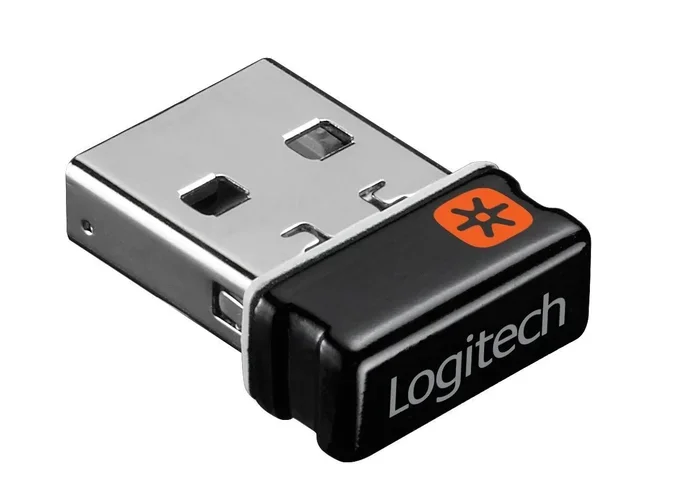
A bluetooth adapter is a small dongle you plug into your projector. It adds Bluetooth support instantly without any permanent changes to the device. You can find these adapters online for a very low price. Just plug it into the projector’s USB port or audio output jack. Then pair your phone to the adapter. This is the easiest and cheapest way to upgrade your projector connectivity. Make sure the adapter you buy supports both audio and video transmission. Some cheap adapters only handle audio, which will not work for watching movies.
Setting Up a Wireless Receiver
Another excellent option is a wireless receiver. This device plugs directly into your projector’s HDMI port. It receives the wireless signal from your phone or laptop. Many receivers also act as a great HDMI alternative. You can connect a laptop directly to the receiver without a cable. This is perfect for wireless presentations in offices or classrooms. The receiver usually comes with its own remote control too. You can adjust volume and power without reaching the projector itself. It adds a layer of convenience to your setup.
Making the Most of Your HDMI Alternative
Using a wireless receiver changes how you set up your entire room. You do not need to reach the back of the projector to plug in a heavy cable. You can place the projector on a high shelf or even on the ceiling. The receiver sits right next to it, hidden from view. This keeps your cable-free setup looking clean and professional. You can also use a projector remote to control everything from your cozy couch. It is a much better experience than crawling around on the floor to change inputs.
Wireless Projector vs. Wired Connections: Which Is Better?
Both wireless and wired connections have their own strengths and weaknesses. Let us compare them so you can choose the best option for your specific needs and situation.
Pros and Cons of Going Wireless
The biggest advantage of a wireless projector is freedom and flexibility. You can move around the room without tripping over cables. You can set up the projector anywhere in seconds. This is perfect for wireless presentations at work or movie nights at home with friends. The downside is that wireless can have a slight delay or latency. It might also suffer from interference from other devices. For most casual viewers, these minor issues are not a big deal. The convenience far outweighs the small drawbacks.
When You Still Need a Cable
There are certain times when a cable is still the better choice. If you need the absolute best picture quality and zero delay, use an HDMI cable. Cables have no audio latency and no compression or data loss. They are also more reliable for long signal range distances. If you are playing a competitive video game, the slight delay of Bluetooth might bother you. In those specific cases, a wired connection is the way to go. You can always switch between the two methods depending on what you are doing.
Using a Projector Remote for Convenience
One of the best parts of a wireless setup is ultimate convenience. You can use a projector remote to power on the device from across the room. You can also use your phone as a remote control. Many streaming projector apps have built-in remote controls right in the app. You do not need to get up to change the volume or skip a scene. This makes your home theater experience much more relaxing and enjoyable. You stay on the couch, and the projector does all the work for you.
Conclusion
So, can you connect a projector via Bluetooth? Absolutely! Can You Connect Projector Via Bluetooth is a question with a very easy and satisfying yes. You can enjoy a cable-free setup that makes your movie nights and presentations so much better. Whether you use a modern bluetooth projector or an older model with a bluetooth adapter, the process is simple and rewarding. Just remember to keep your devices close together. Watch out for audio latency and signal interference. With a little patience, you will have a great wireless display in no time. Now it is your turn to try connecting your devices tonight. You will love the freedom of going wireless in your home theater. Happy streaming and happy viewing!
Frequently Asked Questions
Can I connect any projector to Bluetooth?
Not all projectors have Bluetooth built in. You can check your projector’s settings or manual to see if it supports Bluetooth. If your older projector does not have it, you can still add Bluetooth using a bluetooth adapter or a wireless receiver. This makes projector connectivity possible for almost any model.
Why is there a delay when I connect my projector via Bluetooth?
The delay, known as audio latency, happens because Bluetooth takes time to process and send data. You can fix this by moving closer to the projector or lowering the video quality. Some bluetooth projector models have a low-latency mode that helps reduce this delay significantly.
Can I use Bluetooth for a wireless presentation?
Yes, Bluetooth is great for wireless presentations in small to medium rooms. It allows you to share your screen from your laptop to the wireless projector without any cables. Just make sure to device pairing correctly before your meeting starts.
What is the best Bluetooth projector for a home theater?
The best streaming projector has Bluetooth 5.0, good projector speakers, and low audio latency. Look for models with a long signal range and built-in apps. Reading reviews will help you find the perfect home theater projector for your needs.
How do I fix projector audio cutting out?
First, check if the projector is set as the active media audio device on your phone. If the projector audio still cuts out, unpair and re-pair the devices. Moving closer to the projector can also solve projector troubleshooting issues related to weak signals.
Is a wired connection better than Bluetooth for projectors?
For the absolute best picture quality and zero delay, a wired HDMI connection is better. However, for most casual watching and cable-free setup convenience, Bluetooth is excellent. You can always switch between a wireless display and a cable depending on your needs.