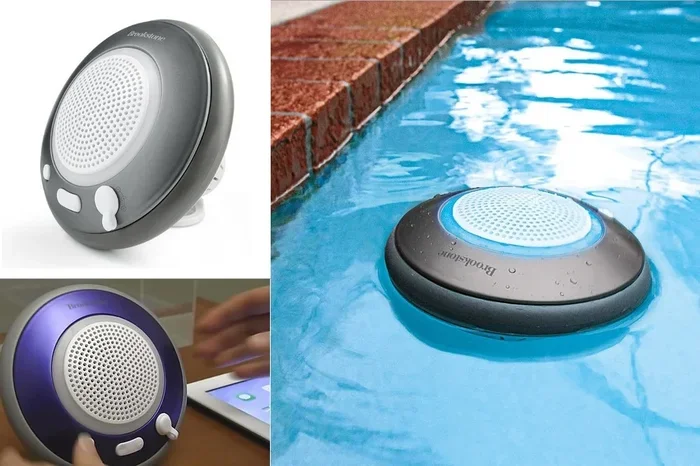
Are Waterproof Speakers Really Waterproof For Real
Waterproof speakers are not always fully waterproof, despite what the marketing claims. Most are water resistant and can handle splashes or rain, but only a few can survive full submersion. Understanding IP ratings and waterproof technology helps you pick the right speaker for your needs.
You bought a waterproof speaker. You took it to the pool. You dropped it in the water. And then… it stopped working. Sound familiar? You are not alone. The truth about waterproof speakers is not always what the box promises. Many brands use the word “waterproof” loosely, and that can lead to big disappointments. So let us clear things up once and for all.
This guide covers everything you need to know about waterproof speakers. We will look at what the labels really mean, how testing works, and what you can expect in real life. By the end, you will know exactly what to look for before your next purchase.
Key Takeaways
- Waterproof and water resistant are not the same thing: Many speakers labeled waterproof can only handle light splashes.
- IP ratings tell the real story: The IPX7 or IPX8 rating means a speaker can handle submersion, while IPX4 only handles splashes.
- No speaker is invincible: Even waterproof speakers degrade over time, especially with exposure to salt water or chlorine.
- Warranty often does not cover water damage: Always read the fine print before assuming your speaker is protected.
- Waterproof technology comes from broader tech innovation: The same principles used in medical computing devices also apply to waterproof electronics.
- Price does not always equal waterproof performance: Some affordable speakers have excellent waterproof ratings.
- Proper care extends speaker life: Rinsing and drying your speaker after water exposure makes a big difference.
📑 Table of Contents
- What Does “Waterproof” Actually Mean?
- How Waterproof Speakers Are Tested
- The Technology Behind Waterproof Speakers
- Can Waterproof Speakers Really Survive Anything?
- How to Choose a Truly Waterproof Speaker
- Common Mistakes People Make With Waterproof Speakers
- The Future of Waterproof Speaker Technology
- Final Thoughts
What Does “Waterproof” Actually Mean?
The word “waterproof” sounds simple enough. It means water cannot get through, right? Well, not exactly. In the real world, waterproofing is a spectrum. Some devices can handle a quick splash. Others can sit at the bottom of a pool for hours. The difference matters a lot, and most people do not know that.
Manufacturers love the word “waterproof” because it sells. But the truth is, very few consumer electronics are truly 100% waterproof forever. Most speakers are water resistant to some degree. They can handle a certain amount of water exposure, but they have limits. Understanding those limits starts with knowing the ratings.
IP Ratings Explained
The IP rating (Ingress Protection) is the gold standard for measuring how well a device resists water and dust. You will see it printed on the box or in the specs. It looks like “IPX7” or “IP68.” Let us break that down.
The first number after “IP” tells you about dust resistance. The second number tells you about water resistance. Here is a quick look at what the water numbers mean:
- IPX1: Protects against dripping water.
- IPX3: Protects against spraying water.
- IPX4: Protects against splashing water from any direction.
- IPX5: Protects against water jets.
- IPX7: Can survive submersion in up to 1 meter of water for 30 minutes.
- IPX8: Can survive deeper submersion for longer periods.
See the difference? A speaker with an IPX4 rating can handle rain or a poolside splash. But drop it in the water, and you are in trouble. An IPX7 or IPX8 speaker is built for that. Always check the IP rating before you trust a speaker with water.
Waterproof vs. Water Resistant: The Big Difference
This is where most confusion happens. “Waterproof” and “water resistant” are not the same. A water resistant speaker can handle some moisture but not full submersion. A truly waterproof speaker is designed to work even after being submerged.
Think of it like a raincoat. A raincoat keeps you dry in light rain. But if you jump into a lake, you are soaking wet. A waterproof jacket would keep you dry even then. The same idea applies to speakers. The label on the box might say “waterproof,” but the IP rating tells you the real truth.
How Waterproof Speakers Are Tested
You might wonder how companies test these speakers. Do they just splash them with a hose? Not quite. Testing follows strict standards. But not all companies follow them perfectly either.
Independent labs test speakers in controlled environments. They check for water entry at different pressures and depths. They also test speakers after exposure to salt water, chlorinated water, and even hot water. The results determine the final IP rating.
However, here is the catch. These tests happen under ideal conditions. A brand new speaker in a lab is not the same as a speaker that has been used for a year. Scratches, drops, and wear and tear weaken the waterproof seals over time. So even a high-rated speaker can fail earlier than expected.
Real-World Testing vs. Lab Testing
Lab tests give controlled results. Real life is messy. You might drop your speaker on a rough surface, scratch the casing, and then take it to the beach. All of that affects waterproof performance. The seals that keep water out can weaken from just one bad drop.
This is why many people report that their “waterproof” speaker died after a pool party. It was not necessarily a fake product. The seals just wore down from regular use. That is the reality of waterproof technology in portable electronics.
The Technology Behind Waterproof Speakers
So how do companies actually make speakers waterproof? It is not just about slapping a cover on them. There is real engineering involved.
Waterproof speakers use special seals and gaskets around every opening. The charging port gets a rubber cover. The speaker mesh gets a hydrophobic coating that repels water. Even the glue used in assembly matters. Every tiny detail adds up to keep water out.
Some brands also use nanocoating technology. This is a super-thin layer applied to internal components. It makes the inside of the speaker water resistant at a microscopic level. You cannot see it, but it works.
Interestingly, the same waterproofing principles used in consumer electronics also apply to broader technology fields. For instance, the durable and sealed design concepts found in medical computers and devices rely on similar methods to protect sensitive electronics from moisture and liquids in clinical environments. This shows how waterproof technology has roots far beyond just audio equipment.
Why Not All Speakers Use the Same Technology
Here is something people often overlook. Not every speaker uses the same level of waterproof engineering. Cheap speakers might have basic seals. Premium speakers use multiple layers of protection. The difference shows in the price tag and the IP rating.
Also, the size of the speaker matters. A tiny portable speaker has less room for seals and gaskets. A larger speaker can fit more protective layers. So size does affect how well a speaker can resist water.
Can Waterproof Speakers Really Survive Anything?
The honest answer is no. Even the best waterproof Bluetooth speaker has limits. Let us talk about what can actually go wrong.
Salt water is a speaker killer. Chlorine from pools can damage seals over time. Hot water can warp internal parts. Even water pressure from a hose at full blast can force water past weak seals. So while a waterproof speaker can handle a lot, it is not indestructible.
Here are some real scenarios where even waterproof speakers struggle:
- Ocean swimming: Salt water corrodes seals faster than fresh water.
- Hot tubs: Heat breaks down waterproof membranes over time.
- High-pressure water: A strong hose spray can push past IPX7 limits.
- Charging while wet: Plugging in a wet speaker can cause short circuits.
- Aged speakers: Seals dry out and crack after one to two years.
These are not made-up problems. They are real issues that real people face. So please do not treat any speaker like it can survive anything. Respect the limits, and your speaker will last longer.
What Happens When Water Gets Inside?
Water damage is sneaky. Sometimes a speaker works fine right after water exposure. But moisture sits inside and causes corrosion over days or weeks. The audio starts to sound muffled. Then the speaker cuts out. Then it dies completely.
This delayed damage is the worst part. You think everything is fine, but inside, the circuitry is rusting. That is why it is so important to dry your speaker thoroughly after any water exposure. A quick wipe is not always enough. Let it air dry for at least 24 hours.
How to Choose a Truly Waterproof Speaker
Shopping for a waterproof speaker can be confusing. Brands use fancy words and misleading labels. Here is how to cut through the noise and pick the right one.
First, look at the IP rating. If you want to take the speaker swimming, aim for IPX7 or higher. If you only need it for the shower or rain, IPX4 will work. Do not pay extra for IPX8 if you do not need deep submersion.
Second, check the warranty. Some brands offer a separate water damage warranty. Others explicitly exclude water damage from coverage. Read the fine print. A good warranty gives you peace of mind.
Third, read real user reviews. Look for reviews from people who actually used the speaker in water. They will tell you the truth about durability. Professional reviews are helpful, but real-world experiences matter more.
Top Features to Look For
Here are the features that make a waterproof speaker worth your money:
- High IP rating: IPX7 or IPX8 for full water confidence.
- Floatation design: Some speakers float, which is a nice bonus near pools or lakes.
- Rugged build: Shockproof and crushproof designs add extra protection.
- Long battery life: Water-resistant speakers often have bigger batteries for outdoor use.
- Easy to clean: A smooth, sealed surface wipes down easily after beach or pool use.
- Bluetooth range: A strong connection means fewer dropped calls near water.
Common Mistakes People Make With Waterproof Speakers
Even if you buy the best waterproof speaker, mistakes can still ruin it. Here are the most common ones we see.
Mistake 1: Assuming “waterproof” means forever. No speaker lasts forever in water. The seals degrade. The waterproofing weakens. Plan for replacement every couple of years if you use the speaker in water regularly.
Mistake 2: Charging a wet speaker. This is a big one. Plugging in a wet speaker can fry the circuits. Always dry it completely before charging. Wait at least a few hours after any water exposure.
Mistake 3: Ignoring the salt water factor. Salt water is far more damaging than fresh water. If you take your speaker to the beach, rinse it with fresh water afterward. This simple step extends the life of your speaker significantly.
Mistake 4: Skipping the drying step. Many people wipe the outside and call it done. But water hides in seams, charging ports, and speaker grills. Use a soft cloth and let the speaker air dry in a warm, ventilated spot.
Mistake 5: Buying based on price alone. A cheap speaker might not have the same waterproofing as a premium one. But that does not mean you need to spend a fortune. Look for solid IP ratings at mid-range prices. You can find great waterproof audio without breaking the bank.
Quick Tips for Extending Speaker Life
Want your waterproof speaker to last? Follow these simple tips:
- Rinse with fresh water after any salt or chlorinated water exposure.
- Air dry completely before storing or charging.
- Store in a cool, dry place when not in use.
- Do not expose to extreme heat, like leaving it in a hot car.
- Check seals and gaskets regularly for wear or cracks.
- Use a protective case when transporting near water.
These small habits make a huge difference. They keep your portable speakers performing at their best for years.
The Future of Waterproof Speaker Technology
Waterproof technology keeps getting better. New materials and coatings are making speakers more durable every year. Some brands are experimenting with fully sealed designs that have no openings at all. No charging port. No buttons that wear out. Just a solid, waterproof shell.
Other innovations include self-healing seals that repair small cracks automatically. And smart sensors that detect moisture buildup and alert you before damage happens. The future of waterproof audio equipment looks very promising.
As waterproofing standards evolve, we can expect speakers to become even more reliable in water. The gap between marketing claims and real performance will continue to shrink. For now, though, knowing the facts puts you ahead of most buyers.
Final Thoughts
So are waterproof speakers really waterproof? The answer is yes and no. A speaker with a true IPX7 or IPX8 rating is genuinely waterproof for most real-world situations. But no speaker is invincible. Water damage can still happen, especially with misuse or neglect.
The key is understanding what your speaker can and cannot handle. Check the IP rating. Follow care instructions. And do not believe every marketing claim on the box. With the right knowledge, you can enjoy your waterproof Bluetooth speaker near water without worry.
Waterproof speakers have come a long way. They let us enjoy music by the pool, in the shower, and on the boat. Just respect the technology, take care of your gear, and it will keep the good times rolling. Now go find the perfect speaker for your next water adventure.
Frequently Asked Questions
Can I leave my waterproof speaker in the rain?
Yes, most waterproof speakers with an IPX4 rating or higher can handle rain just fine. But do not leave it sitting in a puddle for hours. Prolonged exposure to standing water can still cause damage over time, even to rated waterproof speakers.
What is the difference between IPX7 and IPX8?
IPX7 speakers can survive 1 meter of water for 30 minutes. IPX8 speakers can handle deeper submersion for longer periods. The exact depth and time for IPX8 are set by the manufacturer, so check the specific details before assuming.
Do waterproof speakers work underwater?
Most waterproof speakers do not work well underwater. Water absorbs sound and distorts audio. They are designed to survive being in water, not to play music clearly while submerged. Some premium models perform better underwater than others, but do not expect perfect sound.
Can I charge my waterproof speaker right after it gets wet?
No. Always dry the speaker completely before charging. Water inside the charging port can cause a short circuit. Wait at least a few hours and make sure the port is fully dry. A little patience saves a lot of money.
How long do waterproof speakers last?
A good waterproof speaker lasts two to four years with regular care. Exposure to salt water, chlorine, and heat shortens that lifespan. Rinsing and drying your speaker after each water session helps it last much longer.
Are cheap waterproof speakers worth buying?
Some budget speakers have surprisingly good waterproof ratings. But they may use lower-quality seals that wear out faster. Read reviews carefully and look for at least an IPX5 rating if you want reliable water resistance on a budget.