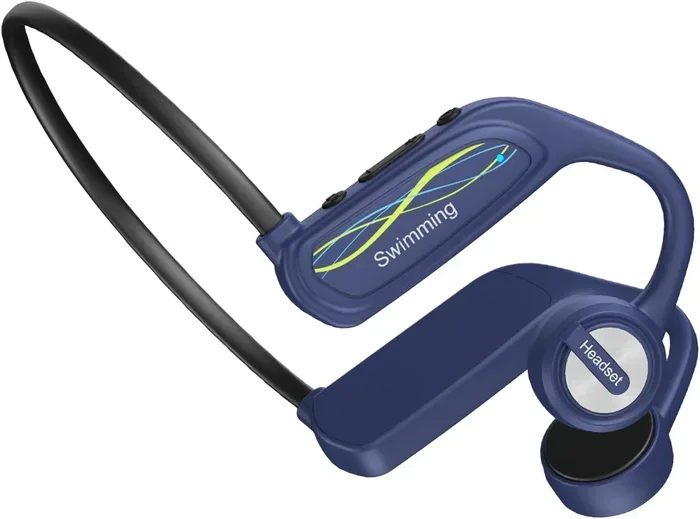
Can I Wear My Headphones In The Pool Without Ruining Them
Yes, you can wear headphones in the pool — but only if they are designed for water exposure. Waterproof and water-resistant headphones let you enjoy music while swimming, but standard headphones will get ruined fast. Understanding IPX ratings and waterproof technology helps you pick the right pair and keep them safe.
So you want to listen to music while you swim? Maybe you are planning a pool day and want to know if your favorite pair of headphones can handle the water. The short answer is: it depends on your headphones. Some are built to survive submersion, while others will fall apart the moment they touch water.
In this guide, we will cover everything you need to know about wearing headphones in the pool. You will learn about waterproof ratings, which types of headphones work best, and how to keep your audio devices safe around water. Whether you are a casual swimmer or a lap enthusiast, this article has you covered.
Let us dive right in — pun fully intended.
Key Takeaways
- Not all headphones are pool-safe: Regular headphones can suffer severe water damage within seconds of submersion.
- Check the IPX rating: IPX7 and IPX8 rated headphones are designed to handle submersion in water, making them ideal for pool use.
- Waterproof earbuds and swim-specific headphones offer the best experience for listening to music while swimming laps or relaxing by the pool.
- Proper care after pool use — like rinsing and drying — extends the lifespan of your water-resistant headphones significantly.
- Wireless Bluetooth headphones with good waterproof ratings give you freedom of movement without tangled cords in the water.
- Avoid charging wet headphones: Always dry them completely before plugging them in to prevent short circuits and internal corrosion.
- Technology has evolved: Just as computers are used in medicine to survive challenging environments, modern waterproof audio devices are built to withstand water exposure in pools, showers, and more.
📑 Table of Contents
- Can You Actually Wear Headphones In The Pool?
- Understanding Waterproof Ratings For Pool Headphones
- Best Types Of Headphones For Pool Use
- How To Protect Your Headphones From Water Damage
- Common Mistakes People Make With Pool Headphones
- How Waterproof Audio Technology Has Evolved
- Quick Tips For Swimming With Headphones
- Final Thoughts
Can You Actually Wear Headphones In The Pool?
The answer is yes, but with a big caveat. You cannot just take any pair of headphones and toss them into a pool. Standard headphones are not designed for water exposure. They contain sensitive electronic parts that can short circuit the moment water gets inside.
However, manufacturers now make waterproof headphones and water-resistant earbuds specifically for pool use. These devices come with special seals, coatings, and designs that keep water out of the internal components. If you pick the right pair, you can enjoy your favorite playlist while doing laps or floating on a raft.
The key is understanding what makes a headphone safe for pool use. It all comes down to build quality, waterproof ratings, and how the device is engineered. Let us break this down further.
Why Regular Headphones Fail in Water
Most everyday headphones have tiny gaps and openings where water can sneak in. The internal circuitry — much like the components found on a motherboard — is highly sensitive to moisture. When water reaches the circuit board, it causes short circuits that can permanently damage the headphones.
Here is what happens when regular headphones hit pool water:
- Instant short circuit: Water conducts electricity and disrupts the signal flow inside the headphone drivers.
- Rust and corrosion: Even after drying, moisture left inside can cause long-term corrosion of metal parts.
- Speaker damage: The tiny drivers inside earbuds can warp or degrade when exposed to water.
- Battery issues: Water can damage lithium-ion batteries, leading to poor performance or even safety hazards.
So the bottom line is clear. You need headphones that are specifically built to handle water. Let us look at how to identify those.
Understanding Waterproof Ratings For Pool Headphones
Not all waterproof headphones are created equal. Manufacturers use a system called IPX ratings to tell you how well a device handles water. This rating system is your best friend when shopping for pool-safe headphones.
Here is a quick breakdown of the most common ratings you will see:
What Does IPX Mean?
IPX stands for Ingress Protection. The “X” means the device has not been rated for dust protection, and the number after it tells you about water resistance. The higher the number, the better the protection.
IPX Rating Scale Explained
- IPX4: Splash-proof. Can handle sweat and light splashes but not full submersion.
- IPX5: Water-resistant. Can handle water jets but not immersion.
- IPX6: Strong water-resistant. Handles heavy splashes and showers but not submersion.
- IPX7: Can be submerged in up to 1 meter of water for 30 minutes. Great for pool use.
- IPX8: Can be submerged beyond 1 meter for extended periods. The best rating for serious swimmers.
If you plan to wear headphones in the pool, aim for IPX7 or IPX8. These ratings mean the headphones are built to handle full submersion. Anything lower might survive a quick dip but is not reliable for regular pool use.
Best Types Of Headphones For Pool Use
Not all pool-friendly headphones are the same. Different types serve different needs. Let us look at the best options for listening to music while swimming.
Wireless Bluetooth Swim Headphones
Wireless Bluetooth headphones are the most popular choice for pool use. They have no cords to tangle, and many come with built-in memory so you can play music without a phone nearby. Look for models that are IPX7 or IPX8 rated for the best pool experience.
Brands like Shokz, FINIS, and Jabra make excellent swim headphones designed specifically for athletes and casual swimmers alike. These devices often come with ergonomic ear tips that stay secure even during vigorous swimming.
Waterproof Earbuds
Waterproof earbuds are smaller and more discreet than over-ear headphones. They fit snugly in the ear canal and are less likely to fall out while swimming. Many water-resistant earbuds also feature bone conduction technology, which sends sound through your cheekbones instead of going into the ear canal.
This design is great for swimmers who want to stay aware of their surroundings. It also reduces the risk of ear infections since the ear canal is not completely blocked.
Bone Conduction Headphones
Bone conduction headphones are a unique option. They rest on your cheekbones and transmit sound directly to your inner ear. This means your ear canals stay open, which is both safer and more comfortable for extended pool sessions.
These headphones are also a great choice if you wear hearing aids or have sensitive ears. They provide solid audio quality without the discomfort of in-ear buds. Many bone conduction models now come with excellent waterproof ratings that make them perfect for the pool.
How To Protect Your Headphones From Water Damage
Even the best waterproof headphones need proper care. Water exposure over time can wear down seals and reduce performance. Here are some practical tips to keep your pool headphones in great shape.
Rinse After Every Swim
After taking your headphones out of the pool, rinse them with fresh water. Pool water contains chlorine and other chemicals that can degrade rubber seals and plastic parts over time. A quick rinse under tap water removes these harsh chemicals and keeps your headphones looking and working like new.
Dry Them Thoroughly
Always dry your headphones completely before storing them. Use a soft cloth to gently pat them dry. Never use a hairdryer on high heat, as this can warp plastic parts and damage internal components. Let them air dry in a well-ventilated area for at least an hour.
Store Them Properly
Store your waterproof earbuds in a dry case when not in use. Avoid leaving them in damp environments like gym bags or poolside surfaces where moisture can accumulate. A small silica gel packet in the storage case can help absorb any residual moisture.
Never Charge Wet Headphones
This is a big one. Never plug in wet headphones to charge them. Water inside the charging port can cause a short circuit and permanently destroy the device. Always make sure your headphones are completely dry before connecting them to a power source.
Check Seals and Gaskets Regularly
Over time, the rubber seals and gaskets on waterproof headphones can wear out. Check them regularly for cracks, tears, or signs of degradation. Replacing a worn seal early can prevent water from reaching the internal electronics and save you from costly replacements.
Common Mistakes People Make With Pool Headphones
Even experienced swimmers make mistakes when it comes to headphone care. Here are some common errors to avoid:
- Using non-waterproof headphones in the pool: This is the number one mistake. Do not risk your favorite pair of regular headphones.
- Ignoring the IPX rating: Not all “water-resistant” headphones are pool-safe. Check the rating before you swim.
- Forgetting to rinse after chlorine exposure: Chlorine is corrosive and will damage your headphones faster than plain water.
- Charging headphones while still damp: This causes internal short circuits and battery damage.
- Dropping headphones on pool decks: Wet surfaces are slippery, and a drop can crack the casing or damage internal parts.
- Sharing headphones without cleaning: This can spread bacteria and ear infections, especially in pool environments where germs thrive.
Avoiding these simple mistakes will keep your headphones working for many pool seasons to come.
How Waterproof Audio Technology Has Evolved
The technology behind waterproof audio devices has come a long way. Just as industries across the board have adapted to challenging environments — much like how computers are used in medicine to operate in sterile, demanding settings — audio manufacturers have developed innovative solutions for water exposure.
Today, waterproof Bluetooth headphones use advanced nano-coatings that repel water at the molecular level. Internal circuit boards are sealed with epoxy resin, and speaker drivers are encased in waterproof housings. These innovations mean you can confidently wear headphones in the pool without worrying about damage.
The evolution of pool-safe audio technology has also led to better sound quality. Early waterproof headphones sounded muffled or tinny. Modern swim headphones deliver rich, clear audio that rivals standard wireless earbuds. You no longer have to sacrifice sound quality for water resistance.
Many brands now also offer smart features like touch controls, voice assistants, and equalizer settings in their waterproof models. This means you get a full-featured listening experience even underwater.
Quick Tips For Swimming With Headphones
Here are some fast, practical tips to get the most out of your pool headphones:
- Choose IPX7 or higher: This is the minimum rating for safe pool use.
- Test before you swim: Try a quick water test in a sink or shallow basin before taking expensive headphones into the pool.
- Use a neoprene carry case: This protects headphones from drops and scratches at the pool.
- Keep the volume moderate: Loud music underwater can damage your hearing over time, even if you cannot hear it as clearly.
- Limit prolonged submersion: Even IPX8 headphones are not designed for indefinite underwater use.
- Replace ear tips regularly: Worn ear tips reduce water resistance and sound quality.
- Consider a waterproof armband: If your phone is not waterproof, use a armband to keep it safe while your headphones connect wirelessly.
Final Thoughts
So, can you wear headphones in the pool? Absolutely — as long as you choose the right pair. Waterproof and water-resistant headphones open up a whole new world of entertainment for swimmers. You can listen to music, podcasts, or audiobooks while you splash around and enjoy the water.
The key is to understand IPX ratings, pick headphones designed for water exposure, and take good care of them after every swim. With the right pair and proper maintenance, your pool headphones will last for years of fun in the water.
Do not let water fear stop you from enjoying your favorite tunes by the pool. Invest in a good pair of waterproof swim headphones, follow the care tips in this guide, and dive into the music. Happy swimming!
Frequently Asked Questions
Can any headphones be worn in a pool?
No, not all headphones are safe for pool use. Only headphones with a proper waterproof rating, such as IPX7 or IPX8, should be submerged in pool water. Regular headphones will suffer water damage quickly and may be permanently ruined.
What is the best IPX rating for pool headphones?
IPX7 and IPX8 are the best ratings for pool use. IPX7 means the headphones can survive 30 minutes in 1 meter of water, while IPX8 allows for deeper and longer submersion. Always check the rating before buying waterproof earbuds for the pool.
Are Bluetooth headphones safe to use in the pool?
Yes, but only if they are specifically rated as waterproof. Bluetooth signals do not work well underwater, so most wireless swim headphones store music internally and play it without needing a phone connection while submerged.
How do I dry my headphones after swimming?
Gently pat your headphones with a soft, dry cloth and let them air dry in a ventilated area for at least one hour. Do not use heat sources like hairdryers. You can also place them in a container with silica gel packets to absorb any remaining moisture.
Can chlorine damage waterproof headphones?
Yes, chlorine can degrade rubber seals and plastic parts over time. Always rinse your pool-safe headphones with fresh water after every swim to remove chlorine and other pool chemicals. This simple step significantly extends their lifespan.
How long do waterproof headphones last in a pool environment?
With proper care, waterproof swim headphones can last anywhere from one to five years or more. Regular rinsing, thorough drying, and proper storage all contribute to a longer lifespan. Checking seals and gaskets periodically also helps prevent early failure.