Can My Wireless Carrier Track A Stolen Phone Today
Yes, your wireless carrier can track a stolen phone using several powerful methods like GPS, IMEI numbers, and cell tower triangulation. Understanding how stolen phone recovery works helps you act fast and protect your personal data. This guide covers every method carriers use, what you should do right after a theft, and how to prevent future losses.
This is a comprehensive guide about Can My Wireless Carrier Track A Stolen Phone.
Key Takeaways
- Carriers can track your phone: Wireless companies use GPS, IMEI numbers, and cell tower data to locate stolen devices on their network.
- IMEI tracking is the most reliable method: Every phone has a unique IMEI number that carriers use to identify and locate your device anywhere it connects to a network.
- Act fast after theft: The sooner you report a stolen phone to your carrier, the better your chances of recovery and data protection.
- Remote wipe and lock features help: Tools like Find My Phone and carrier-level remote wipe protect your personal data even if the phone cannot be recovered.
- Prevention is key: Setting up tracking features, using strong passwords, and registering your IMEI number can significantly reduce the risk of permanent loss.
- Not all tracking works everywhere: GPS and network-based tracking depend on the phone being powered on and connected to a network.
- Your carrier has a legal obligation: Many carriers cooperate with law enforcement to help recover stolen devices and blacklist them from their networks.
[FEATURED_IMAGE_PLACEHOLDER]
Can My Wireless Carrier Track A Stolen Phone?
The short answer is yes. Your wireless carrier has the tools and technology to track a stolen phone in most cases. When your phone connects to a cellular network, it leaves behind a trail of data that your carrier can use to pinpoint its location. This is not something out of a spy movie. It is a real, everyday capability that mobile network operators use for customer service and security purposes.
But tracking a stolen phone is not as simple as pressing a single button. There are multiple methods involved, each with its own strengths and limitations. Your carrier might use GPS tracking, cell tower triangulation, or the unique IMEI number assigned to your device. Understanding how each method works can help you make smarter decisions about phone security and recovery.
Whether you have already lost your phone or want to prepare for the worst, this guide will walk you through everything you need to know. We will cover the exact methods carriers use, what steps to take immediately after a theft, and how to protect your data before anything happens. By the end, you will feel confident and prepared.
How Wireless Carriers Track Devices
Carriers use several layers of mobile device tracking technology. Each method works differently, and some are more effective than others depending on the situation. Let us break down the main tracking methods so you understand what your carrier can actually do.
GPS Tracking
Global Positioning System tracking is the most accurate method available. When your phone has GPS enabled, it communicates with satellites to determine its exact location. Your carrier can access this data if the phone is still powered on and connected to the network. This is the same technology that powers apps like Google Maps and Apple Maps.
However, GPS tracking has one big limitation. It only works when the phone is turned on and has an active connection. If a thief turns off your phone or removes the SIM card, GPS signals stop transmitting. This is why quick action matters so much after a theft.
Cell Tower Triangulation
Cell tower triangulation works by measuring the signal strength between your phone and nearby cell towers. Your carrier can estimate your phone’s location based on which towers it connects to. This method is less precise than GPS, but it still provides a useful general area. Even if your phone is not connected to Wi-Fi, it can still ping cell towers when it is powered on.
This is often the first method carriers use when a customer reports a stolen device. The carrier checks which towers the phone last connected to and narrows down the search area. It is not perfect, but it gives law enforcement a starting point.
IMEI Number Tracking
The IMEI number is a unique 15-digit code assigned to every mobile device. Think of it as your phone’s fingerprint. When your phone connects to any cellular network anywhere in the world, the IMEI number is logged. Carriers can use this number to track your phone across different networks and even across international borders.
This is one of the most powerful tools available for stolen phone recovery. Even if the thief changes the SIM card, the IMEI number remains the same. Many countries maintain shared databases of stolen IMEI numbers, which means your phone can be blacklisted from networks worldwide. This makes it very difficult for a thief to use or resell a stolen device.
What Happens When You Report A Stolen Phone To Your Carrier
Reporting a stolen phone to your wireless carrier should be your first priority. The faster you act, the better your chances of recovering the device and protecting your personal information. Here is exactly what happens when you file a report with your carrier.
Step 1: Suspend Your Service Immediately
The moment you confirm your phone is stolen, call your carrier’s support line. Ask them to suspend your service right away. This prevents the thief from making calls, sending texts, or using data on your plan. Most carriers can suspend service within minutes of receiving your request. This also protects you from unauthorized charges on your bill.
Step 2: Block The IMEI Number
After suspending service, your carrier will blacklist your phone’s IMEI number. This means the device cannot connect to any cellular network that uses the same database. In the United States, all major carriers share a central IMEI database. Once your phone is blacklisted, it becomes essentially useless as a phone, even if the thief inserts a new SIM card.
Step 3: Assist With Law Enforcement
Your carrier can provide location data to law enforcement if you file a police report. They will share the last known location of your phone based on cell tower data and any GPS information available. This cooperation between carriers and police departments is a key part of the stolen phone recovery process.
Step 4: Remote Lock And Wipe
If you have set up tracking features on your phone beforehand, you can remotely lock the device or wipe all data. Carriers can sometimes assist with this process, but it is much more effective if you have already configured these features on your device. This is why preparation before a theft is so important.
Tracking Technologies Your Carrier Uses
Modern wireless carriers rely on a combination of technologies to locate and track mobile devices. Understanding these technologies helps you see why some tracking attempts succeed while others fall short.
GPS And Location Services
Location services are built into every modern smartphone. Both Android and iOS devices use a combination of GPS, Wi-Fi, and Bluetooth signals to determine precise location. Your carrier can tap into this data through their network infrastructure. When your phone is on and connected, the carrier can see exactly where it is.
For example, if you use the “Find My Phone” feature on an iPhone or Android device, your carrier has access to similar data through their network. The difference is that carrier-level tracking does not require you to have the Find My app installed. It works at the network level, which makes it more reliable in certain situations.
Network-Based Device Identification
Every time your phone connects to a cellular network, it sends identifying information. This includes your IMEI number, the cell tower ID, and the approximate signal strength. Carriers store this data temporarily and can use it to trace your phone’s movements. This is the backbone of cellular tracking and is used by carriers around the world.
Network-based identification is particularly useful when GPS is not available. For instance, if your phone is indoors or in a dense urban area, GPS signals may be weak or blocked. But cell tower data is still available, giving the carrier a reasonable estimate of your phone’s location.
Wi-Fi And Bluetooth Tracking
Even when GPS is turned off, your phone constantly scans for Wi-Fi networks and Bluetooth devices. Carriers can use this data to estimate your phone’s location. This method is less accurate than GPS, but it still provides useful information. If your phone is connected to a known Wi-Fi network, the carrier can pinpoint its location with surprising accuracy.
Some carriers also work with Wi-Fi positioning databases. These are massive collections of Wi-Fi network locations collected from devices around the world. By matching the Wi-Fi networks your phone has connected to, the carrier can estimate its location even without GPS.
Can Carriers Track A Phone That Is Turned Off?
This is one of the most common questions people ask about phone locator technology. The honest answer is: it depends. A completely powered-off phone is very difficult to track using traditional methods. When your phone is off, it stops communicating with cell towers and GPS satellites. This cuts off most tracking signals.
However, there are some exceptions. Some modern smartphones have low-power standby modes that allow limited network communication even when the screen is off. In rare cases, carriers may be able to detect these signals. Additionally, if the phone was recently on, the carrier can still see the last known location before it was powered off.
The bottom line is that a turned-off phone is much harder to track. This is why thieves often power off stolen devices immediately. It is also why you should report a theft as soon as possible, while there is still a chance the phone is on and connected.
How To Protect Your Phone Before It Gets Stolen
Prevention is always better than recovery. Taking a few simple steps now can make a huge difference if your phone is ever stolen. Here are the most effective ways to protect your device and personal data.
Enable Find My Phone
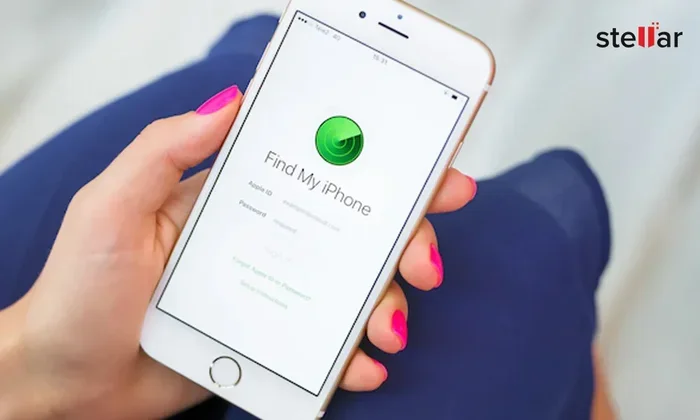
Both Android and iOS offer built-in tracking features. On iPhone, turn on “Find My iPhone” in your settings. On Android, enable “Find My Device.” These features let you locate your phone, play a sound, lock it remotely, or erase all data from anywhere in the world. They are free and easy to set up.
Know Your IMEI Number
Write down your phone’s IMEI number and keep it in a safe place. You can find it by dialing *#06# on your phone or checking the original box it came in. If your phone is stolen, having the IMEI number ready makes it much easier to report to your carrier and police. It also speeds up the blacklisting process.
Use Strong Security Measures
Set up a strong passcode, fingerprint lock, or face recognition on your phone. These security measures make it much harder for a thief to access your personal data. They also deter casual thieves who want quick access to your information. The more layers of security you have, the better protected you are.
Register Your Device
Some carriers and manufacturers offer device registration programs. When you register your phone, it is added to a database that helps authorities identify and recover stolen devices. Check with your carrier to see if they offer this service. It is a simple step that adds an extra layer of protection.
Back Up Your Data Regularly
If your phone is stolen and cannot be recovered, you will still have all your photos, contacts, and documents if you back them up regularly. Use cloud storage services like Google Drive, iCloud, or your carrier’s backup service. This ensures that even in the worst-case scenario, you do not lose your important data permanently.
Common Mistakes People Make After A Phone Is Stolen
Knowing what not to do is just as important as knowing what to do. Many people make mistakes after their phone is stolen that reduce their chances of recovery and put their data at risk.
Waiting Too Long To Report
The longer you wait to report a stolen phone, the harder it becomes to track. Thieves know this and often power off devices quickly. If you suspect your phone is stolen, report it immediately. Every minute counts when it comes to stolen phone recovery.
Not Having Tracking Enabled
If you never set up Find My Phone or similar features, you lose the ability to locate, lock, or wipe your device remotely. Many people realize too late that they should have enabled these features. Take five minutes today to set them up. It could save you a world of trouble tomorrow.
Confronting A Thief Directly
Never try to confront a thief in person. Your safety matters more than any device. Let the authorities handle recovery efforts. Your carrier and local police have the tools and training to track and recover stolen devices safely.
Expert Insights On Phone Tracking And Recovery
Security experts agree that the combination of carrier tracking and personal device features offers the best chance of recovering a stolen phone. According to industry professionals, the key is preparation. Setting up tracking features, knowing your IMEI number, and acting quickly after a theft dramatically improve your odds.
Carriers have invested heavily in mobile tracking technology over the past decade. Today’s network infrastructure allows for real-time location tracking, instant IMEI blacklisting, and seamless cooperation with law enforcement. These tools make it harder than ever for thieves to profit from stolen devices.
However, experts also caution that no system is perfect. Tracking accuracy depends on many factors, including whether the phone is on, what network it connects to, and how quickly you report the theft. The best approach is a layered strategy that combines carrier tools, device features, and personal vigilance.
Key Takeaways
- Your wireless carrier has the ability to track a stolen phone using GPS, cell tower triangulation, and IMEI number tracking.
- IMEI tracking is the most powerful tool because it works across networks and borders, even if the SIM card is changed.
- Report a stolen phone immediately to your carrier so they can suspend service, blacklist the IMEI, and assist law enforcement.
- A turned-off phone is much harder to track, which is why quick reporting is essential for successful recovery.
- Prevention beats recovery every time. Enable Find My Phone, know your IMEI, use strong locks, and back up your data regularly.
- Carriers cooperate with police to provide location data and help with stolen phone recovery efforts.
- Remote lock and wipe features protect your data even if the physical device cannot be recovered.
Conclusion
The answer to the question can my wireless carrier track a stolen phone is a resounding yes. Your carrier has multiple powerful tools at their disposal, from GPS tracking to IMEI blacklisting to cell tower triangulation. These technologies work together to help locate your device, protect your data, and assist law enforcement in recovery efforts.
But technology alone is not enough. You play a critical role in the process. By setting up tracking features, knowing your IMEI number, and acting quickly after a theft, you maximize your chances of getting your phone back. Preparation and quick response are the two most important factors in stolen phone recovery.
Take a few minutes today to review your phone’s security settings. Make sure Find My Phone is enabled. Write down your IMEI number and store it somewhere safe. These small steps can make a massive difference if you ever find yourself in this situation. Your wireless carrier is a powerful ally in phone security, but only if you take advantage of the tools and information they offer.
Stay proactive, stay informed, and keep your mobile device tracking features active. Your phone holds too much personal information to leave it unprotected. With the right preparation and the support of your carrier, you can face the worst-case scenario with confidence and control.
Can My Wireless Carrier Track A Stolen Phone?
Yes, your wireless carrier can track a stolen phone using methods like GPS tracking, cell tower triangulation, and IMEI number identification. They can also suspend your service and blacklist the device to prevent unauthorized use.
How Long Does It Take A Carrier To Track A Stolen Phone?
Carriers can begin tracking almost immediately after you report the theft. The accuracy and speed depend on whether the phone is powered on, connected to a network, and has location services enabled. Quick reporting gives you the best results.
Can A Carrier Track A Stolen Phone That Has No SIM Card?
Yes, carriers can still track a phone without a SIM card using the IMEI number and Wi-Fi or cell tower connections. The IMEI is tied to the hardware itself, not the SIM card, making it a reliable tracking tool even when the SIM is removed.
Is It Free For My Carrier To Track My Stolen Phone?
Most carriers offer basic tracking and IMEI blacklisting services at no extra cost. However, some premium security services or advanced tracking features may require a subscription or additional fee. Check with your specific carrier for details.
What Should I Do First If My Phone Is Stolen?
Call your carrier immediately to suspend service and blacklist your IMEI number. Then file a police report and use your Find My Phone feature to locate, lock, or remotely wipe the device. Acting fast gives you the best chance of recovery.
Can My Phone Be Tracked After It Is Turned Off?
Tracking a completely powered-off phone is very difficult. Most tracking methods require the device to be on and connected to a network. However, carriers may still have the last known location from before the phone was turned off, which can help in recovery efforts.
Frequently Asked Questions
What is Can My Wireless Carrier Track A Stolen Phone?
Can My Wireless Carrier Track A Stolen Phone is an important topic with many practical applications.