Can You Add RAM To Surface Laptop 2 And Why It Matters
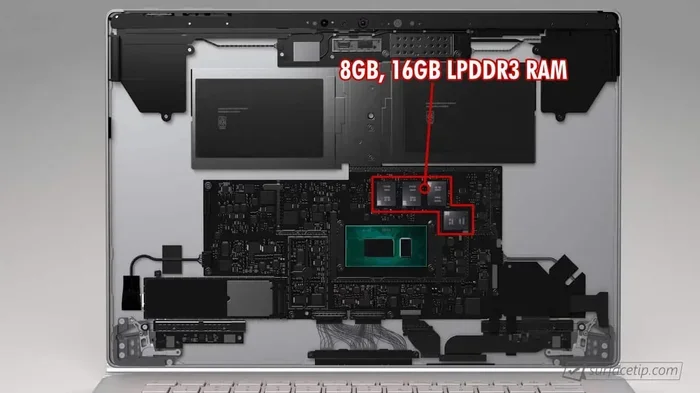
Can you add RAM to Surface Laptop 2? Unfortunately, the answer is no. The RAM on the Surface Laptop 2 is soldered directly to the motherboard, making it impossible to upgrade or replace. In this guide, we will explain why this is the case and show you practical ways to boost your Surface Laptop 2 performance without adding more memory.
This is a comprehensive guide about Can You Add Ram To Surface Laptop 2.
- RAM is not upgradeable: The Surface Laptop 2 has soldered memory that cannot be physically added or replaced.
- Choose wisely at purchase: Pick the highest RAM configuration you can afford since you cannot upgrade later.
- Performance alternatives exist: SSD upgrades, software tweaks, and storage management can help improve speed.
- Soldered design is common: Many modern ultrabooks use this approach for thinner builds and better battery life.
- Consider your needs: 8GB works for most tasks, but 16GB is better for creative work and heavy multitasking.
- External solutions help: Using cloud computing and external storage can ease memory pressure on your device.
[FEATURED_IMAGE_PLACEHOLDER]
Can You Add RAM To Surface Laptop 2? Here Is The Honest Truth
If you own a Surface Laptop 2 or are thinking about buying one, you might be wondering about its upgrade potential. Specifically, can you add RAM to Surface Laptop 2 models? This is a common question, especially for users who want their device to last longer and handle heavier workloads.
The short answer is simple. You cannot add RAM to the Surface Laptop 2. The memory is soldered onto the motherboard. This means there is no physical slot or compartment where you can swap in a new RAM stick. It is a sealed design, and opening the device will not reveal any upgradeable components.
This might sound disappointing. But do not worry. There is still plenty you can do to get the best performance out of your device. Let us break down everything you need to know.
What Does “Adding RAM” Actually Mean?
Before we go further, let us clarify what people mean when they talk about adding RAM. RAM stands for Random Access Memory. It is the short-term memory your computer uses to run apps and processes.
On many desktop PCs and some laptops, RAM comes in physical sticks. These sticks plug into slots on the motherboard. You can remove old sticks and install bigger ones. This is what people mean by “adding RAM.”
But not all laptops work this way. Ultra-thin devices like the Surface Laptop 2 often use a different approach. The memory chips are directly soldered onto the motherboard. They become a permanent part of the hardware. You cannot remove them or add more.
Why Do Manufacturers Solder RAM In Place?
There are some good reasons behind this design choice.
- Thinner profiles. Soldered RAM takes up less space. This helps keep the laptop slim and light.
- Better battery life. Fewer components mean lower power draw.
- Improved stability. A soldered connection is less likely to fail from movement or drops.
- Streamlined production. Fewer parts simplify the manufacturing process.
So while it limits upgrade options, soldered RAM is not necessarily a bad thing. It is just a trade-off that many manufacturers have made.
The Reality: Can You Add RAM To Surface Laptop 2?
Let us address this directly. Can you upgrade the RAM on Surface Laptop 2? No. Microsoft designed the Surface Laptop 2 with memory soldered to the motherboard. There is no user-accessible compartment. There is no DIMM slot. There is no way to physically add more RAM after purchase.
This applies to all models of the Surface Laptop 2, regardless of the processor generation. Whether you have the Intel 8th Gen or the newer options, the RAM remains soldered in place.
What About Opening The Device?
Some people think they might be able to open the laptop and find a hidden slot. But that is not how the Surface Laptop 2 is built. The internal components are tightly packed and secured with adhesive and specialized screws. Even if you open it, you will not find any RAM slots.
Opening the device also voids your warranty. And you risk damaging the screen, battery, or other fragile parts. So please do not try this at home.
Surface Laptop 2 RAM Options Available At Purchase
When the Surface Laptop 2 was released, Microsoft offered it in different memory configurations. Here is a quick look at what was available.
- 4GB RAM — Entry-level option, suitable for basic tasks only.
- 8GB RAM — The most popular choice for everyday use and multitasking.
- 16GB RAM — Best for creative professionals and power users.
These options were set at the time of purchase. Once you chose a configuration, you were locked into it for the life of the device.
| Surface Laptop 2 Model | RAM Option | Best For |
|---|---|---|
| Core i5 (7th Gen) | 4GB / 8GB | Basic tasks, web browsing |
| Core i5 (8th Gen) | 8GB | Everyday productivity |
| Core i7 (8th Gen) | 8GB / 16GB | Creative work, heavy multitasking |
Why RAM Matters For Your Surface Laptop 2
Even though you cannot add more RAM, understanding its role helps you make better decisions. RAM directly affects how your device performs day-to-day tasks.
Think of RAM as your desk space. The bigger your desk, the more papers and tools you can have open at the same time. A small desk means you have to keep putting things away to make room. Your computer works the same way.
What Happens When You Run Low On RAM?
When your device runs out of available memory, several things can happen.
- Apps start to slow down noticeably.
- Browser tabs take longer to load.
- Multitasking becomes frustrating.
- The system uses your SSD as temporary memory, which slows everything down.
- You might see error messages or app crashes.
None of these experiences are fun. That is why choosing the right amount of RAM upfront matters so much.
How Much RAM Do You Actually Need?
It depends on how you use your laptop. Here is a quick breakdown.
- 4GB: Web browsing, email, and light document editing. This feels tight in 2024 and beyond.
- 8GB: Handles most daily tasks well. You can run several apps, browse with multiple tabs, and stream media.
- 16GB: Comfortable for photo and video editing, running virtual machines, or heavy multitasking.
For most users, 8GB is the sweet spot for the Surface Laptop 2. If your budget allows, go for 16GB to future-proof your purchase.
How To Improve Performance Without Upgrading RAM
So you cannot add RAM. Now what? Good news. There are several effective ways to boost your Surface Laptop 2 performance.
1. Upgrade Your SSD
The Surface Laptop 2 uses a solid-state drive. While you cannot swap it out easily, you can start with a larger capacity SSD. A bigger drive means less reliance on virtual memory and slower paging.
Also, keeping at least 20% of your SSD free improves read and write speeds. A full SSD slows down across the board. Regular maintenance helps.
2. Optimize Your Software
Simple software tweaks can free up memory and improve responsiveness.
- Close unused apps. Many programs keep running in the background. Use Task Manager to check what is eating your memory.
- Disable startup programs. Prevent unnecessary apps from launching when you boot up.
- Update Windows. Microsoft regularly releases performance improvements and bug fixes.
- Use lightweight apps. Replace heavy programs with leaner alternatives where possible.
3. Manage Browser Tabs Wisely
Web browsers are memory hogs. Each open tab consumes RAM. If you tend to keep dozens of tabs open, your device will struggle.
Try using extensions that automatically suspend inactive tabs. Or bookmark pages instead of keeping them open. This one habit alone can free up significant memory.
4. Adjust Visual Effects
Windows comes with many visual effects that look nice but use system resources. You can dial these back for better performance.
Go to System Properties and select “Adjust for best performance.” This disables animations and transparency effects. Your laptop will feel snappier immediately.
5. Use Cloud-Based Tools
Offloading some tasks to the cloud reduces strain on your local hardware. Use cloud-based document editors, streaming services, and remote storage. This keeps your local memory free for the tasks you are actively doing.
Quick Tips For Better Performance
- Restart your laptop at least once a week.
- Keep your SSD at least 20% free.
- Disable unnecessary background apps in Settings.
- Use a cooling pad to prevent thermal throttling.
- Run Disk Cleanup monthly to remove temporary files.
Surface Laptop 2 RAM: What To Look For When Buying
Since you cannot add RAM later, your purchase decision becomes critical. Here is what to keep in mind when buying a Surface Laptop 2.
Choose The Highest RAM You Can Afford
This is the most important advice. If you have a choice between 8GB and 16GB, always go for 16GB. The price difference is often modest compared to the extra years of usability you gain.
Software requirements keep growing. Windows updates, new browser features, and increasingly heavy web apps all demand more memory. What feels fine today may feel cramped in two years.
Consider Your Workload
Think honestly about what you will be doing. If you only browse the web and check email, 8GB is probably fine. But if you edit photos, watch videos, or work with large spreadsheets, go for 16GB.
Creative professionals should strongly consider the higher-end configuration. Running tools like Photoshop, Premiere Pro, or AutoCAD with only 8GB will lead to constant frustration.
Check The Processor Pairing
RAM works alongside your processor. A powerful processor paired with low memory creates a bottleneck. Make sure both components match your needs.
The Core i7 variant with 16GB RAM gives you the best experience. The Core i5 with 8GB handles most tasks well. The Core i5 with 4GB feels limiting for anything beyond basic use.
Buying Used Or Refurbished? Check The Specs Carefully
If you are buying a second-hand Surface Laptop 2, verify the RAM configuration before purchasing. You cannot change it after the fact. Make sure the device has enough memory for your needs.
Ask the seller for the exact specifications. Use Microsoft’s official tools or check the device settings to confirm. Do not assume based on the model name alone.
Common Mistakes People Make With Their Surface Laptop 2
Understanding common pitfalls helps you avoid frustration.
Trying To Physically Upgrade The RAM
As we have discussed, this is not possible. Some users open the device and attempt to solder or clip in new memory. This almost always causes damage. It also voids your warranty. Please do not do this.
Ignoring Memory-Hungry Software
Some programs use far more RAM than they need to. Always check system requirements before installing new software. If an app needs 8GB just to run, make sure your device has at least that much free.
Overloading With Browser Tabs
We mentioned this earlier, but it deserves another warning. Each tab uses memory. Fifty tabs can easily consume 4GB or more on their own. Be intentional about what you keep open.
Forgetting About Storage Space
Low storage affects performance just as much as low RAM. When your SSD is nearly full, the system struggles to manage files efficiently. Keep your drive spacious and organized.
Skipping Windows Updates
Updates often include performance improvements. Skipping them can leave your device running inefficiently. Enable automatic updates whenever possible.
Expert Insights On The Surface Laptop 2 Memory Design
Technology experts have weighed in on the soldered RAM trend. According to PC hardware analysts, the trade-off is generally worthwhile for ultraportables. Thinner devices simply cannot accommodate upgradeable RAM without sacrificing portability and battery life.
Microsoft has followed this approach across its Surface line. The Surface Laptop 2 continues the company’s focus on premium build quality over user repairability. While this frustrates some enthusiasts, most everyday users never notice the limitation because they never need to upgrade.
The key takeaway from experts is simple. Plan your RAM needs at the time of purchase. If you buy the right configuration from the start, soldered RAM rarely becomes an issue during the device’s usable lifespan.
Key Takeaways
- RAM is not upgradeable: The Surface Laptop 2 has soldered memory that cannot be physically added or replaced.
- Choose wisely at purchase: Pick the highest RAM configuration you can afford since you cannot upgrade later.
- Performance alternatives exist: SSD upgrades, software tweaks, and storage management can help improve speed.
- Soldered design is common: Many modern ultrabooks use this approach for thinner builds and better battery life.
- Consider your needs: 8GB works for most tasks, but 16GB is better for creative work and heavy multitasking.
- External solutions help: Using cloud computing and external storage can ease memory pressure on your device.
Frequently Asked Questions
Can You Add RAM To Surface Laptop 2?
No. The RAM on the Surface Laptop 2 is soldered directly onto the motherboard. There is no physical slot or compartment for adding or replacing memory. This applies to all models of the Surface Laptop 2 regardless of processor type.
How Much RAM Does The Surface Laptop 2 Come With?
The Surface Laptop 2 was available with 4GB, 8GB, or 16GB of RAM depending on the configuration you purchased. The 8GB option was the most popular and handles most everyday tasks effectively. The 16GB option is ideal for creative professionals and power users.
Can I Upgrade Surface Laptop 2 Storage Instead?
The SSD in the Surface Laptop 2 is also soldered in most configurations. Unlike some other laptops where you can swap the storage drive, the Surface Laptop 2 does not offer easy storage upgrade options. You should choose the largest storage capacity you need when purchasing.
Will 8GB RAM Be Enough For The Surface Laptop 2 In 2024?
For most everyday tasks like web browsing, document editing, and media streaming, 8GB remains sufficient. However, as software continues to grow more demanding, 16GB provides a more comfortable and future-proof experience. If you do any creative work or heavy multitasking, 16GB is strongly recommended.
Does The Surface Laptop 2 Have Virtual Memory?
Yes. Like all Windows devices, the Surface Laptop 2 uses virtual memory through a page file stored on your SSD. When physical RAM is fully used, Windows temporarily moves data to this page file. However, this is much slower than using actual RAM and can cause noticeable slowdowns.
Should I Buy A Surface Laptop 2 With 4GB RAM To Save Money?
We do not recommend this. While a 4GB model costs less upfront, it will feel limiting for most tasks in the modern computing landscape. Browser tabs, background apps, and Windows itself consume a significant portion of 4GB. The savings are not worth the daily frustration. Invest in at least 8GB if possible.
Conclusion
So can you add RAM to Surface Laptop 2 devices? The honest answer is no. The memory is permanently soldered to the motherboard, leaving no room for physical upgrades. This design choice keeps the device thin, light, and efficient, but it does limit your flexibility.
The best strategy is to choose the right configuration from the start. Go for 8GB or 16GB RAM depending on your workload. Pair that with sufficient storage and a processor that matches your needs. Once you make that smart purchase decision, your Surface Laptop 2 will serve you well for years.
Beyond hardware choices, use the performance tips we have shared. Manage your apps, keep your storage clean, and optimize your software settings. These habits make a real difference.
Your Surface Laptop 2 is a capable machine. Treat it well, choose the right specs upfront, and it will keep up with your demands. Do not let the inability to upgrade RAM discourage you. Plan ahead, and you will enjoy a smooth and responsive experience every day.
Frequently Asked Questions
What is Can You Add Ram To Surface Laptop 2?
Can You Add Ram To Surface Laptop 2 is an important topic with many practical applications.