Can You Finance A Laptop And Everything You Need To Know
Can you finance a laptop? Yes, you absolutely can, and it is easier than ever before. Whether you have great credit or less-than-perfect credit, there are laptop financing options designed to fit nearly every budget. This guide covers everything from 0% APR deals and installment plans to rent-to-own programs and personal loans, so you can make a smart buying decision with confidence.
Have you ever stared at a sleek new laptop and thought, “I wish I could just pay for this over time”? Well, good news. You can finance a laptop, and the process is more accessible than most people realize. Whether you need a powerful machine for work, a budget-friendly option for school, or a gaming powerhouse for weekends, financing lets you spread the cost into manageable chunks.
The world of laptop financing has grown enormously in recent years. Retailers, banks, and online lenders all compete to help you get the device you want without paying the full price upfront. But with so many choices comes the need to understand what you are signing up for. This guide walks you through every option, every consideration, and every tip you need to make the best decision.
Key Takeaways
- Multiple financing paths exist: You can finance a laptop through retailers, credit cards, personal loans, and rent-to-own programs.
- Credit score matters: Your credit score directly impacts the interest rates and terms you qualify for.
- 0% APR deals are powerful: Many retailers offer interest-free periods that let you pay off a laptop without extra costs.
- Read the fine print: Hidden fees, deferred interest traps, and long-term contracts can turn a good deal into a bad one.
- Bad credit options exist: You are not out of options if your credit score is low — several lenders specialize in bad credit laptop financing.
- Compare before you commit: Shopping around ensures you get the best monthly payments and lowest total cost.
📑 Table of Contents
- What Does It Mean to Finance a Laptop?
- Where Can You Finance a Laptop?
- How Does the Financing Process Work?
- Pros and Cons of Financing a Laptop
- Best Laptops for Financing in 2024
- Tips for Getting the Best Laptop Financing Deal
- Common Mistakes to Avoid When Financing a Laptop
- Key Takeaways
- Conclusion
What Does It Mean to Finance a Laptop?
When you finance a laptop, you are essentially borrowing money to buy the device and paying it back over time. Instead of handing over the full amount at checkout, you make monthly payments until the balance is paid off. Think of it like buying a car on a payment plan, but for a computer.
The financing process usually involves a lender — which could be the retailer itself, a bank, or a third-party financing company. They pay the full purchase price, and you repay them with interest over an agreed period. The length of these plans varies widely, from a few months to several years.
Some financing options charge no interest at all, especially during promotional periods. Others come with interest rates that depend heavily on your credit score. Understanding the basics helps you avoid surprises and find a plan that genuinely saves you money.
How Does Laptop Financing Differ from a Regular Purchase?
A regular purchase means you pay the full price at the point of sale. You own the laptop immediately, and there are no ongoing payments. Financing delays full ownership until you complete all payments. During the payment period, the lender essentially holds a financial interest in the device.
The key difference is cost. A financed laptop may end up costing more than the sticker price due to interest charges. However, if you find a 0% APR deal, you pay exactly the retail price with no extra fees — as long as you pay off the balance within the promotional window.
Where Can You Finance a Laptop?
You have more options than you might think. Let us break down the most common places where you can set up a laptop payment plan.
Retailer Financing Programs
Major electronics retailers like Best Buy, Amazon, and Newegg offer their own financing programs. These are often the most convenient option because you can set up financing right at checkout. Many of these programs partner with financial institutions to offer competitive rates.
Retailer financing often includes 0% APR promotions for 12 to 24 months. This is an excellent choice if you are confident you can pay off the balance before the promotional period ends. Just make sure you understand what happens to the interest rate once the promotion expires.
Credit Card Purchases
Using a credit card to buy a laptop is a form of financing. If you have a card with a 0% introductory APR, you can effectively borrow money interest-free for the promotional period. This works well if you already have a credit card with favorable terms.
However, regular credit card interest rates can be very high — often 20% or more. If you cannot pay off the balance quickly, a credit card purchase can become expensive fast. Always check the annual percentage rate before swiping.
Personal Loans
Banks and online lenders offer personal loans that you can use to buy a laptop. These loans come with fixed monthly payments and set interest rates. The advantage is that you get a lump sum upfront and pay it back over a fixed term, usually one to five years.
Personal loans are a good option if you want predictable payments and do not want to rely on promotional offers. They also tend to have lower interest rates than credit cards for borrowers with decent credit.
Rent-to-Own Programs
Rent-to-own programs let you use a laptop while making payments. Once you complete all payments, the laptop becomes yours. Companies like Acima and LeaseAway offer these programs, and they often do not require a hard credit check.
Rent-to-own can be helpful for people with bad credit or no credit history. However, the total cost is usually much higher than buying outright or using a traditional loan. You are essentially paying a rental fee on top of the purchase price.
Online Lending Platforms
Several online platforms specialize in tech financing. Companies like Klarna, Affirm, and Afterpay allow you to split your purchase into smaller payments at checkout. These platforms often offer quick approval and flexible terms.
Some of these services offer interest-free installments for short-term plans. They are a popular choice for online shoppers who want a simple, fast financing option without visiting a physical store.
How Does the Financing Process Work?
Financing a laptop follows a fairly straightforward process. First, you choose the laptop you want and select the financing option at checkout. Then you complete an application, which usually involves a credit check. Once approved, you receive your laptop and begin making payments according to the agreed schedule.
Step-by-Step Breakdown
- Choose your laptop: Pick the model, brand, and specifications you need.
- Select financing at checkout: Pick your preferred payment option from the available choices.
- Complete the application: Provide personal and financial information for the credit check.
- Review and sign the agreement: Read the terms carefully, including interest rates and payment dates.
- Receive your laptop: Once approved, you get the device and start your payment schedule.
- Make regular payments: Stick to the payment plan to avoid fees and keep your credit healthy.
What Credit Score Do You Need?
Your credit score plays a big role in what financing options you qualify for. Most lenders use the FICO scoring model, which ranges from 300 to 850. Here is a rough guide:
- Excellent (750+): You qualify for the best rates and longest promotional periods.
- Good (700-749): You get solid options with competitive interest rates.
- Fair (650-699): You may still qualify but with higher rates and shorter terms.
- Poor (below 650): Traditional financing may be difficult, but rent-to-own and specialized lenders remain available.
Even if your credit score is not perfect, you still have options. Several lenders focus on bad credit laptop financing and can help you get the device you need.
Pros and Cons of Financing a Laptop
Like any financial decision, laptop financing comes with both advantages and disadvantages. Let us look at the full picture.
The Pros
- Affordability: You get the laptop you want now and pay over time, making expensive models accessible.
- No upfront cost: Some financing options require no down payment, which is great for tight budgets.
- Builds credit: Making on-time payments can improve your credit score over time.
- 0% APR options: Promotional deals let you borrow without paying interest if you pay on time.
- Flexible terms: You can choose payment periods that match your monthly budget.
The Cons
- Interest costs: Non-promotional financing adds significant cost to the laptop’s retail price.
- Debt risk: Taking on a loan means you commit to monthly payments, which affects your budget.
- Deferred interest traps: If you miss the promotional deadline, retroactive interest can pile up fast.
- Credit checks: Some financing options involve hard credit inquiries that can temporarily lower your score.
- Long-term commitment: Some plans lock you into payments for one to five years.
Quick Tips: Maximizing the Benefits
- Always pay at least the minimum payment on time to avoid late fees.
- Set up automatic payments to ensure you never miss a due date.
- Pay more than the minimum whenever possible to reduce interest costs.
- Keep your total monthly debt payments below 30% of your income.
Best Laptops for Financing in 2024
Not all laptops are equally easy to finance. Some brands and models are more commonly available through financing programs. Here are some popular choices that pair well with laptop financing options.
Budget-Friendly Options
If you are watching your spending, laptops like the Acer Aspire 5 and the Lenovo IdeaPad 3 offer solid performance at affordable prices. These models typically range from $300 to $600 and are easy to finance through most retailer programs. They are perfect for students and everyday users who need a reliable machine without breaking the bank.
Mid-Range Powerhouses
The Dell Inspiron 15 and the HP Pavilion series sit in the sweet spot between price and performance. These laptops cost between $600 and $1,000 and handle work, streaming, and light creative tasks with ease. Many retailers offer monthly payments for laptop plans on these models, often with 0% APR for the first year.
Premium and Gaming Laptops
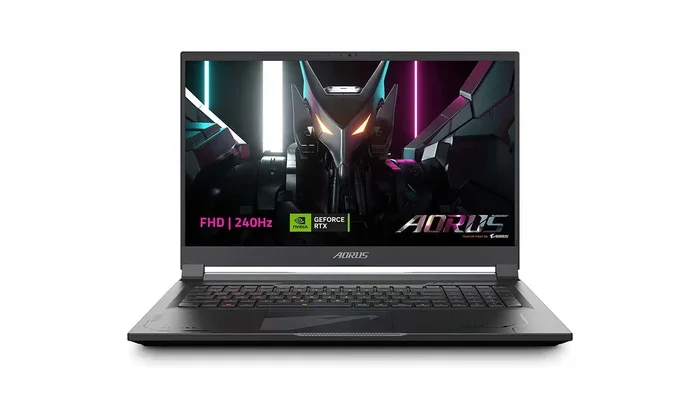
High-end models like the MacBook Pro, ASUS ROG Zephyrus, and the Lenovo Legion series can cost $1,500 or more. Financing these premium devices makes them much more accessible. Retailers and specialized lenders often offer extended payment plans for expensive laptops, sometimes up to 36 months.
Refurbished Laptop Financing
Buying a refurbished laptop is another smart way to save money. Refurbished models cost significantly less than new ones, which means your monthly payments are lower too. Many financing programs cover refurbished devices, so you can get a quality machine at a fraction of the cost.
Tips for Getting the Best Laptop Financing Deal
Not all financing deals are created equal. With a little research and preparation, you can secure a laptop payment plan that saves you money and keeps your finances healthy.
Compare Multiple Offers
Do not just accept the first financing offer you see. Compare rates, terms, and total costs across at least three different options. Use online comparison tools to see which computer financing options give you the best value for your situation.
Read the Fine Print
Always read the full agreement before signing. Pay close attention to the interest rate, the length of the payment period, and any penalties for late payments. Watch out for deferred interest clauses, which can charge you retroactive interest if you do not pay off the balance within the promotional period.
Check for Hidden Fees
Some financing plans come with origination fees, late payment fees, or early payoff penalties. These hidden costs can add up quickly. Ask the lender about any and all fees before committing to a plan.
Set a Budget First
Before you start shopping, decide how much you can afford to pay each month. A good rule of thumb is to keep your laptop payment below 5% of your monthly income. This ensures the payment stays manageable and does not strain your overall budget.
Consider a Down Payment
If you can afford a down payment, putting money upfront reduces the amount you need to finance. This lowers your monthly payments and the total interest you pay over the life of the loan. Even a small down payment of $100 or $200 can make a meaningful difference.
Expert Insight: The Power of Timing
Timing your purchase strategically can save you hundreds of dollars. Retailers often run laptop financing promotions during back-to-school season, Black Friday, and holiday sales. If you can wait for these events, you may find 0% APR deals with longer promotional periods than usual.
Common Mistakes to Avoid When Financing a Laptop
Even with the best intentions, people make mistakes when they finance a laptop. Here are the most common pitfalls and how to avoid them.
Ignoring the Total Cost
It is easy to focus on the monthly payment and forget about the total cost. A low monthly payment spread over a long period can end up costing much more than the laptop’s retail price. Always calculate the total amount you will pay, including interest, before signing any agreement.
Falling for Deferred Interest Traps
Deferred interest sounds great — 0% APR for 24 months! But if you still owe a balance when the promotion ends, the interest retroactively applies to the entire original purchase price. This can result in a surprisingly large bill. The safest approach is to pay off the balance before the promotional period expires.
Over-Borrowing
Just because you qualify for a large loan does not mean you should take it. Borrow only what you need and what you can comfortably afford. A more affordable laptop with a shorter payment plan is almost always a better financial decision than an expensive one with a long-term loan.
Skipping the Credit Check
Some people apply for financing without checking their credit score first. This is a mistake. Knowing your score ahead of time helps you understand which options are available and prevents unnecessary hard credit inquiries that can temporarily lower your score.
Not Setting Up Payment Reminders
Missing a payment can result in late fees and damage to your credit score. Set up reminders or enable automatic payments to ensure you never miss a due date. This small habit protects both your wallet and your credit health.
Relying on Multiple Financing Sources
Do not finance the same laptop through multiple lenders or credit cards. This creates confusion, increases the risk of missed payments, and can hurt your credit score. Stick to one clear financing plan and keep careful records of your agreement.
Key Takeaways
- Financing is widely available: Retailers, credit cards, personal loans, and online platforms all offer ways to finance a laptop.
- 0% APR deals save money: Promotional offers let you borrow without interest if you pay off the balance in time.
- Your credit score is key: A higher score unlocks better rates and more favorable terms.
- Read every detail: Hidden fees, deferred interest, and long terms can turn a good deal into a costly one.
- Budget first, buy second: Always know what you can afford before you commit to a financing plan.
- Bad credit does not disqualify you: Rent-to-own and specialized lenders provide options for all credit levels.
Conclusion
The answer to the question can you finance a laptop is a resounding yes. With so many laptop financing options available today, almost anyone can get the device they need without paying the full price upfront. Whether you choose a retailer financing program, a 0% APR credit card, a personal loan, or a rent-to-own plan, the key is to understand the terms and make a decision that fits your budget.
Take the time to compare offers, read the fine print, and set a realistic payment plan. Avoid common mistakes like deferred interest traps and over-borrowing. And remember, financing a laptop is not just about getting the device today — it is about making a smart financial choice that works for your future.
With the right approach, you can enjoy your new laptop today while keeping your finances healthy tomorrow. Finance a laptop wisely, and you will get the best of both worlds.
Frequently Asked Questions
Can I finance a laptop with bad credit?
Yes, you can. Several lenders and rent-to-own programs specialize in bad credit laptop financing. These options often do not require a hard credit check and can help you get a laptop even with a low credit score. Just be prepared for higher interest rates or total costs compared to traditional financing.
What is the easiest way to finance a laptop?
The easiest way is through retailer financing at checkout. Most major electronics stores offer simple application processes and quick approvals. Online platforms like Klarna and Affirm are also very user-friendly and allow you to split the cost into manageable installments.
Does financing a laptop affect my credit score?
It can. Applying for financing usually involves a hard credit inquiry, which may temporarily lower your score by a few points. However, making on-time payments each month can actually improve your credit score over time. Late payments, on the other hand, will hurt your score.
Are there 0% APR laptop financing options?
Yes, many retailers offer 0% APR promotions for 12 to 24 months. These deals let you pay off the laptop without any interest, as long as you pay the full balance before the promotional period ends. Always confirm the exact terms and the end date of the promotion before you commit.
Can I finance a refurbished laptop?
Absolutely. Many financing programs cover refurbished laptops just as they would new ones. Refurbished models are often cheaper, which means lower monthly payments and less total interest paid. Check with your preferred retailer or lender to confirm their refurbished financing options.
How long do laptop financing plans typically last?
Financing terms vary widely. Short-term plans may last 6 to 12 months, while longer plans can extend to 36 or even 60 months. The length you choose depends on your budget and the total cost of the laptop. Shorter terms usually mean less interest paid overall.