Can You Listen To Music While Riding Your Motorcycle
Yes, you can listen to music while riding your motorcycle, but safety should always come first. Choosing the right motorcycle audio gear, like open-ear headphones or helmet speakers, helps you stay aware of your surroundings. This guide covers the best options, safety tips, and common mistakes so you can enjoy your favorite tunes without compromising your riding safety.
There is something magical about hitting the open road on two wheels. The wind in your face. The rumble of the engine beneath you. And now, more than ever, riders are asking a simple question: can you listen to music while riding a motorcycle?
The short answer is yes. But like most things in motorcycling, the details matter a lot. Riding with music can make your trip more enjoyable. It can keep you alert on long stretches of highway. It can even improve your mood and reduce stress. But it also comes with real risks if you are not careful.
This guide breaks down everything you need to know. We will cover the safest ways to enjoy audio on your bike. We will look at the gear options available today. And we will share practical tips to keep you safe while you ride. Whether you are a beginner or a seasoned rider, this article has something valuable for you.
Key Takeaways
- It is possible to listen to music while riding: With the right gear and safety habits, you can enjoy audio on your motorcycle responsibly.
- Open-ear headphones are the safest option: They let you hear music and traffic sounds at the same time.
- Helmet speakers are a popular choice: They fit inside your helmet and deliver clear sound without blocking your ears.
- Volume control is critical: Keeping the volume low preserves your situational awareness on the road.
- Avoid noise-canceling earbuds: They block out important sounds like horns, sirens, and engine noise.
- Local laws vary: Check your state or country rules before riding with music.
- Practice makes perfect: Start with short rides to get used to riding with audio before hitting long highways.
📑 Table of Contents
- Why Riders Love Listening to Music on the Road
- The Safety Debate: Is It Safe to Listen to Music While Riding?
- Best Ways to Listen to Music on a Motorcycle
- Comparison Table: Audio Options for Riders
- Common Mistakes Riders Make with Music
- Expert Tips for a Safe and Enjoyable Ride
- The Bottom Line: Can You Listen to Music While Riding?
Why Riders Love Listening to Music on the Road
The Joy of Riding with Music
Riding a motorcycle is a sensory experience. You feel the road. You smell the air. You hear the world around you. Adding music to that mix can make the experience even richer. Many riders say that music helps them stay relaxed and focused during long rides.
Think about it. A long road trip can get tiring. Your body stays in one position for hours. The road can feel monotonous after a while. Music breaks up that monotony. It gives your brain something pleasant to focus on. This can actually help you stay more alert and engaged with your ride.
How Music Changes the Riding Experience
Music does more than just entertain. It can change how you feel on the road. Here are a few ways riders benefit from listening to music:
- Mood boost: Upbeat songs can lift your spirits and make the ride feel more fun.
- Reduced fatigue: On long rides, music helps fight boredom and mental tiredness.
- Better focus: Some riders find that background music helps them concentrate on the road.
- Stress relief: Calming music can lower anxiety, especially in heavy traffic or unfamiliar areas.
- Personal soundtrack: Your ride becomes your own personal concert on wheels.
But here is the catch. Music can also be a distraction. It can block out important sounds like car horns, sirens, or even the sound of your own engine. This is why choosing the right motorcycle audio setup is so important.
The Safety Debate: Is It Safe to Listen to Music While Riding?
What the Experts Say
The question of riding safety and music is one that safety experts have debated for years. The truth is, there is no simple yes or no answer. It depends on how you listen, what gear you use, and how aware you stay of your surroundings.
Most safety organizations agree that hearing your surroundings is essential when riding a motorcycle. Unlike car drivers, motorcyclists rely heavily on their ears. They need to hear other vehicles, road conditions, and emergency sirens. If music blocks those sounds, it can be dangerous.
However, the experts also recognize that smart audio choices can make riding safer and more enjoyable. The key is to use gear that lets you hear both your music and the road at the same time.
Balancing Enjoyment and Safety
The goal is to find a balance. You want to enjoy your music. But you also need to stay fully aware of what is happening around you. This balance is called situational awareness. It is one of the most important skills a motorcyclist can have.
Here are a few principles to keep in mind:
- Never let music block out traffic sounds. If you cannot hear a car horn, your volume is too loud.
- Choose gear that allows ambient sound in. Open-ear designs are the best for this.
- Keep the volume at a safe level. A good rule is to be able to hear someone speaking to you from a few feet away.
- Avoid music in heavy traffic or bad weather. These conditions already demand your full attention.
- Know your local laws. Some places have rules about wearing headphones while riding.
Best Ways to Listen to Music on a Motorcycle
Not all audio options are created equal when it comes to motorcycling. Some are much safer than others. Let us look at the most popular choices riders use today.
Motorcycle Helmet Speakers
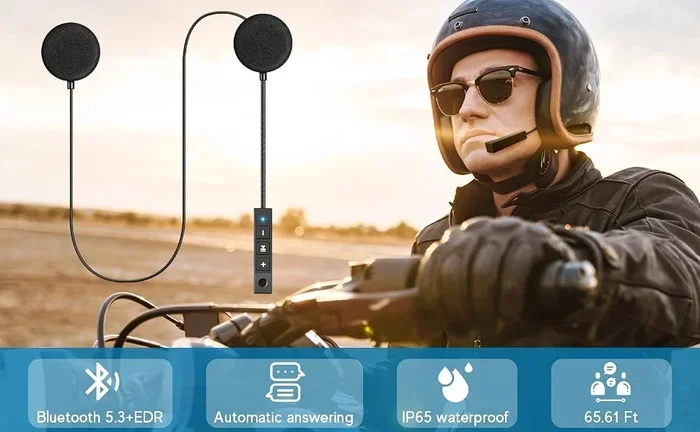
Helmet speakers are one of the most popular options for riders. These small speakers fit inside your helmet, usually near your ears. They deliver sound directly to you without covering your ears. This means you can still hear traffic, wind, and other important sounds.
Many modern motorcycle helmet speakers are wireless and connect to your phone via Bluetooth. They are thin, lightweight, and easy to install. Some even come with built-in microphones so you can take calls or use GPS directions.
Why riders love them:
- They do not block your ears.
- They are comfortable for long rides.
- They work with most helmet styles.
- They provide clear sound even at highway speeds.
Open-Ear Bluetooth Headphones
Open-ear headphones are another excellent choice. Unlike traditional earbuds that go inside your ear canal, open-ear designs sit on top of or around your ears. They use bone conduction or soft clamps to deliver sound without sealing your ears shut.
These headphones are great for riding safety because they leave your ears completely open. You can hear music and all the sounds around you at the same time. They are also a good option for riders who wear hearing protection or earplugs for wind noise.
Popular open-ear options include:
- Bone conduction headbands
- Clip-on ear hooks
- Lightweight wraparound designs
Motorcycle Intercom Systems
If you ride with a passenger or in a group, a motorcycle intercom system is a great option. These systems include speakers and microphones built into your helmet. They allow you to listen to music, talk to your passenger, and communicate with other riders.
Most intercom systems connect to your phone via Bluetooth. You can stream music, take calls, and use navigation apps. Many also have noise-canceling microphones that filter out wind noise so your voice comes through clearly.
Things to consider:
- Intercom systems can be pricey, but they offer the most features.
- Installation may require some technical skill.
- Battery life varies, so check before long rides.
Earplugs with Built-In Audio
This might sound unusual, but earplugs with audio are becoming more popular among riders. These are essentially high-quality earplugs that also play music. They block out harmful wind noise while letting you enjoy your favorite songs.
The key advantage is that they protect your hearing. Long-term exposure to wind noise at highway speeds can cause permanent hearing damage. These earplugs solve two problems at once: they keep your ears safe and give you music on the road.
Comparison Table: Audio Options for Riders
| Audio Option | Safety Level | Sound Quality | Comfort | Price Range |
|---|---|---|---|---|
| Helmet Speakers | High | Good | Very Comfortable | $$ |
| Open-Ear Headphones | Very High | Good | Comfortable | $$ |
| Intercom Systems | High | Excellent | Very Comfortable | $$$ |
| Earplugs with Audio | High (with hearing protection) | Fair to Good | Comfortable | $$ |
| Traditional Earbuds | Low | Good | Moderate | $ |
| Noise-Canceling Headphones | Very Low | Excellent | Comfortable | $$$ |
As you can see from the table, traditional earbuds and noise-canceling headphones score low on safety. They block out the sounds you need to hear while riding. Helmet speakers and open-ear options are much better choices for safe riding.
Common Mistakes Riders Make with Music
Turning the Volume Too High
This is the most common mistake riders make. When the wind is rushing past you at 60 miles per hour, it is tempting to crank up the music to drown out the noise. But this is dangerous. High volume masks important sounds from the road.
Instead, invest in helmet speakers or open-ear headphones that deliver clear sound even with wind noise around you. This way, you do not need to blast the volume to hear your music.
Choosing the Wrong Gear
Not all audio gear is made for motorcycling. Regular headphones and earbuds are designed for quiet environments like your living room or gym. They are not built to handle wind, rain, and road vibration.
Always choose gear that is specifically designed for riding or outdoor sports. Look for features like:
- Water resistance or waterproof ratings
- Wind-resistant microphones
- Secure fit that will not fall off while riding
- Bluetooth connectivity for wireless freedom
Ignoring Local Laws
Did you know that some states and countries have laws against wearing headphones while operating a vehicle? This includes motorcycles in some places. Before you ride with music, check your local regulations to avoid fines or worse.
Some areas allow open-ear devices but ban earbuds that go inside the ear canal. Others have no specific rules about music and riding. Do your research and ride within the law.
Expert Tips for a Safe and Enjoyable Ride
Quick Tips for Music and Riding
Here are some practical tips from experienced riders and safety experts:
- Start with short rides. Get used to riding with music before trying it on a long trip.
- Use a playlist, not shuffle. Predictable music is less distracting than constantly changing songs.
- Keep one ear free if possible. Some riders prefer to wear only one speaker or earbud to stay more aware.
- Pull over to adjust settings. Never change songs or volume while moving. Use your phone mount and controls before you start riding.
- Take breaks every hour. Give your ears a rest and reset your focus on the road.
- Stay hydrated. Music can make you lose track of time. Remember to drink water on long rides.
Expert Insights on Riding with Audio
According to motorcycle safety instructors, the key to riding with music is moderation. Keep the volume low enough that you can still hear traffic clearly. If you cannot hear a car approaching from behind, your music is too loud.
Instructors also recommend using hearing protection alongside your audio gear. Wind noise at highway speeds can reach 100 decibels or more. Over time, this can cause permanent hearing loss. Quality earplugs reduce wind noise while still allowing you to hear music and traffic sounds.
Another expert tip is to be extra cautious in certain situations. Heavy rain, fog, and city traffic all demand your full attention. Consider turning off your music in these conditions. Save it for clear roads and light traffic where you can fully enjoy it safely.
The Bottom Line: Can You Listen to Music While Riding?
The answer is a clear yes, with the right approach. Listening to music while riding your motorcycle can enhance your experience and make your rides more enjoyable. But it requires the right gear, smart habits, and a commitment to safety.
Choose helmet speakers or open-ear headphones over traditional earbuds. Keep your volume at a safe level. Stay aware of your surroundings at all times. And always follow the rules in your area.
Music and motorcycling can go hand in hand. The key is to find the balance that works for you. With the tips and guidance in this article, you are well on your way to enjoying your favorite tunes on every ride. Stay safe, stay aware, and most importantly, enjoy the journey.
So the next time you gear up for a ride, ask yourself: are you ready to listen to music while riding your motorcycle? With the right setup, the answer is yes. And your ride is going to feel better than ever before.
Frequently Asked Questions
Is it legal to listen to music while riding a motorcycle?
Laws vary by location. Some places allow open-ear audio devices but ban earbuds that go inside the ear. Others have no specific rules. Always check your local regulations before riding with music to stay on the right side of the law.
What is the safest way to listen to music on a motorcycle?
The safest options are helmet speakers and open-ear Bluetooth headphones. These let you hear your music while keeping your ears open to traffic sounds. They do not block out important noises like horns, sirens, or engine sounds from other vehicles.
Can noise-canceling headphones be used while riding?
It is not recommended. Noise-canceling headphones block out ambient sounds, which can be very dangerous on a motorcycle. You need to hear your surroundings at all times. Stick to open-ear or helmet speaker options for a much safer experience.
How loud should music be when riding a motorcycle?
Keep the volume low enough that you can still hear traffic sounds clearly. A good test is whether you can hear someone speaking to you from a few feet away. If you cannot, turn the volume down. Your safety depends on your ability to hear the road.
Do helmet speakers affect helmet safety?
Generally, no. Most motorcycle helmet speakers are designed to fit inside helmets without compromising their protective structure. However, always make sure the speakers do not interfere with the helmet shell or padding. Choose reputable brands that test their products for safety.
Can listening to music help reduce riding fatigue?
Yes, many riders report that music helps fight boredom and mental fatigue on long rides. Music can improve your mood and keep you more alert. Just make sure to keep the volume at a safe level and take regular breaks to rest your ears and stay focused.
=== CONCLUSION ===
Listening to music while riding a motorcycle is not only possible, it can be a fantastic part of your riding experience. The key is to choose the right motorcycle audio gear and to always prioritize riding safety. Whether you go with helmet speakers, open-ear headphones, or an intercom system, the goal is the same: enjoy your music without losing touch with the road.
Stay mindful of your volume. Avoid common mistakes like using regular earbuds or ignoring local laws. And remember that no song is worth your safety. With the tips in this guide, you are ready to ride smarter and enjoy every mile. So gear up, press play, and hit the road with confidence.