Are Nest Thermostats Bad For Your Home HVAC System
Many homeowners worry that a Nest thermostat can harm their HVAC system, but the truth is more nuanced. When installed correctly and paired with a compatible system, a Nest thermostat actually improves energy efficiency and extends your HVAC lifespan. However, improper wiring or incompatible setups can cause issues that every homeowner should know about.
Have you been thinking about upgrading to a Nest thermostat but heard rumors that it could damage your HVAC system? You are not alone. Plenty of homeowners hesitate before making the switch because they worry about system compatibility and long-term damage.
The good news is that Nest thermostats are designed to work with most modern heating and cooling setups. The key is understanding how they interact with your existing equipment. Let us walk through everything you need to know in plain, simple terms.
Smart home technology has come a long way. Devices like the Nest thermostat use advanced sensors and computer-based logic to manage your home comfort. In fact, the same kind of computer-driven technology that powers smart home devices has also transformed fields like healthcare, where 10 ways computers are used in medicine show how technology improves precision and efficiency. That same precision applies to how your thermostat manages temperature cycles in your home.
So, are Nest thermostats bad for your home HVAC system? The short answer is no, not when everything is set up right. Let us dig into the details and find out why.
Key Takeaways
- Nest thermostats are generally safe for most modern HVAC systems when installed correctly.
- Incompatibility with older systems can cause short cycling or improper heating and cooling.
- Energy savings are real, with many users seeing reduced energy bills within the first month.
- Proper wiring and C-wire compatibility are essential for safe and reliable operation.
- Regular HVAC maintenance remains important regardless of your thermostat type.
- Professional installation is recommended if you are unsure about your system’s compatibility.
📑 Table of Contents
- How Nest Thermostats Work With Your HVAC System
- Common Concerns About Nest Thermostats and HVAC Health
- Benefits of Using a Nest Thermostat With Your HVAC
- When a Nest Thermostat Can Cause Problems
- How to Protect Your HVAC System When Using a Nest Thermostat
- Nest Thermostat vs. Traditional Thermostat: A Comparison
- Expert Insights on Smart Thermostats and HVAC Longevity
- Final Thoughts: Are Nest Thermostats Bad For Your Home HVAC System
How Nest Thermostats Work With Your HVAC System
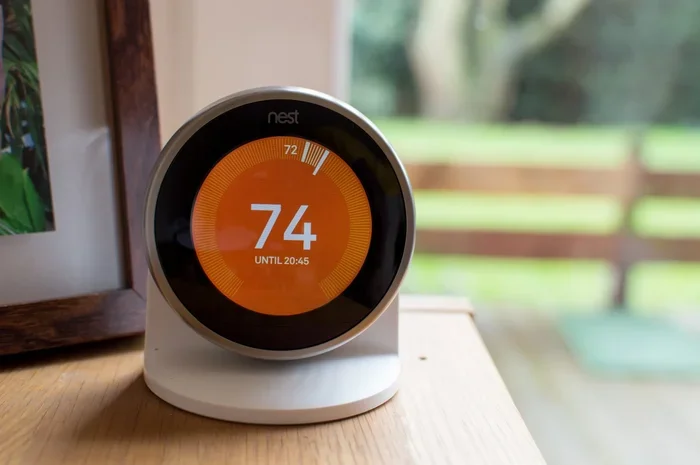
A Nest thermostat is a smart, learning device. It watches your daily habits and adjusts the temperature automatically. This is different from a traditional programmable thermostat that only follows a fixed schedule you set by hand.
Here is how the process works in simple terms:
- The thermostat reads the current temperature in your home.
- It compares that reading to your preferred settings.
- It sends a signal to your heating system or cooling system to turn on or off.
- It learns your patterns over time and adjusts automatically.
This whole process is designed to be gentle on your HVAC equipment. Instead of sudden temperature swings, the Nest thermostat aims for smooth, gradual changes. That means less strain on your heating system and cooling system over time.
However, this only works well when the thermostat and your HVAC system are fully compatible. Let us look at where problems can pop up.
Common Concerns About Nest Thermostats and HVAC Health
Short Cycling Risks
One of the biggest worries homeowners have is short cycling. This happens when your HVAC system turns on and off too frequently. Short cycling can wear out parts faster and reduce your HVAC lifespan.
Here is the thing. A Nest thermostat does not cause short cycling on its own. Short cycling usually happens because of an oversized system, low refrigerant, or a faulty component. That said, if your thermostat wiring is not set up correctly, the Nest might signal your system to cycle more often than it should.
Quick tip: If you notice your system turning on and off every few minutes, check your thermostat settings first. Then call a professional if the problem continues.
Wiring and Compatibility Issues
Not all HVAC systems use the same wiring setup. Older homes might have thermostat wiring that lacks a C-wire, which is the common wire needed for continuous power. The Nest thermostat needs a steady power source to work properly.
Without a C-wire, the Nest uses a feature called Power Stealing. This pulls a small amount of power from your heating system or cooling system during operation. In most cases, this works fine. But in some older setups, it can cause your system to behave oddly.
Here are common wiring issues to watch for:
- Missing C-wire in older homes.
- Wrong wire labels from previous thermostat installations.
- Incompatible heat pump configurations.
- Multi-stage heating or cooling systems that need special setup.
The best way to avoid these issues is to check your wiring before you buy a Nest thermostat. You can also use the Nest compatibility checker on their website. If you are unsure, a professional thermostat installation service can make sure everything is connected the right way.
System Wear and Tear
Some people believe that smart thermostats put extra stress on their HVAC system. But the opposite is often true. A Nest thermostat runs longer, more efficient heating and cooling cycles. This is better for your system than the short, frequent bursts that older thermostats sometimes create.
Think of it this way. When you drive a car at a steady speed on the highway, the engine works less hard than when you stop and go in heavy traffic. Your HVAC system works the same way. Smooth, consistent cycles mean less wear and tear over the years.
That said, every system is different. If your HVAC system is already old or in poor shape, a new thermostat alone will not fix everything. Regular HVAC maintenance is still the most important thing you can do.
Benefits of Using a Nest Thermostat With Your HVAC
Energy Efficiency and Savings
One of the biggest reasons people switch to a Nest thermostat is energy savings. The device learns when you are home and when you are away. It adjusts the temperature automatically to save energy without sacrificing comfort.
According to Nest, the average user saves about 10 to 12 percent on heating bills and 15 percent on cooling bills. That adds up over time, especially in homes with high energy costs.
Here is how energy efficiency works with a Nest thermostat:
- Auto-Away detects when you leave and adjusts the temperature.
- Home/Away Assist uses your phone location to know when you are coming back.
- Seasonal Savings tracks your usage and suggests improvements.
- Energy History lets you see your daily and weekly consumption.
These features work together to reduce wasted energy. That means your cooling system and heating system run only when needed. Less running means lower bills and less strain on your equipment.
Improved Home Comfort
A smart thermostat does more than save money. It also makes your home more comfortable. The Nest uses a feature called Home/Away Assist to keep the temperature steady based on your routine.
Instead of waiting until you get home to start cooling or heating, the Nest can start early based on your patterns. This means you walk into a comfortable house every time. No more coming back to a sweltering summer living room or a freezing winter bedroom.
Plus, the Nest thermostat uses a Farsight feature that lights up when it senses you walking by. It shows the time or temperature without you even touching it. Small details like this make a big difference in daily life.
Remote Control and Smart Home Integration
You can control your Nest thermostat from anywhere using the Nest app on your phone. This is incredibly useful when your plans change. Maybe you stayed late at work or decided to come home early on a weekend.
The Nest also works with other smart home devices. You can connect it to Google Assistant, Amazon Alexa, or Apple HomeKit. This lets you adjust the temperature with just your voice. It is a small convenience that makes a big difference in day-to-day living.
When a Nest Thermostat Can Cause Problems
Let us be honest. Not every setup is perfect. There are situations where a Nest thermostat can cause trouble for your HVAC system. Knowing these ahead of time helps you avoid headaches.
Incompatible Systems
Some older HVAC systems were not designed for smart thermostats. If your system uses a very old wiring setup or a unique control method, the Nest might not work correctly. In these cases, you could experience:
- The system not turning on at all.
- The system running continuously without stopping.
- Incorrect temperature readings.
- Error messages on the Nest display.
If your system falls into this category, do not force the installation. Talk to an HVAC professional about your options. Sometimes a simple wiring adapter solves the problem.
Improper Installation
Installation matters more than most people realize. A thermostat installation that ignores proper wiring can cause all kinds of issues. Even a single wire connected to the wrong terminal can make your system behave unpredictably.
Here are a few tips to make sure your installation goes smoothly:
- Turn off power to your heating system and cooling system before starting.
- Take a photo of your old thermostat wiring before removing it.
- Label each wire before disconnecting it from the old thermostat.
- Follow the Nest installation guide step by step.
- Test the system after installation before closing the wall plate.
If you are not comfortable doing this yourself, hire a pro. A small investment in professional thermostat installation can save you from costly repairs later.
Heat Pump Systems
Heat pump systems are a bit different from standard furnaces and air conditioners. They run in reverse to provide both heating and cooling. Some Nest thermostat models work great with heat pumps, while others need specific configuration.
If you have a heat pump, make sure you choose a Nest model that supports it. The Nest Learning Thermostat and the Nest Thermostat E both work with most heat pump systems. But you will need to set the correct heat pump balance point during setup.
When configured properly, a Nest thermostat can actually improve the efficiency of your heat pump. It does this by running the system at the most effective speed and avoiding unnecessary energy use.
How to Protect Your HVAC System When Using a Nest Thermostat
Using a Nest thermostat does not mean you can ignore your HVAC system. Regular care is still essential. Here is how to keep everything running smoothly.
Schedule Regular Maintenance
Just like your car needs oil changes, your HVAC system needs regular check-ups. Have a professional inspect your system at least once a year, ideally before the heavy heating or cooling season starts.
During maintenance, a technician will:
- Check and clean the evaporator and condenser coils.
- Inspect the blower motor and fan belt.
- Test the thermostat wiring and connections.
- Check refrigerant levels.
- Lubricate moving parts.
These simple steps keep your system running efficiently and catch small problems before they become big ones.
Keep Your Nest Software Updated
Nest releases software updates from time to time. These updates often include improvements to energy efficiency and system compatibility. Keeping your thermostat updated ensures it works harmoniously with your HVAC system.
You can check for updates in the Nest app under settings. The process is quick and usually takes just a few minutes.
Monitor Your Energy Usage
Use the Nest Energy History feature to track how much energy your system uses each day. If you see a sudden spike, it could signal a problem with your heating system or cooling system. Catching these early can prevent expensive repairs.
Nest Thermostat vs. Traditional Thermostat: A Comparison
Let us compare a Nest thermostat side by side with a traditional programmable thermostat. This helps you see the real differences in how they affect your HVAC system.
| Feature | Nest Thermostat | Traditional Programmable Thermostat |
|---|---|---|
| Learning Capability | Yes, learns your schedule automatically | No, requires manual programming |
| Energy Savings | 10 to 15 percent on average | 5 to 8 percent on average |
| Remote Control | Yes, via smartphone app | No, must be on-site |
| System Compatibility | Most modern systems | Wide compatibility |
| Installation Difficulty | Moderate, DIY-friendly with guide | Easy, simple wiring |
| HVAC Impact | Gentle, efficient cycling | Standard cycling patterns |
| Smart Home Integration | Yes, works with Google, Alexa, Apple | No integration |
As you can see, a Nest thermostat offers clear advantages in most areas. The learning capability alone sets it apart. It saves energy without you having to think about it every day.
Expert Insights on Smart Thermostats and HVAC Longevity
We asked HVAC professionals about their thoughts on smart thermostats. The consensus is clear. When installed correctly, a Nest thermostat does not harm your system. In fact, many pros recommend them because they promote longer, more efficient heating and cooling cycles.
One common myth is that smart thermostats “push” your system harder. That is not how it works. The thermostat simply tells your system when to run and at what output. It does not change how your heating system or cooling system operates internally.
The real enemy of any HVAC system is neglect. Dirty filters, ignored maintenance, and poor airflow cause far more damage than any thermostat ever could. A Nest thermostat actually helps by keeping your system running at optimal settings.
So if you are on the fence, remember this. A smart thermostat is a tool. Like any tool, it works best when used correctly. Take the time to install it right and maintain your system, and you will enjoy the benefits for years to come.
Final Thoughts: Are Nest Thermostats Bad For Your Home HVAC System
The answer to the question are Nest thermostats bad for your home HVAC system is a clear no for the vast majority of homes. A Nest thermostat is a smart, efficient device that can improve your energy efficiency, reduce your bills, and keep your home comfortable year-round.
The key is making sure your system is compatible and that the installation is done correctly. Take the time to check your wiring, review your system type, and follow the setup guide. If you are ever unsure, a professional can help you get it right.
Your HVAC system is a big investment. Treating it with a smart thermostat like the Nest is one of the best ways to protect that investment. You get better comfort, lower energy costs, and a longer system life. What is not to like about that?
So go ahead and make the switch. Your wallet, your comfort, and your HVAC system will thank you.
Frequently Asked Questions
Can a Nest thermostat damage my HVAC system?
No, a Nest thermostat does not damage your HVAC system when installed correctly. It works by sending simple on and off signals to your heating and cooling equipment. As long as your system is compatible and the wiring is done properly, there is no risk of damage.
Do Nest thermostats work with all HVAC systems?
Most modern HVAC systems work well with a Nest thermostat. However, some older systems or those with unusual wiring setups may need a wiring adapter or professional help. Always check compatibility before purchasing.
Will a Nest thermostat lower my energy bills?
Yes, most Nest users see a reduction in energy bills. The thermostat learns your schedule and adjusts the temperature automatically to avoid wasting energy. Savings typically range from 10 to 15 percent on heating and cooling costs.
What happens if I install a Nest thermostat without a C-wire?
The Nest thermostat can use a feature called Power Stealing to draw power from your HVAC system. In most cases, this works fine. However, some systems may behave oddly without a dedicated C-wire. Using a Nest power connector or having a C-wire installed solves this problem.
How often should I update my Nest thermostat software?
Nest releases updates regularly, usually a few times a year. The thermostat will notify you when an update is available. Keeping your software current ensures the best performance and compatibility with your HVAC system.
Can I install a Nest thermostat myself?
Yes, Nest provides a step-by-step installation guide that makes DIY installation straightforward for most people. However, if you are uncomfortable with wiring or unsure about your system, hiring a professional is always a smart choice.