Can You See Bacteria With A Digital Microscope Today
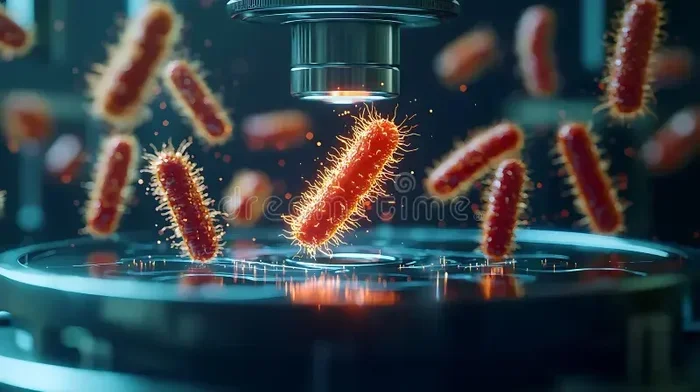
Yes, you can see bacteria with a digital microscope, but it depends on the magnification power and resolution of the device. Most bacteria need at least 400x to 1000x magnification to be visible, and a quality digital microscope with a good camera sensor makes this possible. This guide walks you through everything you need to know about viewing bacteria with a digital microscope at home or in the lab.
Have you ever wondered if a digital microscope can actually show you bacteria? It is a question that sparks curiosity in kids, students, and science lovers alike. The short answer is yes. But the full story is a bit more nuanced. Not every digital microscope can pull up bacteria from thin air. You need the right magnification, the right resolution, and a properly prepared sample. In this guide, we will walk through everything you need to know about spotting microscopic organisms with a digital microscope. Whether you are a hobbyist or a student, this article will help you understand what to expect and how to get started.
Digital microscopes have come a long way in the past decade. They are no longer just fancy tools for professional labs. Today, you can buy a compact USB microscope for under fifty dollars and start exploring the invisible world around you. But seeing bacteria is a different beast than looking at salt crystals or fabric fibers. Bacteria are tiny. We are talking about organisms that measure just a few micrometers across. So, can your digital microscope handle the challenge? Let us dive in and find out.
Key Takeaways
- Digital microscopes can reveal bacteria: With the right magnification level and resolution, you can observe many types of microscopic organisms.
- Magnification matters most: You typically need at least 400x magnification to see most common bacteria clearly.
- Camera quality is key: A built-in microscope camera and digital imaging software help you capture and study bacteria types in detail.
- Sample preparation is essential: Proper viewing slides and staining techniques make bacteria much easier to spot under any microscope.
- Portable options exist: Handheld and USB digital microscopes offer flexibility for microbiology exploration outside a traditional lab.
- Resolution limits what you can see: Even with high magnification, a low-resolution digital display won’t show fine cell structure.
- Start simple: Begin with prepared slides before moving on to examining your own specimen samples at home.
📑 Table of Contents
- What Is a Digital Microscope?
- Can You Actually See Bacteria With a Digital Microscope?
- What Magnification Do You Need to See Bacteria?
- How to Prepare a Bacteria Sample for Viewing
- Best Digital Microscopes for Viewing Bacteria
- Common Mistakes When Trying to See Bacteria
- Can You See Bacteria With a Digital Microscope at Home?
- Conclusion
What Is a Digital Microscope?
A digital microscope is a modern version of the traditional optical microscope. Instead of looking through eyepieces, you view the specimen on a digital display. This display can be a computer monitor, a tablet, or even a smartphone screen. The image is captured by a built-in camera sensor and sent to your screen in real time. This makes sharing what you see much easier. You can take photos, record videos, and even annotate images on the fly.
How Does It Work?
Inside a digital microscope, light passes through or reflects off the sample. A lens system magnifies the image, and a microscope camera captures it. The digital imaging software processes the signal and shows it on your screen. The quality of the image depends on several factors. The lens quality, the camera sensor size, and the magnification level all play a role. A better sensor captures more detail, which is critical when you are trying to see something as small as a bacterium.
Types of Digital Microscopes
There are several types of digital microscopes on the market. Each has its own strengths. Here is a quick look at the most common ones:
- USB Microscopes: Small, plug-and-play devices that connect to a computer. Great for beginners and casual use.
- Handheld Digital Microscopes: Portable and battery-powered. Perfect for fieldwork or quick inspections.
- Stand Digital Microscopes: More stable and often offer higher magnification. Good for lab environments.
- Wireless Digital Microscopes: Connect via Wi-Fi or Bluetooth. Allow you to view images on your phone or tablet.
For bacteria viewing, you want a model that offers at least 400x magnification and a decent camera resolution. Cheap USB microscopes with only 50x or 100x will not cut it. They can show you interesting textures and larger organisms, but bacteria will remain invisible.
Can You Actually See Bacteria With a Digital Microscope?
The honest answer is: it depends. Not all bacteria are the same size. Some are large enough to see with a decent digital microscope. Others are so small that even a high-end model struggles. The key factors are magnification power, resolution, and how well you prepare your sample. Let us break this down so you know exactly what to expect.
Size Matters: How Big Are Bacteria?
Most bacteria range from about 0.2 micrometers to 10 micrometers in length. To put that in perspective, a human hair is about 70 micrometers wide. So bacteria are hundreds of times smaller than the width of a hair. A digital microscope needs serious magnification to make these tiny creatures visible. At 400x, you can start to see some larger bacteria as tiny dots or rods. At 1000x, you can begin to make out their cell structure and shapes more clearly.
What Can You Expect to See?
With a good digital microscope at 1000x magnification, you can see several common types of bacteria. Here are a few examples:
- E. coli: Rod-shaped and relatively large. Often visible at 400x to 1000x with proper staining.
- Staphylococcus: Round clusters that look like tiny grapes. Visible at high magnification.
- Bacillus: Long rod-shaped bacteria. Easier to spot at 1000x.
- Spirulina (cyanobacteria): Spiral-shaped and larger than many other bacteria. Often visible even at lower magnification levels.
Keep in mind that seeing bacteria is not the same as seeing them in full color or perfect detail. At higher magnification, the image can become blurry if the resolution is not high enough. This is why investing in a quality digital microscope with a good camera matters so much.
What Magnification Do You Need to See Bacteria?
If you are serious about viewing bacteria, magnification is your number one priority. But more is not always better. You also need enough resolution to make the magnified image clear. Let us look at what magnification levels work best for different types of microscopic organisms.
Magnification Level Guide
Here is a simple breakdown of what you can expect at different magnification ranges:
- 100x to 200x: You can see large cells, some algae, and insect parts. Bacteria will not be visible at this range.
- 400x: This is the sweet spot for basic bacteria viewing. You can spot larger bacteria as small shapes on a viewing slide.
- 1000x: At this level, you can see most common bacteria in reasonable detail. Cell structure starts to become visible.
- 1500x and above: You enter the territory of oil immersion microscopes. Fine details of bacteria types become clearer, but sample preparation becomes more critical.
For most home users, a digital microscope that offers 400x to 1000x magnification is the best choice. Anything below 400x will not show you bacteria. Anything above 1500x on a budget model may just give you a blurry, pixelated image.
Resolution: The Other Half of the Equation
Magnification without resolution is like zooming in on a low-quality photo. It just gets bigger and blurrier. When choosing a digital microscope for bacteria, look for a camera with at least 5 megapixels. Higher is better. The digital display on your monitor or screen also matters. A high-resolution screen will show more detail than a low-resolution one. Together, magnification and resolution determine what you can actually see.
How to Prepare a Bacteria Sample for Viewing
Even the best digital microscope will struggle with a poorly prepared sample. Bacteria are often transparent and hard to distinguish from their background. Proper preparation makes a huge difference. Here is how to get your specimen ready for viewing slides.
Gathering Your Sample
You can collect bacteria from many everyday sources. A swab from your kitchen counter, a drop of pond water, or a touch sample from your mouth can all contain microscopic organisms. Here is a simple process:
- Use a clean cotton swab to collect a sample from your chosen source.
- Gently rub the swab across the center of a clean glass viewing slide.
- Let the sample air dry completely.
- If you want better visibility, heat-fix the slide by passing it through a flame a few times.
Staining Your Sample
Most bacteria are nearly transparent under a digital microscope without staining. A simple stain can make them pop. You can buy beginner staining kits online or at science supply stores. Crystal violet and methylene blue are two common options. Just place a drop of stain on your dried sample, wait 30 seconds, and rinse gently with water. Let the slide dry again before placing it under the microscope. You will be amazed at how much more detail you can see with just a simple stain.
Using a Cover Slip
Place a thin cover slip over your stained sample. This keeps the sample flat and prevents it from drying out too quickly. It also reduces glare and helps the microscope lens focus properly. A flat, thin sample gives you the clearest digital imaging results.
Best Digital Microscopes for Viewing Bacteria
Not all digital microscopes are created equal. If your goal is to see bacteria, you need a model with solid magnification and a quality camera. Here are some tips for choosing the right one.
What to Look For
- Magnification Range: Look for at least 400x to 1000x. Some models offer up to 2000x, which is great for bacteria types.
- Camera Resolution: 5 megapixels minimum. 12 megapixels or higher is ideal for capturing fine cell structure.
- LED Illumination: Built-in LED lights help illuminate your specimen evenly. This is critical for transparent bacteria.
- Software Compatibility: Make sure the digital microscope works with your computer or device. Check if it supports image capture and video recording.
- Build Quality: A sturdy metal frame holds the lens steady and reduces vibration. This leads to clearer images.
Budget vs. Professional Models
Budget digital microscopes in the $50 to $100 range can get you to 400x or 500x magnification. They are fine for casual exploration and learning. If you want to see bacteria in real detail, consider spending $200 or more on a model with a higher-resolution camera sensor and better lens quality. Professional-grade digital microscopes can cost several hundred dollars but deliver stunning digital imaging of even the smallest microscopic organisms.
Common Mistakes When Trying to See Bacteria
Even with a good digital microscope, beginners often run into the same problems. Avoid these mistakes to get better results.
- Skipping sample preparation: A raw, unstained sample will look like a blurry smear. Staining is not optional if you want to see bacteria clearly.
- Using too much magnification: Cranking up to 2000x on a low-quality microscope just gives you a bigger, blurrier image. Stick to the right magnification level for your lens quality.
- Ignoring lighting: Bacteria are tiny and often transparent. Without proper illumination, they disappear into the background.
- Using a dirty lens: Even a faint smudge on the microscope lens can ruin your image. Always clean your lens before use.
- Moving the slide too much: Bacteria are so small that even slight vibrations blur the image. Use a stable surface and a stage clip to hold your viewing slide in place.
Can You See Bacteria With a Digital Microscope at Home?
The short answer is yes, you can. Many hobbyists and students successfully view bacteria at home using a quality digital microscope. The key is managing your expectations. You will not see bacteria the way a professional microbiologist does under a $10,000 lab instrument. But you can definitely see shapes, clusters, and basic cell structure with a good 1000x digital microscope and a properly prepared sample.
Start with simple, prepared slides. You can buy affordable bacteria observation kits online. These come with pre-prepared viewing slides and stains. Once you get comfortable, try collecting and preparing your own samples. The process of finding bacteria in everyday environments is genuinely exciting. A drop of pond water or a swab from a doorknob can reveal an entire hidden world when viewed through a capable digital microscope.
Remember that microbiology is a field of patience and practice. Your first few attempts might not show much. That is completely normal. Adjust your lighting, clean your lens, try different stains, and experiment with magnification. Over time, you will get better at spotting and identifying different bacteria types. The reward of finally seeing those tiny microscopic organisms with your own eyes is worth every bit of effort.
A digital microscope opens a door to a world most people never get to see. Bacteria are everywhere, and with the right tool and a little know-how, you can join the ranks of people who explore this invisible realm from their own desk. Whether you are a curious kid, a homeschooling parent, a student, or just a science enthusiast, seeing bacteria through a digital microscope is an experience that stays with you forever.
Conclusion
So, can you see bacteria with a digital microscope? Absolutely. With the right magnification, a quality camera, and a properly prepared sample, you can observe bacteria in your own home. The key is to choose a digital microscope with at least 400x to 1000x magnification, prepare your specimen carefully, and stain your slides for the best results. Start simple, practice often, and soon you will be identifying different bacteria types on your own digital display. The world of microbiology is waiting for you. All you need is the right digital microscope and a sense of curiosity.
Frequently Asked Questions
Can a cheap digital microscope show bacteria?
Most cheap digital microscopes with low magnification (under 200x) cannot show bacteria. You need at least 400x to see the larger types. If you are on a tight budget, look for a USB digital microscope that offers 400x or higher and has a decent camera resolution.
Do I need to stain bacteria before viewing them?
Yes, staining is highly recommended. Most bacteria are transparent and nearly invisible without a stain. A simple crystal violet or methylene blue stain makes their shapes and cell structure much easier to spot under any digital microscope.
What is the best magnification for viewing bacteria?
400x to 1000x is the ideal range for most common bacteria. At 400x, you can see larger bacteria as small shapes. At 1000x, you can observe more detail and basic cell structure of many bacteria types.
Can a USB digital microscope be used for bacteria viewing?
Yes, but only if it offers sufficient magnification and resolution. A basic USB digital microscope at 50x or 100x will not work. Look for models that reach at least 400x and have a camera with 5 megapixels or more.
Are prepared slides better than collecting my own bacteria samples?
Prepared slides are great for beginners because they are already stained and mounted correctly. As you gain experience, collecting your own specimen samples becomes more rewarding. Both approaches help you learn about microscopic organisms and microbiology.
What bacteria can I realistically see at home?
Larger bacteria like E. coli, Staphylococcus, and Bacillus are the most realistic targets for home viewing. They are easier to spot at 400x to 1000x magnification. Very small or unusual bacteria types may require higher-end equipment and advanced staining techniques.