Disadvantage For Communication In Computer Technology
The disadvantage for communication in computer technology includes security risks, miscommunication, social isolation, and dependency on devices. While digital tools make sharing information faster, they also create new problems that can hurt personal and professional relationships. Understanding these drawbacks helps you use technology more wisely and stay connected in healthier ways.
We live in a world where sending a message across the globe takes just seconds. Computers, smartphones, and the internet have transformed how we talk to each other. But this speed and convenience come with a price tag that many people overlook.
The disadvantage for communication in computer technology is real and growing. From security threats to misread messages, the tools meant to connect us can also push us apart. In this article, we will explore the biggest drawbacks of digital communication. You will learn why these problems happen and what you can do about them.
Whether you use email for work, chat apps for family, or social media for friends, understanding these risks matters. Let us break down the challenges and find practical solutions together.
Key Takeaways
- Security and Privacy Risks: Digital communication opens the door to hacking, data leaks, and online surveillance that threaten personal safety.
- Miscommunication Is Common: Text-based tools strip away tone, facial cues, and body language, leading to frequent misunderstandings.
- The Digital Divide Creates Inequality: Not everyone has equal access to technology, which widens communication gaps across communities.
- Social Isolation Grows: Over-reliance on screens can reduce face-to-face interaction and harm mental health.
- Information Overload Overwhelms Users: Too many emails, messages, and notifications reduce focus and productivity.
- Network Failures Disrupt Everything: Internet downtime can halt business operations and personal communication instantly.
- Awareness Is the First Fix: Recognizing these disadvantages helps you build better communication habits.
📑 Table of Contents
- What Is Digital Communication and Why Does It Have Drawbacks?
- Security and Privacy Risks in Digital Communication
- Miscommunication and the Loss of Human Connection
- The Digital Divide: When Technology Creates Inequality
- Network Failures and Technology Dependency
- Social Isolation and Mental Health Effects
- Comparing Digital vs. Traditional Communication
- How to Reduce the Disadvantages of Digital Communication
- Final Thoughts
What Is Digital Communication and Why Does It Have Drawbacks?
Digital communication means sending and receiving messages through electronic devices. This includes email, instant messaging, video calls, social media posts, and more. It has replaced many traditional forms of interaction like phone calls and face-to-face meetings.
But every tool has limitations. The disadvantage for communication in computer technology starts with the fact that screens remove human warmth. You cannot see a person’s smile or hear their tone of voice in a plain text message. This gap between what is said and what is felt causes many problems.
The Promise vs. The Reality
Technology companies sell digital tools as ways to bring people closer. And yes, they do make long-distance communication easy. But the reality is more complicated. Many users feel more disconnected than ever before.
Studies show that heavy screen time links to loneliness and anxiety. People often feel overwhelmed by the sheer volume of messages they receive each day. This is the hidden cost of living in a connected world.
Security and Privacy Risks in Digital Communication
One of the biggest disadvantages for communication in computer technology is the threat to your privacy. Every email you send, every message you post, and every video call you make travels through networks that can be intercepted.
Hackers target communication platforms to steal personal data, financial details, and private conversations. Even large companies with strong security teams suffer data breaches. When your messages are not safe, trust breaks down.
Common Online Threats
Here are the most common risks users face when communicating online:
- Phishing Attacks: Scammers send fake messages that look real to steal login details.
- Man-in-the-Middle Attacks: Hackers intercept messages between two parties without their knowledge.
- Data Breaches: Companies lose stored messages and user data to cybercriminals.
- Surveillance: Governments or third parties monitor digital communication without consent.
- Malware Through Attachments: Viruses hide in files sent through email or messaging apps.
Quick Tips to Stay Safe
You cannot eliminate all risks, but you can reduce them. Use end-to-end encrypted apps for sensitive conversations. Avoid clicking links from unknown senders. Always update your software to patch security holes. These small steps protect your private communication.
Miscommunication and the Loss of Human Connection
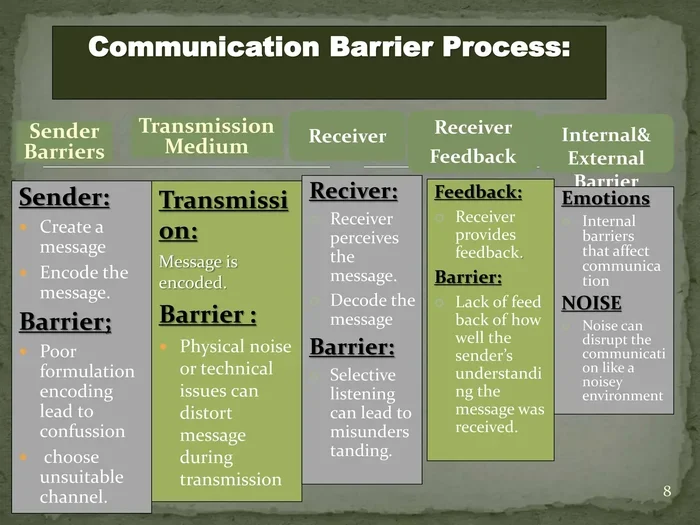
When you talk face-to-face, your words are only part of the message. Your tone, facial expressions, gestures, and eye contact all add meaning. Digital tools strip all of that away.
This is one of the most frustrating disadvantages for communication in computer technology. A simple message like “Fine.” can mean many things. It could mean you are okay. Or it could mean you are angry. Without context, people guess wrong all the time.
Why Text Messages Cause So Many Arguments
Text-based communication removes emotional cues. People read messages through the filter of their own mood. A neutral comment can feel cold or rude to someone who is already stressed.
Emojis help, but they do not replace real human expression. A smiley face does not carry the same warmth as a genuine smile. Over time, this gap in emotional understanding can damage relationships, both personal and professional.
Email Overload and Information Fatigue
Another communication barrier is the sheer volume of digital messages. The average office worker receives over 100 emails per day. Many of these messages are not even important.
This flood of information causes communication breakdown. Important messages get buried under less urgent ones. People start ignoring emails altogether, which leads to missed deadlines and confused teams. The tool meant to improve efficiency actually slows people down.
The Digital Divide: When Technology Creates Inequality
Not everyone has the same access to computers, smartphones, or the internet. This gap is called the digital divide. It is one of the most serious disadvantages for communication in computer technology that affects entire communities.
In rural areas, poor neighborhoods, and developing countries, many people still lack reliable internet access. Even in wealthy nations, older adults and low-income families often struggle with digital tools. This divide means some people are left out of important conversations and opportunities.
How the Digital Divide Hurts Communication
When only certain groups can communicate digitally, inequality grows. Job seekers without internet access miss online opportunities. Students without devices fall behind in remote learning. Elderly people who cannot use smartphones feel cut off from family.
The digital divide also affects how communities respond to emergencies. People without internet access may not receive critical alerts during natural disasters or health crises. This communication gap can cost lives.
Common Mistakes That Widen the Divide
- Assuming Everyone Is Online: Not all clients, students, or community members can access digital platforms.
- Using Only One Communication Channel: Relying solely on email or apps excludes people without those tools.
- Ignoring Accessibility Needs: Many digital tools are not designed for people with disabilities.
- Overlooking Language Barriers: Most communication software works best in English, leaving non-English speakers at a disadvantage.
Network Failures and Technology Dependency
How often do you check if your internet works before starting your day? Most people do not even think about it. That is because they have become deeply dependent on technology for communication.
This dependency is a silent disadvantage for communication in computer technology. When the network goes down, everything stops. Emails cannot be sent. Video calls freeze. Instant messages sit in queues. The entire flow of communication comes to a halt.
What Happens When Systems Fail
Network outages affect businesses, schools, hospitals, and families. A single server crash can disrupt communication for thousands of people. During natural disasters or power outages, digital communication often fails first.
People who rely only on digital tools have no backup plan. They cannot reach colleagues, contact emergency services, or check on loved ones. This fragility shows how vulnerable modern communication really is.
Expert Insight
Communication experts warn that over-reliance on technology creates a false sense of security. Companies should always have offline backup plans. Individuals should know alternative ways to reach important contacts. Redundancy is not a bad thing in communication.
Social Isolation and Mental Health Effects
Ironically, the tools designed to connect us can make us feel more alone. Social media platforms promise friendship and community. But research shows that heavy use of digital communication links to increased feelings of isolation.
This is one of the most concerning disadvantages for communication in computer technology. People substitute online interactions for real-world connections. They scroll through feeds instead of having dinner with friends. They send memes instead of calling a family member.
Screen Fatigue and Burnout
Staring at screens all day takes a toll on your mind and body. This phenomenon is called screen fatigue or digital burnout. After hours of video calls and messaging, people feel drained and irritable.
The constant need to stay connected creates pressure. You feel obligated to reply immediately to every message. You worry about being online and available at all times. This pressure turns communication from a joy into a burden.
Quick Tips to Protect Your Mental Health
- Set Screen-Free Times: Designate hours each day when you turn off all devices.
- Prioritize Voice and Video Calls: Hearing a real voice adds warmth that text cannot match.
- Meet in Person When Possible: Even a short coffee meeting strengthens bonds more than weeks of messaging.
- Limit Social Media Use: Set daily time limits on platforms that make you feel anxious or isolated.
Comparing Digital vs. Traditional Communication
To understand the full picture, it helps to compare digital communication with traditional methods. Both have strengths and weaknesses. The key is knowing when to use which.
| Factor | Digital Communication | Traditional Communication |
|---|---|---|
| Speed | Instant, worldwide reach | Slower, limited by distance |
| Personal Touch | Low in text-based formats | High, with body language and tone |
| Security | Vulnerable to hacking and leaks | More private in person |
| Cost | Low or free | Higher for travel and postage |
| Accessibility | Requires devices and internet | Works without technology |
| Record Keeping | Easy to save and search | Harder to track and store |
| Emotional Clarity | Often unclear or misinterpreted | Rich with emotional cues |
As the table shows, digital communication wins on speed and cost. But traditional methods still hold strong advantages in personal connection and emotional clarity. The best approach uses both wisely.
How to Reduce the Disadvantages of Digital Communication
Knowing the problems is only half the battle. The other half is finding solutions. You cannot avoid technology, but you can use it more intentionally.
Start by setting clear boundaries around your digital communication. Decide which times of day you check email and messages. Turn off notifications for non-urgent apps. This simple step reduces stress and helps you focus on what truly matters.
Next, invest in building real-world communication habits. Schedule regular face-to-face meetings with colleagues. Have phone calls with distant family instead of only texting. Join local groups or clubs to strengthen your community ties.
Finally, stay informed about digital security. Use strong, unique passwords for every account. Enable two-factor authentication wherever possible. Learn to recognize phishing attempts and suspicious links. These habits protect your privacy and keep your communication safe.
The disadvantage for communication in computer technology does not have to control your life. With awareness and small changes, you can enjoy the benefits of digital tools while avoiding their pitfalls.
Final Thoughts
Digital communication has changed the world in remarkable ways. It lets us work across continents, stay in touch with loved ones overseas, and share ideas instantly. But these benefits come with real costs.
Security risks, miscommunication, inequality, dependency, and isolation are all part of the package. The disadvantage for communication in computer technology is not a reason to abandon digital tools. It is a reason to use them more thoughtfully.
Take time to understand your own communication habits. Notice when screens make you feel disconnected. Recognize when a text message caused a misunderstanding that a phone call could have prevented. Small awareness leads to big improvements.
The future of communication will continue to evolve. New tools will bring new challenges. But by staying informed and intentional, you can make technology work for you instead of against you. Start today by choosing one digital habit to improve. Your relationships and your well-being will thank you.
Frequently Asked Questions
What are the main disadvantages of computer technology in communication?
The main drawbacks include security risks like hacking and data breaches, miscommunication due to missing emotional cues, social isolation from overuse, and the digital divide that leaves some people without access. Technology dependency also makes communication fragile when networks fail.
How does digital communication lead to miscommunication?
Text-based messages strip away tone, facial expressions, and body language. People often read messages through their own emotional state, leading to wrong interpretations. A neutral comment can feel rude, and sarcasm rarely translates well in plain text.
What is the digital divide and how does it affect communication?
The digital divide is the gap between people who have access to technology and those who do not. It affects communication by leaving certain groups unable to participate in digital conversations, access online services, or receive important information that others take for granted.
Can too much screen time harm personal relationships?
Yes, excessive screen time can reduce face-to-face interaction and lead to feelings of loneliness and isolation. People who prioritize digital communication over in-person connection often report weaker bonds with family and friends over time.
How can I protect my privacy when communicating online?
Use end-to-end encrypted messaging apps, avoid sharing sensitive information over email, enable two-factor authentication, and never click suspicious links. Regularly updating your software and using strong passwords also significantly reduces privacy risks.
Is it better to use traditional communication methods instead of digital tools?
Neither method is perfect. The best approach combines both. Use digital tools for speed and convenience, but prioritize face-to-face or voice communication for important conversations and emotional connection. Balance is the key to healthy communication.
=== CONCLUSION ===
The disadvantage for communication in computer technology touches every aspect of modern life. From security threats and miscommunication to social isolation and inequality, these challenges are real and growing. But awareness is the first step toward improvement.
By understanding these drawbacks, you can make smarter choices about how you communicate. You can protect your privacy, strengthen your relationships, and use technology in ways that add value instead of stress. The tools are here to stay, but how you use them is entirely in your hands.
Take what you have learned from this article and apply it today. Reduce one digital habit that hurts your communication. Add one real-world connection that strengthens it. Small changes create big results over time.