Do I Need A Vhf Tv Antenna For Free Over Air Channels
A VHF TV antenna is essential if you want to pick up local broadcast channels for free over the air. Many channels still broadcast on VHF frequencies, and without the right antenna, you could miss your favorite local news, weather, and sports. This guide covers everything you need to know about VHF TV antennas, from how they work to which type you should buy.
This is a comprehensive guide about Do I Need A Vhf Tv Antenna.
Key Takeaways
- VHF TV antennas pick up channels on VHF frequencies: Many local broadcast stations still use VHF bands, making these antennas essential for cord-cutters.
- You can get free over-the-air channels: With the right VHF TV antenna, you can access dozens of local channels without a monthly subscription.
- Indoor and outdoor antennas both work: Your living situation and signal strength will determine which type is best for your home.
- Signal strength matters: Distance from broadcast towers and terrain affect how well your VHF TV antenna performs.
- An antenna amplifier can help: If you live far from towers or have signal obstructions, an amplifier boosts your reception significantly.
- Combining VHF and UHF coverage is key: Many modern antennas handle both bands, giving you the widest channel selection.
[FEATURED_IMAGE_PLACEHOLDER]
Do I Need A VHF TV Antenna For Free Over Air Channels
Cutting the cord on your cable bill sounds great until you realize you might lose access to all your local channels. The good news? A VHF TV antenna can bring those channels right back for free. Over-the-air broadcasting is still alive and well, and millions of households are making the switch every year.
If you have ever wondered whether a VHF TV antenna is worth your money, the short answer is yes. Many local stations broadcast on VHF frequencies, and without the right equipment, those channels simply will not reach your TV. This guide walks you through everything you need to know, from understanding VHF signals to choosing the best antenna for your home.
We will cover how VHF TV antennas work, what channels you can expect to receive, and whether an indoor or outdoor setup makes more sense for your situation. By the end, you will have a clear picture of what you need to start watching free over-the-air channels.
What Is A VHF TV Antenna And How Does It Work
A VHF TV antenna is a device designed to pick up television signals in the very high frequency range. These signals travel through the air from broadcast towers and are captured by the antenna, then sent to your TV for display. It is a simple concept, but the technology behind it has come a long way.
Understanding VHF Frequencies
VHF stands for Very High Frequency. These frequencies range from 54 to 216 MHz and carry channels 2 through 13 on the old analog dial. Many local stations still use these frequencies today, even though most broadcasts have gone digital. A VHF TV antenna is specifically tuned to receive these signals effectively.
UHF frequencies, on the other hand, cover channels 14 and above. Some antennas handle both VHF and UHF, which gives you the broadest range of channels. When shopping for an antenna, always check whether it covers both bands if you want access to the full lineup of free over-the-air channels.
How The Signal Reaches Your TV
Broadcast towers send out signals in all directions. Your VHF TV antenna captures those signals and feeds them through a coaxial cable into your television. Modern TVs have built-in digital tuners, so you do not need any extra equipment to decode the signal. Just connect the antenna, run a channel scan, and you are watching free TV.
The strength of the signal depends on several factors. Distance from the broadcast tower, terrain, buildings, and even weather can all affect reception. This is why placement and antenna type matter so much when you are setting up your VHF TV antenna.
Why VHF Channels Still Matter In The Digital Age
You might think VHF channels are a thing of the past. After all, most people associate digital TV with UHF frequencies. But the truth is that many major local stations still broadcast on VHF. Networks like CBS, NBC, and ABC often use VHF channels in many markets, which means a VHF TV antenna is critical for receiving them.
Local News, Weather, And Sports
Local news stations are a big reason people stick with over-the-air broadcasting. Weather updates, breaking news, and local sports coverage are not always available on streaming services. A VHF TV antenna ensures you never miss important local content, especially during emergencies when cable or internet might go down.
Sports fans also benefit greatly. Local sports broadcasts, especially pre-season games and regional coverage, are often only available through over-the-air signals. If you are a die-hard fan of your local team, a VHF TV antenna is a small investment for big rewards.
The Rise Of Cord-Cutting
More households are cutting the cord every year, and free over-the-air channels are a big part of that trend. Cable and satellite costs keep rising, while a one-time purchase of a VHF TV antenna gives you access to local channels forever. Add in a streaming service for your favorite shows, and you have a complete entertainment setup for a fraction of the cost.
If you have already started cord-cutting, you know the frustration of missing local channels. A VHF TV antenna solves that problem completely. You get crystal-clear HD signals without paying a monthly fee.
Indoor Vs Outdoor VHF TV Antennas
When it comes to choosing a VHF TV antenna, you have two main options: indoor and outdoor. Each has its pros and cons, and the right choice depends on your living situation, signal strength, and personal preferences.
Indoor VHF TV Antennas
Indoor antennas are compact and easy to set up. You place them near a window or on a shelf, and they pick up VHF signals without any complicated installation. They are ideal for apartments, condos, or homes where mounting an antenna outside is not an option.
However, indoor antennas have limitations. Walls, furniture, and other obstacles can weaken the signal. If you live far from broadcast towers, an indoor VHF TV antenna might not give you the best results. You may need to experiment with placement to find the sweet spot in your home.
Outdoor VHF TV Antennas
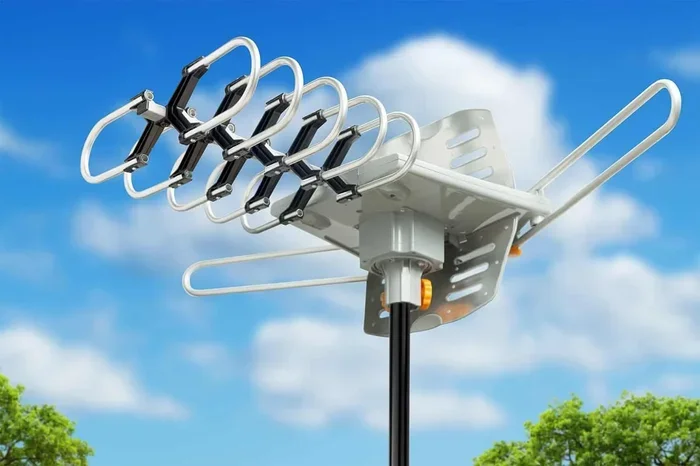
Outdoor antennas are the powerhouse option. They are mounted on your roof or attic and can capture much stronger signals than indoor models. If you live in a rural area or far from broadcast towers, an outdoor VHF TV antenna is almost always the better choice.
Installation takes more effort, but the payoff is worth it. You will get better reception, more channels, and a more reliable signal overall. Many outdoor antennas also handle UHF frequencies, so you get the best of both worlds with a single setup.
Quick Tips For Antenna Placement
Where you place your VHF TV antenna makes a huge difference in reception quality. Here are some quick tips to maximize your signal:
- Point the antenna toward the nearest broadcast tower. Use a tool like TV Fool to find tower locations in your area.
- Place the antenna as high as possible. Higher placement reduces obstructions and improves signal capture.
- Keep the antenna away from metal objects and electronics. These can interfere with VHF signal reception.
- Try different locations if you are not getting good results. Even moving the antenna a few feet can make a big difference.
- Consider an antenna amplifier if your signal is weak. An amplifier boosts the incoming signal and can help you pick up channels that were previously unavailable.
How To Choose The Right VHF TV Antenna For Your Home
Not all VHF TV antennas are created equal. Choosing the right one depends on several factors, including your location, the channels you want to watch, and your budget. Let us break down what to look for when shopping for a VHF TV antenna.
Consider Your Distance From Broadcast Towers
The distance between your home and the broadcast tower is the single most important factor. If you live within 30 miles of a tower, most indoor antennas will work well. Beyond that, you may need an outdoor antenna or one with a built-in amplifier.
Check the signal strength for your area before buying. Websites and apps can show you exactly how far you are from each broadcast tower and what channels are available. This helps you choose a VHF TV antenna with the right range for your situation.
Check The Channel Lineup In Your Area
Not all markets are the same. Some areas have many VHF channels, while others rely mostly on UHF. Before purchasing a VHF TV antenna, find out which channels broadcast on VHF frequencies in your area. This ensures you buy an antenna that covers the right band.
Many antenna product pages list the channels they can receive. Look for antennas that specifically mention VHF coverage if that is what you need. A good multi-band antenna that handles both VHF and UHF is the safest bet for most households.
Budget Considerations
VHF TV antennas range from under $20 to over $100. Basic indoor models are affordable and work well in strong signal areas. Outdoor antennas with amplifiers cost more but deliver superior performance in challenging reception environments.
Think of it this way: a VHF TV antenna pays for itself in just a few months of cable bills you no longer pay. Even a budget-friendly option can give you access to dozens of free channels for years to come.
Setting Up Your VHF TV Antenna For Best Reception
Once you have your VHF TV antenna, proper setup is key to getting the best results. The process is straightforward, but a few adjustments can make a big difference in the quality of your reception.
Running A Channel Scan
After connecting your VHF TV antenna to your TV, the first step is to run a channel scan. This tells your TV to search for all available over-the-air channels in your area. Most modern TVs have a built-in channel scan feature in the settings menu.
Go to your TV settings, look for the antenna or tuner option, and select “auto scan.” The TV will search for all VHF and UHF channels and save them to your guide. If you do not get all the channels you expected, try repositioning the antenna and running the scan again.
Using An Antenna Amplifier
If you are struggling to get a strong signal, an antenna amplifier can help. This small device attaches between your VHF TV antenna and the TV, boosting the incoming signal before it reaches your set. Amplifiers are especially useful for homes that are far from broadcast towers or surrounded by obstacles.
Keep in mind that amplifiers work best when the signal is already somewhat strong. If there is no signal at all, an amplifier will not help. In those cases, moving the antenna or switching to an outdoor model is the better solution.
Connecting Your Antenna To A Smart TV Or Receiver
Modern smart TVs make it easy to connect a VHF TV antenna. Simply plug the coaxial cable from the antenna into the TV’s antenna input, and you are good to go. If you use a separate TV tuner or receiver, connect the antenna to that device first, then link it to your TV via HDMI.
If you also want to explore other ways to enhance your TV setup, you might find it helpful to learn about connecting an antenna to a smart TV for additional tips and guidance.
Common Mistakes People Make With VHF TV Antennas
Setting up a VHF TV antenna seems simple, but many people make mistakes that hurt their reception. Avoiding these common errors can save you frustration and help you get the most out of your antenna.
Buying an antenna that only covers UHF. Some antennas are UHF-only and will not pick up VHF channels at all. Always check the specifications before purchasing to ensure VHF coverage is included.
Placing the antenna in a poor location. Walls, metal roofing, and electronic devices can all block VHF signals. Try to place your antenna near a window and away from other electronics for the best results.
Skipping the channel scan after moving the antenna. Every time you reposition your VHF TV antenna, you should run a new channel scan. The channels available to you can change based on placement, so always update your channel list.
Ignoring the antenna’s direction. VHF signals are directional, meaning they come from specific broadcast towers. Pointing your antenna in the wrong direction can result in weak or no signal. Use a compass or a signal mapping tool to orient your antenna correctly.
Not using an amplifier when needed. If you live in a fringe reception area, an amplifier is not optional. It is essential for pulling in weak VHF signals and giving you a clear picture on every channel.
Can You Use A VHF TV Antenna With Other Devices
A VHF TV antenna is not limited to just your television. Many devices can benefit from over-the-air signals, and a VHF antenna opens up more possibilities than you might think.
If you have a streaming device like a Roku or Fire Stick, you can use your antenna in combination with streaming apps for a complete entertainment setup. For more on using streaming devices with different display setups, check out this guide on using a Roku with a projector to see how versatile your setup can be.
Some people also connect their antenna to a DVR or digital converter box to record over-the-air channels for later viewing. This gives you the flexibility of a DVR without the monthly subscription fee. A VHF TV antenna makes this possible with just a few simple connections.
Conclusion
A VHF TV antenna is one of the best investments you can make if you want free over-the-air channels. Whether you are looking to cut the cord on your cable bill or simply want access to local news and sports, the right antenna delivers crystal-clear HD signals without a monthly fee.
Choosing between indoor and outdoor models, understanding VHF frequencies, and placing your antenna correctly are all key steps to getting the best reception. With a little effort, you can enjoy dozens of local channels for free, right from your living room.
The world of free over-the-air channels is richer than most people realize. With a quality VHF TV antenna, you unlock a whole lineup of local programming that streaming services simply cannot match. Do not let another month of cable bills slip by when the solution is as simple as an antenna.
If you are ready to make the switch, start by checking your local channel lineup and signal strength. Then pick the right VHF TV antenna for your home, set it up, and enjoy free TV for years to come.
Frequently Asked Questions
Do I really need a VHF TV antenna if I already have cable?
If you want access to free local channels without a cable subscription, a VHF TV antenna is essential. Many local stations broadcast on VHF frequencies that a cable box cannot provide for free. Even if you have cable, an antenna gives you a backup option during outages.
Can a VHF TV antenna pick up UHF channels too?
It depends on the antenna. Some VHF TV antennas are designed for VHF only, while others handle both VHF and UHF frequencies. If you want the widest range of channels, look for a multi-band antenna that covers both bands.
How far can a VHF TV antenna reach?
Most VHF TV antennas can pick up signals from 30 to 60 miles away, depending on the model and signal strength. Outdoor antennas generally have a longer range than indoor models. Your distance from the broadcast tower is the biggest factor.
Is a VHF TV antenna hard to install?
Not at all. Indoor VHF TV antennas are plug-and-play and require no tools or technical knowledge. Outdoor antennas take a bit more effort to mount, but most come with clear instructions. If you are comfortable with basic home tasks, you can handle the installation yourself.
Will a VHF TV antenna work in an apartment?
Yes. Indoor VHF TV antennas work well in apartments as long as you place them near a window. Signal strength may be weaker in some apartment buildings due to construction materials, but many people still get excellent results with a simple indoor model.
Do I need any special equipment besides a VHF TV antenna?
You need a coaxial cable to connect the antenna to your TV, and your TV must have a built-in digital tuner. Most modern TVs include this feature. If your TV is older, you may need a digital converter box to decode the over-the-air signals.
Frequently Asked Questions
What is Do I Need A Vhf Tv Antenna?
Do I Need A Vhf Tv Antenna is an important topic with many practical applications.