Do I Really Need A Brake Controller For Safe Towing
A brake controller is a must-have device for anyone who tows trailers, RVs, or heavy loads. It ensures your tow vehicle and trailer brakes work together smoothly, which keeps you and others safe on the road. Without one, stopping distances increase and control drops fast, especially at highway speeds or on wet roads. This guide covers everything you need to know about brake controllers, from how they work to when you should install one.
Have you ever been on the highway and seen a trailer swaying or a truck struggling to stop? It is a scary sight. And it often comes down to one simple thing: the brakes. When you pull a trailer behind your truck or SUV, you are adding a lot of weight. That weight needs to slow down too. And if it does not slow down at the same time as your vehicle, things go wrong fast.
This is where a brake controller comes in. Think of it as the brain that tells your trailer when to brake. It makes sure both your vehicle and your trailer stop at the same time. Without it, your tow vehicle does all the work, and that is not safe. In this article, we will break down everything you need to know about brake controllers. We will look at how they work, the different types, when you need one, and how to pick the right one. By the end, you will know exactly whether a brake controller is a must-have for your towing setup.
Key Takeaways
- Safety First: A brake controller dramatically improves stopping power and control when towing heavy loads.
- Two Main Types: Electric and hydraulic brake controllers each serve different towing needs and vehicle setups.
- Proportional Braking Is Best: This system matches your trailer brakes to how hard you press the tow vehicle brake pedal.
- Installation Is Manageable: Most brake controllers are DIY-friendly and can be installed in under an hour.
- Not Just For Big Trailers: Even medium-weight loads benefit from a proper braking setup.
- Legal Requirements Exist: Many states require brake controllers for trailers above a certain weight limit.
- Regular Maintenance Matters: Keeping your brake controller tuned and clean ensures it works when you need it most.
📑 Table of Contents
What Is A Brake Controller And Why Does It Matter
The Basics Of Braking While Towing
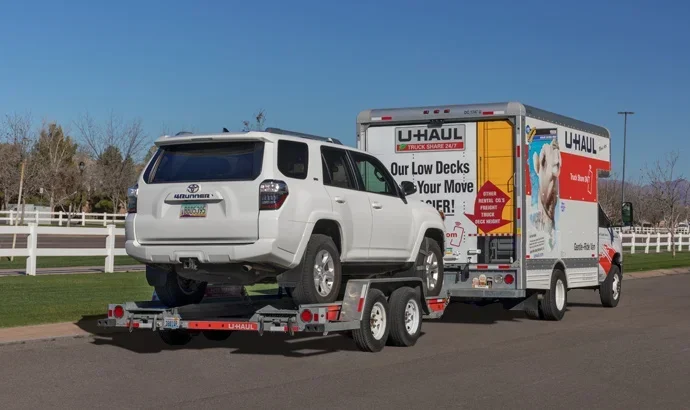
When you drive without a trailer, your vehicle has its own braking system. The brakes on your wheels are designed for the weight of the vehicle plus passengers and cargo. But when you add a trailer, the total weight goes up fast. A small utility trailer might add 500 pounds. A large travel trailer can add 5,000 pounds or more. That extra weight needs its own braking power.
Here is the problem. Your tow vehicle brakes were not built to handle all that extra weight on their own. If you hit the brakes hard while towing, your vehicle stops, but the trailer keeps pushing forward. This is called a jackknife. It is one of the most dangerous towing situations you can face. A brake controller solves this problem by activating the trailer brakes at the same time as your vehicle brakes.
The controller reads how hard you press the brake pedal. Then it sends a signal to the trailer brakes to apply the right amount of force. This means both your vehicle and trailer slow down together. The result is a much smoother, safer stop. It also reduces wear on your tow vehicle brakes, which saves you money on repairs over time.
Why Your Tow Vehicle Needs Help
Let us talk numbers for a second. A typical car or SUV weighs around 4,000 pounds. Add a 6,000-pound trailer, and you are now managing 10,000 pounds of total weight. Your brakes need to handle all of that. Without a brake controller, your tow vehicle brakes absorb nearly all the stopping force. This causes overheating, faster brake wear, and longer stopping distances.
On a dry road at 60 miles per hour, a truck without a trailer might stop in about 120 feet. Add a heavy trailer without a brake controller, and that distance can jump to 180 feet or more. That extra 60 feet can be the difference between a safe stop and a serious accident. On wet or icy roads, the difference is even bigger.
Beyond safety, there is also the legal side. Many states require brake controllers for trailers over a certain weight. For example, trailers over 3,000 pounds often need a braking system controlled from the tow vehicle. If you are caught towing without one in these states, you could face a fine. So a brake controller is not just smart, it is often the law.
How A Brake Controller Works
The Science Behind Proportional Braking
The most common type of brake controller uses something called proportional braking. Here is how it works in simple terms. When you press the brake pedal, the controller measures how fast and how hard you are pressing. Then it sends a matching signal to the trailer brakes.
If you press the pedal gently, the trailer brakes apply a light amount of force. If you slam on the brakes, the trailer brakes apply full force right away. This proportional approach means the trailer slows down at the same rate as the tow vehicle. It feels natural and smooth. You do not have to think about it. The brake controller handles everything behind the scenes.
Inside the controller, there is a small accelerometer. This is a sensor that detects the deceleration of your vehicle. When you brake, the vehicle slows down, and the accelerometer picks up on that change. It then sends a signal to the trailer brake actuator. The actuator pushes brake fluid or activates an electric brake system on the trailer. All of this happens in milliseconds. You will not even notice it is happening.
Time-Delay vs. Proportional Systems
Not all brake controllers work the same way. There are two main types: time-delay and proportional. A time-delay controller applies a set amount of braking force to the trailer after you press the brake pedal. You can adjust the delay and the force level. But it does not change based on how hard you brake.
A proportional controller, on the other hand, adjusts in real time. It matches the trailer brake force to your actual braking input. This makes proportional controllers the safer and more popular choice for most tow vehicles. Most experts recommend going with a proportional brake controller if you can.
There are also hybrid controllers that combine elements of both systems. These can work well for people who tow different types of loads. They offer more flexibility but can be more complex to set up. If you are unsure which type is right for you, a proportional controller is a safe bet for most towing situations.
Types Of Brake Controllers You Can Buy
Electric Brake Controllers
Electric brake controllers are the most common type. They work with trailers that have electric brakes. These are the brakes you find on most boat trailers, utility trailers, and smaller travel trailers. The brake controller sends an electrical signal to a brake actuator on the trailer. That actuator then pushes the brake shoes against the brake drum.
Electric brake controllers are easy to install. Most models plug into the wiring harness of your tow vehicle. You mount the controller on your dashboard or under the dash, and you are pretty much done. Popular brands include Curt, Tekonsha, and Hopkins. These controllers range from about 100 to 300 dollars depending on the features.
One thing to keep in mind. Electric brakes need a brake controller to work properly. You cannot just wire them to always apply full braking force. That would cause the trailer wheels to lock up, which is very dangerous. The brake controller gives you precise control over how much braking force the trailer gets.
Hydraulic Brake Controllers
Hydraulic brake controllers work differently. They use hydraulic pressure to activate the trailer brakes. These are typically used with trailers that have their own hydraulic brake systems, like some larger boat trailers or horse trailers. The controller connects to the tow vehicle’s hydraulic brake line and reads the pressure when you brake.
Hydraulic controllers are smooth and powerful. They are great for heavy-duty towing. However, they are more complex to install. You may need to tap into your vehicle’s brake line, which requires some mechanical knowledge. If you are not comfortable with hydraulic systems, it is best to have a professional install a hydraulic brake controller for you.
One advantage of hydraulic controllers is that they do not need a power source. They run off the hydraulic pressure in your brake system. This makes them reliable and low-maintenance. But they are also more expensive than electric controllers. You can expect to pay between 200 and 500 dollars for a quality hydraulic unit.
Proportional vs. Time-Delay Controllers
Let us compare the two main types of brake controllers side by side. This will help you understand which one fits your needs best.
| Feature | Proportional Controller | Time-Delay Controller |
|---|---|---|
| Braking Response | Matches your brake pedal input | Applies a set delay and force level |
| Stopping Smoothness | Very smooth and natural | Can feel jerky if not adjusted well |
| Price Range | 150 to 400 dollars | 80 to 200 dollars |
| Best For | Frequent towing, heavy loads | Light towing, occasional use |
| Adjustment | Automatic | Manual knobs for delay and power |
| Safety Rating | Higher | Lower |
As you can see, proportional controllers offer better performance and safety. But they cost more. If you tow often or haul heavy loads, the extra cost is worth it. For occasional light towing, a time-delay controller can still do the job. Just make sure you adjust it properly before each trip.
Signs You Really Need A Brake Controller
Towing Heavy Loads
If you regularly tow trailers, RVs, or boats, you need a brake controller. There is no way around it. The heavier the load, the more important the controller becomes. Even if your trailer has its own brakes, those brakes need to be controlled from the cab of the tow vehicle. A brake controller gives you that control.
Think about it this way. Would you drive a car with no brakes? Of course not. Towing without a brake controller is almost as bad. You are relying entirely on your tow vehicle to slow down all that extra weight. And as we discussed, that is not safe. Not to mention it wears out your vehicle brakes much faster.
Here are some signs you need a brake controller:
- Your trailer pushes forward when you brake hard.
- Your tow vehicle takes longer to stop than it should.
- You notice your brake pads wearing out faster than usual.
- You feel the trailer swaying or bouncing during stops.
- Your state law requires a brake controller for your trailer weight.
When Your Current Setup Feels Unsafe
Sometimes you do not need a brake controller because of a weight limit. You need one because your current setup just does not feel right. If you have ever felt your trailer pushing your tow vehicle during braking, that is a clear warning sign. The trailer is not slowing down, and it is transferring all that momentum forward.
Another sign is longer stopping distances. If you notice it takes more effort and more distance to stop when you are towing, your brakes are struggling. A brake controller helps by sharing the braking load with the trailer. This gives you shorter stopping distances and more confidence on the road.
Even if you only tow occasionally, a brake controller is worth having. You never know when you will need to make a sudden stop. And when that moment comes, you will be glad you have one installed. It is better to have it and not need it than the other way around.
How To Choose The Right Brake Controller
Features To Look For
Not all brake controllers are created equal. When you are shopping, look for these key features:
- Adjustable Braking Force: You should be able to set how much braking power the trailer gets. This is important because different loads need different levels of braking.
- Display Screen: A clear display lets you see the current braking output and settings. It makes adjusting the controller much easier while on the road.
- Multiple Vehicle Modes: Some controllers have settings for different vehicle types. Look for modes for trucks, SUVs, and even vehicles with electric or hybrid braking systems.
- Smooth Braking Technology: Premium controllers use advanced algorithms to deliver smoother braking. This reduces jerking and helps protect your trailer cargo.
- Easy Installation: Look for plug-and-play models if you want a DIY setup. Most electric controllers can be installed with basic tools and about an hour of your time.
If you also use your vehicle for other tech needs, think about how everything connects. For example, if you rely on Bluetooth connectivity in your car for hands-free calling, a Bluetooth transmitter for your car can make a big difference in your overall driving experience. Keeping your vehicle’s tech running smoothly while towing adds to your comfort and safety.
Installation Tips And Tricks
Installing a brake controller is something most people can do themselves. Here are some tips to make the process smoother.
- Read the manual first. Every controller is a little different. Knowing the steps before you start saves time and frustration.
- Find a good mounting spot. Most controllers mount on the dashboard, below the steering column. Make sure it does not block your view of the road.
- Use the right wiring harness. Match the controller to your vehicle’s wiring. Many brands sell vehicle-specific harnesses that make the connection simple.
- Test before you tow. After installation, test the controller without a trailer attached. Make sure the brakes engage and release smoothly.
- Adjust the settings. Start with the recommended settings for your vehicle and load. Then fine-tune based on how the towing feels.
One more thing to keep in mind. If you use your phone for navigation while towing, make sure it stays connected. For instance, if you need to plug in your phone for GPS, knowing how to connect your iPhone to a USB port properly ensures your navigation stays reliable on long trips. A disconnected phone can mean lost directions in unfamiliar areas, which adds stress to an already demanding towing experience.
Common Mistakes People Make With Brake Controllers
Skipping Regular Maintenance
A brake controller is not a set-it-and-forget-it device. Like any electronic equipment, it needs regular maintenance to work properly. Over time, dust and vibration can loosen connections. Wires can wear down, especially in vehicles that tow frequently.
Make it a habit to check your controller before every trip. Look for loose wires, corrosion on the connectors, and any error messages on the display. If your controller has a test mode, use it. This will tell you if the system is working correctly. A quick five-minute check can prevent a serious problem on the road.
Also, keep your controller clean. Spills and dirt can damage the internal electronics. A soft cloth and some compressed air can go a long way. Treat your brake controller like the safety device it is, and it will serve you well for years.
Wrong Settings Can Be Dangerous
One of the biggest mistakes people make is setting the brake controller wrong. If the braking force is too low, the trailer will not slow down enough. If it is too high, the trailer wheels can lock up and skid. Both situations are dangerous.
Here is how to get the settings right. Start with the manufacturer’s recommended setting for your vehicle and load. Then do a test stop in a safe, empty area. Pay attention to how the trailer behaves during braking.
If the trailer pushes forward, increase the braking force slightly. If the trailer skids or feels jerky, decrease the force. You want to find the sweet spot where the trailer slows down smoothly and in sync with the tow vehicle. This process might take a few tries, but it is worth the effort. Once you find the right setting, write it down so you can use it again next time.
Another mistake is forgetting to turn the controller on. Some people unplug the controller when they are not towing and forget to plug it back in. Always double-check that the controller is powered on before you start towing. A simple habit like this can save you from a dangerous situation.
Final Thoughts On Brake Controller Safety
So, do you really need a brake controller? The short answer is yes. If you tow anything heavier than a lightweight utility trailer, a brake controller is essential. It keeps you safe, protects your vehicle, and is often required by law. The cost of a brake controller is small compared to the protection it provides.
Whether you choose an electric or hydraulic system, a proportional or time-delay controller, the most important thing is that you have one. Take the time to install it correctly, adjust the settings, and maintain it regularly. Your brake controller is the link between your tow vehicle and your trailer, and that link should be strong and reliable.
On your next trip, you will feel more confident knowing your trailer is braking exactly when and how it should. That peace of mind is priceless. And that is what safe towing is all about.
Stay connected on the road by keeping your devices powered and ready. If you rely on a laptop for planning routes or staying entertained during long hauls, having a laptop with cell service ensures you can always access maps, weather updates, and emergency resources no matter where your towing adventures take you.
Frequently Asked Questions
Can I tow without a brake controller if my trailer is light?
It depends on the weight and your local laws. Some states require a brake controller for any trailer over 1,500 to 3,000 pounds. Even for lighter loads, a controller improves safety and stopping control. Always check your state regulations before towing.
How much does a brake controller cost?
Electric brake controllers typically cost between 100 and 400 dollars. Hydraulic controllers are more expensive, ranging from 200 to 500 dollars. The price depends on features, brand, and the type of towing you do. It is a small investment for the safety it provides.
Can I install a brake controller myself?
Yes, most electric brake controllers are designed for DIY installation. You will need basic tools and about an hour of time. The process involves mounting the unit, connecting the wiring harness, and testing the system. If you are not comfortable with wiring, a mechanic can help.
What happens if my brake controller fails while towing?
If your brake controller fails, your trailer brakes will not activate automatically. You will still have your vehicle brakes, but stopping distances will increase significantly. If you notice any issues with your controller, stop towing immediately and have it repaired or replaced before your next trip.
Do I need a brake controller for an RV?
Most RVs over 3,000 pounds require a brake controller. Even smaller RVs benefit from one because the added weight changes how your vehicle handles during braking. A controller gives you better control and shorter stopping distances, which is especially important with a large, heavy rig behind you.
Are all brake controllers compatible with every vehicle?
No, not all controllers work with every vehicle. Check the compatibility list from the manufacturer before buying. Most major brands offer vehicle-specific models or universal controllers that work with a wide range of trucks, SUVs, and vans. Always verify that the controller matches your tow vehicle’s wiring and brake system type.