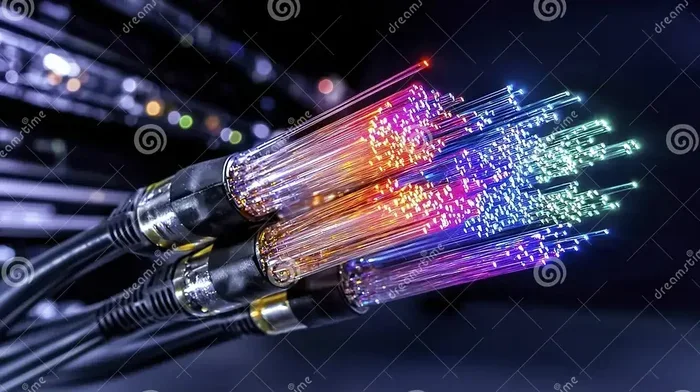
Does Pensacola Have Fiber Optic Internet Available
Pensacola does have fiber optic internet available through select providers like AT&T Fiber and local carriers. The city is steadily expanding its fiber network, giving residents access to faster speeds and more reliable connections than ever before. In this guide, you will learn about available fiber providers, speeds, pricing, and how to check if fiber is available at your specific address.
Living in Pensacola means enjoying beautiful beaches, a low cost of living, and a growing tech scene. But one thing that can make or break your daily routine is your home internet. Slow download speeds, spotty connections, and data caps can frustrate anyone. That is why so many residents are asking a simple question: does Pensacola have fiber optic internet?
The short answer is yes. Fiber optic internet is available in Pensacola, though coverage is not yet universal across the entire city. Several providers are building out their networks, and more neighborhoods are getting connected every year. If you have been thinking about upgrading your connection, now is a great time to explore what fiber can offer.
In this article, we will cover everything you need to know about fiber optic internet in Pensacola. We will look at which providers offer service, what speeds you can expect, how pricing compares to other types of internet, and what steps you can take to get fiber at your home. Let us dive in.
Key Takeaways
- Fiber optic internet is available in Pensacola through providers like AT&T Fiber and regional carriers.
- Fiber offers the fastest speeds for both downloads and uploads compared to cable or DSL connections.
- Not all areas in Pensacola have fiber coverage yet, so checking your address first is essential.
- Fiber internet is more reliable and less affected by weather or peak usage times than traditional copper connections.
- Pricing varies by provider, but fiber plans are becoming more affordable each year.
- You may need new equipment if you switch from cable or DSL to a fiber connection.
📑 Table of Contents
- What Is Fiber Optic Internet and Why Does It Matter?
- Fiber Optic Internet Availability in Pensacola
- Internet Providers Offering Fiber in Pensacola
- Fiber Optic Internet Speeds and Plans
- How to Get Fiber Optic Internet in Pensacola
- Benefits of Fiber Optic Internet for Pensacola Residents
- Common Mistakes to Avoid When Switching to Fiber
- The Future of Fiber Optic Internet in Pensacola
What Is Fiber Optic Internet and Why Does It Matter?
Before we look at Pensacola specifically, let us talk about what fiber optic internet actually is. Unlike traditional copper connections that use electrical signals, fiber optic internet uses thin glass or plastic cables to transmit data as light pulses. This technology allows for incredibly fast speeds and very low latency.
Here is why that matters for everyday use:
- Symmetrical speeds: Fiber offers the same fast download and upload speeds. With cable internet, your upload speed is usually much slower than your download speed.
- Low latency: Fiber connections have very little delay, which is great for video calls, online gaming, and remote work.
- High bandwidth: Fiber can handle multiple devices at once without slowing down. So if you have a smart home with many connected devices, fiber keeps everything running smoothly.
- Reliability: Fiber is not affected by electromagnetic interference or bad weather the way copper or coaxial cables can be.
For Pensacola residents, this means smoother streaming, faster file uploads, and a more dependable connection overall. Whether you work from home, stream movies, or just browse the web, a fiber connection can make a noticeable difference in your daily life.
Fiber Optic Internet Availability in Pensacola
Current Fiber Coverage in Pensacola
The good news is that fiber optic internet availability in Pensacola is growing. Major providers are expanding their networks, and new fiber infrastructure is being laid throughout the city. However, fiber coverage is still not available in every neighborhood.
Here is what you should know about fiber availability in the Pensacola area:
- Downtown and urban areas: These neighborhoods tend to have the best fiber coverage. Providers have focused on densely populated areas first because they offer the highest return on investment.
- Suburban neighborhoods: Many suburban areas in Pensacola now have access to fiber, but this varies by street and community. Some newer developments were built with fiber infrastructure from the start.
- Rural and outlying areas: Fiber coverage is more limited in rural parts of Escambia County. Satellite or fixed wireless options may be the only alternatives in some locations.
The best way to find out if fiber is available at your specific address is to check directly with providers. Most companies have online tools where you can enter your address and see what services are offered. This step is crucial because fiber internet availability can differ from one block to the next.
How Pensacola Compares to Other Cities
Pensacola is making progress with fiber deployment, but how does it stack up against other cities in Florida? Cities like Tampa, Orlando, and Jacksonville have had fiber services for several years and enjoy wider coverage. Pensacola is catching up, but it is not yet at the same level of penetration.
That said, the city has been investing in broadband infrastructure. Federal and state grants have helped fund fiber expansion projects. And local governments have recognized the importance of high-speed internet for economic growth and quality of life. So the trajectory is positive.
If you live in Pensacola and have been waiting for fiber to arrive, there is reason for optimism. The network is expanding, and more providers are entering the market each year.
Internet Providers Offering Fiber in Pensacola
AT&T Fiber
AT&T Fiber is one of the primary providers of fiber optic internet in Pensacola. AT&T has been steadily expanding its fiber network across the Gulf Coast, and Pensacola is part of that growth. AT&T Fiber offers a range of plans to suit different needs and budgets.
Here is what you can expect from AT&T Fiber in Pensacola:
- Speeds: Plans typically range from 300 Mbps to 5 Gbps. The 5 Gbps option is ideal for large households with heavy internet use.
- Pricing: AT&T Fiber plans are competitive, especially when bundled with TV or phone services. Prices generally start around $55 per month for lower-tier plans.
- Equipment: AT&T provides a gateway modem/router. You can also use your own compatible equipment if you prefer.
One thing to keep in mind: AT&T Fiber availability depends on your specific location. Not all Pensacola addresses qualify for AT&T Fiber service yet. You should check your address on the AT&T website before making any decisions.
Local and Regional Providers
Beyond AT&T, Pensacola has several local and regional internet providers that may offer fiber service. These smaller companies often focus on specific neighborhoods or communities, providing personalized customer service and competitive pricing.
Some regional providers to look into include:
- Local fiber cooperatives: These community-owned networks sometimes offer excellent fiber service at affordable rates. They are worth checking if you live in a area with cooperative service.
- Regional ISPs: Some regional internet service providers have been building fiber networks in the Pensacola area. These providers may not be as well known as national companies, but they can offer strong service.
When comparing providers, look at more than just price. Consider factors like contract terms, customer service reputation, data caps, and whether the provider offers symmetrical speeds for uploads and downloads.
Other Internet Options in Pensacola
While fiber is the gold standard, it is not the only option in Pensacola. Here is a quick look at other internet types available in the area:
- Cable internet: Offered by companies like Spectrum, cable internet uses coaxial cables. It is widely available in Pensacola and offers decent speeds, but it can slow down during peak usage hours.
- DSL internet: DSL uses traditional phone lines and is available in many parts of Pensacola. Speeds are generally slower than fiber or cable.
- 5G internet: Fixed wireless 5G is an emerging option that uses cellular towers to deliver internet. It can be a good alternative where fiber is not yet available.
- Satellite internet: Services like HughesNet and Viasat are available almost everywhere, including rural Pensacola areas. However, satellite internet tends to have higher latency and lower speeds than fiber.
If you are currently using cable or DSL and considering a switch, you might want to explore whether you can buy your own modem and still have internet service. This can save you money on rental fees and give you more control over your equipment.
Fiber Optic Internet Speeds and Plans
What Speeds Can You Expect?
One of the biggest advantages of fiber optic internet is the speed. Fiber connections in Pensacola typically offer the following speed tiers:
- 300 Mbps: Great for small households with moderate internet use. This speed handles streaming, browsing, and video calls with ease.
- 1 Gbps (Gigabit): Ideal for families or households with multiple users. This speed supports heavy gaming, large file downloads, and 4K streaming without any issues.
- 2 Gbps to 5 Gbps: These are the fastest tiers available. They are perfect for power users, remote workers who need to upload large files, or households with many simultaneous connections.
What sets fiber apart from other types of internet is symmetrical speeds. That means your upload speed matches your download speed. With cable internet, you might get 1000 Mbps down but only 20-50 Mbps up. With fiber, you get the same speed in both directions. This makes a huge difference for video conferencing, cloud backups, and uploading content.
How Fiber Speeds Compare to Cable and DSL
To put things in perspective, here is a simple comparison of internet types commonly available in Pensacola:
- Fiber: 300 Mbps to 5 Gbps symmetrical. Lowest latency. Most reliable.
- Cable: 100 Mbps to 1 Gbps. Download speeds are fast, but upload speeds are much lower. Speeds can drop during peak hours.
- DSL: 10 Mbps to 100 Mbps. Slower than both fiber and cable. Best suited for light internet use.
- 5G Fixed Wireless: 50 Mbps to 1 Gbps. Speeds vary based on signal strength and distance from towers.
- Satellite: 25 Mbps to 100 Mbps. Higher latency and data caps. Best for areas with no other options.
As you can see, fiber is the clear winner when it comes to speed and reliability. For Pensacola residents who depend on the internet for work, school, or entertainment, upgrading to a fiber connection can be a game changer.
How to Get Fiber Optic Internet in Pensacola
Step 1: Check Availability at Your Address
The first step is to check if fiber is available at your specific address. Visit the websites of providers like AT&T and enter your address. You can also contact local providers directly to ask about fiber service in your area.
Step 2: Compare Plans and Pricing
Once you know what is available, compare plans from different providers. Look at the following factors:
- Speed tier: Choose a speed that matches your household’s usage. A single person who browses and streams lightly needs less speed than a family of five who game and work from home.
- Contract terms: Some providers lock you into 12 or 24-month contracts. Others offer month-to-month options with no commitment.
- Equipment fees: Check if the provider charges a monthly rental fee for their modem or gateway. Some providers include equipment for free.
- Installation fees: Ask about professional installation costs. Some providers waive this fee for new customers.
Step 3: Schedule Installation
After you choose a plan, schedule your installation. Fiber installation typically involves running a fiber optic cable from the provider’s network to your home. A technician will install an optical network terminal (ONT) inside your home, which converts the light signal into an internet connection.
Installation usually takes one to three hours, depending on the complexity of the setup. Once the ONT is in place, you can connect your router and start using your new high speed internet right away.
Step 4: Set Up Your Equipment
Most fiber providers give you a gateway device that combines a modem and router. This device connects to the ONT and broadcasts Wi-Fi throughout your home. If you need more coverage, you can add a mesh Wi-Fi system or range extender.
If you are curious about using your own equipment, check out our guide on whether you can buy a modem and have internet service. It covers the basics of compatible equipment and potential savings.
Benefits of Fiber Optic Internet for Pensacola Residents
Reliability and Consistency
One of the standout benefits of fiber is its reliability. Fiber optic cables are made of glass, not copper, so they are not susceptible to corrosion, electromagnetic interference, or temperature fluctuations. This means your connection stays stable even during storms or peak usage times.
For Pensacola, where tropical weather can sometimes impact traditional infrastructure, fiber is a particularly strong choice. You are less likely to experience outages or slowdowns compared to cable or DSL connections.
Future-Proof Technology
Fiber optic technology is built for the future. As our homes become smarter and our internet demands grow, fiber can handle the load. The bandwidth capacity of fiber is virtually unlimited compared to copper or coaxial cables.
Investing in fiber now means you will not need to upgrade your connection again anytime soon. It is a long-term solution that will serve you well for years to come.
Better for Working From Home
Remote work has become a permanent fixture for many people. A reliable, fast internet connection is no longer a luxury, it is a necessity. Fiber optic internet provides the stable, high-speed connection that remote workers need for video calls, file sharing, and cloud-based tools.
If you work from home in Pensacola, fiber can dramatically improve your productivity and reduce frustrating lag or disconnections.
Enhanced Home Phone and Communication Options
Fiber internet also opens up new possibilities for home communication. With a fiber connection, you can use voice-over-internet-protocol (VoIP) services for your home phone. This means you can have a reliable phone service without needing a traditional landline.
If you are interested in ditching the traditional phone line, check out our article on whether you can have a home phone without a landline. It explores VoIP and other alternatives in detail.
Common Mistakes to Avoid When Switching to Fiber
Switching to fiber optic internet is exciting, but there are a few common mistakes you should avoid:
- Not checking availability first: Do not assume fiber is available at your address. Always verify with the provider before canceling your current service.
- Ignoring contract terms: Some fiber plans come with early termination fees. Read the fine print before signing up.
- Underestimating your speed needs: Choose a speed tier that fits your actual usage. Going too slow means you will still experience buffering and lag.
- Skipping the equipment question: Ask about equipment fees upfront. Some providers charge monthly rental fees that add up over time.
- Not asking about bundled services: Many fiber providers offer bundles with TV and phone services. Bundling can save you money compared to separate services.
By avoiding these mistakes, you can ensure a smooth transition to fiber and get the most value out of your new internet service.
The Future of Fiber Optic Internet in Pensacola
The future looks bright for fiber in Pensacola. Federal funding programs like the BEAD (Broadband Equity, Access, and Deployment) program are directing billions of dollars toward expanding broadband access in underserved areas. Pensacola is expected to benefit from these investments.
Local governments and providers are also working together to close the digital divide. The goal is to ensure that every resident, regardless of neighborhood or income level, has access to fast, reliable internet. Fiber optic technology is at the heart of this effort.
As more fiber networks are built, we can expect to see faster average speeds, lower prices, and more competition among providers. For Pensacola residents, this means better choices and better service over time.
If you are considering making the switch, now is an excellent time. The infrastructure is expanding, providers are competitive, and the benefits of fiber are undeniable. Whether you need high speed internet for work, school, or entertainment, fiber optic internet in Pensacola is a smart investment.
And if you rely on mobile connectivity alongside your home internet, remember that services like MetroPCS can complement your fiber connection for on-the-go needs. If you ever need to manage your voicemail across devices, our guide on checking voicemail on another phone with MetroPCS can help you stay connected no matter where you are.
In short, Pensacola is well on its way to becoming a fiber-connected city. The expansion is real, the benefits are clear, and the options are growing. Do not settle for slow, unreliable internet when fiber is within reach.
Frequently Asked Questions
Is fiber optic internet available in all of Pensacola?
No, fiber optic internet is not yet available in every part of Pensacola. Coverage is strongest in downtown and urban areas, with suburban neighborhoods also getting connected. Rural areas may still rely on cable, DSL, or satellite options. Check your specific address with providers to confirm availability.
How much does fiber optic internet cost in Pensacola?
Fiber internet plans in Pensacola typically range from $55 to $150 per month, depending on the speed tier and provider. Lower-speed plans start around $55, while gigabit and multi-gig plans cost more. Bundling with TV or phone services can help reduce your overall monthly bill.
What is the difference between fiber optic internet and cable internet in Pensacola?
The main difference is the technology and performance. Fiber uses light signals through glass cables, offering symmetrical speeds and low latency. Cable uses coaxial cables and typically has slower upload speeds and more variability during peak hours. Fiber is also more reliable and less affected by weather conditions.
How fast is fiber optic internet compared to other types of internet in Pensacola?
Fiber is the fastest option available. It offers speeds from 300 Mbps up to 5 Gbps, with symmetrical upload and download speeds. Cable internet typically maxes out around 1 Gbps with much slower uploads. DSL is significantly slower, and satellite internet has the lowest speeds and highest latency of all options.
Can I use my own modem with fiber internet in Pensacola?
It depends on the provider. Some fiber providers allow you to use your own compatible equipment, while others require you to use their gateway device. Check with your provider about equipment policies before purchasing your own modem. Using provider-approved equipment ensures compatibility and avoids service issues.
How long does it take to install fiber optic internet in Pensacola?
Fiber installation typically takes one to three hours. A technician runs the fiber cable to your home, installs an optical network terminal (ONT), and sets up your gateway device. The exact time depends on the complexity of the installation and whether any new wiring or equipment is needed at your location.
=== CONCLUSION ===
Fiber optic internet is available in Pensacola, and the city is steadily expanding its fiber network to reach more residents. With providers like AT&T Fiber leading the way, Pensacola residents have access to fast, reliable, and future-proof internet service. Whether you are looking for a plan for light browsing or heavy home office use, fiber has something to offer.
The key is to check availability at your address, compare plans and pricing, and choose a provider that fits your needs. Fiber internet represents a significant upgrade over traditional cable or DSL, offering symmetrical speeds, low latency, and exceptional reliability.
Do not wait for fiber to come to your neighborhood, take action today. Check with providers, explore your options, and make the switch to a faster, more dependable internet experience. Pensacola is building a stronger digital future, and fiber is at the center of that transformation.