Does Super 8 Film Actually Work In An 8mm Projector
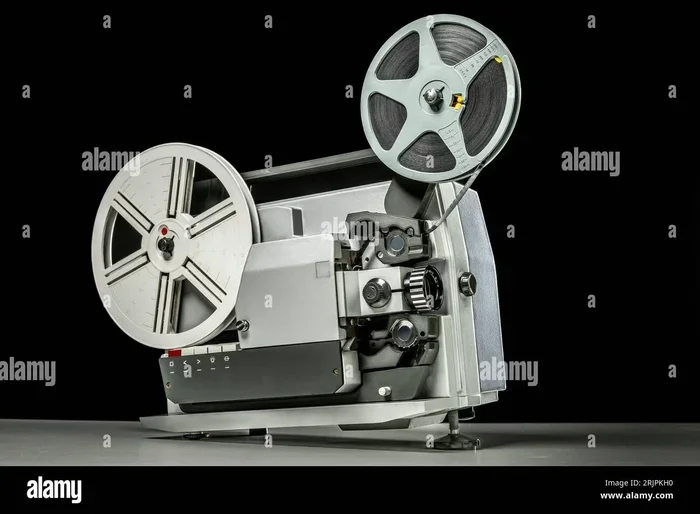
Super 8 film does not work properly in a standard 8mm projector because the two formats have different film sizes, sprocket hole patterns, and gate dimensions. While both formats look similar at first glance, they are fundamentally incompatible without an adapter or modification. Using the wrong format can damage your film, jam your projector, or produce poor image quality. This guide breaks down everything you need to know about Super 8 and 8mm projector compatibility so you can protect your precious vintage footage.
There is something magical about pulling out an old film reel and projecting it onto a wall. Maybe you found a box of Super 8 home movies in your attic, or perhaps you inherited a collection from a relative. Either way, the first question that comes to mind is usually the same: can you load that film into an 8mm projector and watch it?
The short answer is no, not without some important caveats. Super 8 film and 8mm film are different formats, even though they look almost identical on the surface. Putting Super 8 film into a regular 8mm projector is like trying to fit a small pizza into a medium box. It might seem close enough, but it just will not work the way it should.
In this guide, we will walk through everything you need to know about Super 8 film compatibility with 8mm projectors. We will cover the differences between the two formats, what happens if you try to mix them, and what your best options are for watching your old footage today. Whether you are a collector, a nostalgia lover, or just someone trying to figure out what to do with a box of old film, this article has you covered.
Key Takeaways
- Super 8 and 8mm are not the same format: Super 8 film is narrower and has smaller sprocket holes, making it physically incompatible with standard 8mm projectors.
- You need a Super 8 projector or an adapter: To properly project Super 8 film, you must use a projector designed specifically for the Super 8 format.
- Forcing Super 8 into an 8mm projector risks damage: The film can tear, the projector gate can be scratched, and the image will be misaligned or blurry.
- Digital transfer is a popular modern alternative: Many people convert their Super 8 reels to digital format using professional services or home scanners.
- Always check your projector model before loading film: Some projectors support both formats, but these are rare and clearly labeled.
- Proper film storage matters: Keeping your Super 8 film in cool, dry conditions preserves its quality for future projection or transfer.
📑 Table of Contents
Understanding Super 8 and 8mm Film Formats
Before we dive into projector compatibility, it helps to understand what makes these two formats different. Both Super 8 and 8mm film were designed for home movie recording, but they came along at different times and have distinct technical specifications.
The History of 8mm Film
Regular 8mm film, also called Standard 8mm, was introduced by Kodak in 1932. It became a popular format for home movies throughout the mid-20th century. The film strip is 8mm wide, and it features large sprocket holes along both edges. These holes are what the projector uses to pull the film through the gate and create the moving image you see on screen.
Standard 8mm film came on a long reel that you had to flip halfway through filming. This meant you could record on both halves of the same reel, then flip it over and record the second side. It was a clever design for its time, but it was also a bit cumbersome for everyday home use.
The Super 8 Upgrade
Kodak introduced Super 8 film in 1965 as an improvement over the original 8mm format. The Super 8 cartridge made loading film much easier, which was a huge selling point. Instead of fumbling with a long strip of film, you simply dropped a pre-loaded cartridge into the camera and you were ready to shoot.
Super 8 film is still 8mm wide, but the key difference lies in the sprocket holes. Super 8 has much smaller sprocket holes positioned between the frames rather than along the edges. This design change gave Super 8 a larger exposed frame area, which meant better image quality and a cleaner picture. The cartridge system also made it more convenient and less prone to dust and scratches.
Side-by-Side Comparison
Here is a quick look at how the two formats compare:
- Film Width: Both formats are 8mm wide, but the internal frame dimensions differ.
- Sprocket Holes: Standard 8mm has larger holes on the edges. Super 8 has smaller holes between frames.
- Frame Size: Super 8 offers a larger frame area, resulting in a sharper, more detailed image.
- Loading System: Standard 8mm uses open reels. Super 8 uses convenient cartridges.
- Projector Compatibility: Each format requires a projector designed for its specific gate and sprocket mechanism.
These differences are small but critical when it comes to projector compatibility. A projector built for one format simply cannot accommodate the other without some kind of adapter or modification.
Can You Put Super 8 Film in an 8mm Projector?
This is the big question, and the answer is more nuanced than a simple yes or no. Let us break down what actually happens when you try this.
The Short Answer: No, Not Without Issues
You cannot load Super 8 film into a standard 8mm projector and expect it to work correctly. The sprocket holes on Super 8 film are too small for the 8mm projector’s sprocket mechanism. The film will not advance properly through the gate. At best, you will get a jumbled mess. At worst, you could damage the film or break the projector.
The gate is the part of the projector that holds the film flat while the lens projects the image. Since Super 8 and 8mm have different frame sizes and sprocket hole placements, the gate on an 8mm projector will not align correctly with Super 8 film. The result is a crooked, partially cut-off, or completely unwatchable image.
What Happens If You Try Anyway?
Some people have tried to force Super 8 film through an 8mm projector out of curiosity or desperation. Here is what typically goes wrong:
- Film jams: The sprocket holes do not align with the projector’s feed mechanism, causing the film to get stuck.
- Film damage: The wrong sprocket pull can tear the film, especially if it is old and brittle.
- Projector damage: Forcing the wrong film through can wear down or break the sprocket gears and other internal parts.
- Poor image quality: Even if the film moves through somehow, the image will be misaligned, blurry, and partially obscured.
The bottom line is that you should never attempt this. Your vintage film is irreplaceable, and risking it for a quick test is simply not worth it.
The Rare Exceptions
There are a few projectors on the market that were designed to handle both formats. These dual-format projectors are rare and usually clearly labeled by the manufacturer. If you happen to own one of these, you can switch between 8mm and Super 8 by changing the gate and sprocket assembly. However, these models are uncommon and typically found only through specialty dealers or vintage equipment collectors.
Some older projectors also came with optional projector conversion kits that allowed users to switch between formats. These kits included different gates and sprocket wheels. If you own one of these projectors and have the conversion kit, you may be able to project Super 8 film on your 8mm machine. But without the proper kit, it is not a viable option.
How to Properly Project Super 8 Film
If you want to watch your Super 8 home movies the right way, you need the right equipment. Here is what you need to know about setting up a proper projection setup.
Getting a Super 8 Projector
The most straightforward solution is to use a projector that is specifically designed for Super 8 film. These projectors have the correct gate size, sprocket mechanism, and lens alignment for the Super 8 format. You can find Super 8 projectors through several channels:
- Online marketplaces: Sites like eBay and Etsy often have vintage Super 8 projectors for sale.
- Thrift stores and estate sales: You can sometimes find old projectors for very low prices.
- Specialty dealers: Some stores specialize in vintage film equipment and can help you find the right model.
- Film collector communities: Online forums and groups dedicated to vintage film often have members selling or trading equipment.
When shopping for a Super 8 projector, look for models from well-known manufacturers like Eumig, Elmo, Bell Howell, and Kodak. These brands made reliable projectors that are still sought after today. Always test the projector before buying if possible, or at least verify that it is in working condition and includes all necessary parts like the lens, power cord, and speaker if it has sound capabilities.
Maintaining Your Projector
Once you have a Super 8 projector, proper maintenance is essential for getting the best image quality. Here are some quick tips:
- Clean the gate regularly: Dust and debris can scratch your film. Use a soft brush or compressed air to keep the gate clean.
- Replace the projector lamp: Over time, projector lamps dim and lose brightness. A fresh lamp makes a huge difference in image quality.
- Check the sprockets: Worn sprockets can damage your film. Inspect them before each use and replace them if they look worn.
- Store the projector properly: Keep it in a dry, dust-free environment when not in use.
If you need to replace the lamp in your projector, check out our guide on Can I Replace Projector Lamp With Led for helpful tips on finding the right replacement and extending the life of your projector.
Setting Up for the Best Viewing Experience
Projection quality depends on more than just the projector itself. Here are a few things to keep in mind for the best viewing experience:
- Use a white or light-colored wall: A clean, flat surface works best for projecting film. Avoid textured walls that can distort the image.
- Control ambient light: Darken the room as much as possible for a clearer picture.
- Position the projector correctly: Follow the manufacturer’s recommended throw distance for the sharpest image.
- Check the film condition: Inspect your Super 8 reel for dust, scratches, or warping before loading it. Clean it gently with a soft cloth if needed.
For those who want to explore projector alternatives, our article on Can I Use A Projector Instead Of A Tv offers great insights into using projectors for different viewing scenarios.
Modern Alternatives: Converting Super 8 to Digital
While projecting Super 8 film the old-fashioned way is a wonderful experience, it is not always practical. Film degrades over time, projectors can be hard to find, and the whole process can be finicky. This is why many people choose to convert their Super 8 reels to digital format instead.
Why Go Digital?
Digital conversion offers several advantages over traditional projection:
- Preservation: Once your film is digitized, you have a permanent copy that will not degrade further.
- Convenience: You can watch your home movies on any TV, computer, tablet, or phone without needing a projector.
- Sharing: Digital files are easy to share with family members, even those who live far away.
- Editing: You can trim, color-correct, and enhance your footage using simple video editing software.
- Storage: Digital files take up almost no physical space compared to boxes of film reels.
Professional Conversion Services
Many companies specialize in converting Super 8 film to digital format. These services typically charge per reel but deliver high-quality results. The process usually involves cleaning the film, scanning each frame at high resolution, and then transferring the digital file to a USB drive or cloud storage. Popular services include ScanCafe, Legacybox, and Southtree. Search for “Super 8 to digital transfer” in your area to find local options as well.
DIY Digital Conversion
If you are handy and want to save money, you can also convert Super 8 film yourself. You will need a Super 8 projector with a digital output or a digital camera mounted in front of the projector lens. Some people use a digitizizer kit that attaches to the projector and captures the projected image with a digital sensor. This method requires patience and some trial and error, but it can produce surprisingly good results.
For those who already have a projector setup and want to connect modern devices, our guide on Can I Connect My Phone To Projector With Usb Cable covers modern connectivity options that can complement your vintage setup.
Common Mistakes to Avoid with Vintage Film Projection
Whether you are a seasoned collector or a first-time projector user, there are some common mistakes that can ruin your film or your viewing experience. Here is what to watch out for.
Mixing Up Film Formats
The biggest mistake is assuming that all 8mm-format films are the same. As we covered earlier, Super 8 and standard 8mm are different formats that require different projectors. Always check your film cartridge or reel for markings that indicate the format before loading it into any projector.
Using a Damaged Projector
Old projectors can have worn-out parts, cracked lamps, or misaligned gates. Running your precious Super 8 film through a damaged projector is a recipe for disaster. Always inspect your equipment thoroughly and replace any worn components before projecting.
Ignoring Film Condition
If your Super 8 film has been sitting in a damp attic or a hot garage for years, it may be brittle, warped, or covered in mold. Always inspect your film carefully before loading it. If the film is in bad shape, consider getting it professionally cleaned and repaired before attempting to project it.
Skipping Regular Maintenance
Projectors need regular cleaning and maintenance to work properly. A dirty gate or worn sprockets can scratch your film and ruin your footage. Make it a habit to clean your projector after every use and perform routine checks on all moving parts.
Not Having a Backup Plan
Vintage equipment can be unreliable. Bulbs burn out, belts break, and parts become impossible to find. Always have a backup plan, whether that means having a spare bulb on hand, knowing a local repair shop, or having your film digitized as insurance against equipment failure.
Expert Insights on Preserving Vintage Film
We spoke with several film preservation experts to get their top tips for keeping your Super 8 and 8mm footage in good shape. Here is what they had to say:
Store film properly: Film should be kept in a cool, dry place with stable temperatures. Avoid attics, basements, and garages where temperature and humidity fluctuate. Ideal storage conditions are around 65 degrees Fahrenheit with 30 to 40 percent humidity.
Handle film gently: Always handle film by the edges. Oils from your fingers can damage the emulsion and cause permanent marks on your footage. If you need to touch the film, wear clean cotton gloves.
Digitize early: Film degrades over time, and every year that passes increases the risk of permanent damage. The sooner you convert your footage to digital, the better your chances of preserving it for future generations.
Use the right equipment: Never force a film format into a projector that is not designed for it. The risk of damage far outweighs any curiosity or convenience you might gain from a quick test.
Join a community: There are many online forums and local groups dedicated to vintage film. These communities are a great resource for finding equipment, getting advice, and learning new techniques for film preservation.
Conclusion
So, does Super 8 film work in an 8mm projector? The answer is a clear no, at least not without the right adapter or a dual-format projector. Super 8 and 8mm are two distinct formats that require different equipment to project correctly. Trying to mix them up can damage your film and your projector, and the results will be disappointing at best.
The good news is that you have plenty of options for enjoying your Super 8 footage. You can invest in a dedicated Super 8 projector for the authentic experience, or you can convert your film to digital format for easy sharing and long-term preservation. Both approaches have their merits, and the right choice depends on your goals, budget, and how much time you want to invest.
Whatever you decide, the most important thing is to take care of your vintage film. These home movies are a window into the past, and they deserve to be preserved and enjoyed for years to come. With the right equipment and a little patience, you can bring those old memories back to life and share them with family and friends.
Frequently Asked Questions
Can I use a standard 8mm projector for Super 8 film if I adjust the gate?
Adjusting the gate on a standard 8mm projector is not a reliable solution for projecting Super 8 film. The sprocket hole sizes and placements are fundamentally different between the two formats. Even with gate adjustments, the film will not advance correctly and could still get damaged. It is always best to use a projector specifically designed for the Super 8 format.
How can I tell if my film is Super 8 or regular 8mm?
Super 8 film comes in a cartridge with a small notch on one side. Regular 8mm film comes on an open reel. If you have a cartridge, it is almost certainly Super 8. If you have a reel, it is likely standard 8mm. Look for any markings on the cartridge or reel that indicate the film format to be sure.
Is it worth buying a Super 8 projector for a few reels of film?
It depends on how much you value the experience and the footage. If you only have a few reels and do not plan to watch them often, a professional digital conversion service might be a better investment. However, if you enjoy the ritual of film projection or have a larger collection, a Super 8 projector can be a worthwhile purchase.
Can I project both Super 8 and 8mm film on the same projector?
Only if you have a dual-format projector or a projector with a compatible conversion kit. Standard single-format projectors are designed for one format only. Always confirm your projector’s capabilities before loading any film to avoid damage.
What is the best way to preserve Super 8 film long-term?
The best approach is to digitize your Super 8 film and store the digital files in multiple locations, such as an external hard drive and a cloud storage service. Keep the original film reels in a cool, dry place with stable conditions. This ensures your footage is preserved even if the physical film degrades over time.
Do Super 8 projectors still work well after decades of storage?
Many Super 8 projectors can still work well after decades, but they often need cleaning, new belts, and sometimes a new lamp. Before using a stored projector, inspect it thoroughly, clean all parts, and replace any worn components. Test with a less valuable reel first to make sure everything is working properly.