How Do Bluetooth Motorcycle Helmet Speakers Actually Work
Bluetooth motorcycle helmet speakers let riders enjoy wireless audio while staying safe on the road. These compact devices use Bluetooth technology to connect to your phone or music player, delivering clear sound right inside your helmet. Understanding how they work helps you choose the right setup for your riding style. From Bluetooth pairing to audio drivers and battery life, there is a lot to know about helmet speakers and motorcycle communication systems.
Riding a motorcycle is one of the most freeing experiences you can have. The wind, the open road, the sense of adventure, it all comes together in a way nothing else can match. But let us be honest, riding without your favorite tunes or a podcast to listen to can feel a bit empty. That is where Bluetooth motorcycle helmet speakers come in. They let you enjoy wireless audio without sacrificing safety or comfort. But have you ever wondered how they actually work? In this guide, we will break down the technology, the types, and everything else you need to know.
If you are new to helmet audio, the concept might seem simple on the surface. You pair your phone, press play, and music flows through tiny speakers inside your helmet. But behind that simple process is some clever engineering. From Bluetooth connectivity to speaker drivers and battery management, every part plays a role. This article will walk you through it all, step by step.
Bluetooth technology has changed the way we listen to music on the go. Whether you are commuting to work or heading out on a weekend ride, wireless audio makes the experience better. And with motorcycle communication systems becoming more advanced, riders now have more options than ever. Let us dive into how Bluetooth motorcycle helmet speakers actually work.
Key Takeaways
- Bluetooth Connectivity: Helmet speakers use Bluetooth to wirelessly stream audio from your phone or device without tangled wires.
- Two Main Types: Built-in speakers come pre-installed in helmets, while aftermarket speakers can be added to any helmet.
- Audio Quality Matters: Speaker drivers, noise cancellation, and wind reduction all impact how your music sounds on the road.
- Safety First: Always keep volume low enough to hear traffic and stay aware of your surroundings while riding.
- Installation Is Key: Proper placement inside the helmet ensures the best sound and comfort during long rides.
- Battery Life Varies: Most helmet speakers offer 8 to 15 hours of playback, depending on volume and features used.
📑 Table of Contents
How Bluetooth Motorcycle Helmet Speakers Work
The core idea behind helmet speakers is simple. They receive an audio signal wirelessly from a paired device, like your smartphone, and convert that signal into sound waves. But the way they do this involves several components working together seamlessly.
The Basic Technology Behind Helmet Speakers
Every set of Bluetooth motorcycle helmet speakers has a few key parts. First, there is the Bluetooth module. This is the tiny chip that handles wireless communication. It connects to your phone or music player using Bluetooth connectivity, usually Bluetooth 5.0 or newer. This version offers a stronger connection and better range than older versions.
Next, you have the speaker drivers. These are the small speakers inside the helmet that actually produce sound. They work just like the speakers in your phone or headphones, but they are designed to fit snugly inside a helmet. The drivers vibrate to create sound waves, which travel through the air inside your helmet and reach your ears.
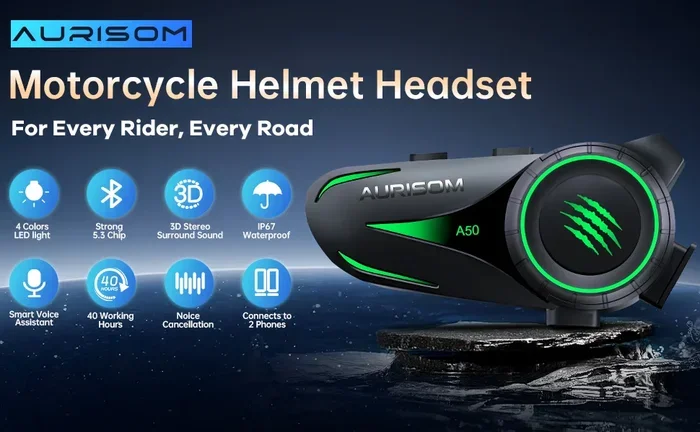
Then there is the battery. Most helmet speakers use rechargeable lithium-ion batteries. These batteries power the Bluetooth module and the speakers. A good battery can last anywhere from 8 to 15 hours on a single charge, depending on the volume level and features you use.
Finally, there is the control unit. This is where you manage your audio. It might be a small box tucked inside the helmet lining or a module attached to the cheek pads. From here, you can adjust volume, skip tracks, or answer calls. Some systems even let you adjust noise cancellation settings on the fly.
Bluetooth Pairing and Connectivity
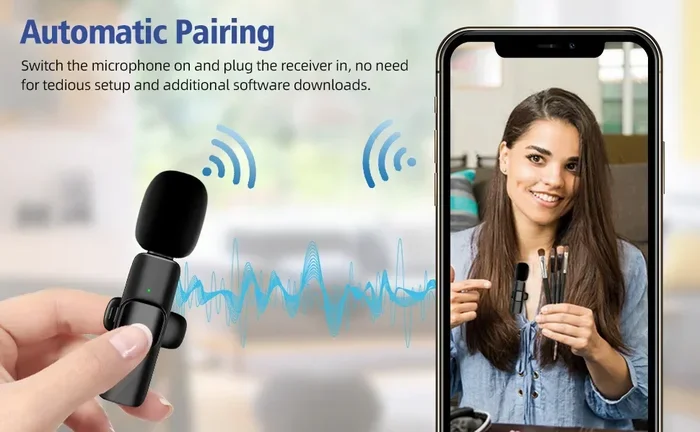
Pairing your phone to Bluetooth motorcycle helmet speakers is usually straightforward. You turn on the speakers, put them in pairing mode, and search for them from your phone’s Bluetooth settings. Once connected, the speakers maintain a wireless link within a range of about 30 feet. This means your phone can stay in your jacket pocket or saddlebag without losing the connection.
Bluetooth range can be affected by obstacles like helmet shells or other riders’ devices. In most cases, the connection stays strong and stable. But if you walk too far from your phone, the audio will cut out. This is normal behavior for any wireless audio device.
One thing to keep in mind is that Bluetooth can handle multiple connections. Some helmet audio systems let you pair two phones at once. This is great if you ride with a passenger and both want to take calls or share music. Just make sure your helmet speakers support this feature before you buy.
Types of Bluetooth Helmet Speakers
Not all Bluetooth motorcycle helmet speakers are the same. There are two main categories, and each has its own advantages. Understanding the difference helps you pick the right option for your needs.
Built-In vs. Aftermarket Speakers
Built-in speakers come pre-installed in the helmet. Many premium helmets from brands like Sena, Cardo, and Scala Rider include motorcycle communication systems right out of the box. These speakers are designed to fit perfectly inside the helmet shell. The sound quality is usually excellent because the manufacturer has optimized the fit and placement.
Aftermarket speakers, on the other hand, are add-ons you install yourself. They work with almost any helmet, whether it is a full-face, open-face, or modular design. Brands like JBL, Sena, and Scala Rider offer aftermarket helmet speakers that are easy to install. You simply attach them to the inside of the helmet using adhesive or clips.
If you already own a helmet you love, aftermarket speakers are a great way to add wireless streaming capability without buying a new helmet. They are also more affordable than built-in systems. However, the fit may not be as precise, and sound quality can vary depending on the helmet model.
Open-Ear vs. In-Ear Designs
Open-ear speakers sit on the outside of your ear or rest against the cheek area inside the helmet. They do not go into your ear canal. This design has a big advantage: you can still hear ambient sounds like traffic, sirens, and other riders. Riding safety is greatly improved with open-ear designs because your ears stay unobstructed.
In-ear designs work like regular earbuds. They go inside your ear canal and block out external noise. This can improve audio quality because there is less outside interference. But it also means you might miss important sounds on the road. If you choose in-ear speakers, keep the volume low and stay extra alert.
Many riders prefer open-ear designs for daily commuting. They offer a good balance between sound quality and awareness. For long highway rides, some riders like the immersive feel of in-ear speakers. It really comes down to personal preference and riding style.
Key Features to Look For
Not all helmet speakers are created equal. When shopping for Bluetooth motorcycle helmet speakers, there are several features you should consider. These features directly impact your riding experience and audio enjoyment.
Audio Quality and Speaker Drivers
The quality of the speaker drivers is what determines how your music sounds. Larger drivers generally produce richer bass and fuller sound. Smaller drivers may sound thinner but fit more easily inside tight helmets. Look for speakers with high-quality audio drivers rated at 10 watts or more for the best experience.
Audio quality also depends on how the speakers are positioned inside the helmet. Speakers placed near the ear tend to sound clearer. Those placed further away may lose some detail. If you can, try the speakers in the helmet before you buy them. This is the best way to judge the sound quality firsthand.
Battery Life and Charging
Battery life is a big deal for riders. You do not want your music cutting out halfway through a long ride. Most Bluetooth helmet speakers offer between 8 and 15 hours of playback. Some high-end models go even longer. The actual battery life depends on the volume level, whether you use noise cancellation, and if you take calls during the ride.
Charging options vary too. Most speakers use a USB cable for charging. Some come with magnetic charging docks that make it easy to top up the battery. Look for speakers that charge quickly so you are not stuck waiting hours before your next ride.
Noise Cancellation and Wind Reduction
Wind noise is one of the biggest challenges for helmet audio. At highway speeds, wind can drown out your music completely. That is why noise cancellation and wind reduction features are so important. Many motorcycle communication systems include microphones and algorithms that filter out wind noise.
Some helmets also have built-in windshields or deflectors near the speaker area. These reduce the amount of wind that reaches the speakers. If your helmet does not have this feature, you can add aftermarket wind deflectors. They are small, easy to install, and make a big difference in audio clarity.
Installing Helmet Speakers the Right Way
Installing Bluetooth motorcycle helmet speakers is not hard, but doing it right makes a huge difference in sound quality and comfort. A poor installation can lead to muffled audio, uncomfortable pressure points, or speakers that fall out mid-ride.
Step-by-Step Installation Guide
Follow these steps for a clean and effective installation:
- Choose the Right Spot: Place the speakers near your ears, against the cheek pads. The speaker should sit comfortably without pressing too hard against your head.
- Clean the Surface: Use rubbing alcohol to clean the inside of your helmet where the speakers will go. This helps the adhesive stick better.
- Attach the Speakers: Press the speakers firmly into place. Hold them for about 30 seconds to ensure a strong bond. If your speakers use clips or straps, secure them tightly but comfortably.
- Route the Wires: If your system has wires, tuck them along the inside of the helmet lining. Use adhesive clips or zip ties to keep them neat and out of the way.
- Connect and Test: Pair your phone to the speakers, play some music, and test the sound quality. Adjust the speaker position if needed for the best audio.
Common Mistakes to Avoid
One common mistake is placing the speakers too far forward or too far back. This throws off the sound balance and can cause discomfort. Another mistake is ignoring the wiring. Loose wires can snag on the helmet lining or pull the speakers loose over time.
Some riders also make the mistake of turning the volume too high. This is dangerous on a motorcycle because it blocks out important sounds from the environment. Keep the volume at a level where you can still hear traffic, horns, and other signals. If you want to learn more about safe Bluetooth audio use while riding, check out Can I Use Airpods While Riding A Motorcycle for helpful tips.
Safety Considerations for Riders
Enjoying music on a motorcycle is great, but safety always comes first. Bluetooth motorcycle helmet speakers can enhance your ride, but they can also be a distraction if used improperly. Here is what you need to keep in mind.
Staying Aware on the Road
The biggest concern with any helmet audio system is that it can block out important sounds. You need to hear horns, engines, and emergency vehicles. Open-ear speakers help solve this problem because they do not seal your ears. Even with open-ear designs, though, you should keep the volume at a reasonable level.
A good rule of thumb is the 60/60 rule. Keep the volume at no more than 60% of the maximum, and limit your listening time to 60 minutes at a stretch. This protects your hearing and keeps you aware of your surroundings. Taking breaks from audio also helps you stay focused on the road.
Legal Considerations
Laws about helmet speakers vary by state and country. Some places restrict the use of headphones or earbuds while riding. Others allow speakers that are built into the helmet or sit outside the ear canal. Before you ride with Bluetooth motorcycle helmet speakers, check your local laws to make sure you are compliant.
Even if it is legal in your area, use common sense. If you cannot hear what is going on around you, turn down the volume or take a break from the music. Your safety and the safety of others on the road always comes first.
Comparing Wireless Audio Solutions for Riders
There are several ways to listen to audio while riding. Each option has its pros and cons. Let us compare the most popular choices.
Bluetooth helmet speakers are the most popular option. They are designed specifically for motorcycle use, fit inside helmets, and offer good sound quality. They also tend to be more affordable than full communication systems.
Full communication systems like Sena or Cardo do more than play music. They include intercom features that let you talk to other riders. They also support hands-free calling and GPS navigation. If you ride with a group or need more than just audio, a full communication system is the way to go.
For those who want a simpler setup, Bluetooth headphones that are compatible with helmets can work too. However, regular headphones are not designed for motorcycle use and may not stay secure at high speeds. If you want to explore other Bluetooth audio options, you might find Can I Talk On The Phone With Bluetooth Headphones helpful for understanding Bluetooth audio versatility.
Some riders also explore Bluetooth transmitters for their existing car audio systems. While these are not designed for helmets, they show how Bluetooth connectivity has expanded across different devices. To learn more about adapting Bluetooth to various audio setups, you can check out Can I Make My Car Radio Bluetooth Capable for insights on Bluetooth adaptation.
Each option serves a different purpose. Your choice depends on your budget, riding habits, and what features matter most to you. For pure music on the road, dedicated helmet speakers are hard to beat. For group rides and communication, a full system is the better investment.
Maintaining Your Helmet Speakers
Taking care of your Bluetooth motorcycle helmet speakers ensures they last longer and sound great every ride. Proper maintenance is simple but makes a big difference.
After each ride, wipe down the speakers with a dry cloth. Sweat and rain can damage the electronics over time. If your speakers are removable, take them out and store them in a dry place. This prevents moisture buildup inside the helmet.
Charge the battery regularly, even if you have not used the speakers in a while. Lithium-ion batteries degrade faster when left completely drained. A quick charge after every few rides keeps the battery healthy and ready to go.
Check the speaker connections periodically. Loose wires or weak adhesive can cause audio dropouts. If you notice any issues, fix them right away before they get worse. A little maintenance goes a long way in keeping your helmet audio system in top shape.
Final Thoughts
Bluetooth motorcycle helmet speakers are a fantastic addition to any rider’s gear. They bring music, podcasts, and calls to life without the hassle of wires. Understanding how they work helps you make smarter buying and installation decisions. From Bluetooth connectivity and speaker drivers to battery life and safety, every detail matters.
Whether you choose built-in speakers or an aftermarket setup, the right helmet speakers can transform your rides. You get to enjoy wireless streaming of your favorite tunes while staying safe and aware of your surroundings. Just remember to keep the volume at a responsible level and follow local laws.
So go ahead, gear up, and hit the road with your favorite soundtrack playing. With the right Bluetooth motorcycle helmet speakers, every ride becomes a better ride. Happy trails!
Frequently Asked Questions
Can I Use Bluetooth Helmet Speakers on Any Helmet?
Yes, most Bluetooth motorcycle helmet speakers are designed to work with any helmet style, including full-face, open-face, and modular helmets. Aftermarket speakers come with adhesive or clips that fit inside different helmet types. However, make sure the speakers are compatible with your helmet’s interior lining for the best fit and sound quality.
How Long Does It Take to Pair Bluetooth Helmet Speakers?
The pairing process usually takes less than two minutes. You simply turn on the speakers, activate pairing mode, and search for the device from your phone’s Bluetooth settings. Once paired, the speakers remember your device and reconnect automatically the next time you turn them on.
Are Bluetooth Helmet Speakers Safe for Riding?
Yes, when used responsibly. Open-ear designs allow you to hear traffic and environmental sounds while enjoying your music. Keep the volume at a moderate level so you can stay aware of your surroundings. Always prioritize safety over audio enjoyment while riding.
What Is the Average Battery Life of Helmet Speakers?
Most Bluetooth helmet speakers offer between 8 and 15 hours of battery life on a single charge. The actual runtime depends on the volume level, whether noise cancellation is active, and if you use features like intercom or hands-free calling. Charging typically takes one to two hours.
Can I Answer Phone Calls with Helmet Speakers?
Yes, most Bluetooth motorcycle helmet speakers come with built-in microphones that support hands-free calling. You can answer, make, and end calls using the control unit on your helmet. The audio quality for calls is generally clear, though wind noise can sometimes affect it at higher speeds.
Do Helmet Speakers Work in the Rain?
Most helmet speakers have some level of water resistance, but they are not fully waterproof. Light rain is usually fine, but heavy rain or prolonged exposure to water can damage the electronics. If you ride in wet conditions frequently, look for speakers with an IP rating for water resistance and consider using a rain cover for your helmet.
=== CONCLUSION ===
Bluetooth motorcycle helmet speakers are more than just a cool gadget. They are a practical way to enjoy wireless audio while riding. From understanding the technology behind Bluetooth connectivity to choosing the right type of speaker, this guide has covered the essentials. Whether you go with built-in or aftermarket speakers, open-ear or in-ear designs, the right setup can make every ride more enjoyable.
Remember to prioritize safety, keep your volume at a reasonable level, and maintain your speakers regularly. With the right helmet speakers, you get the best of both worlds, great music and a safe ride. Now it is your turn, gear up and enjoy the ride.