How Do I Connect My Android Phone To My Normal Tv Via Usb
Connecting your Android phone to a normal TV via USB is easier than you think. You can mirror your screen, play videos, and share photos on a bigger display using just a USB cable and a few simple steps. This guide covers every method, from MHL adapters to USB OTG cables, so you can pick what works best for your setup. Whether you have a Samsung, Google Pixel, or any other Android device, you will find clear instructions here. Read on to turn your regular TV into a smart display powered by your phone.
Have you ever wanted to show something on your phone screen to a bigger audience? Maybe you want to watch a movie, share photos, or play a game on a television screen. The good news is that you can do this easily with a simple USB cable. Connecting your Android phone to a normal TV via USB opens up a world of possibilities without needing expensive smart TV features.
Many people assume they need a smart TV or a streaming device to display phone content. That is not true. A standard television with a USB port can work wonders when paired with the right cable or adapter. In this guide, we will walk you through every step. You will learn about different cables, adapters, and settings. By the end, you will know exactly how to get your Android phone connected to your TV and ready to go.
Key Takeaways
- USB Connection Is Possible: You can connect most Android phones to a normal TV using a USB cable, but the method depends on your phone and TV model.
- MHL and SlimPort Are Key Technologies: These adapters let you send video and audio from your phone to your TV through a standard USB connection.
- USB OTG Cables Work Too: An OTG adapter can help you plug your phone into a TV and display content directly.
- Check Compatibility First: Not all phones and TVs support USB video output, so verify your devices before buying any cables or adapters.
- Troubleshooting Is Simple: Most connection issues can be fixed by checking cable types, TV input sources, and phone settings.
- Wired Connections Are Reliable: Unlike wireless methods, USB connections offer stable, lag-free screen mirroring and media playback.
📑 Table of Contents
- Why Connect Your Android Phone to Your TV via USB?
- Understanding USB Connections for Android Phones
- Step-by-Step Guide to Connect Your Android Phone to a TV via USB
- Common Problems and How to Fix Them
- Best Cables and Adapters for Connecting Android to TV
- Tips for the Best Experience
- Expert Insights on USB Phone-to-TV Connections
- Key Takeaways
- Conclusion
Why Connect Your Android Phone to Your TV via USB?
There are many reasons why people want to connect their phone to a TV. Some want a bigger screen for watching videos. Others need to present slideshows or files during meetings. Whatever your reason, a USB connection offers several advantages over wireless options.
Stable and Reliable Connection
Wireless connections like Bluetooth or Wi-Fi can lag or drop. A USB cable provides a direct, stable link between your phone and TV. You get smooth video playback and clear audio without any interruptions. This is especially important when you are watching fast-moving videos or playing games.
No Extra Apps or Devices Needed
With a USB connection, you often do not need to install any special apps. Your TV can read media files directly from the USB port. This makes the whole process much simpler. You just plug in, select the right input, and start enjoying your content.
Charging While Using
Another great benefit is that your phone can charge while connected. Long video sessions can drain your battery quickly. A USB cable keeps your phone powered up so you can watch or share content for hours without interruption.
Understanding USB Connections for Android Phones
Before you grab a cable, it helps to understand how USB connections work with Android devices. Not all USB cables are the same. The type of connection you need depends on your phone model and what your TV supports.
Types of USB Connectors
Android phones use different USB connectors. The most common ones are Micro-USB and USB-C. Older phones usually have Micro-USB ports. Newer phones almost always use USB-C. You need to know which connector your phone has before buying any cable or adapter.
Here are the main USB connector types you will encounter:
- Micro-USB: Found on older Android phones. Flat and slightly asymmetrical shape.
- USB-C: Found on most modern Android phones. Reversible and oval-shaped.
- USB-A: The standard rectangular port found on TVs and computers.
What Is MHL Technology?
MHL stands for Mobile High-Definition Link. It is a technology that lets you send high-definition video and audio from your phone to your TV through a USB connection. Not all phones support MHL, but many Samsung and other Android devices do. You will need an MHL adapter or cable to use this feature. The adapter plugs into your phone and connects to your TV via an HDMI cable.
What Is USB OTG?
USB OTG stands for On-The-Go. It is a standard that allows devices to act as a host. In simple terms, this means your TV can read files from your phone through a USB cable. You will need a USB OTG adapter to make this work. These adapters are small, inexpensive, and easy to find online.
Step-by-Step Guide to Connect Your Android Phone to a TV via USB
Now that you understand the basics, let us get into the actual steps. The process is straightforward, but it does depend on the type of connection your phone supports. Follow these instructions carefully for the best results.
Step 1: Check Your Phone and TV Compatibility
First, check if your phone supports USB video output. Go to your phone settings and look for display options. Some phones have a “USB Tethering” or “MHL” option in the developer settings. Also, check your TV manual to see what types of USB connections it supports.
Here is a quick checklist to help you verify compatibility:
- Does your phone have a Micro-USB or USB-C port?
- Does your TV have a USB port that supports media playback?
- Does your phone support MHL or SlimPort?
- Do you have the right adapter or cable?
Step 2: Get the Right Cable or Adapter
Once you know your devices are compatible, buy the right cable or adapter. If your phone supports MHL, get an MHL adapter. If you just want to transfer files, a USB OTG cable will work. Make sure the cable or adapter matches your phone connector type. A USB-C phone needs a USB-C adapter, and a Micro-USB phone needs a Micro-USB adapter.
Step 3: Connect the Cable to Your Phone
Plug the appropriate end of the cable into your Android phone. Make sure it clicks in securely. If you are using an adapter, connect the adapter to your phone first, then attach the other cable to the adapter.
Step 4: Connect the Other End to Your TV
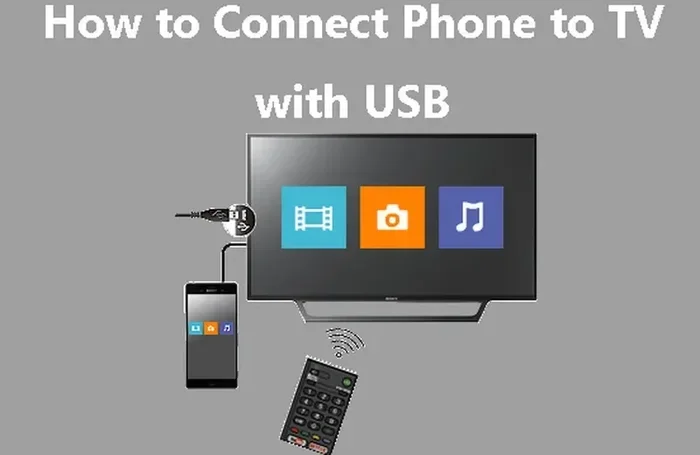
Plug the other end of the cable into your TV. If you are using an HDMI adapter, connect the HDMI cable from the adapter to your TV. If you are using a USB OTG cable, plug the USB end directly into your TV’s USB port.
Step 5: Change Your TV Input Source
Now pick up your TV remote and change the input source. Press the “Input” or “Source” button on your remote. Select the USB port or HDMI port you connected to. Your TV should now recognize your phone.
Step 6: Enable USB Debugging (If Needed)
Some phones require you to enable USB debugging before they will output video. Go to Settings, then About Phone, then tap Build Number seven times to unlock Developer Options. In Developer Options, turn on USB Debugging. This step is not always necessary, but it helps when your TV does not detect your phone.
Step 7: Start Sharing Your Screen or Playing Media
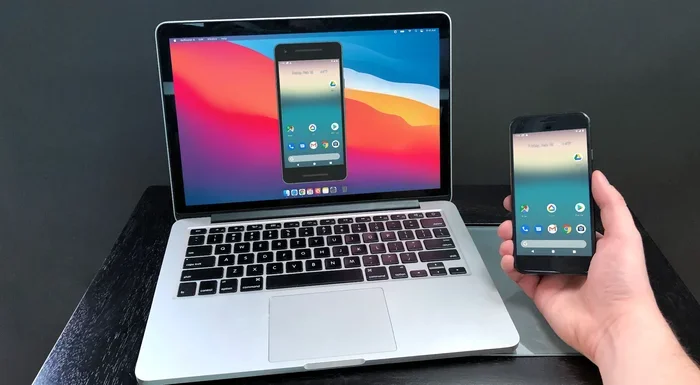
Once everything is connected, your phone screen should appear on the TV. If you just want to play media files, open your gallery or video player and select the file. The TV will display the content directly. If you want to mirror your entire screen, look for a screen mirroring option in your phone settings or notification panel.
Common Problems and How to Fix Them
Sometimes things do not go as planned. Do not worry. Most USB connection issues have simple fixes. Here are the most common problems and how to solve them.
TV Does Not Detect Your Phone
If your TV shows no signal or does not recognize your phone, try these steps. First, unplug the cable and plug it back in. Make sure both ends are firmly connected. Try a different USB port on your TV. Some TV USB ports only support external storage, not video output. If that does not work, restart both your phone and TV.
No Sound or Video Output
If you get a picture but no sound, check your TV audio settings. Make sure the volume is not muted and the correct audio output is selected. If you get sound but no picture, try a different HDMI cable or adapter. The cable might be faulty or incompatible.
Phone Does Not Charge While Connected
Some USB ports on TVs do not provide enough power to charge your phone. If your phone battery drops while connected, use a powered USB hub. This gives your phone the extra power it needs while still sending video to the TV.
Screen Mirroring Is Laggy
If the screen on your TV lags behind your phone, the cable might be damaged. Try a different cable. Also, close any apps running in the background on your phone. This frees up processing power and can improve performance.
Best Cables and Adapters for Connecting Android to TV
Not all cables are created equal. Using the right adapter or cable makes a huge difference in your experience. Here are some of the best options available.
Top Recommended Products
- Samsung MHL Adapter: Works great with Samsung Galaxy phones. Supports high-definition video and audio output through USB and HDMI.
- USB-C to HDMI Adapter: Perfect for modern Android phones with USB-C ports. Plug and play with no extra software needed.
- Micro-USB to HDMI MHL Cable: Ideal for older Android phones with Micro-USB ports. Compact and easy to carry.
- USB OTG Adapter: Best for file transfers and media playback. Affordable and widely available.
- Premium High-Speed HDMI Cable: A reliable HDMI cable ensures the best picture quality when using any adapter.
What to Look for When Buying
When shopping for cables or adapters, keep these tips in mind. Check that the product supports your phone model. Look for MHL or SlimPort compatibility if you want screen mirroring. Read customer reviews to avoid cheap, low-quality cables. Buy from reputable brands to ensure durability and performance.
| Cable/Adapter Type | Best For | Phone Compatibility |
|---|---|---|
| MHL Adapter | Screen mirroring and media playback | Samsung, select Android phones |
| USB-C to HDMI | Modern phones with USB-C | Most Android phones made after 2018 |
| USB OTG Cable | File transfer and media playback | Almost all Android phones |
| Micro-USB to HDMI | Older Android devices | Phones with Micro-USB port |
Tips for the Best Experience
Want to get the most out of your USB connection? Follow these simple tips to improve your experience every time you connect your phone to your TV.
Keep Your Cables in Good Condition
Inspect your cables regularly for fraying or damage. A worn-out cable can cause poor video quality or connection drops. Store your cables properly and avoid bending them at sharp angles.
Update Your Phone Software
Keep your Android phone updated to the latest software version. Updates often include fixes for connectivity issues and improve compatibility with external displays.
Use High-Quality Files
For the best picture and sound quality, use high-resolution media files. Low-quality videos will look blurry on a big TV screen. Stick to files in MP4 or MKV format for the best results.
Try Different TV Ports
If one USB port does not work, try another. Some TVs have multiple USB ports with different capabilities. The port labeled “Media Playback” or “Smart Hub” usually works best for phone connections.
Turn Off Battery Saver Mode
Battery saver mode can limit USB output on some phones. If your connection is not working, try turning off battery saver mode and try again.
Expert Insights on USB Phone-to-TV Connections
Technology experts agree that USB connections remain one of the most reliable ways to link an Android phone to a TV. While wireless options like Chromecast and Miracast are popular, a wired USB connection offers zero latency and no Wi-Fi dependency. This makes it ideal for presentations, gaming, and watching high-quality video content.
Experts also recommend checking your phone manufacturer’s website for specific compatibility information. Samsung, for example, provides a detailed list of MHL-supported devices. Google Pixel phones have shifted away from MHL support in recent years, so USB-C to HDMI adapters are the go-to solution for those devices. Always verify your phone model before purchasing any adapter or cable.
Key Takeaways
- USB connections are reliable: A wired USB link between your Android phone and TV offers stable, lag-free screen sharing and media playback without depending on Wi-Fi.
- MHL and USB OTG are the main methods: MHL adapters send video and audio, while USB OTG cables let your TV read media files directly from your phone.
- Check compatibility first: Not all phones and TVs support USB video output, so verify your device specifications before buying any accessories.
- Get the right cable or adapter: Match your cable type to your phone’s port (Micro-USB or USB-C) and your TV’s input options (USB or HDMI).
- Troubleshooting is straightforward: Most issues resolve with a simple cable swap, input source change, or restart of both devices.
- Wired is better for critical tasks: For presentations, gaming, or watching important videos, a USB wired connection beats wireless every time.
Conclusion
Connecting your Android phone to a normal TV via USB is a simple and effective way to enjoy your favorite content on a bigger screen. Whether you want to watch movies, share photos, or give a presentation, the right USB cable or adapter makes it all possible. You do not need a smart TV or an expensive streaming device. Just follow the steps in this guide, and you will be up and running in minutes.
Remember to check your phone and TV compatibility first. Get the right adapter for your phone model. And do not be afraid to troubleshoot if something does not work right away. With the right setup, your regular TV becomes a powerful display powered by your Android phone. Try it today and enjoy the bigger screen experience you have been missing.
Frequently Asked Questions
Can I connect any Android phone to a TV via USB?
Most Android phones can connect to a TV via USB, but the method depends on your phone model and TV capabilities. Newer phones with USB-C often use a USB-C to HDMI adapter. Older phones may need an MHL adapter or a USB OTG cable for media playback. Check your phone specifications to confirm which connection type it supports before buying any accessories.
Do I need a special cable to connect my Android phone to my TV?
Yes, in most cases you need a specific cable or adapter. A standard USB cable alone usually cannot transmit video from your phone to your TV. You will need an MHL adapter, a USB-C to HDMI cable, or a USB OTG adapter depending on your phone and TV ports. These adapters are affordable and widely available online and in electronics stores.
Why does my TV not recognize my Android phone when connected via USB?
There are several reasons why your TV might not detect your phone. The cable or adapter may be incompatible with your devices. The TV USB port might only support storage devices and not video output. Try switching to a different USB port on your TV, use a different cable, or enable USB debugging in your phone developer settings. Restarting both devices can also resolve detection issues.
Can I charge my phone while connected to the TV via USB?
It depends on your TV and the cable you are using. Some TV USB ports provide enough power to charge your phone while transmitting video. Others do not supply sufficient power. If your phone battery drains during use, consider using a powered USB hub or connecting your phone charger to a separate power outlet while the video cable is connected.
Is USB connection better than wireless screen mirroring?
Yes, a USB wired connection is generally better than wireless mirroring for most uses. It offers zero latency, a stable connection, and does not depend on Wi-Fi quality. Wireless options like Chromecast or Miracast can experience lag, buffering, or dropped connections. For presentations, gaming, or watching high-quality video, a USB wired connection provides a superior and more reliable experience.
What is the difference between MHL and USB OTG for connecting phones to TVs?
MHL (Mobile High-Definition Link) transmits both video and audio from your phone to your TV through a USB connection and an HDMI cable. It is designed for screen mirroring and media playback. USB OTG (On-The-Go) allows your TV to read files stored on your phone as if it were a USB drive. OTG is mainly for file access and media playback, while MHL provides full screen mirroring with audio support.