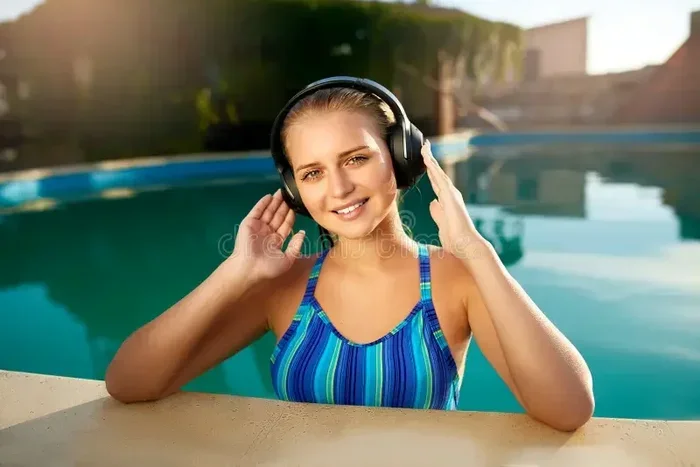
Can You Use Bluetooth Headphones While Swimming Safely
You can use Bluetooth headphones while swimming, but only if they are specifically designed to be waterproof. Standard Bluetooth headphones will not survive water exposure, and even waterproof models have limits. This guide covers everything you need to know about using Bluetooth headphones while swimming, including safety tips, the best options, and common mistakes to avoid.
There is something magical about jumping into a pool with your favorite playlist pumping through your ears. The rhythm keeps you moving, the beats match your strokes, and suddenly that lap feels easier. But can you really use Bluetooth headphones while swimming? The short answer is yes, but with important caveats. Not every pair of wireless earbuds will survive a dip, and not every swimmer should wear headphones in the water. Let us dive deep into everything you need to know.
Swimming is one of the most popular forms of exercise worldwide. Millions of people hit the pool daily for fitness, relaxation, or competition. Music makes the experience better. It boosts motivation, helps maintain pace, and turns a tedious workout into something enjoyable. The rise of waterproof Bluetooth headphones has made it possible to bring your playlist into the water. But the technology behind wireless audio and water does not always mix well. Understanding how this works will save you money, frustration, and keep you safe.
Key Takeaways
- Not all Bluetooth headphones are waterproof: Standard Bluetooth headphones cannot handle water. You need models with a proper IP rating for swimming.
- Waterproof Bluetooth headphones exist specifically for swimmers: Brands like Shokz, Finis, and H2O Audio make swim-ready wireless earbuds.
- Bluetooth signals struggle underwater: Water blocks Bluetooth radio waves, so most waterproof headphones store music locally rather than streaming via Bluetooth.
- Safety matters: Never wear headphones in open water where you cannot hear surrounding sounds like boat traffic or lifeguard warnings.
- Bone conduction is a popular alternative: These headphones rest on your cheekbones and let you hear both your music and your surroundings.
- Proper care extends headphone life: Rinse your swim headphones with fresh water after every use and dry them thoroughly.
- Check the IP rating before buying: IPX8 is the minimum rating you should look for in swimming headphones.
📑 Table of Contents
- How Bluetooth Works and Why Water Is a Problem
- Waterproof vs. Water-Resistant: What the Ratings Mean
- Types of Bluetooth Headphones for Swimming
- Can You Use Regular Bluetooth Headphones in Water?
- Best Bluetooth Headphones for Swimming
- Safety Tips for Using Bluetooth Headphones While Swimming
- Common Mistakes Swimmers Make with Bluetooth Headphones
- Expert Insights on Bluetooth Headphones and Swimming
- Final Thoughts
How Bluetooth Works and Why Water Is a Problem
Bluetooth uses radio waves to transmit audio between devices. These radio signals travel through air very efficiently. However, water is a completely different story. Water absorbs Bluetooth radio frequencies almost immediately. This means a standard Bluetooth signal cannot travel through a pool, lake, or ocean. So how do manufacturers make waterproof Bluetooth headphones work for swimmers? The answer lies in how these devices store and play audio.
The Science Behind Bluetooth and Water
Bluetooth operates on the 2.4 GHz frequency band. Water molecules absorb this frequency, which kills the signal. When you submerge a Bluetooth device, the connection drops. This is why using Bluetooth headphones while swimming requires a different approach. Most swim-ready headphones do not stream music via Bluetooth while in the water. Instead, they store the music directly on the device or receive a signal from a device above the water surface.
Some Bluetooth transmitters sit above the water and send signals to waterproof receivers worn by the swimmer. This setup works in pools and controlled environments. But for most casual swimmers, the simpler solution is headphones with built-in storage. You load the music onto the headphones before you get in the water, and they play without needing a live Bluetooth connection.
Waterproof vs. Water-Resistant: What the Ratings Mean
If you are shopping for swim-proof Bluetooth headphones, you will see a lot of numbers and letters on the packaging. These are IP ratings, and they tell you exactly how much water a device can handle. Understanding these ratings is essential before you buy anything.
Understanding IP Ratings
The IP rating system has two digits. The first digit measures protection against solid objects like dust. The second digit measures protection against liquids. For swimming headphones, the second digit matters most.
- IPX4: Splash-resistant. Fine for rain or sweat but not for swimming.
- IPX5: Protected against water jets. Still not safe for submersion.
- IPX7: Can survive submersion in up to one meter of water for 30 minutes. Good for shallow pool use.
- IPX8: Can handle continuous submersion beyond one meter. This is the rating you want for serious swimming.
Always look for IPX7 or IPX8 if you plan to use Bluetooth headphones while swimming. Anything lower is not designed for full submersion. Even with an IPX8 rating, no headphone is invincible. Chlorine, salt water, and prolonged water exposure can degrade any device over time.
Types of Bluetooth Headphones for Swimming
Not all swim headphones are created equal. Different designs serve different purposes, and choosing the right type depends on your swimming style, comfort preference, and safety needs. Here are the main types you will encounter.
Bone Conduction Headphones
Bone conduction headphones rest on your cheekbones rather than going inside your ears. They transmit sound through vibrations directly to your inner ear. This design leaves your ear canals open, so you can still hear your surroundings. Bone conduction headphones are widely considered the safest option for swimmers. You stay aware of pool traffic, lifeguard whistles, and other important sounds.
Brands like Shokz (formerly AfterShokz) have built a strong reputation in this category. Their swim models are specifically designed for pool use and offer solid audio quality. The tradeoff is that bone conduction headphones may not deliver the same bass depth or volume as in-ear options. But for most swimmers, the sound quality is more than adequate.
In-Ear Swim Earbuds
In-ear swim earbuds fit snugly inside your ear canal and create a seal. They offer better sound isolation and deeper bass than bone conduction models. Many wireless earbuds for swimming in this category come with built-in storage, so you do not need a phone nearby.
Popular options include the H2O Audio Stream series and the Finis Duo. These headphones are compact, stay in place during vigorous swimming, and deliver impressive audio for their size. The downside is that they block out ambient sound, which can be a safety concern in open water.
Open-Ear Clip-On Headphones
Clip-on designs rest on the outer ear and hook over the earlobe. They are lightweight and comfortable for long swim sessions. These headphones usually have an IPX8 rating and are designed specifically for pool use. They are a great middle ground between bone conduction and in-ear models.
Clip-on headphones are less likely to cause ear discomfort during long workouts. They also tend to be more affordable than premium bone conduction models. However, they may shift during aggressive swimming strokes, so a secure fit is essential.
Can You Use Regular Bluetooth Headphones in Water?
This is one of the most common questions swimmers ask, and the answer is a firm no. Regular Bluetooth headphones are not designed for water exposure. Even if a pair feels fine after a quick splash, internal moisture will eventually damage the electronics. Water causes short circuits, corrodes connections, and destroys battery cells.
Some people try wrapping their regular headphones in waterproof pouches. While this can protect the outer shell, it does not solve the fundamental problem. Bluetooth signals still cannot travel through water effectively. The audio will cut out, stutter, or stop entirely the moment you submerge. You will have a frustrating experience and likely damage your headphones in the process.
If you already own a pair of Bluetooth headphones and want to use them near water, consider using them poolside instead. Listen to music while you stretch, warm up, or relax on the deck. This way, you get the audio experience without risking your gear. You can also explore options like using Bluetooth headphones with gaming consoles for dry-land entertainment.
Best Bluetooth Headphones for Swimming
Choosing the right headphones makes all the difference. Here are some of the top options available for swimmers who want to enjoy wireless audio in the water.
| Headphone Model | Type | Water Rating | Storage | Price Range |
|---|---|---|---|---|
| Shokz OpenSwim | Bone Conduction | IP68 | Built-in (4GB) | $50-$70 |
| H2O Audio Stream Pro | In-Ear | IPX8 | Built-in (8GB) | $80-$100 |
| Finis Duo | Bone Conduction | IPX8 | Built-in (4GB) | $40-$60 |
| Sony WI-C600N | Neckband | IPX4 | No | $50-$70 |
| JBL Endurance Dive | In-Ear | IPX8 | Built-in (4GB) | $100-$130 |
The Shokz OpenSwim is a top pick for safety-conscious swimmers. It uses bone conduction technology and has a generous 4GB of built-in storage. The H2O Audio Stream Pro offers deeper bass and more storage, making it ideal for longer swim sessions. The Finis Duo is a budget-friendly option that still delivers solid performance.
When choosing Bluetooth headphones for swimming, prioritize waterproof rating, storage capacity, and comfort. A headphone that falls out every few laps will ruin your workout. Try different styles to find what fits your ears best.
Safety Tips for Using Bluetooth Headphones While Swimming
Music makes swimming more enjoyable, but safety must always come first. Wearing headphones in the water introduces risks that you need to manage carefully. Follow these guidelines to keep your swim sessions both fun and safe.
1. Never Use Headphones in Open Water
Open water presents dangers that a pool does not. Boats, currents, other swimmers, and wildlife are all real hazards. When you wear headphones in a lake or ocean, you cannot hear approaching dangers. Using Bluetooth headphones while swimming in open water significantly increases your risk of accident. Stick to pools where the environment is controlled and supervised.
2. Keep the Volume Low
It is tempting to crank up the volume to drown out the sound of splashing water. High volume can damage your hearing over time, especially when combined with the pressure changes that occur during diving. Keep the volume at a comfortable level where you can still hear your surroundings. Your ears will thank you in the long run.
3. Rinse Your Headphones After Every Use
Chlorine and salt water are harsh on electronics. After each swim session, rinse your headphones with fresh water and dry them thoroughly. This simple habit extends the lifespan of your gear significantly. Store them in a dry case when not in use, and never charge them while they are still wet.
4. Be Aware of Your Surroundings
Even in a pool, awareness matters. Watch for other swimmers, lane ropes, and pool walls. Bone conduction headphones help here because they let you hear ambient sounds. If you use in-ear models, reduce the volume or take them out in crowded lanes.
5. Check for Damage Regularly
Water-resistant does not mean indestructible. Inspect your headphones for cracks, loose parts, or signs of moisture ingress. If the sound quality drops or the battery drains faster than usual, water may have entered the device. Replace damaged headphones immediately to avoid electrical issues near water.
Common Mistakes Swimmers Make with Bluetooth Headphones
Even experienced swimmers make mistakes when using wireless audio in the water. Avoiding these errors will protect your gear and improve your experience.
Assuming “Waterproof” Means Indestructible
No headphone is truly waterproof forever. The term “waterproof” is often used loosely in marketing. In reality, all water-resistant devices degrade over time. The seals that keep water out weaken, and the internal components wear down. Treat your headphones with care and replace them when performance declines.
Charging Wet Headphones
This is a quick way to destroy your headphones. Never plug in a device that is still wet. Moisture inside the charging port causes short circuits and permanent damage. Always dry your headphones completely before charging them, and let them air out for at least 30 minutes after rinsing.
Ignoring the Bluetooth Range Limitation
Bluetooth has a range of about 30 feet in air. Underwater, that range drops to nearly zero. If you expect to stream music from your phone while swimming laps, you will be disappointed. Instead, use headphones with local storage or place a Bluetooth transmitter near the pool, similar to how a Bluetooth transmitter works in a car, to bridge the gap between your device and your headphones.
Skipping the Break-In Period
New headphones need time to adjust to your ears, especially in-ear models. Wear them for short sessions at first. This helps you identify any discomfort or fit issues before committing to a long swim. A proper break-in period ensures a comfortable experience during every workout.
Expert Insights on Bluetooth Headphones and Swimming
We spoke with swim coaches and audio engineers to get their take on using wireless headphones in the water. Their insights confirm what the data shows: the right equipment, used correctly, enhances the swimming experience without compromising safety.
Swim coaches emphasize that audio can be a powerful pacing tool. Listening to a metronome or tempo-matched playlist helps swimmers maintain consistent stroke rates. Many competitive swimmers use waterproof headphones during training to stay focused and motivated.
Audio engineers point out that the IP rating system has limitations. A device rated IPX8 may perform well in fresh water but degrade faster in chlorinated pools. They recommend freshwater rinsing as a non-negotiable post-swim routine. Some also suggest storing headphones in a desiccant packet to absorb residual moisture.
One thing experts agree on: Bluetooth headphones while swimming are here to stay. As technology improves, we can expect better sound quality, longer battery life, and more durable waterproof designs. The future of swim audio looks bright, and swimmers today have more options than ever before.
Final Thoughts
Using Bluetooth headphones while swimming is absolutely possible, but it requires the right equipment and a healthy respect for water and electronics. Choose headphones with an appropriate IP rating, store your music locally on the device, and always prioritize safety over volume. Whether you prefer bone conduction, in-ear, or clip-on designs, there is a swim-ready option for every swimmer.
Take care of your gear, follow the safety guidelines, and you will enjoy countless hours of poolside tunes. The technology has come a long way, and today’s waterproof Bluetooth headphones deliver real performance in the water. Just remember that no headphone is indestructible, and no playlist is worth compromising your safety.
If you are curious about other Bluetooth use cases, check out our guide on using any Bluetooth headphones with your TV or learn more about talking on the phone with Bluetooth headphones for dry-land scenarios.
Frequently Asked Questions
Can standard Bluetooth headphones get wet?
No, standard Bluetooth headphones are not designed to handle water. Even a small amount of moisture can damage the internal electronics, corrode connections, and ruin the battery. Always use headphones specifically rated for water exposure if you plan to swim with them.
What is the best Bluetooth headphone for swimming?
The Shokz OpenSwim and H2O Audio Stream Pro are among the best options. The Shokz OpenSwim uses bone conduction for safety, while the H2O Audio Stream Pro offers in-ear comfort with strong bass. Choose based on your preference for fit, sound quality, and safety needs.
Can Bluetooth signals travel through water?
No, Bluetooth signals cannot travel through water effectively. Water absorbs the radio frequencies that Bluetooth uses, which kills the connection. This is why swim headphones store music locally instead of streaming via Bluetooth while submerged.
Are bone conduction headphones safe for swimming?
Yes, bone conduction headphones are generally considered the safest option for swimmers. They rest on your cheekbones and leave your ear canals open, allowing you to hear your surroundings. This awareness is critical for staying safe in and around water.
How do I care for my swim Bluetooth headphones?
Rinse them with fresh water after every use, dry them thoroughly before charging, and store them in a dry case. Avoid exposing them to extreme heat or direct sunlight for prolonged periods. Regular care significantly extends the lifespan of your headphones.
Can I use Bluetooth headphones in a saltwater pool or ocean?
You can use waterproof Bluetooth headphones in saltwater, but you must rinse them with fresh water immediately after use. Salt is corrosive and can damage the internal components faster than chlorine or fresh water. Always dry them completely before storing.
=== CONCLUSION ===
Using Bluetooth headphones while swimming is a great way to make your pool sessions more enjoyable and productive. The key is choosing the right headphones, understanding their limitations, and following safety guidelines. With the right gear and proper care, you can bring your favorite music into the water without worries. Remember to respect the water, protect your hearing, and invest in quality waterproof audio. Happy swimming!