Can I Use A Bluetooth Transmitter For My Car Today
Yes, you can absolutely use a Bluetooth transmitter for your car, and it is one of the simplest upgrades you can make to your vehicle’s entertainment system. A Bluetooth transmitter for car lets you stream music, take hands-free calls, and enjoy wireless audio without replacing your factory stereo. Whether your car has an FM radio, AUX port, or USB slot, there is a Bluetooth transmitter solution that fits your needs and budget.
Have you ever sat in your car and wished you could play music from your phone without plugging in a cable? Maybe your car stereo is older, or it just does not have Bluetooth built in. Whatever the reason, the good news is that a Bluetooth transmitter for car can solve this problem fast and affordably.
So, can I use a Bluetooth transmitter for my car? The short answer is yes. These small devices plug into your car’s power source and audio input, then send music wirelessly from your phone to your speakers. It is one of the easiest car upgrades you can do today.
In this guide, we will walk you through everything you need to know. We will cover how these devices work, what benefits they bring, how to pick the right one, and how to set it up. By the end, you will feel confident choosing and using a Bluetooth transmitter in your vehicle.
Key Takeaways
- A Bluetooth transmitter works with almost any car: You do not need a fancy stereo system to enjoy wireless audio.
- Setup is quick and easy: Most devices pair in under two minutes with no tools required.
- You get hands-free calling and music streaming: This makes driving safer and more entertaining.
- Choose based on your car’s inputs: FM, AUX, and USB are the three main connection types to consider.
- Audio quality varies by model: Look for support of codecs like aptX for better sound.
- Common issues are easy to fix: Signal interference and pairing problems have simple solutions.
- Price ranges from $15 to $80: You can find a solid Bluetooth transmitter for car at almost any budget.
📑 Table of Contents
- What Is a Bluetooth Transmitter for Your Car?
- How Does a Bluetooth Transmitter Work?
- Benefits of Using a Bluetooth Transmitter in Your Car
- How to Choose the Right Bluetooth Transmitter for Your Car
- Step-by-Step Setup Guide
- Common Problems and How to Fix Them
- Quick Tips for Best Performance
- Expert Insights
- Comparison: FM vs. AUX vs. USB Bluetooth Transmitters
- Is a Bluetooth Transmitter Worth It?
- Conclusion
What Is a Bluetooth Transmitter for Your Car?
A Bluetooth transmitter is a small gadget that sends audio from your phone to your car speakers using wireless technology. Think of it as a bridge between your phone and your car’s sound system. It takes the audio signal from your device and broadcasts it to a receiver, which in most cases is your car stereo.
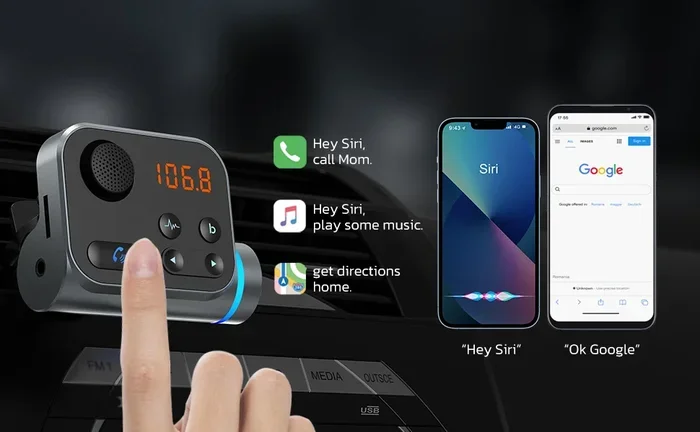
These transmitters are compact. Most are about the size of a thumb drive. You plug them into a power outlet or a cigarette lighter socket. Then you connect them to your car stereo through an FM frequency, an AUX cable, or a USB port. Once paired, your phone streams music directly to the car speakers without any wires.
How Is It Different from a Bluetooth Receiver?
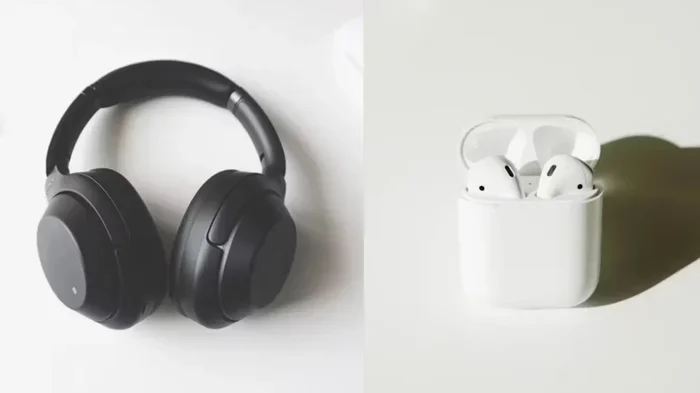
People often confuse a Bluetooth transmitter with a Bluetooth receiver. They do opposite jobs. A transmitter sends audio out from a device that lacks Bluetooth. A receiver pulls Bluetooth audio into a device that does not have wireless capability. For older cars without built-in Bluetooth, you need a transmitter. If your car has Bluetooth but your older headphones do not, you need a receiver.
For car use, a transmitter is almost always the right choice. It connects to your phone and sends audio to your car stereo. That is the setup most drivers need.
How Does a Bluetooth Transmitter Work?
The technology behind a Bluetooth transmitter for car is simpler than it sounds. Here is how it works in plain terms.
First, the transmitter connects to your phone through a Bluetooth pairing process. Your phone sees the transmitter as an available audio device. Once paired, the phone sends the audio signal to the transmitter.
Next, the transmitter sends that signal to your car stereo. How it does this depends on the connection type:
- FM Frequency: The transmitter broadcasts the audio on an unused FM radio frequency. You tune your car radio to that frequency, and the music plays through your speakers.
- AUX Input: The transmitter connects directly to your car stereo through a 3.5mm audio cable. This gives a cleaner signal than FM.
- USB Connection: Some transmitters plug into a USB port and connect digitally. This often provides the best audio quality.
The Bluetooth range for most car transmitters is about 30 feet. That means your phone can sit in your pocket, on the dash, or in a cup holder, and the connection stays strong.
Understanding Bluetooth Codecs
Not all Bluetooth transmitters are equal when it comes to sound quality. The reason comes down to something called a codec. A codec is the method used to compress and send audio data wirelessly.
Basic transmitters use the SBC codec. It works fine for casual listening. If you want better sound, look for a Bluetooth transmitter that supports aptX or aptX HD. These codecs deliver higher-resolution audio with less compression. The difference is noticeable, especially with songs that have a lot of detail.
Some premium models also support LDAC and AAC codecs. These are great for audiophiles who want the best possible wireless sound in their car.
Benefits of Using a Bluetooth Transmitter in Your Car
Adding a Bluetooth transmitter for car brings several real advantages. Here is why so many drivers are making this simple upgrade.
1. Wireless Music Streaming
The biggest benefit is obvious: you get to stream music wirelessly. You can use Spotify, Apple Music, YouTube Music, or any app on your phone. The audio goes straight to your car speakers. No cables, no fuss, no fiddling with aux cords.
2. Hands-Free Calling
Safety matters when you drive. A good Bluetooth transmitter lets you take calls through your car speakers. You do not need to hold your phone. This keeps your hands on the wheel and your eyes on the road. Most transmitters also have a built-in microphone for clear call quality.
3. Works with Almost Any Car
Whether you drive a 2005 sedan or a 2023 SUV, a Bluetooth transmitter can work for you. As long as your car has an FM radio, an AUX port, or a USB input, you are good to go. This makes it one of the most universal car audio upgrades available.
4. Easy to Set Up and Use
You do not need to be a tech expert. Most Bluetooth transmitters pair in under two minutes. There are no complicated settings or software installs. Plug it in, pair your phone, and you are ready to go.
5. Charges Your Phone While You Drive
Many Bluetooth transmitters for car models include a USB charging port. This means your phone stays powered up during long drives. You do not have to worry about your battery dying while you are using navigation or streaming music.
How to Choose the Right Bluetooth Transmitter for Your Car
Not all transmitters are the same. Choosing the right one depends on your car, your needs, and your budget. Here is what to look for.
Connection Type
Think about what inputs your car stereo has. If you only have an FM radio, go with an FM transmitter. If you have an AUX port, an AUX-connected transmitter will give better sound. If your car has a USB input, a USB-connected model is the cleanest option.
Audio Quality
Check which Bluetooth codecs the transmitter supports. If sound quality matters to you, pick a model with aptX or aptX Low Latency support. These deliver noticeably better audio than basic SBC-only transmitters.
Multipoint Connection
Some Bluetooth transmitters support multipoint pairing. This means you can connect two devices at the same time. You might pair your phone and your tablet. You can switch between them without disconnecting and re-pairing. It is a nice feature for families or people who use multiple devices.
Battery Life and Power Source
Most car transmitters draw power from your vehicle’s 12V socket. They do not have a built-in battery. If you want a portable option that works outside the car too, look for a transmitter with a rechargeable battery. Just keep in mind that battery life varies, usually between 5 and 10 hours.
Extra Features
Some models come with extras like microphone buttons, volume controls on the device itself, or even built-in GPS navigators. Think about what features matter most to you. A simple, reliable transmitter often beats a cluttered one with features you will never use.
Step-by-Step Setup Guide
Setting up a Bluetooth transmitter for car is straightforward. Here is a simple walkthrough that works for most models.
- Plug the transmitter into your car’s 12V socket. It should power on automatically. Most models have a small LED light that blinks to show they are ready.
- Set your car stereo to an unused FM frequency. Pick a frequency with no local radio stations. Common choices are 87.5, 88.1, or 107.9. The transmitter will broadcast on this frequency.
- Match the frequency on the transmitter. Use the buttons on the device to set it to the same FM channel your stereo is tuned to.
- Open Bluetooth on your phone. Search for available devices. The transmitter should appear in the list.
- Tap to pair. Once connected, you will hear a confirmation tone or see a solid LED light on the transmitter.
- Start playing music. Open your music app and hit play. The audio should come through your car speakers.
That is it. The whole process takes less than five minutes. If you are using an AUX or USB connection instead of FM, the steps are even simpler. Just plug in the cable and pair the device.
Common Problems and How to Fix Them
While Bluetooth transmitters are reliable, you may run into a few hiccups. Here are the most common issues and their solutions.
Static or Poor Audio Quality
Static noise is the most common complaint. It usually happens with FM transmitters because of signal interference from nearby radio stations. The fix is simple: try a different FM frequency. Move to a spot on the dial with fewer local stations. If you are in a crowded city, this can be tricky. In that case, switch to an AUX or USB connection for cleaner sound.
Bluetooth Pairing Fails
If your phone will not connect, try these steps:
- Turn off Bluetooth on your phone, wait five seconds, and turn it back on.
- Delete the transmitter from your phone’s Bluetooth memory and re-pair.
- Make sure the transmitter is in pairing mode. Most devices have a dedicated button for this.
- Move your phone closer to the transmitter. Distance can weaken the signal.
No Sound at All
Check a few things first. Is the volume turned up on both your phone and your car stereo? Is the transmitter properly plugged in? Sometimes the audio input setting on your car stereo is set to the wrong source. Switch it to FM, AUX, or USB depending on your connection type.
Interference from Other Devices
Other electronics in your car can cause signal interference. USB hubs, phone chargers, or even dash cameras can disrupt the Bluetooth signal. Try unplugging other devices to see if the sound improves. Using a high-quality transmitter with good shielding can also help reduce this problem.
Quick Tips for Best Performance
Here are some practical tips to get the most out of your Bluetooth transmitter for car:
- Keep your firmware updated. Some models allow firmware updates that improve performance and fix bugs.
- Place the transmitter close to your car stereo. This reduces signal loss and improves audio quality.
- Use a high-quality AUX cable if possible. Even with a wireless transmitter, a good cable for the connection point matters.
- Avoid placing your phone in the glove box. The metal and distance can weaken the Bluetooth signal.
- Clean the USB and AUX ports in your car regularly. Dust and debris can cause connection problems.
- Turn off Bluetooth on devices you are not using. This reduces clutter and helps your transmitter stay connected to the right device.
Expert Insights
Automotive audio experts consistently recommend Bluetooth transmitters as the most cost-effective way to add wireless capability to any car. According to car audio professionals, the key is matching the transmitter to your car’s specific inputs. An FM transmitter works fine for quick, budget-friendly setups. But for daily use and better sound, an AUX or USB-connected model is the better long-term choice.
Experts also emphasize the importance of codec support. If you invest in a Bluetooth transmitter with aptX or aptX HD, you will notice a meaningful difference in audio clarity, especially during complex tracks with lots of instruments and vocals. It is one of those upgrades where the difference is immediately obvious once you hear it.
Another tip from the pros: do not cheap out on the power supply. A stable power connection means a stable Bluetooth signal. Transmitters that use a direct 12V socket connection tend to perform better than those powered through USB ports alone.
Comparison: FM vs. AUX vs. USB Bluetooth Transmitters
Not sure which type of Bluetooth transmitter for car is right for you? Here is a quick comparison.
| Feature | FM Transmitter | AUX Transmitter | USB Transmitter |
|---|---|---|---|
| Connection Method | Wireless FM Frequency | 3.5mm Audio Cable | USB Digital Connection |
| Audio Quality | Good (some static possible) | Very Good | Excellent |
| Ease of Setup | Easy | Very Easy | Easy |
| Works on All Cars | Yes (if FM radio exists) | Yes (if AUX port exists) | Yes (if USB port exists) |
| Price Range | $15 – $40 | $20 – $50 | $25 – $80 |
| Signal Interference | Moderate to High | Low | Very Low |
As you can see, each type has its strengths. FM transmitters are the most versatile since nearly every car has an FM radio. AUX transmitters offer a big step up in sound quality. USB transmitters deliver the best digital audio but require a compatible USB port on your car stereo.
Is a Bluetooth Transmitter Worth It?
The answer depends on your situation. If you drive an older car without Bluetooth, a Bluetooth transmitter for car is an absolute no-brainer. It costs less than most phone accessories and transforms your driving experience. You get wireless music, hands-free calls, and a modern audio experience without replacing your entire stereo system.
Even if your car has Bluetooth but the connection is weak or the audio quality is poor, a dedicated Bluetooth transmitter can be a big improvement. These devices often have better antennas and stronger chips than the built-in Bluetooth modules in older car stereos.
For families, a multipoint Bluetooth transmitter is especially valuable. Kids can connect their tablets, passengers can share their playlists, and the driver stays connected for calls. It is a small device that makes a big difference in daily driving.
Bottom line: a Bluetooth transmitter is one of the best small upgrades you can make to your car. It is affordable, easy to install, and delivers real benefits every time you drive.
Conclusion
So, can I use a Bluetooth transmitter for my car? Absolutely. A Bluetooth transmitter for car is a simple, affordable, and effective way to bring wireless audio to any vehicle. Whether you choose an FM, AUX, or USB model, you will enjoy wireless music streaming, hands-free calling, and a more modern driving experience.
The setup takes minutes. The cost is minimal. And the benefits are immediate. From better audio quality to safer hands-free communication, a Bluetooth transmitter checks every box for drivers who want more from their car’s entertainment system.
Pick the right model for your car, follow the setup steps, and enjoy the upgrade. Once you go wireless in your car, you will wonder how you ever drove without it.
Frequently Asked Questions
Can I use a Bluetooth transmitter for my car if it does not have an AUX port?
Yes, absolutely. If your car does not have an AUX port, you can use an FM Bluetooth transmitter. It broadcasts the audio through an FM frequency that your car radio picks up. This works with any car that has a radio, which is nearly every car on the road.
Does a Bluetooth transmitter for car affect audio quality?
It depends on the model and connection type. FM transmitters may have slight static. AUX and USB transmitters deliver much cleaner sound. For the best audio quality, choose a transmitter that supports aptX or aptX HD codecs.
Can I use a Bluetooth transmitter and a Bluetooth receiver at the same time?
Yes, but it is not necessary for most setups. A transmitter sends audio from your phone to your car. A receiver does the opposite. You only need one or the other. For car use, a transmitter is what you want.
How far can my phone be from the Bluetooth transmitter while driving?
Most car Bluetooth transmitters have a range of about 30 feet. Your phone can sit in your pocket, on the dashboard, or in a cup holder and stay connected. Going beyond 30 feet may cause the signal to drop.
Is it legal to use a Bluetooth transmitter for hands-free calling while driving?
Yes, in most places it is legal and even encouraged. Hands-free calling keeps your hands on the wheel and your eyes on the road. However, always check your local laws. Some areas have additional restrictions on phone use while driving.
Can a Bluetooth transmitter charge my phone while streaming music?
Many models include a USB port that charges your phone while you stream. The charging speed varies by model. Some transmitters have fast-charge ports, while others provide a slower trickle charge. Check the product specs if charging speed matters to you.