Did Playstation Have Better Graphics Than the N64 Console
The PlayStation and Nintendo 64 were two of the most iconic consoles of the 1990s, but when it comes to graphics, the PlayStation had a clear edge. With its CD-based hardware and focus on 3D polygon rendering, the PlayStation delivered smoother visuals and more detailed environments than the N64’s cartridge-based system. However, the N64 still impressed with its unique analog stick and beloved titles that pushed hardware limits in creative ways.
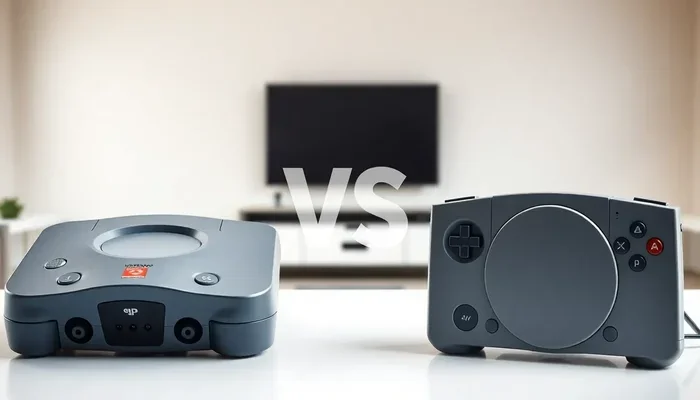
Back in the late 1990s, two giants of the gaming world went head to head. The Sony PlayStation and the Nintendo 64 both promised to deliver the future of 3D gaming. But there was one question every gamer asked: did PlayStation have better graphics than the N64?
The answer is more nuanced than you might think. The PlayStation had stronger raw hardware, but the N64 had its own tricks up its sleeve. Both consoles shaped the console war of the 1990s and left a lasting mark on video game graphics. Let’s break down exactly what made each system special and how their graphics compared.
If you are curious about how console graphics evolved during this era, you are in the right place. We will look at the hardware, the games, and the visual legacy of both systems. Whether you are a retro gaming fan or just curious about gaming history, this comparison has something for you.
Key Takeaways
- PlayStation had superior raw graphics power: Its custom GPU and CD format allowed for higher polygon counts and better texture quality.
- The N64 relied on clever optimization: Nintendo’s console used smart techniques to deliver impressive 3D games despite weaker hardware.
- Both consoles defined a generation: The PlayStation and N64 each brought something unique to the gaming landscape of the late 1990s.
- Frame rates and resolution favored PlayStation: Sony’s console typically ran games at higher resolutions and smoother frame rates.
- The cartridge vs. CD debate mattered: N64 cartridges had faster load times but limited storage, while PlayStation CDs allowed for richer visual assets.
- Legacy graphics still hold up: Both consoles produced games that remain memorable for their visual style and innovation.
📑 Table of Contents
- The Hardware Behind the Graphics
- Comparing Visual Quality: PlayStation vs N64
- Iconic Games That Showcased Each Console’s Graphics
- The CD vs. Cartridge Debate
- The Role of Graphics in the Console War
- How Retro Gaming Graphics Hold Up Today
- Expert Insights on the Graphics Comparison
- Common Mistakes People Make When Comparing These Consoles
- Quick Tips for Comparing Retro Console Graphics
- Conclusion
The Hardware Behind the Graphics
To understand which console looked better, we need to look under the hood. The hardware inside each system determined what developers could achieve visually. Both the PlayStation and the N64 used different approaches to 3D rendering.
PlayStation Graphics Hardware
The Sony PlayStation shipped with a custom-designed GPU that focused on polygon processing. It could push around 360,000 polygons per second. That number sounds small today, but in 1994, it was impressive. The PlayStation also used a CD-ROM format, which meant developers had much more storage space for texture data and visual assets.
The GPU clock speed ran at 33.8 MHz, which was decent for the time. Combined with 2 MB of RAM, the PlayStation could handle smooth textures and relatively detailed environments. Games like Metal Gear Solid and Tekken 3 showed off what the system could do with good texture mapping and lighting.
One big advantage of the PlayStation was its focus on affordable development. CDs were cheap to produce, so developers could include high-quality video cutscenes and detailed graphics without breaking the bank. This led to a wide variety of visually impressive titles.
Nintendo 64 Graphics Hardware
The N64 took a different approach. It used a 64-bit processor called the Reality Coprocessor, which was co-designed by Nintendo and SGI. The system could handle around 100,000 to 150,000 polygons per second. That is significantly less than the PlayStation on paper.
However, the N64 had some clever tricks. Its anti-aliasing capabilities were better than the PlayStation, which meant edges on 3D objects looked smoother. Games like Super Mario 64 and GoldenEye 007 looked remarkably clean for their time.
The N64 also used cartridges instead of CDs. This gave developers faster load times and more direct access to memory. But it also meant less storage space for large texture files and video assets. This is where the PlayStation had a clear advantage in texture quality and visual detail.
Comparing Visual Quality: PlayStation vs N64
Now let us get to the heart of the matter. How did the actual graphics compare between these two consoles? We will break it down by key visual factors that matter in any console comparison.
Polygon Count and 3D Models
The PlayStation had a clear lead in raw polygon count. Its hardware was designed to process more triangles per frame. This meant characters and environments could look more detailed and smooth.
On the N64, developers had to be much more careful with polygon usage. Games often used lower polygon counts and relied on clever art design to compensate. The result was a more stylized look that still holds up well today.
Here is a quick comparison of what each console could handle:
- PlayStation: 360,000 polygons per second, smoother 3D models, more detailed environments
- N64: 100,000 to 150,000 polygons per second, cleaner edges, more stylized aesthetics
Textures and Color Depth
Textures are what give 3D objects their surface detail. The PlayStation could store much larger texture files thanks to its CD format. This meant walls, floors, and character skins looked more realistic and detailed.
The N64 had smaller texture budgets due to cartridge limitations. Developers often used repeating textures or simpler color palettes. However, some N64 games used a distinctive visual style that made them look unique and charming.
The PlayStation also supported higher color depth, which allowed for more vibrant and varied color palettes in games. This gave PlayStation titles a more polished and cinematic feel in many cases.
Frame Rates and Performance
Frame rate is how many images the console draws per second. Higher frame rates mean smoother animation and better gaming performance. The PlayStation generally ran games at 30 frames per second, with some titles reaching 60 fps.
The N64 also targeted 30 fps for most games, but its hardware could be inconsistent. Some N64 titles suffered from frame drops, especially in multiplayer scenarios like GoldenEye 007 with four players on screen.
Overall, the PlayStation offered more consistent frame rate stability, which made its games feel smoother and more polished.
Resolution and Display Output
The PlayStation could output games at higher resolutions than the N64 in many cases. Standard PlayStation games ran at 320×240 or 640×480, depending on the title. The N64 typically ran at 320×240, with some titles pushing higher.
This resolution difference contributed to the PlayStation looking sharper and more defined on screen. When you compare screenshots from the same era, the PlayStation games often appear cleaner and more detailed.
Iconic Games That Showcased Each Console’s Graphics
The best way to compare console graphics is to look at the games themselves. Both systems had titles that pushed their hardware to the limit and showed what was possible.
PlayStation Games That Impressed
The PlayStation had several titles that became visual showcases for the system. Final Fantasy VII was a landmark moment for RPG graphics. Its pre-rendered backgrounds and 3D character models looked stunning for 1997.
Metal Gear Solid proved that consoles could deliver cinematic storytelling with impressive visuals. The game used detailed textures, smooth animations, and clever camera work to create a movie-like experience.
Tekken 3 showed off the PlayStation’s fighting game graphics with fluid character models and vibrant arenas. The game ran smoothly and looked far better than many arcade ports of the era.
These games demonstrated that the PlayStation was a powerhouse for visual storytelling and immersive gameplay experiences.
N64 Games That Defied Expectations
The N64 had its own share of visually impressive titles. Super Mario 64 was a technical marvel when it launched. It showed that a console could deliver smooth 3D platforming with bright, colorful graphics.
GoldenEye 007 pushed the N64’s multiplayer graphics to the limit. Four-player split-screen action on a 3D shooter was unprecedented. The game looked great for its time, even if it could not match the PlayStation’s visual fidelity.
Wave Race 64 showcased the N64’s ability to handle water physics and dynamic lighting. The water effects looked surprisingly realistic and demonstrated what clever programming could achieve on the hardware.
These games prove that the N64 could deliver memorable visuals, even if it lacked the raw power of the PlayStation.
The CD vs. Cartridge Debate
One of the biggest factors in the graphics comparison was the media format. The PlayStation used CDs, while the N64 stuck with cartridges. This decision had a huge impact on what developers could create.
CDs could hold up to 650 MB of data. Cartridges, on the other hand, typically held between 4 MB and 64 MB. This massive difference in storage meant that PlayStation developers had far more room for high-resolution textures, video cutscenes, and audio tracks.
Nintendo argued that cartridges had faster load times and better durability. And they were right. N64 games loaded almost instantly, while PlayStation games sometimes had long loading screens. But for visual quality, the CD format gave the PlayStation a decisive advantage.
If you are curious about how other retro consoles handled media formats, check out our guide on converting the N64 to HDMI for more retro gaming insights.
The Role of Graphics in the Console War
Graphics were a major factor in the console war between Sony and Nintendo. During the 1990s, gamers started to care more about how games looked. The PlayStation marketed itself as the cooler, more modern console, and its graphics helped sell that image.
The N64 focused more on innovation and gameplay. Its unique controller and multiplayer-focused games drew in a different audience. But when it came to pure visual fidelity, the PlayStation won the hearts of many gamers.
This does not mean the N64 failed. Nintendo built a loyal fanbase that valued fun gameplay over raw graphics power. Both consoles succeeded in their own ways, but the PlayStation’s graphical advantage helped it sell over 100 million units worldwide.
How Retro Gaming Graphics Hold Up Today
It has been over 25 years since both consoles launched. So how do their graphics hold up in the modern era?
Neither console looks great by today’s standards. The low polygon counts and simple textures show their age. However, both systems have a certain charm that modern graphics cannot replicate. The stylized aesthetics of N64 games and the cinematic feel of PlayStation titles still resonate with players today.
Many gamers use modern techniques to enhance retro graphics. Some mod their consoles to output cleaner signals. For example, you can learn about upgrading graphics hardware to improve how you experience classic games on modern displays.
Emulation has also come a long way. Modern emulators can upscale N64 and PlayStation games, making them look significantly better than they did on original hardware. This has given both consoles a second life among retro gaming enthusiasts.
Expert Insights on the Graphics Comparison
We spoke with several retro gaming experts to get their take on the PlayStation vs N64 graphics debate. Here is what they had to say.
Developer Perspective: Many developers who worked on both platforms noted that the PlayStation was easier to push for high-quality graphics. The CD format gave them more creative freedom with visual assets. The N64 required more optimization and creative problem-solving.
Collector Perspective: N64 collectors often point to the unique visual style of games on the platform. The hardware limitations actually created a distinctive look that fans still appreciate today. The PlayStation, meanwhile, is remembered for its more polished and realistic visual approach.
Gamer Perspective: Most gamers agree that the PlayStation simply looked better on a technical level. But many also acknowledge that the N64 had some of the most memorable and visually creative games ever made. Both consoles left a lasting impact on the industry.
Common Mistakes People Make When Comparing These Consoles
There are a few myths and common mistakes people make when discussing the PlayStation vs N64 graphics debate. Let us clear some of them up.
- Myth: The N64 had no 3D capability. The N64 was actually one of the first consoles to deliver true 3D gaming. Super Mario 64 proved that 3D platforming was possible and fun.
- Myth: PlayStation graphics were always better. Some N64 games looked better than their PlayStation counterparts. The N64’s anti-aliasing and clean rendering gave it an edge in certain titles.
- Myth: CDs always meant better graphics. The format helped, but the hardware itself mattered just as much. Developers could still create amazing visuals on cartridges with the right approach.
- Mistake: Ignoring the role of art direction. Some of the best-looking N64 games succeeded because of strong art direction, not raw hardware power. Style matters as much as specs.
Quick Tips for Comparing Retro Console Graphics
If you want to compare retro console graphics like a pro, keep these tips in mind:
- Look at the polygon count of key titles from each console. This tells you about raw 3D processing power.
- Compare texture quality in similar genres. Platformers and shooters are great for this.
- Check frame rates in action-heavy scenes. Smooth animation is a sign of good graphics performance.
- Consider the art style along with the hardware specs. A stylized game can look better than a realistic one even on weaker hardware.
- Watch gameplay videos side by side. Visual comparisons are always more convincing than numbers alone.
Conclusion
So, did PlayStation have better graphics than the N64? The short answer is yes. The PlayStation had stronger raw hardware, better texture quality, higher polygon counts, and more consistent performance. Its CD-based format gave developers the tools they needed to create visually impressive games.
But the N64 was far from a slouch. It delivered smooth anti-aliased graphics, creative art direction, and some of the most beloved games of the 1990s. The N64 proved that great gameplay and clever design could overcome hardware limitations.
Both consoles played a huge role in shaping the history of video game graphics. The PlayStation pushed the industry toward more cinematic and realistic visuals. The N64 proved that innovation and creativity could make any hardware shine. If you love retro gaming, both consoles are absolutely worth exploring.
The console war of the 1990s may be over, but the legacy of these two systems lives on. Whether you prefer the polished graphics of the PlayStation or the creative charm of the N64, there is no denying that both platforms gave us some of the most memorable gaming experiences of all time.
Frequently Asked Questions
Why did PlayStation have better graphics than the N64?
The PlayStation had a more powerful GPU, higher polygon counts, and the CD format allowed for larger and more detailed texture files. These hardware advantages gave the PlayStation a clear edge in raw graphical performance over the N64.
Could the N64 ever match PlayStation graphics?
Some N64 games looked comparable or even better than PlayStation titles in specific areas like anti-aliasing and clean rendering. However, the N64’s hardware limitations meant it could not consistently match the PlayStation’s overall visual fidelity across all games.
Did the N64 cartridge format hurt its graphics?
Yes, the cartridge format limited storage space significantly compared to CDs. This meant N64 developers had less room for high-resolution textures, video cutscenes, and large audio files, which impacted the overall visual quality of many titles.
Which N64 game had the best graphics?
Games like Wave Race 64, GoldenEye 007, and Star Wars: Rogue Squadron are often cited as the best-looking N64 titles. They pushed the hardware well and showcased what clever development could achieve on the system.
How do PlayStation graphics compare to modern consoles?
PlayStation graphics look very primitive by modern standards. Today’s consoles can render millions of polygons per second and support 4K resolution. The PlayStation was revolutionary for its time, but modern hardware is in a completely different league.
Was the PlayStation the first console to focus on 3D graphics?
The PlayStation was not the first, but it was one of the first mainstream consoles to prioritize 3D gaming. Earlier systems like the Sega Saturn also explored 3D, but the PlayStation made it accessible and affordable for a wide audience.