Dispose Directv Satellite Simple Steps for Safe Removal
Dispose Directv Satellite equipment the right way with this complete guide. You will learn safe removal steps, recycling options, and common mistakes to avoid. Whether you are canceling service or upgrading, this guide covers everything you need to know about Dispose Directv Satellite safely and responsibly.
The Dispose Directv Satellite process might feel overwhelming at first, but it really is simpler than most people think. Whether you are ending your DirecTV service, moving to a new home, or just upgrading your setup, you will need to know how to handle that old dish properly. Many folks leave their satellite equipment sitting on the roof for years, which creates both safety risks and ugly visual clutter. This guide breaks down every step of the Dispose Directv Satellite journey into clear, easy-to-follow instructions. By the time you finish reading, you will feel fully prepared to tackle the removal on your own or make smart choices about hiring help.
Removing a DirecTV satellite dish involves more than just unscrewing a few bolts. You need to think about safety, local regulations, recycling options, and what to do with the coaxial cables and mounting hardware left behind. The good news is that this guide covers all of those details and more. We will walk you through preparation, removal, recycling, and disposal in a way that anyone can follow. No special skills or expensive tools are required. Let us dive right in and get your old satellite dish taken care of the right way.
Key Takeaways
- Always disconnect power first: Turn off your receiver and unplug all cables before starting any removal work to stay safe.
- Check your contract details: Review your DirecTV agreement for early termination fees or equipment return requirements before you begin.
- Recycling is the best option: Sending your old dish to a recycling center keeps harmful materials out of landfills and supports eco-friendly disposal.
- You can DIY with basic tools: A wrench, screwdriver, and ladder are all you need to remove most satellite dishes from your roof or wall.
- Return all equipment to DirecTV: Failing to return receivers, remotes, and cables can result in extra charges on your final bill.
- Hire a pro if you are unsure: Professional removal services handle the job safely, especially for hard-to-reach installations on tall roofs.
📑 Table of Contents
- Why You Should Dispose of Your DirecTV Satellite Dish Properly
- Preparing for DirecTV Satellite Dish Removal
- Step-by-Step Guide to Remove Your DirecTV Satellite Dish
- Recycling and Disposal Options for Your Old Satellite Dish
- Common Mistakes to Avoid When Disposing of a DirecTV Satellite Dish
- Expert Tips for a Smooth Disposal Process
- What to Do With Leftover Satellite Dish Parts
- Conclusion
Why You Should Dispose of Your DirecTV Satellite Dish Properly
Some people wonder why proper disposal matters so much. After all, it is just an old metal dish sitting on the roof, right? Wrong. There are several important reasons why you should handle your Dispose Directv Satellite equipment carefully and responsibly.
Safety First
An old satellite dish left on your roof can become a hazard over time. Wind and weather can loosen the mounting bracket, and a heavy metal dish can become a falling danger. If you are planning to sell your home or rent it out, an unused dish can also create liability issues. Removing it promptly protects you, your family, and anyone who visits your property.
Environmental Responsibility
Satellite dishes contain metals like aluminum, steel, and sometimes copper wiring. When these materials end up in a landfill, they can leach harmful chemicals into the soil and water. Satellite dish recycling ensures that these metals are recovered and reused instead of wasted. Choosing to recycle satellite equipment is one of the easiest ways to reduce your environmental footprint.
Avoiding Extra Charges
DirecTV expects you to return certain equipment when you cancel your service. If you do not return receivers, remote controls, or cables, you may be charged replacement fees. These charges can add up quickly, sometimes costing you hundreds of dollars. Understanding what needs to be returned is a key part of the Dispose Directv Satellite process.
Preparing for DirecTV Satellite Dish Removal
Before you start climbing a ladder or grabbing tools, a little preparation goes a long way. Proper preparation makes the removal faster, safer, and much less stressful. Here is what you need to do before you begin.
Review Your DirecTV Contract
Start by checking your service agreement. Some DirecTV contracts include early termination fees if you cancel before the agreement ends. You should also look for any equipment return policies. Knowing your rights and obligations ahead of time prevents surprises later. Call DirecTV customer service if you have questions about your specific contract terms.
Gather Your Tools
You do not need a professional toolbox for this job. Most satellite dish removals require just a few basic tools. Here is a simple list to get you ready:
- Adjustable wrench for loosening mounting bolts
- Screwdriver set for removing screws and brackets
- Ladder tall enough to reach your roof safely
- Gloves to protect your hands from sharp edges
- Safety glasses to shield your eyes from debris
- Bucket or bag for collecting small parts and screws
Check the Weather
Never attempt to remove a satellite dish in rain, high winds, or icy conditions. Wet roofs are extremely slippery and dangerous. Choose a calm, dry day with good visibility. Morning hours are often best because the roof surface is dry and the temperatures are comfortable.
Turn Off All Equipment
Before you touch any cables, power down your DirecTV receiver completely. Unplug it from the wall outlet and disconnect the coaxial cable. This prevents any electrical issues and ensures that no signal is being transmitted while you work. It is a simple step that many people overlook, but it is essential for your safety.
Step-by-Step Guide to Remove Your DirecTV Satellite Dish
Now that you are prepared, it is time to actually remove the dish. Follow these steps carefully and you will have your old Dispose Directv Satellite equipment down in no time.
Step 1: Remove the Coaxial Cable
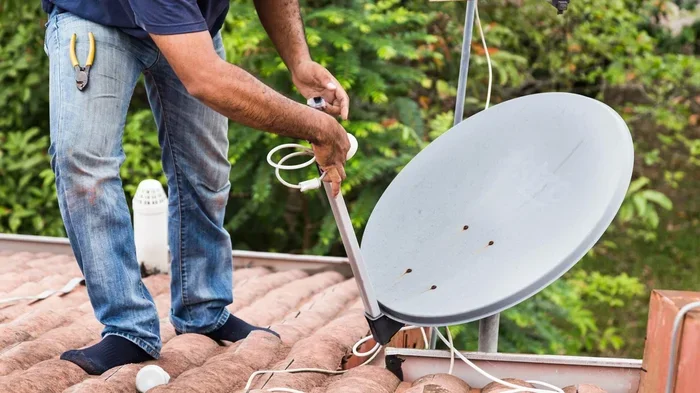
Start at the bottom of the installation. Locate the coaxial cable that connects your dish to the receiver inside your home. Use your wrench or hand to loosen the connector where it meets the dish. Carefully pull the cable free and set it aside. If the cable is tightly secured, do not force it. Instead, look for any clips or ties that may be holding it in place and remove those first.
Step 2: Detach the LNB and Feed Horn
The LNB, or Low Noise Block converter, is the arm that sticks out from the front of the dish. It is the part that actually captures the satellite signal. Use your wrench to loosen the bolt that holds the LNB in place. Gently pull it free and set it in your bucket. The feed horn, which is the small cone-shaped piece at the tip of the LNB, should come off easily once the LNB is detached.
Step 3: Unbolt the Mounting Bracket
Now you will focus on the dish itself and its mounting bracket. Most DirecTV dishes are secured with four to six bolts or screws. Use your adjustable wrench or screwdriver to loosen each one. Keep all the hardware in your bucket so nothing gets lost. Once all the bolts are loose, carefully lower the dish away from the roof or wall mounting surface.
Step 4: Remove the Mounting Bracket
With the dish removed, you will see the mounting bracket still attached to the roof or wall. This bracket is usually held in place with lag bolts or concrete anchors. Use your wrench to loosen and remove each bolt. If the bracket is stuck, a bit of penetrating oil can help loosen rusted bolts. Once all bolts are out, gently pull the bracket free and set it aside.
Step 5: Patch and Seal the Roof or Wall
This step is often forgotten but is very important. The holes left by the mounting bolts need to be sealed to prevent water leaks. Use roofing cement or caulk to fill each hole on the roof. For wall-mounted dishes, use exterior-grade filler and paint to cover the marks. Taking the time to patch these spots protects your home from water damage and keeps your property looking great.
Step 6: Clean Up and Dispose of All Parts
Finally, gather all the parts you removed. This includes the dish, LNB, feed horn, mounting bracket, bolts, and the coaxial cable. Sort these items into categories: metal parts for recycling, plastic pieces for proper waste disposal, and any electronics that need to be returned to DirecTV. A clean, organized approach makes the entire process much smoother.
Recycling and Disposal Options for Your Old Satellite Dish
Once the dish is off your roof, you need to decide what to do with all the parts. Throwing everything in the trash is not the best choice. There are much better options that are both environmentally friendly and often free or low-cost.
Recycling Centers
Many local recycling centers accept satellite dishes and other electronic waste. Aluminum and steel dishes are highly recyclable materials. Call your nearest recycling facility to confirm they take satellite equipment. Some centers even offer pickup services for large items, which makes the process incredibly convenient.
DirecTV Equipment Return Program
DirecTV has a formal equipment return program for customers who are canceling their service. You can request a return kit online or by calling customer service. The kit includes a shipping box and a prepaid label. Simply pack your receiver, remote, and any other DirecTV-branded equipment, and drop it at your nearest shipping location. This is the safest way to handle DirecTV equipment disposal and ensures you will not be charged for missing items.
Donation and Community Programs
Some community organizations and schools accept old satellite dishes for educational or community projects. A working dish can be repurposed for amateur radio operations or used in technology education programs. Check with local schools, ham radio clubs, or community centers to see if they have use for your old equipment. Donating is a great way to give your dish a second life.
Scrap Metal Dealers
If your dish is made of aluminum or steel, a scrap metal dealer may be willing to take it off your hands. Many dealers pay a small amount for scrap metal, and the dish can be melted down and reused in manufacturing. This option is especially worthwhile if you have multiple dishes to dispose of at once.
Common Mistakes to Avoid When Disposing of a DirecTV Satellite Dish
Even with the best intentions, people make mistakes during the disposal process. Knowing what to avoid can save you time, money, and frustration.
Skipping the Roof Patch
One of the most common mistakes is removing the dish and leaving the mounting holes unsealed. Over time, rainwater enters these holes and causes roof leaks, water damage, and even mold growth. Always patch every hole you create during the removal process. It is a small effort that prevents expensive repairs later.
Forcing Stuck Bolts
Rust and corrosion can make bolts extremely difficult to remove. Forcing them with too much pressure can break the bolt, damage the roof surface, or even cause injury. Apply penetrating oil and let it sit for several minutes before trying again. If a bolt still will not budge, it may be better to cut it off and use a new mounting bracket for any future installations.
Forgetting to Return Electronic Equipment
Many people focus on the physical dish and forget about the electronic components. DirecTV receivers, remotes, and cables all need to be returned or disposed of properly. Leaving these items behind can result in significant replacement charges on your final bill. Make a checklist of all equipment and verify each item is accounted for before you finalize the cancellation.
Ignoring Local Regulations
Some neighborhoods and homeowner associations have rules about satellite dish installations and removals. Before you start, check your HOA guidelines or local ordinances. In some cases, you may need to notify your HOA before removing a dish from your roof. Ignoring these rules can lead to fines or disputes with neighbors.
Not Wearing Safety Gear
Working on a roof or tall ladder without proper safety equipment is a serious risk. Always wear non-slip shoes, gloves, and safety glasses. If the roof is steep or high, consider hiring a professional instead of risking a fall. No satellite dish is worth a trip to the emergency room.
Expert Tips for a Smooth Disposal Process
Getting rid of an old DirecTV satellite dish does not have to be a headache. A few expert tips can make the entire process faster and easier. These insights come from experienced installers and homeowners who have handled dozens of removals.
Take photos before you start. Document the current installation with clear photos. This helps you remember how everything was connected and makes reassembly easier if you ever need to reinstall a new dish.
Label your cables. Use small pieces of tape to label each cable as you disconnect it. This prevents confusion later and ensures you reconnect everything correctly if needed.
Keep a disposal checklist. Write down every step as you complete it. This keeps you organized and ensures nothing gets missed. It also gives you peace of mind that the job is done right.
Contact DirecTV before you cancel. Call customer service at least a week before your planned removal date. Ask about any outstanding balance, return requirements, and equipment pickup options. This proactive approach saves time and avoids unexpected charges.
Consider professional help for multi-story homes. If your dish is installed on a tall roof or hard-to-reach area, a professional removal service is worth the investment. These experts have the right equipment and safety gear to handle the job quickly and safely.
What to Do With Leftover Satellite Dish Parts
After you remove the dish, you may find yourself with leftover parts that do not fit neatly into any category. Here is what to do with common leftover items.
- Mounting brackets: These are often reusable if they are in good condition. Store them in your garage or shed for future projects. Some people use them for mounting antennas or other equipment.
- Coaxial cables: Old coaxial cables can be reused for other TV or internet setups. If the cable is damaged, it can still be stripped for the copper wire inside, which has scrap value.
- Lag bolts and anchors: Save these in a small container for future DIY projects. They are useful for a wide range of home repair and installation tasks.
- Plastic and rubber components: These should go in your regular trash unless your local recycling program accepts mixed plastics. Check with your waste management provider for guidance.
The Dispose Directv Satellite process does not end when the dish comes off the roof. Proper handling of every leftover piece ensures a complete and responsible removal. Taking a few extra minutes to sort and store these parts makes a big difference in the long run.
Conclusion
Handling your Dispose Directv Satellite equipment does not have to be complicated or stressful. With the right preparation, basic tools, and a clear plan, you can safely remove your old dish and dispose of it responsibly. Remember to review your contract, gather your tools, follow each removal step carefully, and choose the best disposal option for your situation. Whether you recycle the metal parts, return electronics to DirecTV, or donate the dish to a local organization, you are making a smart and responsible choice. The key is to take your time, stay safe, and not skip any steps. A proper removal today saves you money, protects your home, and helps the environment for years to come.
Frequently Asked Questions
Can I remove my DirecTV satellite dish myself?
Yes, most homeowners can remove their DirecTV satellite dish with basic tools and a safe ladder. The process involves disconnecting cables, removing bolts, and carefully lowering the dish from the roof. If you are uncomfortable working at heights, it is best to hire a professional for the job.
What happens if I do not return my DirecTV equipment?
DirecTV may charge you replacement fees for any equipment that is not returned. These fees can range from $15 for a remote to over $150 for a receiver. Always check your final bill to confirm all equipment has been accounted for before closing your account.
Are there any fees for removing a DirecTV satellite dish?
DirecTV does not typically charge a fee for standard equipment return. However, if you hire a professional removal service, you will pay for that service separately. The cost varies by provider and location but usually ranges from $100 to $300 for a full removal job.
Can I recycle my old satellite dish for money?
Yes, scrap metal dealers often pay a small amount for aluminum and steel satellite dishes. The payout depends on current metal prices and the weight of the dish. Recycling centers may not pay for the dish, but they will accept it for free, which is a great eco-friendly option.
How long does it take to remove a DirecTV satellite dish?
For most homeowners, the entire removal process takes between 30 minutes and one hour. This includes disconnecting cables, removing the dish, unscrewing the bracket, and patching the roof. If the dish is in a hard-to-reach location or the bolts are rusted, it may take longer.
What should I do with the holes left in my roof after removal?
You should seal every hole with roofing cement or exterior-grade caulk. This prevents water from entering your home and causing leaks or structural damage. For best results, apply the sealant on a dry day and let it cure fully before the next rainstorm.