Do Airpods Have Bluetooth Multipoint And How It Works
Do Airpods Have Bluetooth Multipoint? The answer depends on your model. Newer AirPods Pro (2nd gen), AirPods Max, and select AirPods 3 support Bluetooth multipoint, letting you stay connected to two devices at once. This guide explains exactly how it works, which models qualify, and how to set it up in minutes.
If you are someone who juggles between a phone and a laptop throughout the day, you know how annoying it can be to constantly reconnect your earbuds. You are on a call on your computer, and your phone rings. You have to pause one, switch devices, and reconnect. It is a frustrating cycle that wastes time and breaks your flow.
This is exactly where Bluetooth multipoint comes in. The question many Apple users ask is simple: Do Airpods Have Bluetooth Multipoint? The short answer is yes, but only certain models. In this guide, we will walk you through everything you need to know. We will cover which AirPods support it, how the technology works, how to set it up, and what limitations you should be aware of.
By the end of this article, you will have a clear picture of whether your AirPods can handle dual-device connections. You will also learn practical tips to get the most out of this feature. Let us dive in.
Key Takeaways
- Not all AirPods support Bluetooth multipoint: Only AirPods Pro (2nd gen), AirPods Max, and AirPods 3 (with firmware updates) offer this feature.
- Bluetooth multipoint means dual-device connectivity: Your AirPods stay connected to two devices simultaneously without manual re-pairing.
- Automatic switching is different from multipoint: Apple’s device switching works within the same ecosystem, while multipoint bridges different ecosystems like Android and iOS.
- Setup is simple but requires specific steps: You need to connect to a second device through your iPhone or directly via Bluetooth settings.
- Battery life can be affected: Maintaining two connections uses slightly more power than a single connection.
- Older AirPods models do not support this feature: AirPods 1st gen, 2nd gen, and AirPods Pro (1st gen) lack Bluetooth multipoint capability.
📑 Table of Contents
- What Is Bluetooth Multipoint and Why Does It Matter?
- Which AirPods Models Support Bluetooth Multipoint?
- How Does Bluetooth Multipoint Work on AirPods?
- How to Set Up Bluetooth Multipoint on Your AirPods
- Benefits of Bluetooth Multipoint for AirPods Users
- Limitations and Things to Keep in Mind
- Common Problems with Bluetooth Multipoint and How to Fix Them
- How Bluetooth Multipoint Compares to Apple’s Automatic Switching
- Future of Bluetooth Multipoint in AirPods
- Final Thoughts
What Is Bluetooth Multipoint and Why Does It Matter?
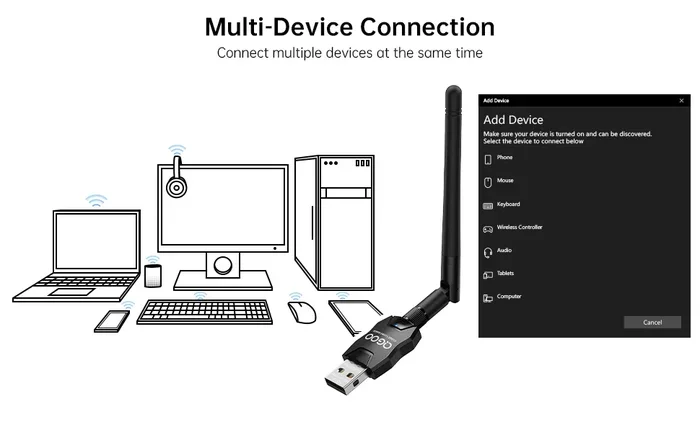
Bluetooth multipoint is a wireless technology that allows a single Bluetooth device to maintain active connections with two or more source devices at the same time. Think of it as having your earbuds plugged into two devices simultaneously. You do not need to disconnect from one to connect to another.
This technology has been around in the headphone industry for a while. Brands like Sony, Bose, and Jabra have offered multipoint support on many of their models. Apple was slower to adopt it, but recent AirPods models now include this capability.
Here is why it matters in everyday life:
- Seamless workflow: You can listen to music on your laptop while staying alert for phone calls on your iPhone.
- No re-pairing hassle: You skip the tedious process of disconnecting and reconnecting every time you switch devices.
- Better productivity: For remote workers and students, staying connected across devices saves significant time and frustration.
- Cross-ecosystem flexibility: Unlike Apple’s automatic switching, Bluetooth multipoint works across different ecosystems, including Android and Windows.
It is important to distinguish Bluetooth multipoint from Apple’s automatic device switching. Automatic switching lets your AirPods jump between your Apple devices seamlessly, but only within the Apple ecosystem. Bluetooth multipoint goes further by connecting you to devices from different ecosystems at the same time.
Which AirPods Models Support Bluetooth Multipoint?
Not every pair of AirPods comes with Bluetooth multipoint. Apple has rolled out this feature selectively. Here is a breakdown of which models support it and which do not.
AirPods Models That Support Bluetooth Multipoint
- AirPods Pro (2nd generation): This is Apple’s flagship wireless earbuds, and they fully support Bluetooth multipoint. Released in 2022, they feature the Apple H2 chip, which powers this capability.
- AirPods Max: Apple’s premium over-ear headphones also support Bluetooth multipoint. They share the H1 chip with earlier models but include multipoint as a standard feature.
- AirPods (3rd generation): These AirPods gained Bluetooth multipoint support through firmware updates. If your AirPods 3 are up to date, you should have access to this feature.
AirPods Models That Do NOT Support Bluetooth Multipoint
- AirPods (1st and 2nd generation): These older models lack the hardware and chip support needed for multipoint connections.
- AirPods Pro (1st generation): Despite being a popular choice, the first-generation AirPods Pro do not support Bluetooth multipoint.
- AirPods (4th generation): As of the latest information, the newer base AirPods 4 have not confirmed multipoint support in all regions and firmware versions.
If you are unsure whether your model supports Bluetooth multipoint, check your firmware version in the Bluetooth settings on your iPhone. Apple frequently adds features through software updates, so keeping your AirPods updated is always a good idea.
How Does Bluetooth Multipoint Work on AirPods?
Understanding the technical side of Bluetooth multipoint helps you appreciate what is happening behind the scenes. The technology is clever, but it is not magic. Here is how it works on AirPods.
When you pair your AirPods with two devices, the earbuds maintain two separate Bluetooth connections simultaneously. Each connection uses a different Bluetooth profile. One connection typically handles audio streaming, while the other stays in a low-power standby mode, ready to take over when needed.
Here is the step-by-step process:
- Primary connection: Your AirPods connect to your primary device (usually your iPhone) for audio playback and calls.
- Secondary connection: A second, lower-priority connection stays active with another device (like your iPad or Windows laptop).
- Automatic prioritization: When the secondary device needs audio (like an incoming call), the AirPods temporarily shift priority to that device.
- Seamless handoff: Once the secondary device finishes its task, the AirPods return to the primary connection without any input from you.
The H1 and H2 chips in newer AirPods make this possible by efficiently managing two Bluetooth radios at the same time. These chips handle the complex task of balancing battery usage while maintaining dual connections.
It is worth noting that Bluetooth multipoint on AirPods works slightly differently than on some competing headphones. Apple has optimized it for their ecosystem, so the experience feels smooth if you use multiple Apple devices. However, the feature also works with non-Apple devices, though you may need to set up the secondary connection manually.
How to Set Up Bluetooth Multipoint on Your AirPods
Setting up Bluetooth multipoint on your AirPods is straightforward, but the steps differ slightly depending on your model. Here is a detailed walkthrough.
Setting Up Multipoint on AirPods Pro (2nd Generation)
Apple has made the process relatively simple for AirPods Pro 2 users:
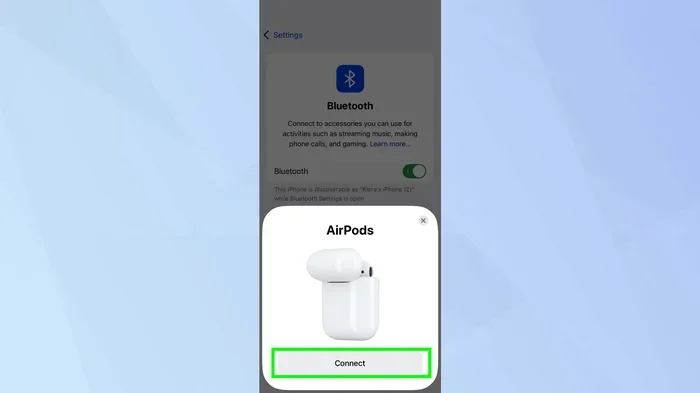
- Connect your AirPods to your iPhone as you normally would.
- Go to Settings > Bluetooth on your iPhone.
- Find your AirPods in the device list and tap the i icon next to them.
- Make sure Automatic Switching is turned on. This allows your AirPods to switch between your Apple devices.
- Now, connect your AirPods to your second device (like a Windows laptop or Android phone) through that device’s Bluetooth settings.
- Your AirPods will now maintain connections to both devices simultaneously.
That is it. You do not need any extra apps or software. The H2 chip handles everything in the background.
Setting Up Multipoint on AirPods Max
The setup for AirPods Max is very similar:
- Pair your AirPods Max with your iPhone or Mac first.
- Enable Automatic Switching in Bluetooth settings.
- Connect to your second device via Bluetooth.
- Both connections will remain active.
Setting Up Multipoint on AirPods (3rd Generation)
For AirPods 3, you may need to ensure your firmware is up to date:
- Place your AirPods in the charging case near your iPhone.
- Go to Settings > Bluetooth and check for updates.
- Once updated, follow the same pairing process as above.
Quick Tip: If you are having trouble getting the second device to connect, try turning Bluetooth off and back on both devices. Sometimes a simple refresh is all it takes to establish a stable dual connection.
Benefits of Bluetooth Multipoint for AirPods Users
Bluetooth multipoint adds real value to your daily routine. Here are the key benefits you can expect.
1. Effortless Device Switching
Imagine you are watching a movie on your laptop. Your phone rings. With Bluetooth multipoint, your AirPods automatically pick up the call without you lifting a finger. You answer the call, finish your conversation, and your AirPods seamlessly return to your laptop audio. No pausing. No reconnecting. No hassle.
2. Cross-Platform Compatibility
One of the biggest advantages of Bluetooth multipoint is that it works across different platforms. You can be connected to your iPhone and a Windows PC at the same time. Or your Mac and an Android tablet. This flexibility is a game-changer for people who work in mixed-device environments.
If you are wondering how Airpods compare to other wireless earbuds in terms of connectivity, check out Do Other Earbuds Work Well With Iphone for a detailed comparison.
3. Improved Productivity
For remote workers, Bluetooth multipoint means you can stay on a Zoom call on your computer while keeping your phone nearby for urgent messages. You do not have to choose between being productive and being reachable.
4. Better Audio Experience
Because you are not constantly disconnecting and reconnecting, you avoid the audio interruptions that come with switching Bluetooth devices. Your listening experience stays smooth and uninterrupted.
For those who use Airpods during physical activities, such as riding a motorcycle, Bluetooth multipoint can also enhance safety by keeping you connected to navigation on your phone while listening to audio on a separate device. Learn more in Can I Use Airpods While Riding A Motorcycle.
Limitations and Things to Keep in Mind
Bluetooth multipoint is fantastic, but it is not perfect. Here are some limitations you should know about before relying on this feature.
Battery Life Impact
Maintaining two Bluetooth connections uses more battery than a single connection. You may notice your AirPods drain slightly faster when multipoint is active. For most users, this difference is small and manageable, but it is worth being aware of.
Audio Quality Trade-offs
When both connections are active, your AirPods may not deliver the same high-quality audio as they would on a single dedicated connection. The difference is subtle for most people, but audiophiles might notice a slight dip in sound fidelity.
Connection Stability
Sometimes the secondary connection can be less stable than the primary one. If your second device is far away or has a weak Bluetooth signal, you might experience occasional audio dropouts on that device.
Limited to Two Devices
Apple’s implementation of Bluetooth multipoint on AirPods supports only two simultaneous connections. You cannot connect to three or more devices at once. If you need to switch to a third device, you will need to disconnect one of the current connections first.
Not All Features Work on Both Devices
Some features like spatial audio, adaptive transparency, and noise control may only work fully on the primary Apple device. The secondary connection might have limited functionality depending on the device and platform.
If you are using your Airpods for phone calls and need to talk while on the go, it is worth checking Can I Talk On The Phone With Bluetooth Headphones for helpful tips on call quality.
Common Problems with Bluetooth Multipoint and How to Fix Them
Even with the best technology, issues can pop up. Here are common problems and their solutions.
AirPods Not Connecting to the Second Device
This is the most common issue. Try these steps:
- Make sure Bluetooth is turned on for both devices.
- Forget the AirPods from the second device and re-pair them.
- Restart both devices and try again.
- Check that your AirPods firmware is up to date.
Audio Cutting Out Frequently
If your audio keeps dropping, try moving closer to the secondary device. Bluetooth range is typically about 30 feet, but walls and obstacles can reduce this distance significantly.
One Device Takes Priority Over the Other
If your AirPods keep defaulting to one device even when the other is playing audio, check your automatic switching settings. You may need to disable automatic switching temporarily and manually select the device you want to use.
Multipoint Feature Not Available After Update
Sometimes a software update can change your settings. Go to Bluetooth settings on your iPhone and check if multipoint or automatic switching has been toggled off. Re-enable it and see if the issue resolves.
Pro Tip: If you are using Airpods with a gaming console like the Nintendo Switch, you might need to check specific pairing guides. For example, Can I Pair My Airpods To My Switch offers detailed instructions for console pairing.
How Bluetooth Multipoint Compares to Apple’s Automatic Switching
It is easy to confuse Bluetooth multipoint with Apple’s automatic device switching. While they sound similar, they serve different purposes.
| Feature | Bluetooth Multipoint | Automatic Switching |
|---|---|---|
| Cross-ecosystem support | Yes (iOS, Android, Windows) | No (Apple devices only) |
| Simultaneous connections | Two devices at once | Switches between devices |
| Setup complexity | Manual pairing required | Automatic with iCloud |
| Supported models | AirPods Pro 2, AirPods Max, AirPods 3 | Most AirPods models |
| Use case | Mixed device environments | Apple-only environments |
The best part is that you can use both features together. If you are in an all-Apple household, automatic switching handles most of your daily switching. Bluetooth multipoint kicks in when you need to connect to a non-Apple device like a work laptop or a friend’s Android phone.
Future of Bluetooth Multipoint in AirPods
Apple continues to improve Bluetooth technology with each new generation of AirPods. The H2 chip in AirPods Pro 2 already offers better battery efficiency and stronger dual-device connections. Looking ahead, future AirPods models may support even more advanced multipoint features.
Rumors suggest that Apple is working on multi-device multipoint, which would allow connections to more than two devices simultaneously. This would be a huge upgrade for users who work across multiple devices throughout the day.
As Bluetooth standards evolve, we can also expect faster connection speeds and lower latency. This means better audio quality even when maintaining multiple connections. The future of wireless audio is exciting, and Apple is clearly investing in making the experience seamless.
Final Thoughts
So, do Airpods have Bluetooth multipoint? Yes, but only the newer models. If you own AirPods Pro (2nd generation), AirPods Max, or AirPods (3rd gen), you are in luck. You can enjoy the convenience of staying connected to two devices without the hassle of constant re-pairing.
Bluetooth multipoint is not just a fancy tech feature. It is a practical tool that fits naturally into how we work and live today. We switch between devices constantly, and our headphones should keep up with us. Apple finally made that possible with this feature.
If you are still on the fence about which AirPods to buy, consider Bluetooth multipoint as a deciding factor. It is one of those features that you do not realize you need until you have it. And once you do, going back to single-device connectivity feels like a step backward.
Take a moment to check your current AirPods model and firmware version. If you are eligible, setting up Bluetooth multipoint takes only a few minutes. Once it is working, you will wonder how you ever managed without it.
For more tips on getting the most out of your AirPods, explore our other guides on connectivity, charging, and troubleshooting. Enjoy your wireless audio experience!