Do Imax Use 2 Projectors And Here Is What You Need To Know
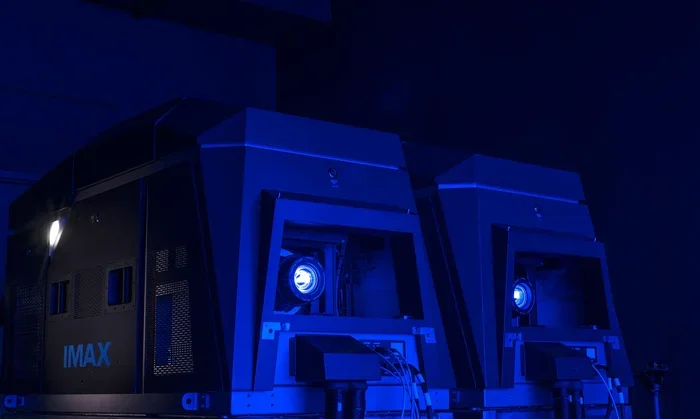
Yes, IMAX theaters use two projectors in many setups to create the stunning visuals you see on the big screen. The dual projector system boosts brightness, resolution, and color accuracy for a truly immersive experience. Whether you are visiting a traditional IMAX or the newer IMAX with laser, understanding how these projectors work helps you appreciate the technology even more.
Have you ever sat in an IMAX theater and wondered how the images on the screen look so incredibly sharp and bright? The answer lies in the projection technology. Many people ask, do IMAX use 2 projectors? The short answer is yes, in many cases they do. But the full story is much more interesting.
IMAX has been pushing the boundaries of cinema technology for decades. From the early days of 70mm film to the modern digital era, IMAX has always found ways to make movies look better. The dual projector setup is one of the most important innovations in their history. It changed how we experience films on the big screen.
In this article, we will explore everything you need to know about IMAX projection technology. We will look at how dual projectors work, why IMAX uses them, and what makes them different from regular theater setups. Whether you are a movie lover or a tech enthusiast, this guide has you covered.
Key Takeaways
- IMAX uses dual projectors in many theaters to deliver superior image quality and brightness.
- Traditional IMAX relies on 70mm film projectors, while modern IMAX uses digital dual projector setups.
- Two projectors work together to double the resolution and eliminate the need for a single bright lamp.
- IMAX with laser uses advanced dual projection for even better color and contrast.
- The dual system reduces eye strain and makes the viewing experience more comfortable for audiences.
📑 Table of Contents
- What Is IMAX and Why Does It Matter?
- Do IMAX Use 2 Projectors? The Short Answer
- The History of IMAX Projection Technology
- IMAX with Laser vs. Traditional IMAX Projection
- How IMAX Dual Projectors Compare to Standard Theater Setup
- Why Does IMAX Use Two Projectors Instead of One?
- Tips for Getting the Most Out of Your IMAX Experience
- Common Misconceptions About IMAX Projectors
- The Future of IMAX Projection Technology
- Final Thoughts
What Is IMAX and Why Does It Matter?
IMAX stands for Image Maximum. It is a film format and projection standard designed to deliver the highest possible image quality. IMAX theaters are known for their massive screens, crystal-clear visuals, and powerful sound systems. The goal is simple: make you feel like you are inside the movie.
When IMAX first started, the technology was all about film. Today, IMAX uses a mix of film and digital projection. But the commitment to image quality has never changed. IMAX theaters undergo strict certification to make sure they meet the brand’s high standards. This includes screen size, sound quality, and of course, projector performance.
Many people confuse standard theaters with IMAX. The difference is huge. Regular theaters use one projector. IMAX often uses two. This simple change makes a massive difference in what you see on screen.
The IMAX Experience
Walking into an IMAX theater is different from walking into a regular cinema. The screens are taller and wider. The seats are angled for the best viewing position. And the projectors are powerful enough to fill that giant screen with a bright, clear image. The dual projector system plays a big role in making all of this possible.
Do IMAX Use 2 Projectors? The Short Answer
Yes, many IMAX theaters use two projectors. But not all IMAX setups are the same. The number of projectors depends on the type of IMAX theater and the technology it uses. Let us break this down.
In a traditional IMAX theater that shows 70mm film, two projectors are standard. Each projector handles half of the image. They switch back and forth so fast that your eyes see one continuous picture. This is called interlocking. It is a clever trick that doubles the brightness and resolution.
In modern IMAX digital theaters, dual projectors are also common. These digital projectors work together to create a single, massive image. The result is a picture that is brighter and sharper than what a single projector could produce. This is why IMAX movies look so much better than regular movies.
How Dual Projection Works
So how do two projectors create one image? In a dual projection setup, both projectors display the same frame at the same time. The light from both projectors combines on the screen. This doubles the brightness. It also means that each projector does not have to work as hard, which can extend the life of the equipment.
For film-based IMAX, the two projectors alternate between frames. One projector shows the odd frames, and the other shows the even frames. This happens so quickly that the human eye cannot tell there are two separate images. The result is a smooth, flicker-free picture that fills your entire field of view.
For digital IMAX, both projectors display the same image simultaneously. The combined light output creates a much brighter picture. This is especially important in IMAX theaters with large screens that need a lot of light to look their best.
The History of IMAX Projection Technology
IMAX was founded in 1967 by a group of Canadian filmmakers and technologists. Their goal was to create a new kind of cinema that was bigger, brighter, and more immersive. The first IMAX theater opened at the 1970 World Expo in Osaka, Japan. It used a single 70mm projector mounted horizontally. This was a big deal at the time.
But the single projector had its limits. The image was bright, but the resolution and screen size were constrained by what one projector could handle. IMAX engineers knew they needed something more. That is when the dual projector idea came to life.
The Move to Dual Projectors
By the 1980s, IMAX started using dual projector systems in its theaters. The idea was simple but brilliant. Use two projectors instead of one. Each projector handles part of the workload. This means the image is brighter, the resolution is higher, and the overall quality is much better.
The dual projector system became the standard for IMAX theaters around the world. It remained the go-to technology for decades. Even as digital projection took over in regular theaters, IMAX stuck with dual projectors because the results were simply unmatched.
Today, IMAX continues to innovate. The introduction of IMAX with laser brought even more advances. But the core idea of using two projectors remains central to the IMAX experience.
IMAX with Laser vs. Traditional IMAX Projection
IMAX with laser is the newest chapter in IMAX projection technology. It uses dual laser projectors instead of traditional film or digital lamp-based projectors. The result is a picture that is brighter, more colorful, and sharper than ever before.
Laser projectors offer several advantages over traditional lamps. They produce a wider color gamut, which means more vivid and realistic colors. They also last longer and require less maintenance. IMAX with laser theaters are becoming more common around the world, and movie lovers are loving the upgrade.
Brightness and Contrast
One of the biggest advantages of IMAX with laser is the brightness. Dual laser projectors produce an incredibly bright image that stays vivid even on the largest screens. The contrast is also much better. Dark scenes look deeper and more detailed. Bright scenes look stunning without being washed out.
Traditional IMAX projectors using lamps also produce great images. But laser takes it to the next level. The colors are richer, the blacks are darker, and the overall picture quality is simply incredible.
Resolution and Detail
Dual projectors, whether laser or digital, help increase the effective resolution of the image. With two projectors working together, the combined output is sharper and more detailed. You can see textures, fine details, and subtle color gradients that would be impossible with a single projector.
This is especially noticeable in IMAX films that are shot with IMAX cameras. The level of detail is extraordinary. Every frame looks like a work of art.
How IMAX Dual Projectors Compare to Standard Theater Setup
To really understand why IMAX uses two projectors, it helps to compare it to a standard theater setup. Most regular cinemas use a single projector mounted at the back of the room. The image is projected onto a screen that is much smaller than an IMAX screen. The projector has to do all the work on its own.
IMAX theaters, on the other hand, use a much larger screen. A single projector would struggle to fill that screen with a bright, clear image. That is why IMAX uses two. The combined output is enough to create a picture that is bright and vivid across the entire massive screen.
If you are comparing a home projector setup to an IMAX experience, the difference is even more stark. You might use a projector like those used for Halloween decorations or home movie nights. But even the best home projectors cannot match the power of a dual IMAX projection system.
| Feature | Standard Theater | IMAX Theater |
|---|---|---|
| Number of Projectors | 1 | 2 |
| Screen Size | Standard | Giant |
| Brightness | Moderate | Very High |
| Resolution | 2K to 4K | Up to 8K equivalent |
| Color Range | Standard | Wide Color Gamut |
| Projection Technology | Single Digital Lamp | Dual Digital or Laser |
The table above shows just how much more powerful IMAX projection is compared to a standard setup. The dual projector system gives IMAX a clear advantage in every category.
Why Does IMAX Use Two Projectors Instead of One?
You might wonder why IMAX does not just use one super powerful projector. The answer comes down to physics and practicality. A single projector that could match the output of two projectors would be enormous. It would generate too much heat. It would use too much power. And it would be incredibly expensive to build and maintain.
Using two projectors is a smarter engineering solution. Each projector handles half the workload. They stay cooler. They last longer. And the combined output is better than what a single projector could achieve.
There is another reason too. Dual projectors provide redundancy. If one projector fails during a movie, the other can keep going. The audience might notice a slight dimming, but the show does not have to stop. This is important for IMAX theaters that run multiple shows a day.
Better Brightness Distribution
When two projectors work together, the light is spread more evenly across the screen. A single projector often has a bright spot in the center and dimmer edges. Dual projectors overlap in a way that creates a more uniform brightness across the entire screen. This means every seat in the theater gets a great view.
This is especially important in IMAX theaters where the screen curves around the audience. The projection system has to account for the shape of the screen and the viewing angles. Two projectors make this much easier to achieve.
Enhanced Color Accuracy
IMAX dual projectors are calibrated to work together with incredible precision. The color output from both projectors is matched perfectly. This creates a more accurate and consistent color palette across the entire screen. You see the colors the filmmaker intended, with no fading or shifting across the screen.
Tips for Getting the Most Out of Your IMAX Experience
Now that you know how IMAX projection works, here are some tips to make the most of your next IMAX visit.
- Sit in the center rows. The sweet spot for IMAX is usually in the middle of the theater. This gives you the best viewing angle and the most immersive experience.
- Choose IMAX with laser when available. The laser projection system offers the best picture quality. Look for this option when booking tickets.
- Watch IMAX-formatted films. Not all movies shown in IMAX theaters are actually shot in IMAX. Look for films that were filmed with IMAX cameras for the full experience.
- Arrive early. IMAX shows tend to fill up fast. Getting there early ensures you get the best seats.
- Turn off your phone. The bright screen of a phone can ruin the experience for you and others. Use airplane mode and enjoy the show.
Can You Use a Projector at Home to Get IMAX-Like Quality?
If you love the IMAX experience, you might wonder if you can recreate it at home. The truth is, a home projector setup can never fully match a true IMAX theater. But you can get closer with the right equipment. A high-quality projector with good brightness and resolution can create a great viewing experience. You can even connect a streaming device like a Roku to your projector for more content options.
Just keep in mind that the screen size, room lighting, and sound system all play a role. For the best results, create a dark room and invest in a good sound setup. It will not be IMAX, but it can still be a great way to enjoy movies.
Common Misconceptions About IMAX Projectors
There are several myths about IMAX projection technology that are worth clearing up. Let us look at some of the most common ones.
Myth 1: All IMAX theaters use the same projectors. This is not true. IMAX has different tiers of projection technology. Some theaters use film projectors. Others use digital projectors. And newer theaters use laser projectors. Each one offers a different level of quality.
Myth 2: Dual projectors mean double the ticket price. The technology is expensive, but it does not directly affect ticket prices. IMAX tickets cost more because of the overall experience, not just the projectors.
Myth 3: IMAX projectors are just bigger versions of regular projectors. IMAX projectors are specially designed and built for the IMAX format. They are not regular projectors that have been made bigger. The engineering and calibration are completely different.
Myth 4: You do not need dual projectors for digital IMAX. While some digital IMAX theaters use a single projector, the dual setup is the standard for the best IMAX experiences. The dual system delivers the brightness and resolution that IMAX is known for.
The Future of IMAX Projection Technology
IMAX continues to invest in new projection technologies. The future of IMAX projection is exciting. With advances in laser technology, 3D projection, and screen materials, the next generation of IMAX theaters will be even more impressive.
IMAX is also exploring ways to make the technology more accessible. Smaller IMAX theaters and IMAX Enhanced partnerships with home entertainment brands are bringing the IMAX experience to more people. The dual projector core technology will likely remain at the heart of IMAX for years to come.
One thing is for sure. IMAX has always been about pushing the limits of what cinema can be. The dual projector system is a perfect example of that philosophy. It is a technology that works, and it delivers results that audiences can see and feel.
Final Thoughts
So, do IMAX use 2 projectors? Yes, they do. And the reason is simple. Two projectors create a better image than one. The dual projection system is at the core of what makes IMAX theaters so special. From the brightness to the color to the detail, every aspect of the image benefits from having two projectors working together.
Whether you are watching a blockbuster action movie or a stunning nature documentary, the IMAX projection system makes sure every frame looks incredible. The next time you sit in an IMAX theater, take a moment to appreciate the technology behind the screen. Two projectors working in perfect harmony to bring the movie to life. That is the magic of IMAX.
Understanding how the technology works makes the experience even better. You are not just watching a movie. You are witnessing decades of innovation in cinema projection. And that is something truly special.
Now that you know the answer to do IMAX use 2 projectors, you can enjoy your next IMAX visit with a whole new appreciation for the technology. Grab some popcorn, find your seat, and let IMAX do what it does best.
Frequently Asked Questions
Why does IMAX use two projectors instead of one?
IMAX uses two projectors because a single projector cannot produce enough brightness or resolution to fill the massive IMAX screen. Dual projectors work together to double the light output and create a brighter, sharper image. This is essential for the immersive IMAX experience that audiences expect.
Are all IMAX theaters equipped with dual projectors?
Most IMAX theaters use dual projectors, but not all of them. Some older or smaller IMAX theaters may use a single projector. However, the dual projector setup is the standard for the best IMAX experiences, especially in IMAX with laser theaters.
What is the difference between IMAX film projectors and digital projectors?
Traditional IMAX film projectors use 70mm film and two projectors that alternate frames. Digital IMAX projectors use digital light sources and also work in pairs to create a single bright image. Laser IMAX projectors use laser light sources for even better color and brightness.
Can dual IMAX projectors be used for home theaters?
Dual IMAX projectors are designed for commercial theaters and are not practical for home use. However, you can use a high-quality single projector at home to get a similar experience. If you want to connect devices, you might explore options like using a USB Bluetooth dongle on your TV for wireless connectivity.
How do IMAX dual projectors improve the viewing experience?
Dual projectors improve the viewing experience by increasing brightness, resolution, and color accuracy. They also provide more even light distribution across the screen. This means every seat in the theater gets a clear, vivid image without dark spots or fading edges.
Will IMAX continue to use two projectors in the future?
Yes, IMAX is likely to continue using dual projectors as the core of its projection technology. Even as new technologies like laser and advanced digital systems emerge, the dual projector approach remains the foundation of the IMAX experience. It is proven, reliable, and delivers results that audiences love.