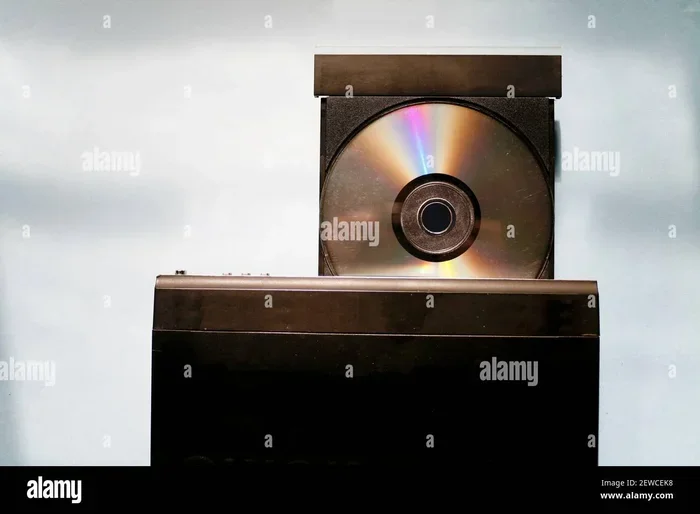
Can You Buy Dvd Players Anymore Discover The Real Answer
Yes, you can still buy DVD players, though they are not as widely available as they once were. DVD players are still manufactured and sold by several brands, and you can find them online and in select retail stores. Whether you need one depends on your entertainment setup and whether you still own a DVD collection.
Can You Buy DVD Players Anymore? The short answer is yes. DVD players are still being manufactured and sold, even though they are not as popular as they once were. In this article, we will explore where you can still purchase them, what types are available, and whether owning one makes sense in today’s streaming-first world. You will learn about portable DVD players, Blu-ray combo units, and the best brands still making these devices.
Many people assumed that DVD players were a thing of the past. After all, streaming services have taken over how we watch movies and TV shows. But the truth is that physical media still has a loyal following. Whether you are looking to replace an old unit, build a home entertainment setup, or add a device for your DVD collection, there are options out there for you.
The market for disc playback devices has changed dramatically over the last decade. Yet dedicated players continue to serve millions of households worldwide. Let us walk you through everything you need to know about buying a DVD player today.
It is easy to assume that DVD players have disappeared from store shelves. With Netflix, Disney+, and countless other streaming platforms dominating the market, who still buys a disc player? The reality might surprise you. Can you buy DVD players anymore? Absolutely. They are still available, though the market has changed significantly. In this post, we will walk you through everything you need to know about purchasing a DVD player today.
The demand for disc playback devices has shifted, but it has not vanished. Many households still own collections of physical media that they love. Others prefer the reliability of a standalone device that does not depend on an internet connection. Whatever your reason, understanding the current landscape of DVD players will help you make the right choice.
Key Takeaways
- DVD players are still available: You can buy them online and in select stores, though the selection is smaller than before.
- Multiple types exist: Standard players, portable units, and Blu-ray combo players all serve different needs.
- Physical media has a loyal fanbase: Many people still prefer owning disc-based movies over streaming.
- No internet is required: A DVD player works without Wi-Fi, making it reliable during outages or in areas with poor connectivity.
- Top brands still manufacture them: Companies like LG, Sony, and Toshiba continue to produce quality units.
- Price varies widely: Basic models start around $30, while premium combo players can exceed $200.
- Buying a DVD player makes sense for collectors: If you own a large DVD collection, a dedicated player is a smart investment.
📑 Table of Contents
The Current State of DVD Players
The DVD player market has contracted significantly since its peak in the early 2000s. Back then, nearly every household owned at least one. Today, the landscape looks very different. Streaming has become the dominant way people consume video content. However, that does not mean DVD players are gone entirely.
Are DVD Players Being Discontinued?
Most major electronics brands have scaled back their DVD player lines. You will not find the same variety you saw ten years ago. Some brands have stopped making standalone DVD players altogether. Others have shifted focus entirely to Blu-ray players and 4K disc players.
That said, several manufacturers still produce quality units. Companies like LG, Sony, Toshiba, and Magnavox continue to offer models for consumers. The key is knowing where to look and what to expect from the current market.
The Shift to Digital Streaming
The rise of streaming devices changed everything. Services like Netflix, Hulu, and Amazon Prime made it easy to watch content instantly. This convenience led many people to abandon their DVD collections. Why buy a disc when you can stream?
However, streaming is not perfect. It requires a stable internet connection. Content libraries change constantly. Movies and shows get removed without warning. This is why many people still value owning physical media. A DVD player gives you permanent access to your favorite titles without relying on an internet connection.
Where You Can Still Buy DVD Players
If you are ready to purchase a DVD player, you have several options. The days of finding them in every electronics store are gone. But they are far from impossible to find.
Online Retailers That Stock Them
Online marketplaces are your best bet for finding a DVD player today. Major retailers like Amazon, Walmart, and Best Buy carry a selection of models. You will find everything from budget-friendly basic players to premium Blu-ray combo units.
Here are some tips for buying online:
- Check seller ratings: Make sure you are buying from a reputable seller.
- Read reviews carefully: Look for feedback on disc playback quality and durability.
- Compare prices: Prices can vary significantly between retailers.
- Look for bundles: Some sellers offer DVD players with cables or even a starter collection of discs.
Specialized electronics websites also carry DVD players. Sites focused on home entertainment often have a wider selection of brands and models. These retailers may also carry hard-to-find or discontinued models that you will not see on major platforms.
Brick-and-Mortar Stores
Finding a DVD player in a physical store is getting harder. Big-box retailers like Walmart and Target may carry a limited selection in their electronics sections. Best Buy is another option, though their in-store inventory has shrunk over the years.
Your best chance for finding one in person is at a local discount store or a secondhand electronics shop. Thrift stores and pawn shops sometimes have DVD players at very low prices. Just make sure to test the unit before you buy it.
Quick Tip: If you cannot find a DVD player in local stores, online shopping gives you access to the widest selection and often the best prices. Check multiple sites before making a purchase.
Types of DVD Players Available Today
Not all DVD players are the same. The market offers several different types, each designed for specific needs. Understanding these options will help you choose the right one for your setup.
Standard DVD Players
A standard DVD player is the most common type. It plays DVDs and connects to your TV via HDMI or composite cables. These units are simple, affordable, and reliable. Most cost between $30 and $80.
Standard players are great for people who just want to watch their DVD collection without any extra features. They do not have smart capabilities or internet connectivity. This makes them straightforward and easy to use.
Portable DVD Players
A portable DVD player is a standalone unit with a built-in screen. These are perfect for travel, road trips, or watching movies in places without a TV. They usually run on rechargeable batteries or AC power.
Portable DVD players range from basic models to premium units with larger screens and better build quality. Prices typically range from $50 to $200. They are especially popular for families with young children who need entertainment on the go.
Blu-ray and Combo Players
For those who want more versatility, a Blu-ray combo player is an excellent choice. These devices play both DVDs and Blu-ray discs. Many also support upscaling DVD, which improves the picture quality of standard DVDs on high-definition TVs.
Blu-ray combo players cost more than standard DVD players, typically ranging from $60 to $250. They are ideal for people who own a mix of DVD and Blu-ray discs or who want to future-proof their home entertainment setup.
| Type | Plays | Average Price | Best For |
|---|---|---|---|
| Standard DVD Player | DVD | $30 – $80 | Basic disc playback |
| Portable DVD Player | DVD | $50 – $200 | Travel and on-the-go viewing |
| Blu-ray Combo Player | DVD, Blu-ray | $60 – $250 | Mixed disc collections, HD quality |
| 4K Ultra HD Player | DVD, Blu-ray, 4K | $150 – $400 | Premium home theater setups |
Why People Still Buy DVD Players
In a world dominated by streaming, you might wonder why anyone still buys a DVD player. The reasons are more valid than you might think. Let us look at why disc playback devices continue to have a market.
Collecting Physical Media
Many people love owning physical media. There is something satisfying about having a shelf full of movies you actually own. Unlike streaming, a DVD does not disappear from a library when a license expires. Your collection is yours to keep forever.
Collectors also appreciate the extras that come with physical media. Bonus features, director commentaries, and behind-the-scenes content are often included on discs. These extras are rarely available on streaming platforms.
Reliability and Simplicity
A DVD player is simple. You put in a disc, press play, and watch. There are no updates to download, no apps to navigate, and no subscriptions to maintain. For people who value simplicity, this is a major advantage.
Expert Insight: “Many of my clients who grew up with DVD players prefer the tactile experience of owning physical media. It is about control and permanence,” says home entertainment specialist Mark Davis. “Streaming is convenient, but a DVD player gives you something real to hold onto.”
No Internet Required
This is one of the biggest advantages of a DVD player. It works without an internet connection. During power outages, internet outages, or in areas with poor connectivity, a DVD player still works. You just need electricity and a TV.
This makes DVD players especially valuable for people in rural areas or during emergencies. A collection of disc-based movies can provide entertainment when streaming is not an option.
Common Mistake: Do not assume that a DVD player is outdated technology. For many households, it remains a practical and reliable entertainment option. Do not dismiss it just because streaming is popular.
DVD Players vs Streaming Devices
Deciding between a DVD player and a streaming device is a common dilemma. Both have their strengths and weaknesses. Let us break down the comparison to help you decide.
A Side-by-Side Comparison
| Feature | DVD Player | Streaming Device |
|---|---|---|
| Internet Required | No | Yes |
| Content Access | Your own discs | Subscription libraries |
| Ongoing Costs | None | Monthly subscriptions |
| Internet Dependence | None | High |
| Content Availability | Permanent | Changes frequently |
| Picture Quality | Standard definition (DVD) | Up to 4K |
| Offline Viewing | Always | Only if downloaded |
| Setup Complexity | Very simple | Moderate |
Which One Is Right for You?
The right choice depends on your viewing habits and setup. If you have a reliable internet connection and prefer accessing a wide variety of content, a streaming device might be the better option. If you value owning your media and want a device that works without the internet, a DVD player is the way to go.
Some households actually benefit from having both. A Blu-ray combo player handles your disc-based movies, while a streaming device gives you access to online content. This combination offers the best of both worlds.
Quick Tips for Choosing:
- Consider your TV: If you have a 4K TV, a Blu-ray combo player or 4K player will give you better picture quality than a standard DVD player.
- Think about your collection: If you have a large DVD collection, a dedicated player makes more sense than trying to digitize everything.
- Check connectivity: Make sure the player you choose has HDMI output for the best picture quality on modern TVs.
- Look for region-free options: Some DVD players support multiple region codes, giving you access to discs from different countries.
How to Choose the Right DVD Player
Not all DVD players are created equal. Choosing the right one depends on your needs, budget, and what you plan to watch. Here is what you should consider before making a purchase.
Key Features to Look For
When shopping for a DVD player, pay attention to these important features:
- Disc compatibility: Make sure the player supports the disc formats you use. Most play DVDs, but some also handle CDs and Blu-ray discs.
- HDMI output: This gives you the best picture quality. Avoid older models that only have composite or component outputs.
- Upscaling capability: This feature improves the quality of standard DVDs on high-definition screens. It is a nice bonus for any DVD player.
- Build quality: A well-built player will last longer and perform more reliably. Look for reputable brands with good warranty coverage.
- Noise level: Some DVD players are quieter than others. Read reviews to check for any complaints about motor noise or disc reading issues.
Top Brands Worth Considering
Several brands have earned a solid reputation for making quality DVD players:
- LG: Known for reliable and affordable players with good build quality.
- Sony: Offers premium players with excellent disc playback performance.
- Toshiba: A trusted name in the DVD player market with a wide range of models.
- Magnavox: Budget-friendly options that still deliver solid performance.
- Panasonic: Known for durable players with strong compatibility.
Common Mistake: Do not buy the cheapest model you can find. A very cheap DVD player may have poor build quality, noisy operation, or limited disc compatibility. Spending a little more often gets you a much better experience.
Expert Insight: “When I recommend a DVD player, I always tell customers to focus on HDMI output and disc compatibility. Those two factors make the biggest difference in day-to-day use,” says home theater reviewer Sarah Chen. “A mid-range player from a reputable brand will serve you well for years.”
The Future of Physical Media Players
What does the future hold for DVD players? The market will likely continue to shrink as streaming grows. However, physical media will never disappear completely. There will always be collectors, film enthusiasts, and people in areas with limited internet access who need a reliable disc player.
Some industry experts believe that Blu-ray players and 4K disc players will outlast standard DVD players. The higher quality of Blu-ray and 4K discs gives them more staying power. As long as people value owning physical copies of their favorite movies, there will be demand for disc playback devices.
The key takeaway is that DVD players are still available and still useful. They just serve a more niche audience now. If you are part of that audience, you will have no trouble finding a quality unit that meets your needs.
Conclusion
Can you buy DVD players anymore? The answer is a clear yes. While the market has changed significantly, DVD players are still being manufactured and sold. You can find them online and in select retail stores. Whether you need a basic standard player, a portable DVD player for travel, or a Blu-ray combo unit for your growing collection, there is an option for you.
The rise of streaming has changed how we watch movies, but it has not eliminated the demand for physical media. Many people still value the reliability, simplicity, and permanence of owning a DVD player. Whether you are a collector, a family looking for offline entertainment, or someone who simply prefers discs, a DVD player can still be a great addition to your home entertainment setup.
Take the time to choose the right type and brand for your needs. Consider your TV, your collection, and your viewing habits. With the right DVD player, you can enjoy your favorite disc-based movies for years to come. The real answer to whether you can still buy one is simple: yes, and they are still worth it.
Frequently Asked Questions
Is it still possible to buy DVD players in stores?
Yes, but your options are limited. Big retailers like Walmart and Best Buy may carry a small selection in their electronics sections. Your best bet for finding a wide variety is to shop online at Amazon, Walmart.com, or Best Buy online. You will find more models and better prices on the internet.
How much does a DVD player cost?
Standard DVD players typically cost between $30 and $80. Portable DVD players range from $50 to $200. Blu-ray combo players cost between $60 and $250. Premium 4K players can exceed $300. Your budget will determine which type and brand you can afford.
Can a DVD player play Blu-ray discs?
A standard DVD player cannot play Blu-ray discs. You need a Blu-ray player or a Blu-ray combo player that supports both formats. Always check the product specifications before buying to make sure it plays the disc types you need.
Are DVD players worth buying in 2024?
They can be worth it if you own a DVD collection, prefer offline viewing, or live in an area with unreliable internet. DVD players are simple, reliable, and require no monthly subscriptions. For collectors and families who value physical media, they remain a practical choice.
Do DVD players work with modern TVs?
Yes, most modern DVD players come with HDMI outputs that work with today’s TVs. If you have an older DVD player with only composite cables, you can use an adapter to connect it to a modern TV. For the best picture quality, choose a player with HDMI output.
What is the difference between a DVD player and a Blu-ray player?
A standard DVD player plays DVDs and sometimes CDs. A Blu-ray player plays Blu-ray discs, DVDs, and CDs. A Blu-ray combo player supports all of these formats plus some can even play 4K Ultra HD discs. The main difference is picture quality and disc compatibility.