Can Bluetooth Connect In Water Here Is What Happens
Can Bluetooth connect in water? The short answer is no, not really. Bluetooth signals struggle badly when they hit water, which causes most wireless connections to drop or fail entirely. However, waterproof Bluetooth devices use special coatings and design tricks to keep working near water, even if they cannot transmit signals through it.
You are at the pool. Your phone is sitting on the deck. Your Bluetooth headphones are in your ears. You dive into the water. And suddenly, your music stops. Sound familiar? This is the moment many people ask the same question. Can Bluetooth connect in water? It is a simple question, but the answer is more interesting than you might think.
Bluetooth is one of the most popular wireless technologies in the world. We use it every day for headphones, speakers, keyboards, and even smartwatches. But water has always been its biggest enemy. The truth is that Bluetooth signals and water do not get along very well. Water absorbs the radio waves that Bluetooth uses to send data. This means that when your device goes underwater, the connection almost always breaks.
Now, this does not mean you cannot use Bluetooth anywhere near water. Plenty of devices are built to handle splashes, rain, and even full submersion. The key is understanding how Bluetooth works in wet environments and what you can expect. In this article, we will break it all down. You will learn exactly what happens when Bluetooth meets water, why it fails, and which devices can actually handle the splash. So let us get into it.
Key Takeaways
- Bluetooth signals do not travel well through water: Water absorbs radio frequencies, which kills Bluetooth range and performance.
- Waterproof and water-resistant devices exist: These gadgets use IP ratings and special seals to survive near water, even if they cannot connect underwater.
- IP ratings tell you the truth: Understanding IP67 or IP68 ratings helps you pick the right device for your water activities.
- Bluetooth Low Energy helps a little: BLE uses less power and can sometimes maintain a weak connection closer to the water surface.
- Specialized underwater Bluetooth adapters exist: Some niche products push Bluetooth a bit further into water than standard gear.
- Most consumer Bluetooth fails below a few feet: Expect signal loss once your device goes even slightly below the surface.
- Future tech may change the game: Researchers are working on new ways to send data through water using modified Bluetooth-like signals.
📑 Table of Contents
- What Happens When Bluetooth Meets Water
- How Waterproof Bluetooth Technology Works
- Bluetooth Devices Designed for Water Use
- Common Myths About Bluetooth and Water
- Tips for Using Bluetooth Near Water
- The Future of Bluetooth in Aquatic Environments
- Quick Tips for Bluetooth and Water
- Common Mistakes People Make With Bluetooth Near Water
- Conclusion
What Happens When Bluetooth Meets Water
When Bluetooth signals hit water, something dramatic happens. The radio waves that carry your audio or data get absorbed almost immediately. Water is a dense medium, and it soaks up the specific frequency Bluetooth uses, which is around 2.4 GHz. This absorption is the main reason your connection drops the moment you go for a swim.
The Science Behind the Signal Loss
Bluetooth uses radio frequency waves to transmit data between devices. These waves travel really well through air. But water is a different story. Water molecules are much denser than air molecules. When a Bluetooth signal hits water, the energy gets scattered and absorbed. The signal loses strength very fast. Even a few inches of water can block a Bluetooth connection completely.
This is why Bluetooth range drops significantly in wet conditions. Your headphones might work fine on the deck. But the second they get wet or you dip below the surface, the signal is gone. It happens fast and there is no warning. The connection just cuts out.
Interestingly, the depth matters a lot. Even one foot of water can block Bluetooth signals. Saltwater is even worse than freshwater because it conducts electricity better. This means ocean swimmers and surfers face even more signal loss than pool users. The same goes for hot tubs and bathtubs. Water is water when it comes to blocking Bluetooth.
Why Your Headphones Cut Out at the Pool
Most Bluetooth headphones are not designed to work underwater. They are water-resistant, which is different from waterproof. Water-resistant means the device can handle a little sweat or a light rain. But it cannot survive full submersion. When you dive in with water-resistant headphones, the water seeps in and the connection dies.
Even if the headphones stay dry, the Bluetooth signal still has to travel through water to reach your phone. And that is where the problem is. The phone is usually on dry land. The headphones go in the water. The signal has to pass through the air-water boundary. And that boundary is a killer for Bluetooth performance. The signal bounces, scatters, and weakens. You lose your connection almost instantly.
How Waterproof Bluetooth Technology Works
So if Bluetooth fails in water, how do some devices claim to work near water? The answer lies in how manufacturers build these devices. They use special techniques to protect the internal electronics and maintain a signal as close to the water as possible.
IP Ratings Explained
Every waterproof device has an IP rating. This stands for Ingress Protection. It tells you exactly how well a device resists water and dust. The rating has two numbers. The first number is for dust protection. The second number is for water protection. The higher the number, the better the protection.
- IPX4: Protects against splashes from any direction. Good for workouts and light rain.
- IPX7: Can survive submersion in up to one meter of water for 30 minutes.
- IPX8: Can survive deeper submersion for longer periods. Exact depth varies by manufacturer.
Here is the important part. A high IP rating means the device survives water. It does not mean Bluetooth works underwater. The electronics inside stay dry and safe. But the Bluetooth signal still struggles to pass through water. So a device rated IPX8 might survive at the bottom of a pool. But it still cannot maintain a strong Bluetooth connection down there.
Sealing and Coating Techniques
Manufacturers use several methods to make Bluetooth devices water-friendly. They apply nano-coatings to internal circuit boards. These coatings are incredibly thin. They repel water without adding bulk. The coating stops moisture from reaching sensitive components. This keeps the device working even after a swim.
They also use rubber gaskets and sealed ports. Every opening on the device gets covered. The charging port has a flap. The speaker grill has tiny mesh barriers. These small details add up to big protection. Some high-end devices even use welding to seal the housing completely. This creates a solid barrier against water intrusion.
But here is the catch. All of these techniques protect the device. They do not fix the signal problem. The Bluetooth radio still has to send and receive through the same water that the device is sealed against. So the device survives, but the connection is still weak or gone when submerged.
Bluetooth Devices Designed for Water Use
Not all Bluetooth gear fails near water. Some devices are specifically built for aquatic environments. These products use clever engineering to push the limits of what Bluetooth can do in wet conditions.
Waterproof Bluetooth Speakers
Waterproof Bluetooth speakers are some of the most popular aquatic devices. Brands like JBL, Ultimate Ears, and Sony make speakers that float and survive full submersion. These speakers are great for pool parties, beach trips, and boat rides.
But how do they work? The speaker itself is fully sealed. It has no openings for water to enter. The Bluetooth antenna is positioned near the top of the device. This keeps it as far from the water surface as possible. The speaker receives the signal through the air. Then it plays the audio through waterproof drivers. So the music keeps going even if the speaker gets splashed or bobs in the water.
These speakers work best when they stay above or just at the water surface. If you drop one to the bottom of a pool, the Bluetooth connection will likely drop. You would need to bring it back to the surface to reconnect. This is an important thing to keep in mind when buying a waterproof Bluetooth speaker for aquatic use.
Swim-Friendly Bluetooth Headphones
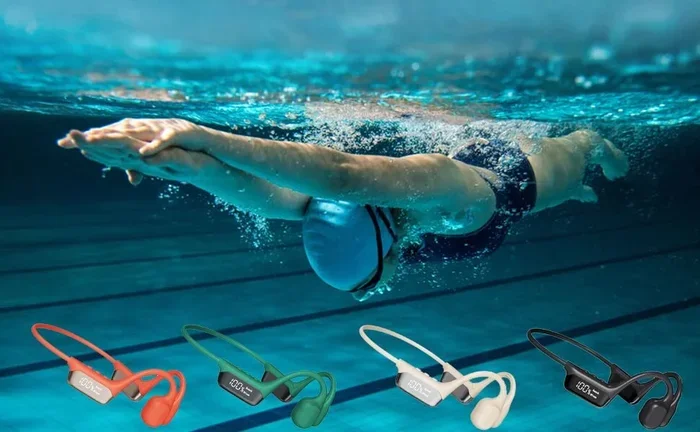
True waterproof Bluetooth headphones are a different beast. These are designed for swimmers who want music underwater. They use bone conduction technology or sealed earpieces. The Bluetooth chip is housed in a waterproof case. The case sits above the waterline, usually on a swim cap or headband.
The antenna stays in the air. The signal travels through the air to the headphones. Then it goes through the wire or bone conduction to the ear. This clever setup keeps the Bluetooth connection strong. The swimmer gets to enjoy music underwater without any signal issues.
These headphones are not cheap. But they solve the biggest problem with Bluetooth in water. They keep the antenna out of the water. This is the secret that most regular headphones miss. If you want Bluetooth to work near water, keep the antenna dry and above the surface.
Bluetooth in Medical Devices
Bluetooth technology plays a big role in medical equipment, including devices used in water-based therapies and hospitals. Computers in medicine rely on wireless connections for patient monitoring and data transfer. The 10 ways computers are used in medicine show how Bluetooth and wireless tech support healthcare in wet environments like hydrotherapy pools and surgical suites where sterilization requires water-based cleaning. These medical applications prove that with the right engineering, Bluetooth can function in water-adjacent settings even if it cannot transmit through water itself.
Common Myths About Bluetooth and Water
There are a lot of misconceptions about Bluetooth and water. Let us clear up the most common ones so you do not end up with a dead device and a ruined day.
Myth 1: Waterproof Means Bluetooth Works Underwater
This is the biggest myth out there. A waterproof device survives water. But Bluetooth still cannot send signals through water effectively. If your device is rated IP68, it can sit at the bottom of a lake. But it probably cannot stream music from your phone that is sitting on dry land. The two features are completely separate. Water resistance protects the hardware. Bluetooth performance depends on the signal path.
Myth 2: Bluetooth Signals Can Travel Through a Few Feet of Water
Some people think Bluetooth can punch through a few feet of water. This is not true. Bluetooth signals get blocked by even shallow water. A puddle on the table between your phone and speaker can cause dropouts. A foot of water in a bathtub will kill the connection completely. Do not count on Bluetooth working through any significant depth of water.
Myth 3: Higher Bluetooth Version Means Better Water Performance
Bluetooth 5.3 is faster and has better range than Bluetooth 4.2. But none of these versions work better underwater. The radio frequency used by Bluetooth does not change with each version. Water blocks it the same way in Bluetooth 4.0 as it does in Bluetooth 5.3. The version number does not help with water penetration.
Tips for Using Bluetooth Near Water
You do not have to give up Bluetooth just because you love water activities. There are smart ways to use Bluetooth near water without losing your connection or damaging your gear.
Keep the Antenna Above Water
The single best tip is to keep the Bluetooth antenna above the waterline. This is why swim headphones use headbands or swim caps. The antenna stays dry and in the air. The signal stays strong. You get uninterrupted music while you swim laps.
For speakers, keep them floating or on the deck. Do not submerge them unless you are okay with losing the connection temporarily. When you pull them back out, they will reconnect quickly.
Use Bluetooth Range Extenders
Bluetooth range extenders can help in wet environments. These small devices boost the Bluetooth signal and extend the range. Place the extender on dry land near the water. It strengthens the signal so it can reach further. This helps when your phone is far from the pool or beach.
Some extenders are weatherproof. They can handle splashes and humidity. Look for ones with good IP ratings if you plan to use them outdoors near water. They make a big difference for outdoor Bluetooth use in wet conditions.
Choose the Right IP Rating for Your Needs
Not all water activities need the same level of protection. Think about what you will be doing. If you are just sweating at the gym, IPX4 is fine. If you are swimming laps, go for IPX7 or higher. If you are kayaking in the rain, IPX5 or IPX6 works well.
Match the IP rating to your activity. Do not overpay for a rating you do not need. But also do not skimp and end up with a dead device. Check the rating before you buy any Bluetooth gear for water use.
Dry Your Devices After Water Exposure
Even waterproof devices benefit from drying after water exposure. Water can sit in ports and seams. Over time, this can cause corrosion. Use a soft towel to dry your devices. Leave them out to air dry if possible. This simple habit extends the life of your Bluetooth gear significantly.
Do not charge a wet device. Wait until it is completely dry. Moisture inside the charging port can cause short circuits. This damages both the device and the charger. A few minutes of drying can save you a lot of money.
Consider Alternative Wireless Technologies
For underwater use, Bluetooth is not your only option. Some devices use radio frequency signals designed to work in water. Others use wired connections or proprietary wireless protocols. If you need reliable audio underwater, look for specialized dive computers or underwater communication systems.
These alternatives are not standard Bluetooth. But they do the job where Bluetooth fails. They use different frequencies and signal types that can penetrate water. They are more expensive but they work where Bluetooth cannot.
The Future of Bluetooth in Aquatic Environments
Technology is always moving forward. The future of Bluetooth near water looks promising. Researchers are exploring new ways to push Bluetooth performance in wet and aquatic environments.
Emerging Research and Development
Scientists are working on modified Bluetooth protocols that can handle water better. Some research focuses on using lower frequencies that penetrate water more effectively. Others explore directional antennas that focus the signal away from the water surface. These innovations could change how we use Bluetooth near water in the coming years.
There is also work on hybrid systems. These combine Bluetooth with other wireless technologies. The Bluetooth handles the short-range connection. A secondary signal handles the underwater portion. This could give us seamless wireless audio even when diving deep.
What This Means for Consumers
For now, consumers should expect Bluetooth to work near water, not in it. The current technology has clear limitations. But the gap is closing. Future Bluetooth versions may include better water handling. Until then, smart device choices and proper usage habits will get you the best results.
The entertainment industry is already adapting. Wireless audio companies are building better waterproof gear every year. Swim headphones get better each generation. Pool speakers last longer and sound louder. The market is driving innovation in this space. Consumers benefit from these advances.
Quick Tips for Bluetooth and Water
- Always check the IP rating before buying Bluetooth gear for water use.
- Keep the antenna dry and above the waterline for best signal strength.
- Do not submerge regular Bluetooth headphones even if they are water-resistant.
- Dry your devices after every water exposure to prevent long-term damage.
- Use a range extender if you need Bluetooth to reach across a pool or beach.
- Do not charge a wet device. Let it dry completely first.
- Look for bone conduction headphones if you want Bluetooth audio while swimming.
Common Mistakes People Make With Bluetooth Near Water
Learning from other people’s mistakes can save you a lot of frustration. Here are the most common errors people make when using Bluetooth devices near water.
The first mistake is assuming water resistance means waterproof. These are not the same thing. Water-resistant handles light moisture. Waterproof handles full submersion. Check the rating and understand the difference before you take your gear near water.
The second mistake is ignoring the signal path. People forget that Bluetooth has to travel through air to reach the device. If the path includes water, the signal breaks. Always plan your setup so the Bluetooth signal stays in the air as much as possible.
The third mistake is not drying devices properly. Even waterproof devices need drying. Water sits in ports and crevices. It causes corrosion over time. A quick towel dry after every swim goes a long way.
The fourth mistake is using the wrong device for the activity. A water-resistant speaker is fine for the deck. It is not fine for diving. Match your gear to your activity level. Do not push a water-resistant device past its limits.
The fifth mistake is forgetting about temperature. Hot water from a hot tub or sauna can damage Bluetooth devices faster than cool water. Heat breaks down seals and gaskets over time. Be extra careful with Bluetooth gear in hot water environments.
Conclusion
So can Bluetooth connect in water? The honest answer is that Bluetooth does not work well underwater. Water absorbs the radio signals that Bluetooth depends on. This kills the connection almost instantly. But Bluetooth can work near water with the right devices and setup.
Waterproof and water-resistant Bluetooth devices are everywhere now. They survive splashes, rain, and even full submersion. But the connection still depends on keeping the signal path clear of water. If you keep the antenna dry and above the surface, Bluetooth can work great near water.
The key is understanding what Bluetooth can and cannot do in wet environments. Now you know the science. You know the myths. And you know the tips that actually work. Use this knowledge to pick the right gear and set up your devices correctly. You will enjoy your music, podcasts, and calls near water without any surprises.
Water and Bluetooth can coexist. It just takes a little know-how. So go ahead. Take your Bluetooth gear to the pool, the beach, or the lake. Just keep the signal dry and the antenna above water. You will be streaming audio all day long. And your devices will stay safe and sound.
Frequently Asked Questions
Can Bluetooth headphones work underwater?
Most Bluetooth headphones cannot work underwater because water blocks the Bluetooth signal. However, specialized swim headphones use bone conduction or keep the antenna above water to deliver audio while you swim. Regular Bluetooth headphones will lose connection the moment they submerge.
How deep can Bluetooth signals penetrate water?
Bluetooth signals struggle to penetrate even a few inches of water. The signal loss is immediate and severe. Bluetooth is not designed for underwater communication. The depth at which it fails depends on water type, but even shallow water significantly weakens or kills the signal.
What is the difference between waterproof and water-resistant Bluetooth devices?
Water-resistant devices handle light moisture like sweat and rain. They have a lower IP rating and are not meant for submersion. Waterproof devices can survive full submersion to a rated depth. But neither type guarantees Bluetooth works underwater. Both types protect the hardware, not the signal.
Why does Bluetooth fail near pools and beaches?
Bluetooth fails near pools and beaches because water splashes and humidity interfere with the signal. The radio waves that Bluetooth uses get absorbed by water molecules. Even moisture in the air can weaken the connection over distance. Keeping devices dry and the signal path clear helps maintain a stable connection.
Are there wireless technologies that work better than Bluetooth underwater?
Yes, there are alternatives designed for underwater use. Some systems use lower frequency radio waves that penetrate water better. Others use acoustic or optical signals instead of radio waves. These technologies are specialized and more expensive than standard Bluetooth but they actually work underwater.
Can I use Bluetooth on a boat or near the ocean?
Yes, Bluetooth works fine on boats and near the ocean as long as the devices stay dry and the signal path stays in the air. Saltwater can be more damaging to electronics than freshwater, so rinse your devices with fresh water after ocean use. Keep Bluetooth devices above the waterline for the best performance.