Do Smart Light Bulbs Get Hot and What You Should Know Today
Do smart light bulbs get hot? Yes, but only slightly. These connected lighting devices use LED technology, which produces far less heat than traditional bulbs. Most smart bulbs stay warm to the touch but never reach dangerous temperatures. Understanding how heat works in smart light bulbs helps you use them safely and get the best performance from your smart home devices.
Smart lighting has changed the way we light our homes. You can control brightness, color, and schedules right from your phone. But one question keeps coming up: do these bulbs get hot? Many people worry about safety, especially after years of using traditional bulbs that radiated intense heat. Let us walk through everything you need to know about smart light bulbs and heat.
If you are new to smart lighting, you might be surprised by how cool these bulbs stay. Unlike old incandescent bulbs that wasted most of their energy as heat, modern LED-based smart bulbs are designed for energy efficiency. They use a tiny fraction of the electricity and produce very little warmth. Still, they are electronic devices, and all electronics generate some heat. Understanding how this works helps you make smarter choices for your home.
In this article, we will cover why smart bulbs warm up, how their heat compares to traditional options, and what you can do to keep your connected lighting running safely. We will also bust some common myths and share practical tips you can use right away. Whether you are building a full smart home ecosystem or just starting with a single bulb, this guide has you covered.
Key Takeaways
- Smart light bulbs do get warm: They produce some heat, but it is minimal compared to older bulb types.
- LED technology keeps temperatures low: The LED chips inside smart bulbs generate very little heat during normal use.
- Heat can shorten bulb lifespan: Poor ventilation or enclosed fixtures may reduce how long your smart bulbs last.
- Built-in thermal protection is common: Most quality smart bulbs include safety features that prevent overheating.
- Enclosed fixtures are a concern: Using smart bulbs in closed spaces traps heat and can cause problems.
- Smart home ecosystem compatibility matters: Some smart bulbs work better with specific hubs and switches.
📑 Table of Contents
What Are Smart Light Bulbs?
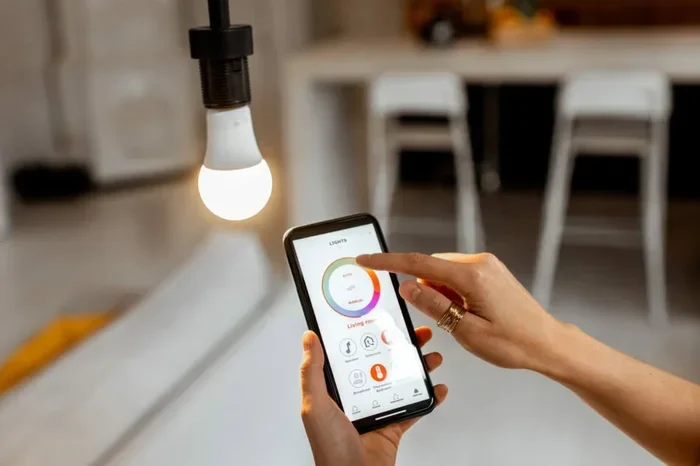
Smart light bulbs are LED bulbs that connect to your home Wi-Fi network or a dedicated hub. They let you control lighting through a phone app, voice commands, or automated schedules. You can change colors, set dimming levels, and even sync them with music or movies. These bulbs have become a staple of the modern smart home devices market.
Most smart bulbs use LED chips instead of filaments. This is a big reason they stay cool. Traditional bulbs heated a thin wire until it glowed. That process wasted about 90 percent of the energy as heat. Smart bulbs skip that entirely. They convert most of their electricity directly into light. The result is a bulb that delivers bright color temperature options while staying comfortable to touch.
When you buy a dimmable bulb with smart features, you are getting a device that balances performance and safety. The wattage of most smart bulbs ranges from 5 to 12 watts. Compare that to a 60-watt incandescent bulb, and you can see why the heat output is so much lower. This low electricity consumption is one of the biggest advantages of switching to smart lighting. Most smart bulbs use a standard bulb base type like E26 or E27, which means they fit into common household sockets without any adapters.
Do Smart Light Bulbs Get Hot?
The answer is yes, but only slightly. When you touch a smart bulb after it has been on for a few hours, you will likely feel some warmth. It is not hot like an old incandescent bulb. Think of it more like the warmth of a laptop running a light task. The temperature is well within safe limits for normal use.
How Smart Bulbs Generate Heat
Every electronic device produces heat as a byproduct of using electricity. Inside a smart bulb, the LED chip, the driver circuit, and the Wi-Fi or Bluetooth module all draw power. A small amount of that power converts to heat. This is called heat dissipation. Good bulb design manages this heat through the bulb’s body, spreading it out so no single spot gets too warm.
The LED heat sink is a key part of this process. It is a metal component inside the bulb that absorbs heat and releases it slowly. Without a proper heat sink, the internal temperature would rise quickly and damage the electronics. Most quality smart bulbs include well-designed heat sinks that keep bulb temperature low even during long hours of use.
Comparing Smart Bulbs to Traditional Bulbs
To really understand how hot smart bulbs get, it helps to compare them side by side with older options. The difference is dramatic.
A standard 60-watt incandescent bulb can reach surface temperatures of 200 degrees Fahrenheit or more. That is hot enough to cause burns or even ignite nearby materials. A smart light bulb running at the same brightness level might reach 90 to 100 degrees Fahrenheit at most. That is warm but not dangerous.
Here is a simple comparison of common bulb types:
- Incandescent bulbs: Very hot surface temperature, high energy waste, short lifespan.
- Compact fluorescent (CFL): Moderate warmth, better efficiency, contains small amount of mercury.
- LED smart bulbs: Slight warmth, excellent efficiency, long lifespan, no hazardous materials.
This comparison shows why so many people have switched to smart lighting. The heat difference alone makes smart bulbs a safer choice for homes with children or pets.
Why Heat Matters for Smart Bulbs
Even though smart bulbs do not get very hot, heat still matters. It affects how long your bulbs last and how safely they operate. Understanding the relationship between heat and performance helps you get the most out of your investment.
Impact on Bulb Lifespan
Heat is the number one enemy of electronics. The hotter a component runs, the faster it degrades. This applies to the tiny LEDs inside your smart bulbs. When a smart bulb runs hotter than designed, its bulb lifespan can drop significantly. A bulb rated for 15,000 hours might last only half that long if it stays too warm.
Several factors can cause excess heat buildup. Using a smart bulb in an enclosed fixture traps warm air around the bulb. Placing bulbs close together in a small fixture creates a greenhouse effect. And using a bulb with a higher wattage than the fixture was designed for can push temperatures beyond safe limits. These are all things to watch out for.
Safety Concerns
Safety is the top reason people ask about bulb heat. A bulb that gets too hot can become a fire hazard, especially in homes with curtains, paper, or plastic nearby. The good news is that modern smart bulbs are engineered with multiple safety layers. Most include thermal sensors that automatically dim or shut off the bulb if temperatures rise too high.
However, no bulb is completely immune to risks. If you use a damaged smart bulb, or if you install it in a fixture that blocks all airflow, even a smart bulb can overheat. Always check that your bulb has room to breathe. Avoid covering smart switches or bulb sockets with fabric or paper shades that block ventilation.
How Smart Bulbs Manage Heat
Manufacturers know that heat is a challenge for all electronic devices. That is why they build smart bulbs with several built-in features to manage temperature. These design choices keep your bulbs safe and performing well.
Heat Sink Technology
The LED heat sink is the most important part of a smart bulb’s thermal management system. It is usually made of aluminum or another metal that conducts heat away from the LED chip. The heat spreads through the heat sink and releases into the surrounding air. This passive cooling method requires no fans or moving parts, which makes it silent and reliable.
Good heat sink design is one reason quality smart bulbs can last for years. The metal body of the bulb itself often acts as a giant heat sink. This is why the outer shell of a smart bulb feels slightly warm after extended use. It is doing its job by pulling heat away from the sensitive electronics inside.
Built-In Thermal Protection
Many smart bulbs include thermal protection circuits. These tiny sensors monitor the internal temperature and adjust power delivery if things get too warm. Some bulbs simply dim slightly to reduce heat. Others shut off completely until they cool down. This thermal management system protects both the bulb and your home.
You can think of this like the fan inside a laptop. It kicks in when things get warm and slows down when they cool off. The smart bulb does the same thing, but without any noise. This hidden feature is one reason buying a quality smart bulb from a reputable brand matters more than the price tag.
Common Myths About Smart Bulb Heat
There is a lot of misinformation about smart bulbs and heat. Let us clear up the most common myths so you can make informed decisions.
Myth 1: Smart bulbs get as hot as old bulbs. This is not true. LED smart bulbs run at a fraction of the temperature of incandescent bulbs. You can touch most smart bulbs within minutes of turning them on without getting burned.
Myth 2: A warm bulb means it is broken. A slight warmth is completely normal. It means the heat sink is doing its job. Only if the bulb is too hot to touch comfortably should you be concerned. Even then, the bulb may simply be in a poorly ventilated fixture.
Myth 3: Smart bulbs waste energy as heat. Smart bulbs are among the most energy efficient lighting options available. They convert over 80 percent of electricity into light, not heat. The small amount of heat they produce is a natural byproduct, not wasted energy.
Myth 4: All smart bulbs handle heat the same way. Different brands and models use different heat sink designs and thermal protection. A well-made smart bulb from a trusted brand will run cooler and last longer than a cheap, no-name alternative. Always read reviews and check specifications before buying.
Tips to Keep Your Smart Bulbs Cool
Keeping your smart bulbs at a safe temperature is easy with a few simple habits. These tips help you extend bulb life and maintain a safe home environment.
- Choose open fixtures: Use smart bulbs in open lampshades or uncovered sockets where air can flow freely. Enclosed fixtures trap heat and push temperatures up.
- Check the fixture rating: Make sure your fixture is rated for the bulb’s wattage and size. Using a bulb that is too powerful for a small fixture creates excess heat.
- Leave space between bulbs: If you have multiple bulbs close together, give them room. Crowded fixtures create a heat island that affects all the bulbs.
- Use smart switches wisely: Some smart switches let you set schedules and dimming levels. Lowering brightness reduces heat output and extends bulb life.
- Avoid direct sunlight: Placing bulbs in windows or areas with direct sun adds external heat. This combines with the bulb’s own heat and can push temperatures higher.
- Buy quality brands: Reputable brands invest in better heat sinks and thermal protection. The extra cost is worth the safety and longevity.
These tips apply whether you are using smart bulbs in your living room, bedroom, or outdoor setup. If you also have other smart home devices in the same area, make sure they have enough space too. Good airflow benefits everything in the room.
One thing worth noting is that some smart bulbs are specifically designed for enclosed fixtures. These models have enhanced heat sinks and thermal management built in. If you must use a bulb in an enclosed space, look for one that is rated for that purpose. This ensures the bulb can handle the trapped heat without shortening its bulb lifespan or creating safety risks.
When to Worry About Hot Smart Bulbs
Most of the time, a slightly warm smart bulb is nothing to worry about. But there are situations where heat signals a real problem. Knowing the warning signs helps you act before a small issue becomes a big one.
If your smart bulb is too hot to touch comfortably after being on for less than an hour, something is wrong. This could mean the bulb is defective, the fixture is wrong for the bulb, or there is a wiring issue in your home. Unplug the bulb and let it cool down completely. Try it in a different fixture to see if the problem continues.
Other warning signs include a burning smell, discoloration on the bulb base, or flickering that gets worse over time. These are all signs of overheating or electrical problems. Replace the bulb immediately and do not use the fixture until you have checked the wiring.
If you notice that a smart bulb gets much hotter than others in the same room, it might have a thermal management issue. Contact the manufacturer for support. Most reputable brands offer warranties that cover defective heat-related failures. This is another reason to stick with trusted names in the smart home ecosystem.
It is also worth mentioning that other smart home devices like smart plugs and smart switches can generate their own heat. If you have many devices in one outlet or power strip, the combined heat can raise the temperature in the area. Spread your devices out and avoid daisy-chaining power strips. This simple step keeps your entire setup cooler and safer.
Some people wonder whether the heat from smart bulbs affects nearby electronics. In normal setups, the answer is no. The heat levels are too low to impact phones, tablets, or other devices. However, if you stack many smart bulbs and other electronics in a tight, enclosed space, the ambient temperature can rise. Keep your networking equipment and charging stations in well-ventilated areas for best performance.
One more thing to keep in mind is that smart bulbs used outdoors may behave differently in hot climates. Direct sunlight and high ambient temperatures add to the heat the bulb already produces. If you use connected lighting outside, choose bulbs rated for outdoor use and check that their temperature range matches your climate. Most quality outdoor smart bulbs are built to handle a wider range of conditions.
Finally, if you are comparing options for your home, you might wonder how smart bulbs stack up against other smart devices. For instance, a smart thermostat generates more heat than a smart bulb because it has a processor and a screen. Similarly, a solar phone charger sits in the sun all day and handles its own heat management. Each device has its own thermal design, and smart bulbs are among the simplest and coolest-running electronics in any home.
Another example is how different smart home devices interact with each other. A smart TV with an antenna or other connected entertainment devices also produce some heat during operation. The key takeaway is that all electronics manage heat differently, and understanding these differences helps you build a safer, more efficient home setup.
Final Thoughts
So do smart light bulbs get hot? Yes, they do, but only slightly. The heat they produce is minimal, well within safe limits, and easily managed with the right setup. These bulbs are a huge step forward in energy efficiency and home safety compared to old incandescent options.
By following the tips in this guide, you can keep your smart bulbs running cool and safe for years. Choose the right fixtures, buy quality brands, and pay attention to warning signs. Your smart lighting setup will reward you with comfort, convenience, and peace of mind.
Whether you are just starting your smart home ecosystem or expanding it with more connected lighting, understanding how heat works in smart bulbs gives you an edge. You will make better buying decisions, troubleshoot problems faster, and enjoy your smart home with confidence. Smart light bulbs are a small change that makes a big difference in how your home looks and feels every day.
Frequently Asked Questions
Can smart light bulbs cause a fire?
It is very unlikely. Smart bulbs are designed with thermal protection that shuts them off if they overheat. However, using a damaged bulb or placing one in an enclosed fixture without ventilation can increase risks. Always follow the manufacturer’s guidelines for safe use.
Why does my smart bulb feel warm after a few hours?
This is completely normal. The LED chip and internal electronics produce a small amount of heat during operation. The bulb’s heat sink absorbs and releases this warmth. If the bulb is comfortable to touch, it is working as intended.
Do smart bulbs get hotter in enclosed fixtures?
Yes, they do. Enclosed fixtures trap warm air around the bulb and prevent heat from escaping. This can cause the bulb to run hotter than designed. If you must use a smart bulb in an enclosed fixture, choose one specifically rated for that purpose.
How can I tell if my smart bulb is overheating?
Signs of overheating include the bulb being too hot to touch, a burning smell, discoloration on the base, or frequent flickering. If you notice any of these, turn off the bulb immediately and let it cool. Replace it if the problem persists.
Do dimming smart bulbs produce less heat?
Yes, they do. When you dim a smart bulb, it uses less electricity, which means less heat is generated. This is a great way to extend bulb life and keep your fixtures cool, especially in enclosed spaces.
Are smart bulbs cooler than regular LED bulbs?
Smart bulbs and regular LED bulbs produce similar amounts of heat because they use the same LED technology. The difference is that smart bulbs add Wi-Fi or Bluetooth modules, which generate a tiny bit of extra heat. Overall, both types stay much cooler than incandescent bulbs.