Do Water Leak Detectors Actually Work for Your Home
Yes, water leak detectors genuinely work and can save homeowners thousands in water damage repairs. These small devices use sensors and smart alerts to detect moisture before it becomes a disaster. Installing a water leak detector is one of the simplest and most effective steps you can take for home water leak detection and water damage prevention.
This is a comprehensive guide about Do Water Leak Detectors Work.
Key Takeaways
- Water leak detectors do work: They reliably detect moisture and alert you before leaks cause major damage.
- Multiple types exist: From simple battery-powered sensors to whole-home smart systems, there is a detector for every need.
- Early detection saves money: Catching a leak early can prevent thousands of dollars in repair costs.
- Smart detectors offer remote monitoring: You can check on your home from anywhere using your phone.
- Installation is easy: Most detectors are plug-and-play and require no professional help.
- They complement but don’t replace maintenance: Regular plumbing checks are still essential for a healthy home.
[FEATURED_IMAGE_PLACEHOLDER]
Do Water Leak Detectors Actually Work?
Let’s get straight to the point. Do water leak detectors actually work? The short answer is yes. These devices have been around for years, and modern versions are more reliable than ever. Whether you are worried about a hidden pipe behind your wall or a slow drip under your sink, a water leak detector can give you peace of mind.
Water damage is one of the most common and expensive problems homeowners face. According to industry reports, water damage claims cost homeowners billions of dollars each year. A small, undetected leak can lead to mold growth, structural damage, and sky-high repair bills. This is exactly where home water leak detection devices step in. They act as your first line of defense against hidden water problems.
But do they really deliver on their promises? Let’s break down everything you need to know. From how they work to which type you should buy, this guide covers it all. By the end, you will know exactly whether a water leak detector is worth adding to your home.
How Water Leak Detectors Work
Understanding how these devices work helps you trust them more. At their core, water leak detectors use simple science. They look for the presence of water where it should not be. When moisture touches the sensor, the device triggers an alert.
Basic Sensor Technology
Most detectors use two metal probes. When water bridges the gap between these probes, it completes an electrical circuit. This triggers an alarm. Some detectors use conductivity-based sensors, while others rely on optical or capacitive technology. The principle remains the same: detect moisture and sound the alarm.
Basic models are simple and affordable. They sit on the floor or near appliances. When water touches them, they beep loudly. More advanced models connect to your home network and send alerts to your phone.
Smart Detectors and Connectivity
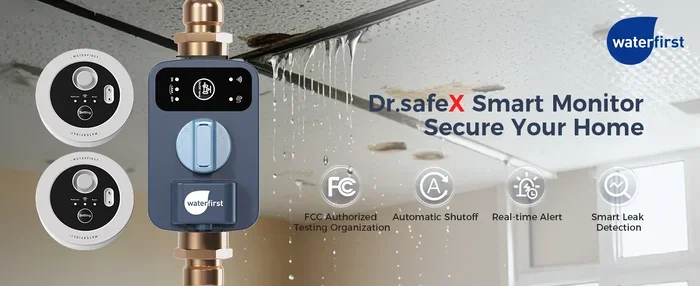
Modern smart water sensors go a step further. They connect to your home Wi-Fi network and send real-time alerts. Some even integrate with smart home ecosystems like Alexa or Google Home. You can get a notification on your phone the moment moisture is detected.
For example, if you are at work and a pipe bursts at home, your detector can send you an alert instantly. This means you can call a plumber or shut off the water supply before the damage spreads. Some systems even work with automatic water shutoff valves, which stop the flow of water entirely when a leak is detected.
Types of Water Leak Detectors
Not all detectors are the same. Here are the main types you will find on the market:
- Standalone sensors: Small, battery-powered devices that sit on the floor. They beep when they detect water.
- Smart detectors: Connect to Wi-Fi and send phone alerts. Some include temperature monitoring too.
- Whole-home systems: These monitor your entire plumbing system. They can detect pressure changes and flow anomalies.
- Cable-based systems: Long sensing cables that you lay under floors or behind walls. Ideal for basements and crawl spaces.
Each type has its strengths. A standalone sensor works great near a washing machine or water heater. A whole-home system gives you broader coverage and deeper insights into your plumbing health.
Why You Need a Water Leak Detector
You might wonder why you need one at all. After all, you can see and hear a big leak, right? Not always. Some of the worst water damage comes from leaks you cannot see or hear.
Hidden Leaks Are Expensive
A slow leak behind a wall can go unnoticed for weeks or even months. By the time you spot it, the damage can be extensive. Mold starts growing within 24 to 48 hours of moisture exposure. Structural wood can rot. Drywall can crumble. All of this costs serious money to fix.
Many homeowners only discover hidden leaks after they receive a surprisingly high water bill spike. A water leak detector catches the problem long before the bill arrives.
Protection Against Common Leak Sources
Some areas in your home are more prone to leaks than others. Here are the most common trouble spots:
- Water heaters, especially older models
- Washing machine hoses
- Dishwasher connections
- Under bathroom sinks
- Basement floors and foundation walls
- Near toilets and bathtubs
- Outdoor hose bibs and irrigation systems
Placing a moisture sensor near each of these areas gives you layered protection. Even one detector near your water heater can save you from a catastrophic flood.
Do Smart Water Detectors Really Help?
Smart water leak monitoring devices have changed the game. They offer features that basic detectors simply cannot match. But do they really help, or are they just a fancy upgrade?
Remote Alerts and Monitoring
Smart detectors send alerts directly to your smartphone. You can check your home’s status from anywhere in the world. This is especially useful when you are on vacation or at work. Some detectors even track humidity levels and temperature changes, giving you a fuller picture of your home’s environment.
Because many of these devices rely on wireless connectivity, you need a reliable internet connection. If you are curious about how far wireless signals can reach, check out our guide on Can Wireless Wi-Fi Work Anywhere for helpful insights on connectivity range.
Integration with Smart Home Systems
Many smart detectors work with popular platforms. They connect to Alexa, Google Home, or Apple HomeKit. This means you can set up routines. For example, you could have your lights flash when a leak is detected, even if your phone is on silent.
Some homeowners also pair these detectors with other smart devices. For instance, a smart water shutoff valve can automatically stop water flow when a sensor triggers. This creates a fully automated protection system for your home.
Data and History Tracking
One advantage of smart detectors is data tracking. They log moisture events over time. This history can help you identify patterns. Maybe your washing machine hose leaks every few months. Or your basement gets damp during heavy rains. This data helps you take proactive steps.
Common Mistakes Homeowners Make with Leak Detectors
Even the best water leak alarm will not help if you use it wrong. Here are common mistakes to avoid:
- Placing detectors too far from problem areas: A detector in the living room won’t help if your water heater is in the garage.
- Ignoring battery replacements: Most standalone sensors run on batteries. If the battery dies, the detector does nothing.
- Relying solely on the detector: A detector is a safety net, not a replacement for regular plumbing maintenance.
- Not testing the device regularly: Test your detectors monthly to make sure they are working properly.
- Choosing the wrong type for your needs: A basic beeping sensor won’t help much if you are often away from home.
Avoiding these mistakes ensures your detector actually does its job. Think of it as part of your overall home protection devices strategy.
Do Water Leak Detectors Help with Insurance Claims?
This is a question many homeowners ask. The short answer is yes, but with some caveats.
Most insurance companies look favorably on homes with water damage prevention measures in place. Having a leak detection system can sometimes lower your premiums. It shows your insurer that you have taken steps to protect your property.
When you file a claim, documentation matters. If your smart detector logged an alert before the damage occurred, that record can support your claim. It proves you acted promptly and did not ignore the problem.
However, not all policies are the same. Some insurers may not offer discounts for leak detectors alone. It is always worth asking your provider about available discounts for home protection devices.
How to Choose the Right Water Leak Detector
With so many options available, picking the right one can feel overwhelming. Here are key factors to consider:
Coverage Area
How large is your home? A small apartment might only need one or two standalone sensors. A larger home with multiple bathrooms, a basement, and an outdoor hose bib will benefit from a whole-home system or multiple smart detectors.
Connectivity
Do you want phone alerts and remote monitoring? If yes, go with a smart detector that connects to Wi-Fi. If you just want a simple alarm, a basic standalone sensor works fine.
Keep in mind that some smart detectors use Bluetooth technology for short-range communication. If you are curious about how Bluetooth works across different devices, you might find our article on Does Bluetooth Work on Apple Watch Without iPhone interesting for understanding connectivity basics.
Power Source
Battery-powered detectors are easy to install and place anywhere. Hardwired detectors connect directly to your home’s electrical system and do not need battery changes. Some smart detectors use rechargeable batteries or USB charging.
Price Range
Basic standalone sensors cost between $10 and $30. Smart detectors range from $30 to $100 each. Whole-home systems can cost several hundred dollars. The price depends on features, coverage, and brand.
Brand Reputation and Reviews
Look for brands with solid customer reviews and reliable support. Popular options include devices from Honeywell, Govee, Moen, and Rachio. Read user reviews to understand real-world performance before buying.
Expert Insights on Water Leak Detection
We reached out to plumbing and home safety professionals to get their take on water leak detectors. Here is what they had to say:
Plumber perspective: “I have seen firsthand how a small leak can destroy a home. A $30 sensor can save a homeowner thousands. I recommend every home have at least one detector near the water heater and one near the washing machine.”
Insurance agent perspective: “Homeowners with leak detection systems often file fewer and smaller claims. It is a smart investment that pays for itself quickly.”
Smart home expert perspective: “Smart detectors are no longer a luxury. They are becoming a standard part of a well-equipped home. The ability to get instant alerts on your phone changes everything.”
These expert opinions reinforce what the data shows: water leak detectors genuinely work and provide real value.
Final Thoughts
So, do water leak detectors work? Absolutely. They are simple, effective, and affordable tools that every homeowner should consider. Whether you choose a basic sensor or a full smart home system, the protection they offer is well worth the investment.
A water leak detector gives you early warning. It helps you catch problems before they become disasters. It can even save you money on insurance and repair costs. In a world where hidden leaks cause billions in damage each year, having a leak detection system is not just smart, it is essential.
Start small. Place one detector near your most vulnerable spot. Then expand from there. Your home, your wallet, and your peace of mind will thank you.
FAQs
How accurate are water leak detectors?
Most modern water leak detectors are highly accurate. They use reliable sensor technology to detect moisture quickly. Smart models can distinguish between normal humidity and actual water leaks, reducing false alarms.
Can a water leak detector prevent all water damage?
No detector can prevent all damage, but early detection significantly reduces the risk. A water leak alarm gives you time to act before a small leak becomes a big problem. Pairing detectors with regular plumbing maintenance offers the best protection.
How long do water leak detectors last?
Most standalone sensors last between 3 and 5 years with proper care. Smart detectors may have a shorter lifespan due to electronic components. Regular testing and battery replacement help extend their life.
Do I need a professional to install a water leak detector?
Most detectors are designed for easy DIY installation. Standalone sensors simply sit on a flat surface or stick to a wall. Smart detectors usually connect to Wi-Fi through a companion app. Whole-home systems may require professional setup for the plumbing connections.
Are water leak detectors worth the cost?
Yes, they are worth every penny. The cost of a detector is tiny compared to the cost of water damage repairs. A single leak detector can save you hundreds or even thousands of dollars in the long run.
Can I use a water leak detector outdoors?
Some detectors are rated for outdoor use, but most standard models are designed for indoor environments. If you need outdoor detection, look for weather-resistant models or cable-based sensing systems designed for basements and crawl spaces.
Frequently Asked Questions
What is Do Water Leak Detectors Work?
Do Water Leak Detectors Work is an important topic with many practical applications.