Can You Bluetooth Garage Door Opener With These Simple Tips
Yes, you can Bluetooth garage door opener with the right equipment and a few simple steps. This guide shows you how to connect your smartphone, hub, or smart home system to control your door wirelessly. You’ll learn about compatible openers, apps, and setup tips that make life easier.
Key Takeaways
- Bluetooth is possible: Many modern garage door openers support Bluetooth or can be upgraded with a smart hub.
- Check compatibility first: Not all older openers have built-in Bluetooth; you may need a Wi-Fi adapter or MyQ module.
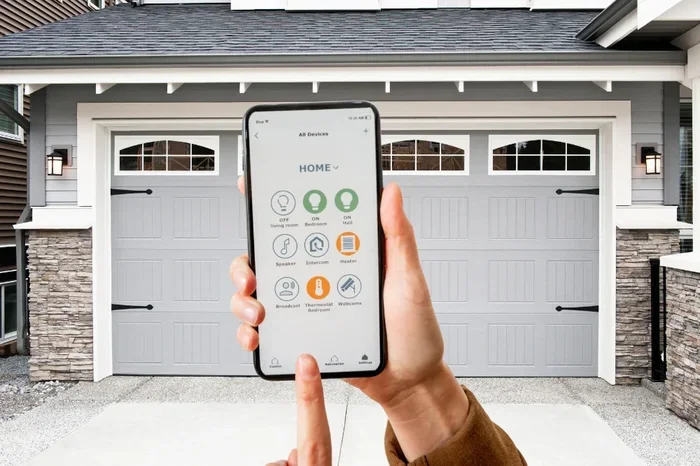
- Smartphone control is easy: Use the manufacturer’s app to open, close, and monitor your door from anywhere.
- Voice assistants work too: Pair with Alexa or Google Home for hands-free operation.
- Security matters: Use strong passwords, enable two-factor authentication, and keep your app updated.
- Installation is simple: Most Bluetooth upgrades take less than 30 minutes and require no wiring.
- Integration expands functionality: Connect with other smart home devices for automation routines.
📑 Table of Contents
- What Is a Bluetooth Garage Door Opener?
- Can You Bluetooth Garage Door Opener?
- How to Set Up Bluetooth Control
- Smart Home Integration: Alexa, Google Home, and More
- Upgrading Older Openers with a Bluetooth Module
- Security and Privacy Tips for Bluetooth Garage Doors
- Is a Bluetooth Garage Door Opener Worth It?
What Is a Bluetooth Garage Door Opener?
A Bluetooth garage door opener lets you control your door using a smartphone or tablet. Instead of a traditional remote, you use a wireless connection that works within a certain range. The technology is simple and reliable. You pair your phone with the opener just like you pair headphones with a speaker. Once connected, you can open, close, or check the status of your door from a few feet away. Many modern garage door systems come with Bluetooth built right in. If yours does not, you can often add a smart hub or adapter to get the same benefit.
The idea of wireless garage door control has been around for years. Early remotes used radio frequency signals. Bluetooth is a newer, more secure option. It uses short-range radio waves to create a personal network. This means only your paired device can control the door. You do not need a Wi-Fi connection for basic Bluetooth operation. That makes it a great choice for people who want simple, low-latency control without relying on the internet.
A Bluetooth garage door opener brings a new level of convenience to your daily routine. You no longer need to fumble for a remote in the dark. You can check if the door is closed while you are already at work. You can let a family member in even if you are stuck in traffic. These small moments of control add up to a big improvement in how you manage your home.
Can You Bluetooth Garage Door Opener?
The short answer is yes. You can Bluetooth garage door opener in most cases, but it depends on the model and age of your system. Newer openers from brands like Chamberlain, LiftMaster, and Genie often include Bluetooth support right out of the box. Older openers may need an add-on module. The good news is that adding Bluetooth is usually easy and affordable. You do not need to replace the entire opener. A small adapter or smart hub can bring wireless control to almost any garage door system.
Before you start, check your opener’s manual or the manufacturer’s website. Look for terms like “Bluetooth” or “smart connectivity.” If you see a MyQ or Wi-Fi module listed, your door is likely compatible. Some openers have a dedicated Bluetooth antenna. Others rely on a hub that bridges Bluetooth and your home network. Either way, the goal is the same: let you use your phone as a remote. This brings a new level of convenience to your daily routine.
How to Check If Your Opener Supports Bluetooth
Finding out if your opener supports Bluetooth takes just a few minutes. First, locate the model number on the back of the motor unit. Write it down or take a photo. Next, visit the manufacturer’s support page. Enter the model number and look for connectivity options. You will usually find a list of compatible accessories and apps. If Bluetooth is not listed, check for a Wi-Fi or smart hub option. Many Wi-Fi hubs also support Bluetooth pairing for local control.
Another quick way is to download the brand’s app. Open the app and follow the setup prompts. If the app finds your opener, you are good to go. If it does not, you may need a bridge or hub. Some apps will clearly tell you if Bluetooth is missing. They will suggest the exact module to buy. This saves you from guesswork. You know exactly what to purchase and install.
How to Set Up Bluetooth Control
Setting up Bluetooth control is straightforward. You will need a smartphone or tablet with Bluetooth turned on. Most systems use a free app from the manufacturer. The app guides you through each step. Here is a general process that works for many brands.
- Download the official app from the App Store or Google Play.
- Create an account with your email and a strong password.
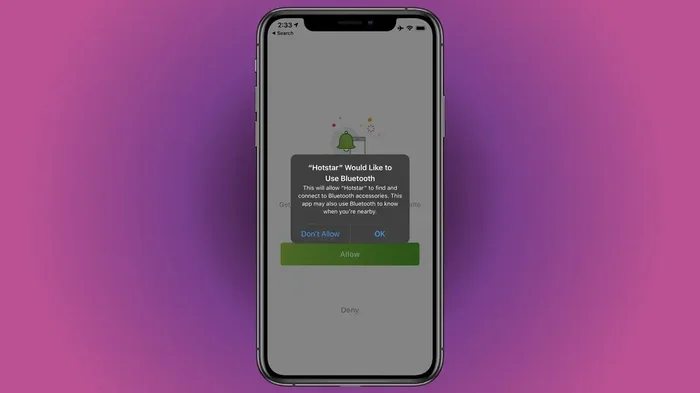
- Turn on Bluetooth on your phone.
- Open the app and select “Add New Opener.”
- The app will search for nearby Bluetooth signals.
- Select your garage door opener when it appears.
- Follow the on-screen prompts to complete pairing.
- Test the connection by opening and closing the door.
The whole process usually takes less than 10 minutes. If you run into issues, make sure your phone is within 30 feet of the opener. Bluetooth has a limited range, but that is enough for most homes. Also, check that no metal objects are blocking the signal. The motor unit is often mounted on the ceiling, so keep your phone nearby during setup.
Quick Tips for a Smooth Setup
- Update your app before starting. Newer versions fix bugs and improve pairing.
- Restart your phone if it does not find the opener. A simple reboot often solves connection issues.
- Keep the garage door closed during setup. This prevents accidental opening while you are configuring.
- Use the same account on all family devices. This lets everyone control the door from their own phone.
- Label your opener in the app. If you have multiple garage doors, naming them helps you avoid confusion.
Smart Home Integration: Alexa, Google Home, and More
Bluetooth is great for local control, but you can do even more with smart home integration. Many Bluetooth garage door openers now work with voice assistants. You can pair your opener with Alexa or Google Home. This lets you open the door using just your voice. Imagine coming home with your hands full of groceries. You simply say, “Alexa, open the garage door,” and it responds.
To set this up, you usually need a Wi-Fi bridge or hub. The hub connects to your Bluetooth opener and links it to your home Wi-Fi network. Once connected, you can add the garage door to your Alexa or Google Home app. You can then create routines. For example, you can set a routine that opens the garage door when you say “Good morning.” You can also get notifications on your phone when the door opens or closes. This adds a layer of security and peace of mind.
Comparing Bluetooth, Wi-Fi, and Traditional Remotes
Not all wireless garage door systems are the same. Bluetooth, Wi-Fi, and traditional remotes each have pros and cons. The table below helps you compare them.
| Feature | Bluetooth | Wi-Fi | Traditional Remote |
|---|---|---|---|
| Range | 30–50 feet | Anywhere with internet | 100–300 feet |
| Internet Required | No | Yes | No |
| Smartphone Control | Yes | Yes | No |
| Voice Assistant Support | Via hub | Yes | No |
| Security | Encrypted pairing | Account-based | Rolling code |
| Setup Difficulty | Easy | Moderate | Very easy |
As you can see, Bluetooth offers a balance of simplicity and smart features. It does not need the internet for basic operation, yet it can connect to voice assistants through a hub. This makes it a popular choice for smart home enthusiasts. If you want full remote access from anywhere, Wi-Fi is better. But for local, quick control, Bluetooth is hard to beat.
Expert Insight: Choosing the Right Protocol
Home automation expert Mark Dawson says, “Bluetooth is ideal for homeowners who want low-latency control without relying on cloud servers. It works even if your internet goes down. That alone makes it a reliable choice for garage doors.” He adds that pairing Bluetooth with a Wi-Fi bridge gives you the best of both worlds. You get local responsiveness and remote access when you need it.
Upgrading Older Openers with a Bluetooth Module
You do not need to buy a brand-new opener just to get Bluetooth. Many older models can be upgraded with a Bluetooth module or smart hub. These devices plug into the opener’s control board or connect via a wiring harness. They add smart features without replacing the entire unit. This is a cost-effective way to modernize your garage door system.
Popular upgrade options include the Chamberlain MyQ Smart Garage Hub and the LiftMaster 829LM Wi-Fi Adapter. These modules connect to your opener and then to your home network. Once set up, you can control the door from the manufacturer’s app. Some hubs also support Bluetooth directly. This means you can pair your phone without needing the internet for local commands. The hub simply acts as a bridge between your phone and the opener.
Step-by-Step Upgrade Guide
- Turn off power to the garage door opener at the circuit breaker.
- Locate the control wires on the back of the motor unit.
- Connect the Bluetooth module to the designated ports. Check the manual for wire colors.
- Mount the module near the motor unit using the included bracket.
- Restore power and wait for the module to boot up.
- Download the app and follow the pairing instructions.
- Test the door using the app and then the wall button.
Most upgrade kits come with clear instructions. If you are not comfortable with wiring, you can hire a local technician. The cost is usually under $100 for the module. This is much cheaper than a full opener replacement. You get smart features and extended the life of your current system.
Common Mistakes When Upgrading
- Forgetting to turn off power. Always disconnect electricity before touching wires.
- Using the wrong module. Check compatibility with your opener model before buying.
- Ignoring the range. Bluetooth range is limited. Place the hub centrally if your garage is large.
- Skipping firmware updates. After pairing, update the module’s firmware for the latest security patches.
- Not testing the door manually. Always test the door with the wall button after setup. This ensures the opener still works if the app fails.
Security and Privacy Tips for Bluetooth Garage Doors
Security is a top concern when you connect your garage door to a smartphone. Bluetooth uses encrypted pairing, which is more secure than older radio remotes. However, you still need to take steps to protect your system. A Bluetooth garage door opener is only as safe as the habits you build. Follow these tips to keep your door secure.
First, use a strong password for your garage door app account. Do not reuse passwords from other sites. Enable two-factor authentication if the app supports it. This adds a second layer of protection. Even if someone guesses your password, they cannot access your door without a code sent to your phone.
Second, keep your phone and app updated. Software updates often fix security vulnerabilities. Third, be careful when sharing access. Most apps let you invite family members or trusted friends. Only share with people you trust. You can also set time-limited access for guests. This ensures they can open the door only when needed.
Fourth, disable Bluetooth when you are away for long periods. Some apps allow you to turn off the Bluetooth antenna remotely. This prevents any potential unauthorized pairing. Finally, review the app’s privacy settings. Make sure location sharing is off unless you need it for geofencing features. Geofencing can auto-open the garage door when you approach home, but it uses your location data.
Quick Security Checklist
- Use a unique, strong password.
- Enable two-factor authentication.
- Update app and firmware regularly.
- Share access only with trusted people.
- Disable Bluetooth when away for days.
- Turn off location sharing if not needed.
By following these simple steps, you can enjoy the convenience of a Bluetooth garage door opener without worrying about unwanted access. Security and convenience can coexist. You get the freedom of wireless control and the peace of mind that comes with strong protections.
Is a Bluetooth Garage Door Opener Worth It?
After learning how to Bluetooth garage door opener, you might wonder if it is worth the effort. The answer depends on your lifestyle and needs. If you frequently forget to close the door, Bluetooth control is a game changer. You can check the status from your couch or car. You can let a delivery driver in remotely. These small conveniences add up over time.
Bluetooth is also a great stepping stone to a full smart home. You can integrate your garage door with other devices. For example, you can set a routine that turns on the garage light when the door opens. You can connect it to a security camera so you see who is entering. The possibilities grow as you add more smart devices. Bluetooth gives you the foundation to build on.
Cost is another factor. If your opener already has Bluetooth, the upgrade is free. If you need a hub or module, the cost is usually under $150. Compare that to the price of a new smart opener, which can be several hundred dollars. Upgrading is the smarter financial choice for most homeowners. You get modern features without a major investment.
In the end, a Bluetooth garage door opener brings simplicity, convenience, and peace of mind. It is a practical upgrade that fits most budgets. Whether you have a new opener or an older model, you can likely add this feature. Start with the steps in this guide and enjoy the freedom of wireless control. With these simple tips, you can Bluetooth garage door opener today and make your home smarter and more secure.
Frequently Asked Questions
Can any garage door opener be upgraded to Bluetooth?
Most openers can be upgraded with a Bluetooth module or smart hub. Check your model’s compatibility first. If the opener has a control board with available terminals, you can usually add a module. Older openers with proprietary wiring may need an adapter. The manufacturer’s website often lists compatible upgrade kits.
How far can Bluetooth reach for a garage door opener?
Bluetooth typically works within 30 to 50 feet. This is enough for most homes. The range depends on walls, metal objects, and the strength of the Bluetooth antenna. If your garage is far from your home, you may need a Wi-Fi bridge for longer range. For local control, Bluetooth is reliable and fast.
Is Bluetooth garage door control secure?
Yes, Bluetooth uses encrypted pairing which is more secure than older radio remotes. You should still use a strong app password and enable two-factor authentication. Keep your phone and app updated to patch any vulnerabilities. Disabling Bluetooth when away adds an extra layer of protection.
Do I need Wi-Fi to use a Bluetooth garage door opener?
No, basic Bluetooth control does not need Wi-Fi. You can open and close the door as long as your phone is within range. Wi-Fi is only needed if you want remote access from outside your home or voice assistant integration. A Wi-Fi bridge can add those features later.
What apps work with Bluetooth garage door openers?
Each brand usually has its own app. Chamberlain uses the myQ app. LiftMaster also uses myQ. Genie uses the Genie App. These apps are free and available on iOS and Android. They guide you through pairing and let you monitor door status, set schedules, and share access.
Can I use voice assistants with a Bluetooth garage door opener?
Yes, but you often need a Wi-Fi bridge or hub. The hub connects your Bluetooth opener to your home network. Then you can link it to Alexa or Google Home. This allows voice commands like “Alexa, open the garage door.” The hub handles the translation between Bluetooth and Wi-Fi.