Can You Use A Phone Charger As A Power Supply Safely
Yes, you can use a phone charger as a power supply in many situations, but safety depends on matching voltage, amperage, and polarity. A phone charger works well for low-power devices but may fall short for high-draw electronics. Always check your charger’s output specs and your device’s power requirements before plugging anything in.
This is a comprehensive guide about Can You Use A Phone Charger As A Power Supply.
Key Takeaways
- Phone chargers can work as power supplies for small electronics if the voltage and amperage match.
- Using the wrong charger risks damage to your device or even fire hazards.
- USB-C and USB-A chargers differ in power delivery capabilities and compatibility.
- Always check polarity and wattage before connecting a phone charger to any device.
- Proprietary chargers have unique specs that may not work with generic devices — learn more about proprietary system advantages and disadvantages.
- Communication protocols matter in power delivery — see how electronic commerce systems handle secure data transfer and power communication through value-added networks.
- When in doubt, use the manufacturer-recommended power supply for best results.
[FEATURED_IMAGE_PLACEHOLDER]
Have you ever been stuck with a dead gadget and only a phone charger nearby? It is a frustrating situation that happens to almost everyone. The quick question that pops into your head is simple — can you use a phone charger as a power supply? The answer is yes, but with some important caveats you need to know first.
Using a phone charger as a power supply is more common than you think. People do it all the time for routers, speakers, LED lights, and small electronics. But not all phone chargers are created equal. Some can handle the job just fine, while others might cause problems you do not want to deal with.
This guide walks you through everything you need to know. We will cover how phone chargers work as power supplies, the risks involved, when it is safe, and when it is not. By the end, you will feel confident about using your phone charger in new ways without putting your devices at risk.
What Does It Mean to Use a Phone Charger as a Power Supply?
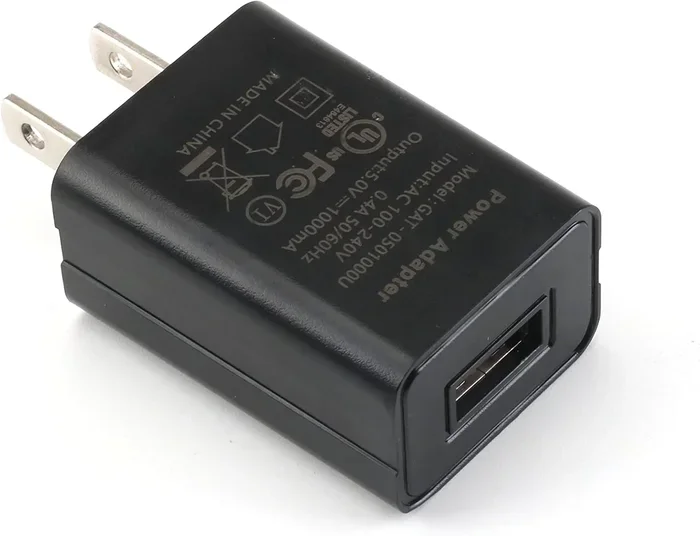
A phone charger is basically a small power supply on its own. It takes AC power from your wall outlet and converts it into DC power that your phone can use. So technically, every phone charger is already a power supply. The real question is whether it can safely power other devices besides your phone.
When people ask this question, they usually mean one of two things:
- Can I plug a non-phone device into my phone charger? For example, using a phone charger to power a small speaker or a router.
- Can I use a phone charger cable and adapter for a different gadget? Like using a USB-C phone charger to power a tablet or a portable fan.
Both scenarios are common and totally doable in many cases. The key is understanding what your charger can handle and what your device needs.
How Phone Chargers Deliver Power
Phone chargers come with two main specs you need to know:
- Voltage (V): This is the electrical pressure. Most phone chargers output 5 volts. Some fast chargers go up to 9, 12, or even 20 volts.
- Amperage (A): This is the electrical current. Standard phone chargers usually provide 1 to 3 amps. Fast chargers can go higher.
Together, voltage multiplied by amperage gives you wattage (W). A 5V, 2A charger delivers 10 watts. A 9V, 2A charger delivers 18 watts. Your device will only draw the power it needs, but the charger must be able to supply enough.
Can You Safely Use a Phone Charger for Other Devices?
The short answer is yes, in many cases. But safety depends on matching the right specs. Let us break this down so it is easy to understand.
Devices That Work Great with Phone Chargers
Many small, low-power devices work perfectly with a phone charger. Here are some examples:
- Bluetooth speakers — Most draw 1 to 2 watts, well within a phone charger’s range.
- LED strip lights — These often run on 5V and work great with standard phone chargers.
- Portable fans — Small USB fans need very little power.
- Routers and modems — Some use 5V or 12V inputs that match phone charger outputs.
- Digital cameras and action cams — Many accept USB charging.
- E-readers and small tablets — These often charge fine with phone chargers.
Devices That Need More Power
Some devices simply need more juice than a phone charger can provide. Using a phone charger for these may result in slow charging or no charging at all:
- Laptops — Most need 45 to 100 watts. Phone chargers max out around 18 to 100 watts for newer USB-C models.
- Large tablets — iPads and similar tablets often need higher amperage.
- Power tools with USB charging — These draw significant current.
- External hard drives — Some need more power than a single USB port provides.
Understanding Voltage, Amperage, and Polarity
These three terms sound technical, but they are actually simple once you know the basics. Let us walk through each one.
Voltage: The Push Behind the Power
Think of voltage like water pressure in a hose. Too little pressure, and the water barely trickles. Too much pressure, and the hose bursts. Your device needs the right voltage to work properly.
Most phone chargers output 5 volts. Some fast chargers output 9 or 12 volts. If your device expects 5 volts and you feed it 12 volts, you risk damaging it. Always match the voltage first.
Amperage: The Flow Rate
Amperage is like the volume of water flowing through the hose. A device will only draw as much current as it needs. So a charger rated for 3 amps can safely power a device that only needs 1 amp. The device takes what it wants, and the charger does not push extra current.
Here is the important part: a charger with too low amperage can overheat. If your device needs 2 amps but your charger only provides 1 amp, the charger will struggle. It may get hot, charge slowly, or shut off entirely.
Polarity: The Direction of Current
Polarity matters when you are using a barrel connector or a non-USB charger. The center pin of the plug can be positive or negative. If you reverse polarity, you can damage your device. USB chargers handle this automatically, so polarity is not a concern with standard USB cables.
| Spec | What It Means | Typical Phone Charger | What to Watch For |
|---|---|---|---|
| Voltage (V) | Electrical pressure | 5V (standard), 9V-20V (fast) | Match device voltage exactly |
| Amperage (A) | Electrical current | 1A to 3A | Charger amperage should equal or exceed device need |
| Wattage (W) | Total power (V x A) | 5W to 60W | Should meet or exceed device requirement |
| Polarity | Current direction | Not an issue with USB | Check center pin for barrel connectors |
Risks of Using a Phone Charger as a Power Supply
Using a phone charger as a power supply is not without risks. Most of the time, everything works fine. But there are situations where things can go wrong.
Overheating
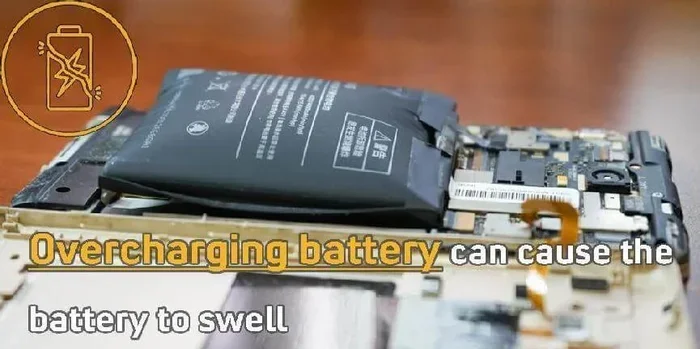
If your charger cannot supply enough current, it will heat up. Prolonged overheating can damage the charger, the cable, or the device you are powering. In rare cases, it can even cause a fire. This is why you should never use a charger that feels hot to the touch during normal operation.
Voltage Mismatch
Feeding the wrong voltage to a device is one of the fastest ways to fry it. A small voltage difference might not cause immediate damage, but over time it can wear out components. A large mismatch will likely destroy the device instantly.
Slow or No Charging
Sometimes a phone charger simply does not provide enough power. Your device will charge very slowly or not at all. This is not dangerous, but it is frustrating. If your phone charger cannot keep up, you may need a stronger power supply.
Damaged Cables and Connectors
Using the wrong cable or forcing a connector that does not fit can damage both the cable and the device port. Always use the right connector type and make sure it fits snugly without forcing it.
When It Works and When It Does Not
Knowing when a phone charger can serve as a power supply saves you time and protects your gear. Here is a practical guide.
Green Light: Safe to Use
- The device uses USB input (USB-A or USB-C).
- The voltage matches exactly (usually 5V).
- The charger’s amperage rating meets or exceeds the device’s requirement.
- The connector fits properly without forcing.
Yellow Light: Proceed With Caution
- The device uses a non-USB connector and you are using an adapter.
- The charger is a fast charger with variable voltage (check if the device can handle it).
- The charger amperage is close to but slightly below the device requirement.
Red Light: Do Not Use
- The voltage does not match at all.
- The charger is damaged, cracked, or frayed.
- The device requires significantly more wattage than the charger can provide.
- The polarity is wrong for non-USB connectors.
When you are unsure, it is always better to use the manufacturer-recommended power supply. Taking a few extra minutes to check specs can save you from costly repairs or replacements.
Quick Tips for Using a Phone Charger as a Power Supply
Here are some practical tips to keep in mind whenever you use your phone charger to power something other than your phone:
- Check the label first. Look at the charger and the device for their voltage and amperage ratings. Match them before plugging anything in.
- Use quality cables. Cheap cables can overheat or fail under load. Stick with reputable brands or certified cables.
- Do not leave it unattended. Especially when testing a new setup, stay nearby for the first few minutes to watch for overheating.
- Keep it ventilated. Do not pile chargers under pillows or blankets. Airflow helps prevent overheating.
- Unplug when done. Do not leave chargers plugged in and unused for long periods. This saves energy and reduces fire risk.
- Consider a USB power meter. These cheap tools let you see exactly how much voltage and current your device is drawing. They are great for peace of mind.
Expert Insights on Phone Chargers as Power Supplies
Electrical engineers and tech experts agree that phone chargers are versatile tools. Most modern phone chargers are designed with safety circuits that prevent overcurrent, overvoltage, and short circuits. This makes them reasonably safe to use as power supplies for compatible devices.
However, experts also warn about one thing: do not assume all USB chargers are the same. A charger designed for a basic phone may not have the same safety features as a high-quality charger from a reputable brand. Cheap, unbranded chargers sometimes skip safety components to cut costs. This is where real danger enters the picture.
Another expert tip: look for chargers that are USB-IF certified or carry safety certifications like UL, CE, or FCC marks. These certifications mean the charger has been tested and meets safety standards. When you are using a phone charger as a power supply, this extra layer of protection matters.
Some people also wonder whether using a phone charger as a power supply voids warranties. Generally, if you damage a device by using an incompatible charger, the manufacturer may not cover the repair. Always check your device warranty terms before experimenting with alternative power sources.
Common Mistakes People Make
Here are the most common errors people make when using phone chargers as power supplies:
- Ignoring voltage requirements. This is the number one cause of device damage. Always match voltage first.
- Using a damaged charger. Cracked casings, bent plugs, and frayed cables are red flags. Replace them immediately.
- Forcing connectors. If a plug does not fit, do not force it. You risk damaging the port or creating a short circuit.
- Overloading the charger. Plugging in a device that draws more power than the charger can provide will overheat the charger.
- Ignoring heat. If a charger or device gets unusually warm during charging, unplug it and investigate.
Avoiding these simple mistakes goes a long way in keeping your devices safe and your charger working properly.
Frequently Asked Questions
Can I use any phone charger to power a small speaker?
Most small speakers with USB inputs work fine with standard phone chargers. Just make sure the voltage matches (usually 5V) and the charger provides enough amperage. Check the speaker’s manual for its power requirements before plugging it in.
Will using a phone charger damage my device?
It will not damage your device if the voltage, amperage, and polarity all match. The risk comes from mismatched specs or using a damaged charger. Always verify the charger’s output before connecting it to any device.
Can a phone charger power a laptop?
Some newer laptops support USB-C charging, and high-wattage phone chargers (65W or more) can work. However, most standard phone chargers are not powerful enough for laptops. Check your laptop’s wattage requirement and compare it to your charger’s output.
Is it safe to leave a phone charger plugged in as a power supply overnight?
It is generally safe if the charger and device are in good condition and properly matched. Modern chargers have built-in safety circuits that stop charging when the device is full. Still, it is a good habit to unplug devices when you are not actively monitoring them.
What happens if I use a 9V charger on a 5V device?
This is dangerous. The higher voltage can overwhelm the device’s internal circuits and cause permanent damage. Always match the voltage exactly. If you need to step down voltage, use a proper voltage converter or regulator.
Can I use a phone charger with a barrel connector adapter for non-USB devices?
Yes, but you must be very careful. Make sure the adapter matches the correct voltage, amperage, and polarity. Barrel connectors have a center pin that can be positive or negative, and getting this wrong can damage your device. Always double-check the wiring before connecting.
Final Thoughts
Using a phone charger as a power supply is practical, convenient, and often perfectly safe. The key is understanding your charger’s output and matching it to your device’s needs. Voltage, amperage, and polarity are the three things you must always check before making a connection.
Most of the time, your phone charger will handle small electronics with ease. Speakers, LED lights, fans, routers, and cameras all work well with a standard phone charger. But for high-power devices like laptops or large tablets, you may need a stronger power supply unit.
Safety should always come first. Never use a damaged charger, never force a connector, and never ignore warning signs like overheating. A few minutes of checking specs can save you from expensive repairs or dangerous situations.
Now that you know the ins and outs of using a phone charger as a power supply, you can make informed decisions. Grab your charger, check the label, and power up your devices with confidence. You have got this.
Frequently Asked Questions
What is Can You Use A Phone Charger As A Power Supply?
Can You Use A Phone Charger As A Power Supply is an important topic with many practical applications.