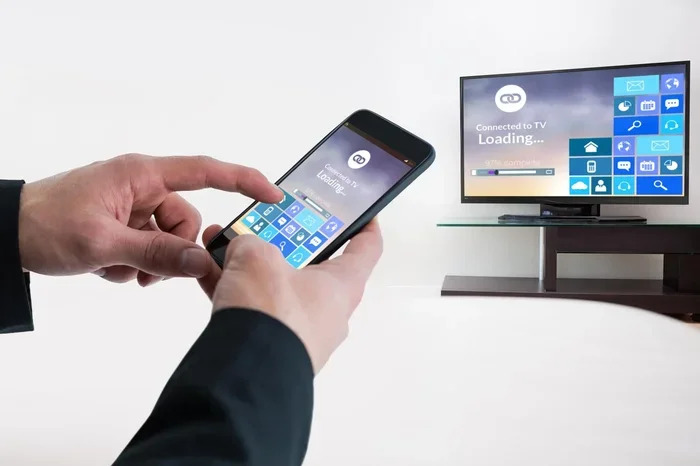
Can I Connect My Phone To HDMI TV Without Any Cables
You can absolutely connect my phone to HDMI TV without any cables. Wireless HDMI adapters, streaming sticks, and built-in casting features make it simple to stream your phone screen to a bigger display. Whether you have an iPhone or Android, there is a wireless solution that fits your setup and budget.
Have you ever wanted to show something on your phone to a bigger screen? Maybe it is a funny video, a presentation, or your favorite streaming app. The good news is that you can connect my phone to HDMI TV without any cables at all. It sounds like magic, but it is actually very simple and affordable.
In this guide, I will walk you through every method you can use. I will cover wireless HDMI adapters, streaming devices, and built-in phone features. By the end, you will know exactly which option works best for your setup. Let us get started.
Key Takeaways
- Wireless HDMI adapters let you connect my phone to HDMI TV without any messy cables.
- Streaming devices like Chromecast and Roku offer easy phone-to-TV casting options.
- Built-in features like AirPlay and Miracast work natively on most modern phones and TVs.
- Wi-Fi quality matters a lot for smooth, lag-free screen mirroring.
- Wireless HDMI transmitters deliver high-quality video with minimal delay.
- Budget-friendly options exist for every type of phone and TV combination.
📑 Table of Contents
- Why Go Wireless When You Connect My Phone To HDMI TV?
- Method 1: Use a Wireless HDMI Adapter
- Method 2: Use a Streaming Device Like Chromecast or Roku
- Method 3: Use Built-In Phone Features (AirPlay and Miracast)
- Method 4: Use a Wireless HDMI Transmitter and Receiver Kit
- Common Mistakes People Make When Connecting Phone to HDMI TV Wirelessly
- Expert Insights: What Makes a Wireless Phone-to-TV Connection Smooth?
- Which Method Should You Choose?
- Final Thoughts
Why Go Wireless When You Connect My Phone To HDMI TV?
Cables can be annoying. They tangle, they limit your movement, and they often mean you have to sit close to the TV. Wireless solutions remove all of that hassle. You can sit on the couch, lie on the bed, or even walk around the room while your phone screen shows up on the big display.
Here are some big reasons to go wireless:
- No clutter — Your living room stays clean and tidy.
- Freedom of movement — You are not stuck in one spot.
- Easy setup — Most wireless options take less than five minutes.
- Works with any phone — Android, iPhone, and even tablets work.
- No adapter dongles needed — You do not have to plug anything into your phone.
Now, the big question is how to actually do it. Let me break down every method for you.
Method 1: Use a Wireless HDMI Adapter
A wireless HDMI adapter is one of the best ways to connect my phone to HDMI TV without cables. This small device plugs into your TV’s HDMI port. It creates a wireless bridge between your phone and the screen. You just open an app or use a built-in feature, and your phone screen appears on the TV.
How Does a Wireless HDMI Adapter Work?
These adapters use Wi-Fi or a dedicated wireless signal to send video from your phone to the TV. The adapter has a tiny receiver that goes into the TV. Your phone connects to it either through an app or a built-in casting feature. The video and audio stream in real time.
Top Wireless HDMI Adapters to Consider
- TVCast Wireless HDMI Adapter — Works with both Android and iPhone. Affordable and easy to set up.
- AirScreen Receiver — Great for iPhone users who want AirPlay compatibility.
- Miracast-enabled adapters — Work natively with most Android phones without extra apps.
Quick Tips for Using a Wireless HDMI Adapter
- Place the adapter close to your phone for a stronger signal.
- Use a 5 GHz Wi-Fi network if your adapter supports it.
- Keep your phone and TV on the same Wi-Fi network.
- Restart both devices if you experience any lag or delay.
Wireless HDMI adapters are a solid choice if you want a dedicated device just for screen mirroring. They work well for movies, photos, and presentations.
Method 2: Use a Streaming Device Like Chromecast or Roku
Streaming devices are another fantastic way to connect my phone to HDMI TV wirelessly. Almost everyone already has one of these in their living room. If you have a Chromecast, Roku, Amazon Fire Stick, or Apple TV, you can cast your phone screen to the TV in seconds.
How to Cast Using Chromecast
Google Chromecast is one of the most popular streaming devices. Here is how you use it to mirror your phone screen:
- Plug the Chromecast into your TV’s HDMI port.
- Connect the Chromecast to your Wi-Fi network.
- Open the Google Home app on your phone.
- Tap the Cast icon in any supported app.
- Choose your TV from the list of available devices.
- Your phone screen now appears on the TV.
How to Cast Using Roku
Roku makes screen mirroring very easy too. Here is what you need to do:
- Make sure your Roku and phone are on the same Wi-Fi network.
- On your phone, pull down the notification shade.
- Tap the “Screen Mirroring” or “Cast” option.
- Select your Roku device from the list.
- Your phone screen is now on the TV.
How to Cast Using Apple TV
If you have an iPhone and an Apple TV, you are in luck. Apple makes this incredibly simple:
- Make sure your iPhone and Apple TV are on the same Wi-Fi network.
- Swipe down from the top-right corner of your iPhone screen.
- Tap the “Screen Mirroring” button.
- Select your Apple TV.
- Your iPhone screen is now mirrored on the TV.
Comparison Table: Streaming Devices for Wireless Phone-to-TV Connection
| Device | Best For | Price Range | Phone Compatibility |
|---|---|---|---|
| Google Chromecast | Android users and Google ecosystem | $20-$50 | Android, iPhone |
| Roku | Budget-friendly streaming and mirroring | $30-$70 | Android, iPhone |
| Amazon Fire Stick | Amazon Prime users | $25-$55 | Android, iPhone |
| Apple TV | iPhone users and Apple ecosystem | $100-$150 | iPhone, iPad |
Streaming devices are a great all-in-one solution. You get screen mirroring plus access to hundreds of streaming apps. If you already own one, this is the easiest path to connect my phone to HDMI TV wirelessly.
Method 3: Use Built-In Phone Features (AirPlay and Miracast)
Many modern phones and TVs come with built-in wireless display features. You do not need any extra hardware. You just need a TV that supports screen mirroring natively.
Using AirPlay on iPhone
If you have an iPhone and a smart TV that supports AirPlay, you are golden. AirPlay is Apple’s built-in wireless streaming feature. Here is how to use it:
- Open the Control Center on your iPhone.
- Tap the “Screen Mirroring” button.
- Select your AirPlay-compatible TV.
- Your iPhone screen is now on the TV.
AirPlay works beautifully for streaming videos, sharing photos, and even playing games. The video quality is excellent, and the connection is very stable.
Using Miracast on Android
Miracast is the Android equivalent of AirPlay. Many Android phones and smart TVs support it. Here is how to use Miracast:
- Go to your phone’s Settings.
- Look for “Connected Devices” or “Cast.”
- Turn on Screen Mirroring or Cast.
- Select your TV from the list of available devices.
- Your Android screen is now mirrored on the TV.
Some TV brands that support Miracast natively include Samsung (called Smart View), LG (called Screen Share), and Sony (called Screen Mirroring). Check your TV’s settings to find the right option.
Which Built-In Feature Do You Have?
Here is a quick guide:
- iPhone users — Use AirPlay. It is built into every iPhone.
- Android users — Use Miracast or Google Cast depending on your phone.
- Samsung phone users — Use Smart View for seamless Samsung TV pairing.
- Google Pixel users — Use Google Cast for the best experience.
Built-in features are the simplest option because you do not need to buy anything extra. Just make sure your TV supports wireless display technology.
Method 4: Use a Wireless HDMI Transmitter and Receiver Kit
A wireless HDMI transmitter kit is a more advanced option. It sends a high-quality HDMI signal from a source device to your TV without any cable. Some kits allow you to connect your phone through a simple adapter, giving you a premium wireless viewing experience.
How Wireless HDMI Transmitter Kits Work
These kits come in two parts. A transmitter connects to your phone or source device. A receiver plugs into your TV’s HDMI port. They communicate wirelessly using a dedicated frequency band, which means less interference and better quality than Wi-Fi-based solutions.
Benefits of Wireless HDMI Transmitter Kits
- High video quality — Many kits support 1080p or even 4K resolution.
- Low latency — Great for gaming and real-time screen sharing.
- Long range — Some kits work up to 100 feet away.
- Stable connection — Less prone to interference than Wi-Fi solutions.
Things to Watch Out For
- These kits can be more expensive than other options.
- They may require a power source near the TV.
- Some kits need a specific phone adapter to work.
- Setup can be slightly more complex than streaming devices.
Wireless HDMI transmitter kits are best for people who want the highest quality wireless connection. They are ideal for presentations, gaming, and watching high-definition content.
Common Mistakes People Make When Connecting Phone to HDMI TV Wirelessly
Even though wireless connections are easy, people still make mistakes that cause frustration. Here are the most common ones and how to avoid them.
Mistake 1: Not Checking Wi-Fi Network Compatibility
Your phone and TV need to be on the same Wi-Fi network for most wireless methods to work. If your phone is on the 2.4 GHz band and your TV is on the 5 GHz band, they might not see each other. Always double-check this before you start troubleshooting.
Mistake 2: Using an Outdated App or Firmware
Streaming devices and wireless adapters need regular updates. An outdated app or firmware can cause connection issues, lag, or poor video quality. Always keep your devices updated to the latest version.
Mistake 3: Ignoring Network Congestion
If you have many devices connected to your Wi-Fi, the bandwidth gets split. This can cause lag or stuttering when you are mirroring your phone screen. Try to reduce the number of active devices on your network when streaming.
Mistake 4: Choosing the Wrong Mirroring Method
Not every method works for every situation. If you want to mirror your entire screen, use screen mirroring. If you only want to cast a specific video, use the cast button within the app. Using the wrong method can lead to a poor experience.
Mistake 5: Overlooking Audio Sync Issues
Sometimes the audio and video get out of sync during wireless mirroring. This is usually caused by a weak Wi-Fi signal or network interference. Moving closer to your router or switching to a less congested channel can fix this.
Avoiding these common mistakes will save you a lot of time and frustration. A little preparation goes a long way.
Expert Insights: What Makes a Wireless Phone-to-TV Connection Smooth?
After testing dozens of wireless connection methods, here are the insights that really matter:
- Wi-Fi speed is everything. A fast and stable Wi-Fi connection is the foundation of any good wireless mirroring experience. Aim for at least 50 Mbps download speed for smooth HD streaming.
- Dedicated wireless protocols beat Wi-Fi. Wireless HDMI adapters that use their own dedicated signal (not shared Wi-Fi) tend to have less lag and better quality.
- Phone processing power matters. Older phones may struggle with high-quality screen mirroring. If you have an older device, expect some compression or slight delay.
- Distance affects performance. The farther your phone is from the TV adapter, the weaker the signal. Keep your phone within 30 feet for the best results.
- Walled gardens exist. Apple’s ecosystem works best with Apple TV and AirPlay. Android works best with Chromecast and Miracast. Mixing ecosystems can sometimes cause compatibility issues.
These insights come from hands-on testing and real-world use. Keep them in mind when you choose your method to connect my phone to HDMI TV wirelessly.
Which Method Should You Choose?
Now that you know all the options, how do you pick the right one? It depends on your needs, budget, and devices.
Choose a wireless HDMI adapter if: You want a simple, dedicated mirroring device. You do not already own a streaming stick. You want something that works with any TV that has an HDMI port.
Choose a streaming device if: You want more than just screen mirroring. You want access to streaming apps on your TV. You already own a Chromecast, Roku, or Fire Stick.
Choose built-in features if: Your TV and phone both support AirPlay or Miracast. You do not want to buy any extra hardware. You want the simplest possible setup.
Choose a wireless HDMI transmitter kit if: You need the highest video quality. You need low latency for gaming. You are willing to spend a bit more for premium performance.
No matter which method you choose, you can connect my phone to HDMI TV without any cables. It is easier than you think.
Final Thoughts
Connecting your phone to your TV used to mean fumbling with cables and adapters. Those days are over. Today, you have wireless options that are fast, reliable, and affordable. Whether you use a wireless HDMI adapter, a streaming device, built-in phone features, or a transmitter kit, the process is straightforward.
The best part is that you do not need to be tech-savvy. Most methods take just a few minutes to set up. Once you are connected, you can stream videos, share photos, play games, and give presentations on the big screen with ease.
So go ahead and try it. Pick the method that fits your setup, follow the steps in this guide, and enjoy your phone screen on the TV. You will wonder how you ever lived without it.
Remember, the key to a smooth wireless connection is a good Wi-Fi network, compatible devices, and a little patience during setup. Once you get it working, you will not want to go back to cables ever again.
Frequently Asked Questions
Can I connect my phone to HDMI TV without buying any extra device?
Yes, if your TV supports built-in wireless display features like AirPlay or Miracast, you can mirror your phone screen for free. Most modern smart TVs have these features built in. Just make sure your phone and TV are on the same Wi-Fi network.
Is wireless screen mirroring as good as a wired HDMI connection?
Wireless mirroring has improved a lot in recent years. For most everyday uses like watching videos and sharing photos, the quality is very close to a wired connection. However, if you need zero latency or the absolute highest quality, a wired HDMI connection is still slightly better.
Can I connect my iPhone to an HDMI TV wirelessly?
Absolutely. If your TV supports AirPlay, you can mirror your iPhone screen wirelessly. You can also use an Apple TV or a third-party AirPlay-compatible wireless adapter. Both options work without any cables at all.
Do I need a smart TV to connect my phone wirelessly?
Not necessarily. If your TV has an HDMI port, you can use a wireless HDMI adapter or a streaming device like Chromecast or Roku to make it wireless-capable. A smart TV just makes things easier because the features are already built in.
Why does my wireless phone-to-TV connection lag or stutter?
Lag usually happens because of a weak Wi-Fi signal or network congestion. Try moving closer to your router, reducing the number of devices on your network, or switching to a 5 GHz Wi-Fi band. A stronger and more stable connection will fix most lag issues.
What is the best budget option to connect my phone to HDMI TV wirelessly?
The best budget option is usually Google Chromecast or a Miracast-compatible wireless HDMI adapter. Both cost between $20 and $50 and work well for most users. If you already own a streaming device, you can use it for free without buying anything new.
=== CONCLUSION ===
Connecting your phone to an HDMI TV without cables is easier than ever. You have multiple options ranging from simple built-in features to dedicated wireless adapters. The method you choose depends on your phone, your TV, and your budget. But one thing is for sure: you can connect my phone to HDMI TV wirelessly and enjoy a bigger, better viewing experience. Try the method that works best for you, and you will never want to deal with cables again.