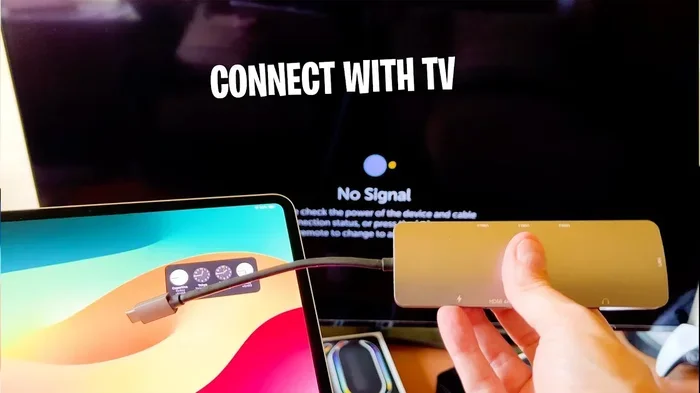
Can I Hook My Ipad To My Tv Using Usb For Streaming
Can I Hook My Ipad To My Tv Using Usb is an essential topic that provides valuable insights.
Key Takeaways
- Understanding Can I Hook My Ipad To My Tv Using Usb: Provides essential knowledge
📑 Table of Contents
- Why Would You Want to Connect Your iPad to Your TV?
- What You Need to Know About USB Connections for iPad
- Step-by-Step: How to Hook iPad to TV Using USB
- Best Adapters and Cables for iPad-to-TV Setup
- Common Mistakes and How to Avoid Them
- Troubleshooting: What to Do When the Connection Fails
- Alternatives to USB for Streaming iPad to TV
- Key Takeaways
Why Would You Want to Connect Your iPad to Your TV?
There are many reasons people want to connect iPad to TV using a USB cable. The biggest one is simple — bigger screens are more fun. Watching a show on a 55-inch TV feels completely different from staring at a 10-inch iPad screen.
Here are some of the most popular reasons people make this connection:
- Movie nights: Stream Netflix, Disney Plus, or Amazon Prime on a large display.
- Photo sharing: Show vacation photos or family pictures on the TV for everyone to see.
- Gaming: Play iPad games on a bigger screen for a more immersive experience.
- Presentations: Use your iPad as a presentation screen for work or school.
- Music videos: Play music videos from YouTube or TikTok on the TV.
- No WiFi needed: A USB connection can work without a wireless network, which is a big plus.
When you hook iPad to TV using USB, you get a stable, reliable connection. Unlike wireless streaming, there is no lag, no buffering from signal issues, and no need to be on the same WiFi network. That alone makes USB a great option for many people.
Quick Tip: Think About Your iPad Model
Not all iPads are the same. Older iPads use a Lightning port, while newer models use USB-C. Before buying any adapter, check which port your iPad has. This small step saves a lot of time and money later.
What You Need to Know About USB Connections for iPad
Understanding how USB connections work with iPads is the first step to a successful setup. There are two main types of USB ports on iPads today, and each one works a little differently.
Lightning vs USB-C: What Is the Difference?
The Lightning connector has been Apple’s standard charging port for years. It is found on older iPad models like the iPad Air 2, iPad Mini 4, and some iPad Pro models from before 2018. Lightning cables are small and have a flat, asymmetric shape.
USB-C is the newer standard. It is found on iPad Pro models from 2018 onward, iPad Air 4 and later, and the iPad 10th generation. USB-C is a reversible connector — meaning you can plug it in either way — and it supports faster data transfer and video output.
Here is a simple comparison of the two:
| Feature | Lightning | USB-C |
|---|---|---|
| Found on | Older iPad models | Newer iPad models (2018+) |
| Video output support | Yes, with adapter | Yes, with adapter |
| Reversible plug | No | Yes |
| Charging speed | Standard | Faster |
| Price of adapters | Lower | Moderate |
Does USB Support Video Output?
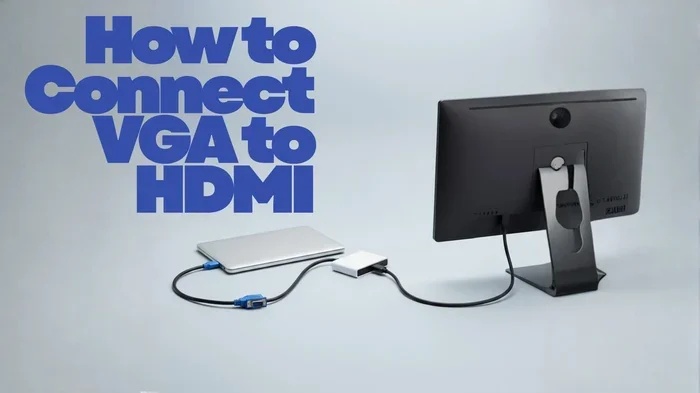
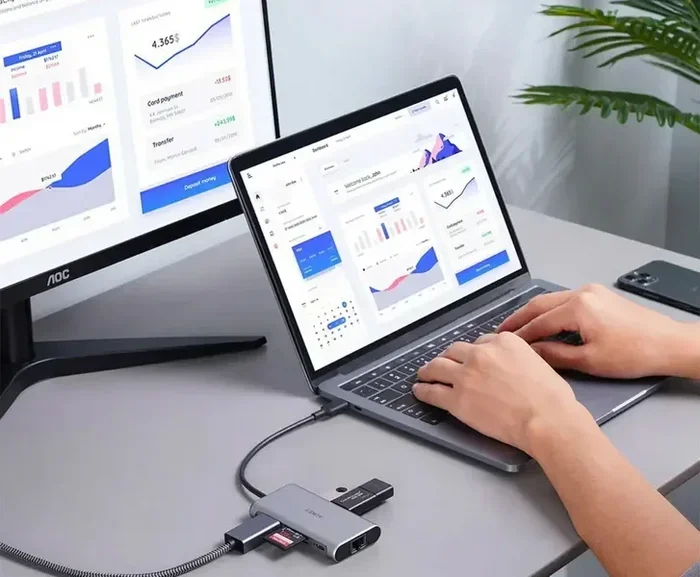
This is a common question, and the answer is yes — but with a catch. A plain USB cable by itself cannot carry video signals. You need a special adapter that converts the USB or USB-C signal into an HDMI signal that your TV can read. These adapters are affordable and widely available.
The adapter acts as a bridge between your iPad and your TV. It takes the digital output from your iPad and translates it into a format your television understands. Without this adapter, a USB cable alone will only charge your iPad — it will not send video to the TV.
Step-by-Step: How to Hook iPad to TV Using USB
Setting up a USB connection between your iPad and TV is straightforward. Follow these steps and you will be watching big-screen content in minutes.
Step 1: Gather Your Equipment
Before you start, make sure you have everything you need:
- Your iPad
- A USB or USB-C cable that fits your iPad
- The right adapter (Lightning to HDMI or USB-C to HDMI)
- An HDMI cable
- A TV with an available HDMI port
Step 2: Connect the Adapter to Your iPad
Plug the adapter into the charging port on the bottom of your iPad. Make sure it clicks in firmly. If you are using a Lightning adapter, the cable will go into the adapter. If you are using a USB-C adapter, your USB-C cable connects directly to the adapter.
Step 3: Attach the HDMI Cable
Take your HDMI cable and plug one end into the adapter. Plug the other end into an open HDMI port on your TV. Use a port that is labeled clearly, like HDMI 1 or HDMI 2 — you will need to select this input later.
Step 4: Switch Your TV to the Correct Input
Use your TV remote to change the input source. Look for a button labeled “Input,” “Source,” or “HDMI.” Select the HDMI port you plugged the cable into. You should see your iPad screen appear on the TV.
Step 5: Trust the Connection
If this is the first time you have connected your iPad to the TV, a prompt may appear on your iPad screen asking if you trust the device. Tap “Trust” and enter your passcode if needed. This allows the video signal to flow properly.
Quick Tip: Keep Your iPad Charged
Streaming video uses a lot of battery power. When you mirror your iPad screen to a TV, the battery drains faster than normal. Consider plugging your iPad into a power source during long viewing sessions to avoid interruptions.
Best Adapters and Cables for iPad-to-TV Setup
Not all adapters are created equal. Some work better, last longer, and deliver cleaner video than others. Here are some of the best options for hooking your iPad to your TV using USB.
Apple Lightning to HDMI Adapter
This is Apple’s official adapter for older iPads. It costs around $49 and works reliably with most Lightning-equipped iPads. The advantage of buying the Apple-branded adapter is that it is guaranteed to work with your device. You will not run into compatibility issues.
Apple USB-C to HDMI Adapter
If you have a newer iPad with USB-C, this is the adapter to get. It costs around $69 and supports high-resolution video output. It is compact, durable, and works with 4K displays on supported models.
Third-Party Options Worth Considering
You do not have to buy the Apple adapter if you want to save money. Several third-party brands make excellent adapters at lower prices. Brands like Anker, Belkin, and UGREEN offer USB-C to HDMI adapters that range from $15 to $30. These work well for most users and are a great budget-friendly choice.
What to Look for When Buying
When shopping for an adapter, keep these things in mind:
- Compatibility: Make sure the adapter matches your iPad port type (Lightning or USB-C).
- HDMI version: Look for adapters that support HDMI 4K for the best picture quality.
- Build quality: Metal adapters tend to last longer than plastic ones.
- Reviews: Check customer ratings before buying. Real user experiences are the best guide.
Expert Insight: Avoid Cheap Knockoffs
Very cheap adapters from unknown brands may seem tempting, but they often cause problems. They can overheat, produce poor video quality, or stop working after a few weeks. Investing in a reputable brand — even if it costs a little more — saves you frustration in the long run.
Common Mistakes and How to Avoid Them
Even with the right equipment, people run into problems when setting up their iPad-to-TV connection. Here are the most common mistakes and how to avoid them.
Using the Wrong Adapter
The most common mistake is buying a Lightning adapter when you have a USB-C iPad, or vice versa. Always double-check your iPad model before purchasing. You can find your model number in the Settings app under General > About.
Using a Plain USB Cable Without an Adapter
A regular USB cable will not send video to your TV. You must use an adapter that converts the signal. This is the mistake that trips up most first-time users. Remember: cable alone does not equal video output.
Not Selecting the Right TV Input
After plugging everything in, some people wonder why nothing shows up on the TV. The most likely reason is that the TV is not set to the correct HDMI input. Use your remote to switch to the right input, and your iPad screen should appear.
Ignoring Software Updates
Sometimes the connection issue is software-related. Make sure your iPad is running the latest version of iPadOS. Go to Settings > General > Software Update to check. An outdated operating system can cause display problems when connected to a TV.
Overheating During Long Streaming Sessions
When you mirror your iPad screen for hours, the device can heat up. This may cause the connection to drop or the video quality to decrease. Keep your iPad in a cool, well-ventilated area and consider removing the case during long sessions.
Troubleshooting: What to Do When the Connection Fails
Even with the best setup, things can go wrong. Here is how to fix the most common issues when connecting your iPad to your TV via USB.
No Picture on the TV
First, check all cable connections. Make sure the adapter is fully seated in your iPad and the HDMI cable is plugged in tightly at both ends. Then switch your TV to the correct input. If you still see nothing, try unplugging everything and reconnecting from scratch.
Poor Video Quality or Flickering
This usually happens with low-quality cables or adapters. Replace your HDMI cable with a high-speed one rated for 4K. Also, check that your adapter supports the resolution your TV can display. A cheap HDMI cable that does not support high bandwidth can cause flickering or blurry images.
iPad Screen Goes Black When Connected
This is normal in some cases. When you mirror your iPad screen via a wired connection, the iPad screen may turn off to save battery while the TV continues to display the content. This is a feature, not a bug. If the TV also goes black, try unplugging and reconnecting the adapter.
The TV Shows “No Signal”
This means the TV is not receiving a video input. Try a different HDMI port on your TV. You can also try a different HDMI cable. If none of that works, the adapter itself may be faulty. Test the adapter with a different TV if possible to isolate the problem.
Quick Tips for a Smooth Experience
- Always use high-quality cables and adapters from trusted brands.
- Restart your iPad before connecting if you run into issues.
- Keep your iPadOS up to date for the best compatibility.
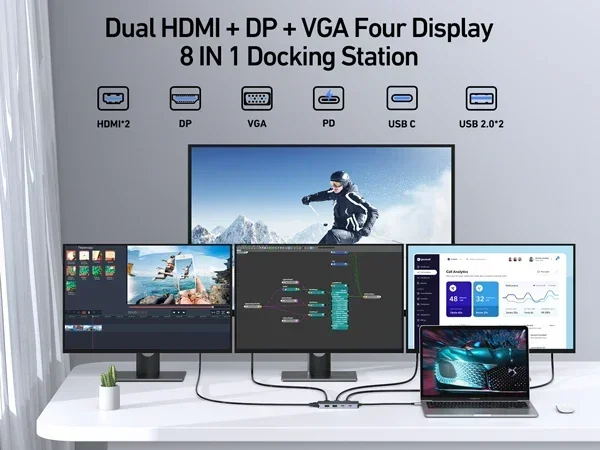
- Use a powered USB hub if you need to connect multiple devices.
- Test your setup with a simple app first before watching a long movie.
Alternatives to USB for Streaming iPad to TV
While USB is a solid option, it is not the only way to stream your iPad to your TV. Here are a few alternatives worth knowing about.
AirPlay Wireless Streaming
If you have an Apple TV or a smart TV that supports AirPlay, you can stream wirelessly. Open the Control Center on your iPad, tap Screen Mirroring, and select your TV. This is the easiest method — no cables, no adapters, no fuss. The downside is that it requires a strong WiFi connection.
HDMI Direct from USB-C
Some newer iPads with USB-C can connect directly to an HDMI cable using a USB-C to HDMI cable (no separate adapter needed). This simplifies the setup and reduces the number of cables you need to manage.
Smart TV Apps
Many smart TVs have built-in apps for Netflix, YouTube, and other streaming services. You can use these apps directly on your TV instead of mirroring from your iPad. This frees up your iPad for other tasks while you watch.
Chromecast or Roku Streaming Devices
Devices like Chromecast or Roku let you cast content from your iPad to your TV over WiFi. They are affordable and easy to set up. While not a USB solution, they are worth considering if you want a wireless option.
Comparison: USB vs Wireless Streaming Methods
| Feature | USB Connection | AirPlay (Wireless) | Streaming Device |
|---|---|---|---|
| Setup complexity | Moderate | Very easy | Easy |
| Requires adapter | Yes | No | No |
| Lag or delay | None | Minimal | Minimal |
| Works without WiFi | Yes | No | No |
| Picture quality | Excellent | Very good | Very good |
| Cost | Low to moderate | Free (if you have Apple TV) | $30 to $50 |
| Best for | Reliable, stable viewing | Casual, everyday use | Smart TV owners |
Each method has its strengths. If you want zero lag and no dependency on WiFi, USB is the way to go. If convenience matters most, AirPlay or a streaming device is hard to beat. Choose the method that fits your needs best.
Key Takeaways
- Yes, you can hook your iPad to your TV using USB: With the right adapter and cable, a USB connection sends video from your iPad to your TV reliably.
- Check your iPad port type first: Lightning iPads need a Lightning to HDMI adapter, while USB-C iPads need a USB-C to HDMI adapter.
- A plain USB cable alone will not work: You always need an adapter that converts the signal to HDMI for your TV.
- Buy quality adapters: Stick with Apple or reputable brands like Anker and Belkin to avoid compatibility and durability issues.
- Wireless is also an option: AirPlay and streaming devices like Chromecast or Roku offer cable-free alternatives if WiFi is available.
- Troubleshooting is simple: Most connection problems are solved by checking cable connections, selecting the right TV input, and updating your iPad software.
- Keep your iPad charged during long sessions: Wired mirroring drains battery faster, so plug in your iPad when watching extended content.
Frequently Asked Questions
Can I use any USB cable to connect my iPad to my TV?
No, a regular USB cable by itself cannot send video to your TV. You need a specific adapter — either a Lightning to HDMI adapter or a USB-C to HDMI adapter — that converts the signal into a format your TV can display. The cable is only part of the setup.
Does hooking my iPad to my TV using USB drain the battery faster?
Yes, mirroring your iPad screen to a TV uses more processing power and drains the battery faster than normal use. It is a good idea to keep your iPad plugged into a power source while streaming content to the TV for long periods.
Can I watch Netflix on my TV through a USB iPad connection?
Yes, you can. When you mirror your iPad screen to your TV using a USB adapter and HDMI cable, everything on your iPad screen — including Netflix — appears on the TV. Just make sure you have a stable connection and enough battery or a power source.
What is the difference between USB and USB-C for iPad TV connections?
USB refers to the older Lightning port found on older iPad models, while USB-C is the newer, reversible port found on modern iPads. Both can connect to your TV using the right adapter, but USB-C supports faster data transfer and higher video resolutions on newer devices.
Do I need WiFi to connect my iPad to my TV using USB?
No, one of the biggest advantages of a USB connection is that it does not require WiFi at all. The video signal travels through the cable and adapter directly to your TV, making it a great option when WiFi is weak or unavailable.
Why does my TV show “No Signal” when I connect my iPad?
This usually means the TV is not on the correct HDMI input. Use your TV remote to switch to the HDMI port where you plugged in the cable. Also check that all connections are secure. If the problem continues, try a different HDMI cable or adapter.
=== CONCLUSION ===
Can I hook my iPad to my TV using USB? Absolutely. It is a practical, reliable, and affordable way to enjoy your iPad content on a much bigger screen. Whether you are watching movies, sharing photos, or presenting to an audience, a USB-to-HDMI setup gives you a stable, lag-free connection that just works.
The key is to get the right adapter for your iPad model, use a good quality HDMI cable, and follow the simple steps we covered in this guide. Avoid the common mistakes, keep your software updated, and do not be afraid to try a different adapter if the first one does not work.
Remember that USB is just one option. If you prefer going wireless, AirPlay and streaming devices offer great alternatives. But for reliability and simplicity, a USB connection remains one of the best methods available. Now that you know how to make it work, grab your adapter, plug everything in, and enjoy your favorite content on the big screen. Happy streaming!