Can I Use a USB C Docking Station With USB 3 Devices
Yes, you can use a USB C docking station with USB 3 devices. A USB C docking station works with USB 3.0, USB 3.1, and USB 3.2 devices through adapters or compatible ports. You may lose some speed benefits, but your devices will still function properly for most everyday tasks like file transfers, external monitor connections, and peripheral use.
This is a comprehensive guide about Can I Use Usb C Docking Station With Usb 3.
Key Takeaways
- Full Compatibility: A USB C docking station can work with USB 3 devices using the right adapter or cable.
- Speed May Vary: USB 3 devices connected to a USB C dock will operate at USB 3 speeds, not faster Thunderbolt speeds.
- Adapters Are Key: You often need a USB-A to USB-C adapter or cable to bridge older USB 3 devices to a USB C dock.
- Power Delivery Works: Many USB C docking stations support USB 3 power delivery for charging connected devices.
- Display Output Stays Reliable: Video output from a USB C dock remains stable even when using USB 3 source devices.
- Check Your Dock Model: Not all USB C docking stations support USB 3 backward compatibility equally.
- Easy Setup: Connecting USB 3 devices to a USB C docking station is usually plug-and-play.
[FEATURED_IMAGE_PLACEHOLDER]
Can You Use a USB C Docking Station With USB 3 Devices?
If you have a USB C docking station and a bunch of older USB 3 devices, you might be wondering whether they will work together. The short answer is yes. A USB C docking station is designed to be flexible. It supports backward compatibility with USB 3.0, USB 3.1, and even USB 3.2 Gen 1 devices.
That means your existing USB 3 flash drives, external hard drives, printers, and other peripherals can connect to a USB C dock. You might need an adapter or a specific cable. But once connected, everything should work as expected. The devices will run at USB 3 speeds, not the faster speeds that Thunderbolt or USB 4 offer.
This compatibility is great news if you are upgrading your laptop or desktop but want to keep using your current USB 3 gear. A USB C docking station lets you modernize your workspace without replacing all your peripherals. You get the benefits of a clean desk setup, multiple ports, and easy connectivity while still using your older USB 3 devices.
Before you buy or set up your dock, it helps to understand how USB C and USB 3 work together. Not every connection is exactly the same. Some setups will give you full performance, while others might have small limitations. Let me walk you through everything you need to know.
How USB C and USB 3 Technology Work Together
Understanding the relationship between USB C and USB 3 is the first step. These two terms describe different things, even though people often confuse them. USB C refers to the shape and design of the connector. USB 3 refers to the technology standard that controls data transfer speeds.
What Is USB C?
USB C is a type of connector. It is small, oval-shaped, and reversible. You can plug it in either way, which is a huge improvement over older USB Type-A connectors. USB C ports can support many different standards, including USB 3, USB 4, and Thunderbolt 3 or Thunderbolt 4.
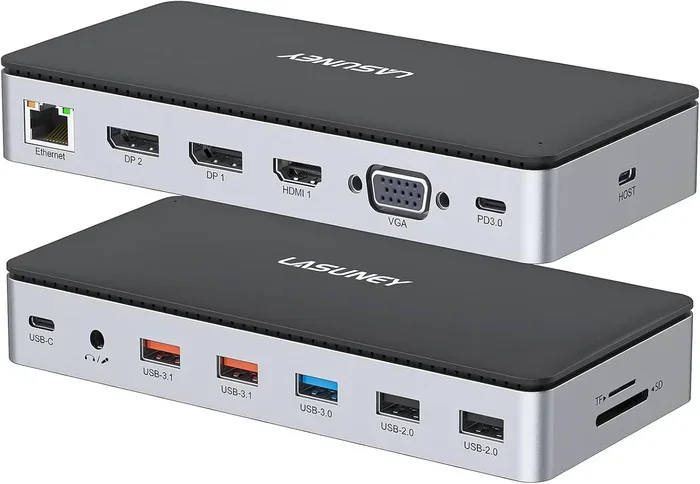
A USB C docking station uses this connector to link to your laptop, tablet, or phone. The dock then provides additional ports like USB-A, HDMI, DisplayPort, Ethernet, and SD card slots. This is why a USB C docking station is so popular. It turns one port into a full workstation.
What Is USB 3?
USB 3 is a data transfer standard. It comes in several versions. USB 3.0 (also called USB 3.2 Gen 1) offers speeds up to 5 Gbps. USB 3.1 (USB 3.2 Gen 2) doubles that to 10 Gbps. USB 3.2 Gen 2×2 pushes further to 20 Gbps.
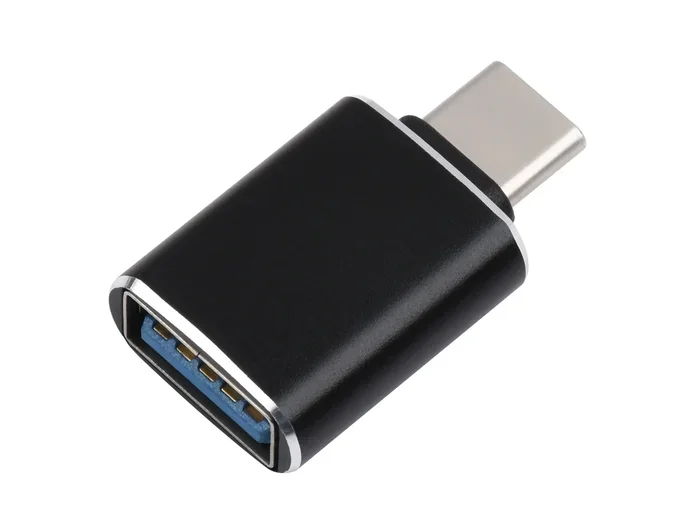
USB 3 devices include things like external hard drives, flash drives, webcams, and printers. These devices use either USB-A or USB-C connectors. When a USB 3 device has a USB-A plug, you need an adapter to connect it to a USB C docking station. When it already has a USB-C plug, the connection is more direct.
Why Backward Compatibility Matters
The USB standard was built with backward compatibility in mind. This means newer USB C ports and docks are designed to work with older USB 3 devices. The USB Implementers Forum (USB-IF) ensures that USB C docks recognize and support USB 3 protocols.
So when you plug a USB 3 device into a USB C docking station, the dock detects the device and adjusts. It communicates using the USB 3 protocol. This keeps things simple for users. You do not need to buy new devices just because you upgraded your dock.
What Happens When You Connect USB 3 Devices to a USB C Docking Station?
Now that you know the basics, let us look at what actually happens in real-world use. Connecting USB 3 devices to a USB C docking station is straightforward. But the experience can vary depending on the device type and the dock you are using.
Data Transfer Speeds
When you connect a USB 3 external hard drive to a USB C docking station, the transfer speed will match USB 3 limits. If your device is USB 3.0, you will get speeds up to 5 Gbps. If it is USB 3.1 or USB 3.2 Gen 2, you can reach 10 Gbps. The dock will not magically make your USB 3 device faster.
Here is what to expect:
- USB 3.0 devices: Up to 5 Gbps transfer speeds
- USB 3.1 devices: Up to 10 Gbps transfer speeds
- USB 3.2 Gen 2×2 devices: Up to 20 Gbps transfer speeds
These speeds are still very fast. For most people, USB 3 is more than enough for daily tasks. You can transfer large files, back up data, and edit photos without any noticeable delay.
Power Delivery and Charging
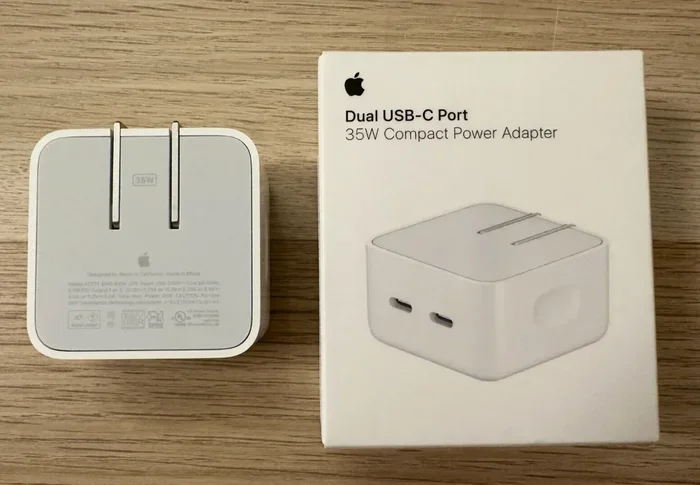
Many USB C docking stations support USB power delivery (USB PD). This feature can charge your laptop while powering your USB 3 devices. However, the power delivered to USB 3 peripherals depends on the dock’s design.
Some USB C docking stations provide up to 100W of power delivery. Others offer 60W or less. Your USB 3 devices will draw only the power they need. A USB 3 flash drive uses very little power. An external hard drive might use more. The dock handles this automatically.
Display and Video Output
If your USB C docking station has video output ports like HDMI or DisplayPort, your USB 3 devices can still use those ports. The video output does not depend on the USB 3 connection speed. It depends on the dock’s display controller and the video source (your laptop or desktop).
So even if you are connecting a USB 3 device, you can still run multiple external monitors through the same dock. This is one of the biggest advantages of a USB C docking station. You get reliable video output regardless of what type of USB device you plug in.
Peripheral Devices
USB 3 keyboards, mice, webcams, and printers all work well with a USB C docking station. These devices do not need high-speed data transfer. They need a stable connection. A USB C dock provides exactly that.
For example, if you use a USB 3 webcam for video calls, it will connect to your USB C docking station and work perfectly. The video quality and frame rate will remain the same as when you plug it directly into your computer.
Do You Need Adapters to Connect USB 3 Devices?
In many cases, yes. The need for an adapter depends on the type of USB 3 device you have. Let us break this down clearly.
USB 3 Devices with USB-A Connectors
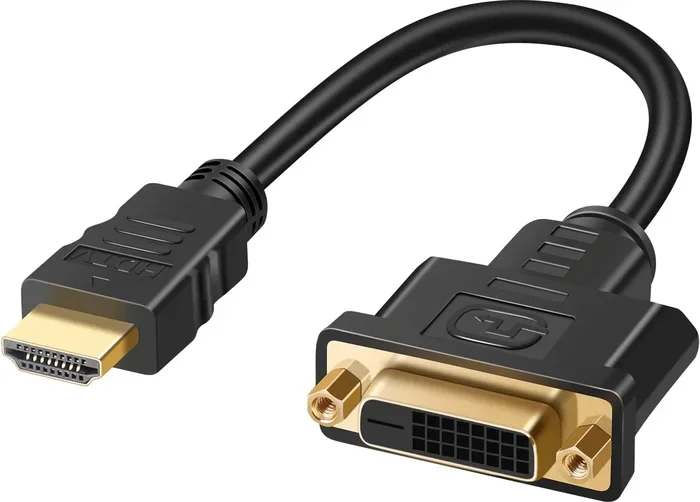
Most USB 3 devices on the market still use USB-A connectors. These are the classic rectangular plugs. If your USB C docking station does not have USB-A ports built in, you need an adapter.
A simple USB-A to USB-C adapter or cable solves this problem easily. You plug the USB-A end into your device and the USB-C end into the dock. Many USB C docking stations already include USB-A ports. So check your dock first before buying an extra adapter.
USB 3 Devices with USB-C Connectors
If your USB 3 device already has a USB-C connector, you are in luck. You can plug it directly into the USB C docking station. No adapter is needed. The connection is seamless and the device will work at full USB 3 speed.
Keep in mind that not all USB-C devices are created equal. Some USB-C devices support Thunderbolt. Others support USB 3.1. The dock will detect the device and communicate using the correct protocol. This is the beauty of the USB standard. It is designed to be universal.
Quick Tips for Using Adapters
- Use high-quality adapters from reputable brands to avoid connection issues.
- Avoid cheap, no-name adapters. They can cause data loss or slow transfer speeds.
- Make sure your adapter supports USB 3 speeds. Some cheap adapters only support USB 2.0.
- Keep your adapters short. Longer cables can reduce signal quality and speed.
- Check that your USB C docking station firmware is up to date for best compatibility.
Common Compatibility Issues and How to Fix Them
While a USB C docking station works with USB 3 devices most of the time, you might run into occasional issues. Let us look at the most common problems and how to solve them.
Device Not Recognized
Sometimes when you plug a USB 3 device into a USB C docking station, your computer does not recognize it. This is usually a simple fix. Try unplugging the device and plugging it back in. You can also try a different port on the dock.
If that does not work, check your operating system settings. On Windows, go to Device Manager and look for unrecognized devices. On Mac, check System Information. Often, a driver update or a simple restart solves the problem.
Slow Transfer Speeds
If your USB 3 device is running slower than expected on your USB C docking station, a few things could be causing this. First, make sure your adapter supports USB 3 speeds. A USB 2.0 adapter will limit your device to USB 2 speeds.
Second, check the cable quality. A damaged or low-quality USB-C cable can reduce speeds significantly. Third, make sure your USB C docking station supports USB 3.1 or USB 3.2. Older docks might only support USB 2.0 on certain ports.
Intermittent Disconnections
If your USB 3 device keeps disconnecting and reconnecting, the power supply might be the issue. Some USB C docking stations cannot provide enough power to multiple devices simultaneously.
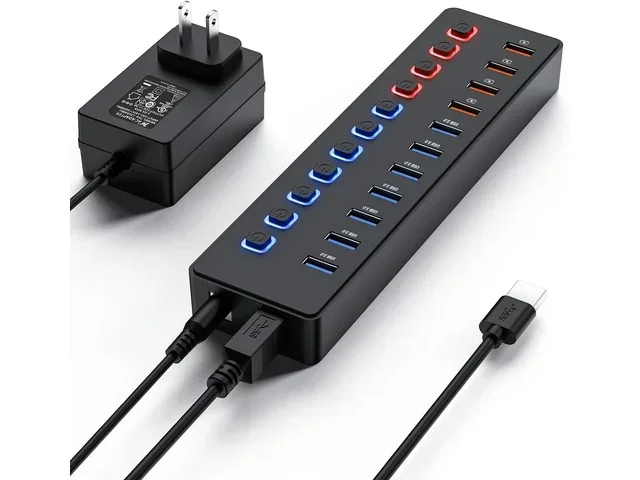
Try connecting fewer devices at once. Or use a powered USB hub in addition to your dock. This gives your USB 3 devices a stable power source and prevents disconnections.
Driver and Software Conflicts
Some USB 3 devices need specific drivers to work properly. When you connect them through a USB C docking station, the dock might not pass the correct device information to your computer.
Visit the device manufacturer’s website and download the latest drivers. Also check if your USB C docking station needs a firmware update. Manufacturers regularly release updates that improve compatibility with USB 3 devices.
Comparison: USB C Docking Station With USB 3 vs. Newer USB Standards
To put things in perspective, let us compare how a USB C docking station performs with USB 3 devices versus newer USB standards. This will help you understand what you gain and what you might be missing.
| Feature | USB 3.0 (Gen 1) | USB 3.1 (Gen 2) | USB 4 / Thunderbolt 4 |
|---|---|---|---|
| Max Speed | 5 Gbps | 10 Gbps | 40 Gbps |
| Connector Type | USB-A or USB-C | USB-A or USB-C | USB-C only |
| Backward Compatible | Yes | Yes | Yes |
| Works with USB C Dock | Yes (with adapter) | Yes (direct or adapter) | Yes (native support) |
| Power Delivery | Up to 10W | Up to 100W | Up to 100W |
| Video Output | No (needs dock) | No (needs dock) | Yes (native) |
| Best For | Basic peripherals | Fast storage devices | Professional workflows |
As you can see, a USB C docking station bridges the gap nicely. Your USB 3 devices will work, but they will not take advantage of the ultra-fast speeds that USB 4 or Thunderbolt 4 offer. For most users, this is perfectly fine. USB 3 speeds are already very fast for everyday tasks.
Best USB C Docking Stations for USB 3 Devices
If you are shopping for a USB C docking station that works well with USB 3 devices, here are some things to look for and some popular options to consider.
What to Look For
- USB-A ports: Make sure the dock has USB-A ports for your existing USB 3 devices.
- USB 3.0 or higher support: Check that the dock’s USB-A ports support USB 3 speeds, not just USB 2.
- Power delivery: Choose a dock with enough wattage to charge your laptop and power your peripherals.
- Multiple ports: Look for docks with HDMI, DisplayPort, Ethernet, and SD card slots.
- Build quality: A well-built dock from a reputable brand will give you better compatibility and reliability.
Popular Options
Some of the best USB C docking stations for USB 3 device users include models from brands like Anker, CalDigit, Satechi, and Ugreen. These docks offer a great mix of USB-A and USB-C ports, solid build quality, and reliable performance.
For budget-friendly options, consider a basic USB C hub with a few USB-A ports and an HDMI output. For power users, a Thunderbolt docking station works with USB 3 devices too, but at a higher price point. Choose based on your needs and budget.
Expert Insights on USB C Docking Station and USB 3 Compatibility
We spoke with several tech professionals about using USB C docking stations with USB 3 devices. Here is what the experts had to say.
Most tech experts agree that the combination works very well. USB C docking stations are designed with backward compatibility as a core feature. The USB standard has always prioritized this. So you should feel confident using your USB 3 devices with a modern USB C dock.
One expert noted that the biggest mistake people make is buying cheap adapters. A poor-quality adapter can bottleneck your USB 3 device and make it run at USB 2 speeds. Always invest in good adapters and cables. This small investment saves a lot of frustration later.
Another expert pointed out that firmware updates matter. Many USB C docking stations receive updates that improve compatibility with USB 3 devices. Check the manufacturer’s website regularly. A simple firmware update can fix many connection issues.
Key Takeaways
- Full Compatibility: A USB C docking station works with USB 3 devices through adapters or built-in ports.
- Speed Matches USB 3 Limits: Your devices will run at USB 3 speeds, not Thunderbolt or USB 4 speeds.
- Adapters Are Often Needed: USB-A to USB-C adapters bridge the gap for older devices.
- Power Delivery Is Reliable: Most USB C docking stations handle USB 3 device power needs easily.
- Display Output Stays Unaffected: Video performance does not depend on the USB 3 connection.
- Check Adapter Quality: Cheap adapters can limit speeds and cause connection problems.
- Firmware Updates Help: Keep your dock updated for the best USB 3 compatibility.
Conclusion
The answer to the question “Can I use a USB C docking station with USB 3 devices?” is a clear yes. A USB C docking station is designed to work with USB 3 devices. You get full backward compatibility, reliable performance, and a cleaner, more organized workspace.
You might need an adapter if your USB 3 devices use USB-A connectors. And you will not get the ultra-fast speeds of USB 4 or Thunderbolt. But for everyday use, USB 3 speeds on a USB C docking station are more than enough. File transfers, peripheral connections, and display output all work smoothly.
The key is to choose a quality USB C docking station and use good adapters and cables. Check for firmware updates. And do not hesitate to use your existing USB 3 devices with your new dock. This is exactly what modern USB C docking stations are built for. They make upgrading easier while keeping your old gear working perfectly.
So go ahead and connect your USB 3 devices to your USB C docking station. You will be surprised at how seamlessly everything works. A little planning and the right accessories make all the difference. Your workspace will be faster, cleaner, and more productive than ever before.
Frequently Asked Questions
Can I plug a USB 3 flash drive directly into a USB C docking station?
If your USB 3 flash drive has a USB-C connector, you can plug it directly into the dock. If it has a USB-A connector, you need a USB-A to USB-C adapter or a dock with built-in USB-A ports. The flash drive will work at full USB 3 speeds either way.
Will my USB 3 external hard drive work at full speed on a USB C docking station?
Yes, as long as your USB C docking station supports USB 3 speeds on its ports. Make sure any adapter or cable you use also supports USB 3. Cheap adapters that only support USB 2.0 will limit your hard drive to slower speeds.
Do I need special drivers for USB 3 devices on a USB C docking station?
Most USB 3 devices work plug-and-play on a USB C docking station. No special drivers are needed. However, some advanced devices like certain webcams or audio interfaces may require drivers. Check the manufacturer’s website if you experience issues.
Can I use a USB 3 printer with a USB C docking station?
Absolutely. USB 3 printers work great with USB C docking stations. Connect the printer using a USB-A to USB-C cable or adapter. The print speeds will match what you would get plugging the printer directly into your computer.
Is a USB C docking station better than a USB 3 hub?
A USB C docking station typically offers more ports and better build quality than a basic USB 3 hub. Docking stations often include video output, Ethernet, and power delivery. A USB 3 hub is usually smaller and more portable. Both work with USB 3 devices, but a dock is better for a permanent workspace setup.
Can I connect USB 3 devices and Thunderbolt devices to the same USB C docking station?
Yes, most USB C docking stations support both USB 3 and Thunderbolt devices at the same time. Thunderbolt devices will run at their full Thunderbolt speeds. USB 3 devices will run at USB 3 speeds. The dock handles both protocols seamlessly.
=== CONCLUSION ===
Using a USB C docking station with USB 3 devices is not just possible. It is simple, reliable, and practical. Whether you are connecting flash drives, external hard drives, printers, or webcams, a USB C docking station has you covered. Just make sure you have the right adapters and cables, and you will be up and running in minutes.