Do 4k 240hz Monitors Exist and Here Is What You Need to Know
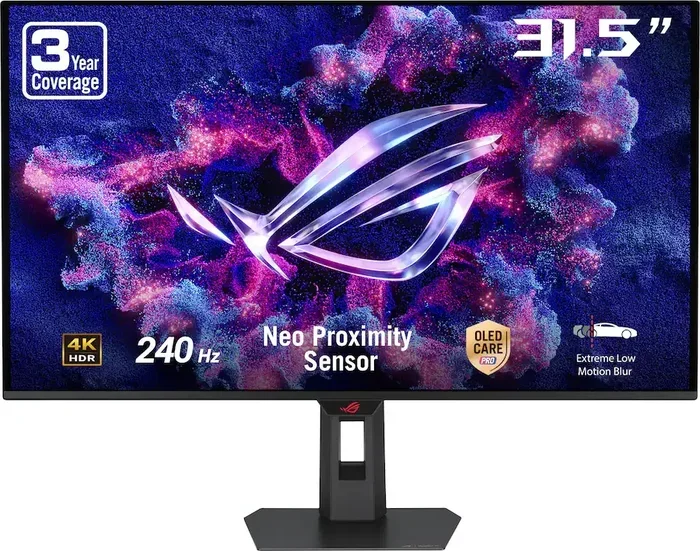
Yes, 4k 240hz monitors do exist, but they are rare and expensive. These displays combine stunning 4k resolution with an incredibly fast 240Hz refresh rate, delivering ultra smooth visuals for competitive gaming and professional work. However, they come with serious tradeoffs in price, hardware requirements, and availability.
This is a comprehensive guide about Do 4k 240hz Monitors Exist.
Key Takeaways
- 4k 240hz monitors are real: Several brands have released or announced models that offer both 4k resolution and a 240Hz refresh rate.
- They are extremely expensive: Prices for these monitors range from $1,500 to well over $3,000, making them a premium purchase.
- Your PC hardware needs to keep up: You need a powerful GPU and strong system specs to actually push 4k at 240 frames per second.
- They are best for competitive gamers: Casual users may not notice the difference, but esports players can gain a real advantage.
- Connectivity matters a lot: You need HDMI 2.1 or DisplayPort 1.4 with DSC to handle the bandwidth demands of 4k 240hz.
- Tradeoffs exist: Panel type, HDR support, and response time all play a role in whether a 4k 240hz monitor is right for you.
[FEATURED_IMAGE_PLACEHOLDER]
Have you ever wondered whether 4k 240hz monitors are real or just a marketing dream? The short answer is yes, they exist. But the full story is much more interesting than a simple yes or no. These monitors sit at the extreme end of display technology, combining the sharpness of 4k resolution with the buttery smoothness of a 240Hz refresh rate. It is a combination that sounds almost too good to be true, and for many people, it kind of is too expensive.
If you are a gamer, a content creator, or just someone who loves top-tier display tech, you have probably seen the hype around high refresh rate monitors. But how does a 4k 240Hz display actually perform in real life? What does it take to run one? And are they even worth the money? In this guide, we will break it all down. You will learn what these monitors are, who they are for, what to watch out for, and whether they live up to the promise.
The world of display technology has moved fast. From basic 1080p panels to ultrawide monitors and now to high refresh rate displays, the options keep growing. 4k 240hz monitors represent the bleeding edge of what is available right now. Let us dive in and explore what makes them tick.
What Is a 4k 240hz Monitor?
To understand 4k 240hz monitors, it helps to break down the two parts of the name. The first part, 4k, refers to the resolution. A 4k display has about 3,840 by 2,160 pixels. That is four times the detail of a standard 1080p monitor. The result is an incredibly sharp and detailed image.
The second part, 240Hz, refers to the refresh rate. This is how many times per second the screen updates the image. A standard 60Hz monitor refreshes 60 times per second. A 144Hz monitor refreshes 144 times. A 240Hz monitor refreshes 240 times per second. That is four times faster than a typical gaming monitor.
When you combine both of these features, you get a display that is both incredibly sharp and incredibly smooth. Every frame looks crisp. Every motion looks fluid. This is the dream setup for anyone who wants the best visual experience possible.
Resolution vs Refresh Rate
There is always a tradeoff between resolution and refresh rate. Higher resolution means more detail but requires more GPU power. Higher refresh rate means smoother motion but also demands more from your hardware. A 4k 240Hz display pushes both limits at the same time. This is why these monitors are so rare and so pricey.
Most gaming monitors on the market today stick to either 4k at 144Hz or 1080p at 240Hz. Very few can do both at once. The ones that can are built with advanced panel technology and require serious display bandwidth through HDMI 2.1 or DisplayPort 1.4 with DSC (Display Stream Compression).
Do 4k 240hz Monitors Actually Exist?
Yes, they really do exist. Several manufacturers have released or announced 4k 240Hz monitors in recent years. Brands like ASUS, Dell, LG, and Samsung have all entered the space with models that push the limits of display technology.
These monitors are not easy to find in every store, though. They are niche products aimed at a specific type of user. If you walk into a regular electronics shop, you probably will not see one on the shelf. You will need to shop online or visit specialty retailers.
Examples of 4k 240hz Monitors
Here are some real examples of 4k 240Hz monitors that are currently available or have been announced:
- ASUS ROG Swift PG27AQN: A 27-inch 4k 240Hz gaming monitor with Nano IPS panel technology and G-Sync support.
- Dell Alienware AW2723DF: A 27-inch 240Hz monitor with 4k resolution and Fast Sync support for smooth gameplay.
- LG UltraGear 27GR95QE: A 27-inch OLED 4k 240Hz display with perfect blacks and vibrant colors.
Each of these monitors brings something different to the table. Some focus on color accuracy for creative work. Others prioritize response time and input lag for competitive gaming. The common thread is that they all deliver 4k resolution at 240Hz refresh rate.
What Does It Take to Run a 4k 240hz Monitor?
Buying a 4k 240Hz monitor is only half the battle. You also need a powerful system to actually drive it. The GPU requirements for pushing 4k at 240 frames per second are extreme.
Most mid-range graphics cards will struggle to hit 4k 240fps in modern games. Even high-end cards like the NVIDIA RTX 4080 or RTX 4090 may not consistently reach that frame rate in every title. You will likely need to use DLSS or FSR upscaling technology to get close.
Hardware Requirements
Here is what you generally need to run a 4k 240Hz display smoothly:
- GPU: A top-tier card like the NVIDIA RTX 4090 or equivalent.
- Processor: A high-end CPU like an Intel Core i9 or AMD Ryzen 9.
- RAM: At least 32GB of fast DDR5 memory.
- Storage: An NVMe SSD for fast load times and smooth performance.
- Cables: HDMI 2.1 or DisplayPort 1.4 with DSC support.
Keep in mind that your laptop or PC setup needs to support all of these components together. If you are using a laptop, check whether it can handle external 4k monitors at high refresh rates. Some laptops have limited output bandwidth that can bottleneck performance.
Also, if you are building a new system, you might want to check whether you need to purchase Microsoft Office with a new laptop or any other software that could affect your overall setup budget. Every dollar counts when you are investing in a premium display like this.
Who Should Buy a 4k 240hz Monitor?
Not everyone needs a 4k 240hz monitor. These displays are made for specific use cases. Understanding who benefits most will help you decide if one is right for you.
Competitive Gamers
If you play competitive esports titles like Valorant, Counter-Strike 2, or Apex Legends, a 4k 240Hz monitor can give you a real edge. The combination of sharp image quality and ultra smooth motion helps you spot enemies faster and track moving targets more easily. Response time and input lag are critical factors here, and top-tier 4k 240Hz panels excel in both areas.
Content Creators and Professionals
For video editors, 3D artists, and graphic designers, 4k resolution is a game changer. The extra detail and color accuracy make a huge difference in professional workflows. Adding a 240Hz refresh rate on top of that means smoother previews and more responsive interaction with design tools.
Tech Enthusiasts
Some people just want the best of everything. If you love display technology and want to future-proof your setup, a 4k 240Hz monitor is the way to go. These displays represent what is possible right now in monitor specs and they will hold their value well.
Who Should Skip It
If you mainly browse the web, watch movies, or play casual games, a 4k 240Hz monitor is probably overkill. A standard 4k 60Hz monitor or even a 1440p 144Hz panel would serve you much better at a fraction of the cost. The jump from 60Hz to 240Hz is significant, but only certain types of users will fully appreciate it.
Key Features To Look For in a 4k 240hz Monitor
Not all 4k 240Hz monitors are created equal. There are several important features you should check before buying one.
Panel Type
The panel type affects everything from color accuracy to response time. Here are the main options:
- IPS (In-Plane Switching): Great colors and wide viewing angles. Slightly slower response times than other types.
- VA (Vertical Alignment): Excellent contrast and deep blacks. Slower response times can cause ghosting in fast scenes.
- OLED: Perfect blacks, instant response times, and vibrant colors. The best panel type but also the most expensive.
- Nano IPS: A variant of IPS with faster response times and improved color accuracy. A strong choice for gaming monitors.
Adaptive Sync Technology
Look for monitors that support G-Sync or FreeSync. These technologies help eliminate screen tearing and stuttering by matching the monitor refresh rate to your GPU output. This is especially important at high refresh rates like 240Hz.
HDR Support
HDR (High Dynamic Range) adds a wider range of brightness and color to your content. Not all 4k 240Hz monitors support HDR, and not all HDR implementations are created equal. Look for monitors with at least HDR 400 certification for a noticeable improvement.
Connectivity Options
Make sure the monitor has enough ports for your needs. HDMI 2.1 and DisplayPort 1.4 with DSC are essential for driving 4k at 240Hz. Some models also include USB-C ports with DisplayPort Alt Mode for easy connectivity with laptops.
If you plan to connect multiple devices or use your monitor for work tasks like video calls, you might want to check whether you need software for Blue Yeti mic setups or other peripherals that pair well with high-end displays.
Common Mistakes When Buying a 4k 240hz Monitor
Buying a 4k 240Hz monitor is a big investment. Avoid these common mistakes to make sure you get the best value.
Ignoring GPU Bottlenecks
The biggest mistake people make is buying a 4k 240Hz display without checking if their graphics card can handle it. A powerful monitor paired with a weak GPU will not deliver the experience you are paying for. Always match your monitor specs to your hardware capabilities.
Overlooking Cable Quality
Cheap cables cannot carry the bandwidth needed for 4k 240Hz. Always use certified HDMI 2.1 or DisplayPort 1.4 cables. A bad cable can cause flickering, artifacts, or reduced refresh rates.
Focusing Only on Refresh Rate
A high refresh rate is great, but it is not the only thing that matters. Color accuracy, brightness, contrast ratio, and response time all play a role in your overall experience. Do not ignore these specs just because the refresh rate is impressive.
Not Testing Before Buying
Every 4k 240Hz monitor looks a little different. Color calibration, brightness uniformity, and viewing angles can vary widely between brands. If possible, test the monitor in person before you commit to a purchase.
Is a 4k 240hz Monitor Worth It?
The honest answer depends on your needs and budget. 4k 240hz monitors are incredible pieces of technology, but they come at a steep price. For competitive gamers who need every advantage, they are absolutely worth it. For casual users or people on a tighter budget, a more affordable high refresh rate monitor or a standard 4k 60Hz panel will do the job just fine.
The display technology behind these monitors is advancing fast. Prices are slowly coming down as more brands enter the market. In a few years, 4k 240Hz might become the new standard for premium gaming monitors. But right now, these displays remain a luxury item for enthusiasts and professionals.
If you are on the fence, consider your use case carefully. Think about what games you play, what work you do, and what your budget allows. A 4k 240Hz monitor is a fantastic tool, but only if it fits your life and your needs.
Conclusion
4k 240hz monitors do exist, and they are absolutely stunning. They combine the sharpness of 4k resolution with the smoothness of a 240Hz refresh rate to deliver an unmatched visual experience. But they are not for everyone. The high price, demanding hardware requirements, and niche use cases mean they are best suited for competitive gamers, content creators, and tech enthusiasts.
If you have the budget and the hardware to support one, a 4k 240Hz display is a fantastic investment. Just make sure you do your research, check the monitor specs, and pick a model that fits your needs. The world of high refresh rate monitors is evolving fast, and these displays represent the best of what is available today.
Whether you are chasing competitive gaming performance or simply want the sharpest and smoothest picture possible, 4k 240hz monitors deliver on all fronts. Just be ready for the investment, and enjoy the experience.
Frequently Asked Questions
Can any PC run a 4k 240hz monitor?
No, not every PC can run a 4k 240Hz monitor at full performance. You need a powerful GPU like the NVIDIA RTX 4080 or 4090, a strong CPU, and at least 32GB of RAM. Without these components, you will not be able to push 4k at 240 frames per second in most games.
Is 4k 240hz overkill for gaming?
It depends on the type of games you play. For competitive esports titles like Valorant or CS2, 240Hz at 4k resolution gives a real competitive edge. For single-player story games or casual titles, 4k 144Hz or even 4k 60Hz is often more than enough and much easier on your hardware.
What cables do I need for a 4k 240hz monitor?
You need either an HDMI 2.1 cable or a DisplayPort 1.4 cable with DSC support. Standard HDMI 2.0 or DisplayPort 1.2 cables cannot handle the bandwidth required for 4k at 240Hz. Always use certified cables to avoid signal issues.
How much does a 4k 240hz monitor cost?
Prices vary, but most 4k 240Hz monitors range from $1,500 to $3,500 or more. The cost depends on the brand, panel type, and extra features like HDR support or adaptive sync technology. These are premium displays, so expect to pay a premium price.
Can I use a 4k 240hz monitor for work?
Absolutely. 4k resolution provides excellent screen real estate and sharp text, which is great for productivity work. The 240Hz refresh rate makes the interface feel incredibly smooth, which is a nice bonus for everyday tasks like browsing, video editing, and design work.
Are there 4k 240hz monitors with HDR support?
Yes, some 4k 240Hz monitors include HDR support, but the quality varies. Look for monitors with at least HDR 400 certification for a meaningful improvement. Higher-end models with HDR 1000 or HDR 1400 deliver even better brightness and color performance.